





Brand Development in Emerging Economies: Building New Brands in Sri Lanka
By Lasal Jayatillake
EMSc (D.Mktg), BA (Glob. Bus.), DipM, HND (E&EE), MCIM, MCMI, MSLIM, ACPM, Chartered Marketer, Practicing Marketer (SL)

In today’s competitive business world, building a successful brand is one of the biggest challenges organizations face. A brand is not just a logo, product name or advertising campaign. It includes all the perceptions, emotions, and experiences tied to a product or company. Strong brands build trust, loyalty and long term business value. While the basic principles of branding are similar around the world, creating a new brand in a developing economy like Sri Lanka comes with unique opportunities and challenges.
Sri Lanka is a developing country with a growing digital economy, shifting consumer preferences, increasing urbanization and a rich cultural landscape. However economic changes, price sensitivity, infrastructure issues and market uncertainties create a different environment than in developed economies. Therefore organizations building a new brand in Sri Lanka must use strategies that reflect local realities while also meeting global branding standards.
Understanding the Market Environment
The first step in creating a new brand in Sri Lanka is to understand the market. Before launching a product or service, businesses should assess the country’s economic, social, technological and competitive conditions.
Sri Lankan consumers vary by region, income and lifestyle. Urban consumers in Colombo and other major cities may prefer premium products, convenience and global trends. In contrast, rural consumers often prioritize affordability, reliability and practicality.
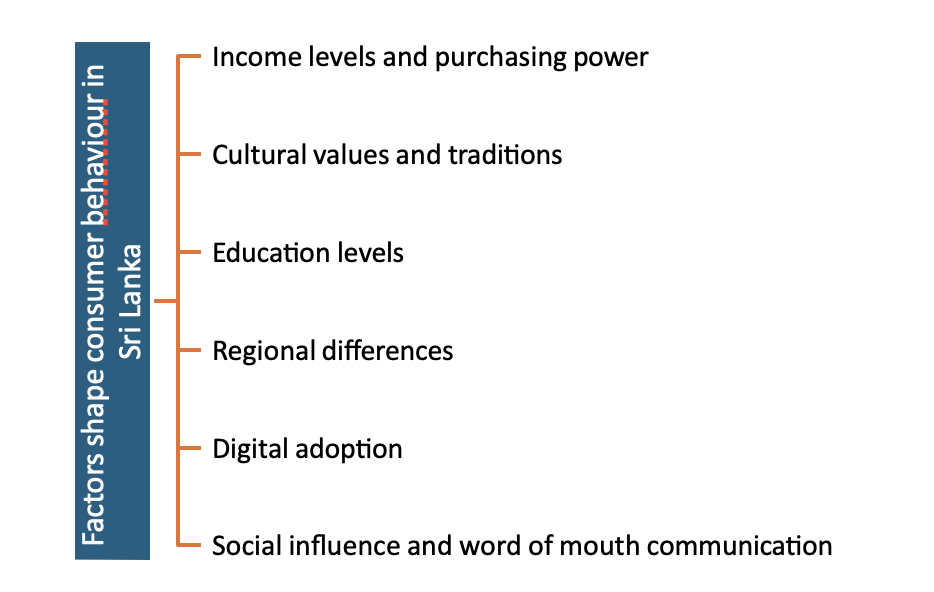
Developing a brand without grasping these market dynamics can result in poor positioning and failed product launches.
Identifying Market Opportunities
Successful brands often arise from spotting unmet customer needs or gaps in the market. Businesses must figure out where opportunities lie and if consumers are looking for better options.
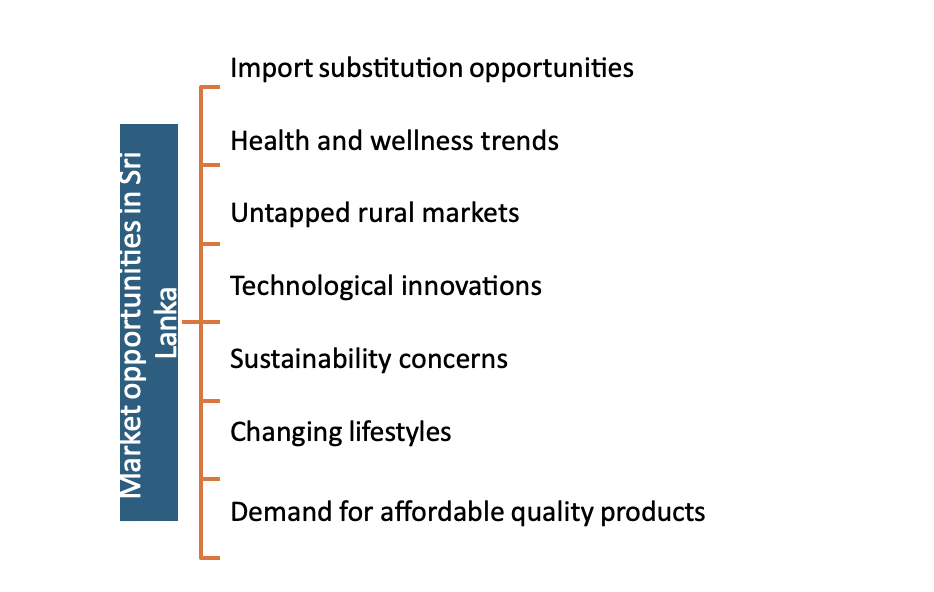
For example: during times of economic challenges and import restrictions, consumers may look for reliable local alternatives. These situations offer chances for local businesses to build strong domestic brands. Organizations often carry out both primary and secondary research to find these opportunities.
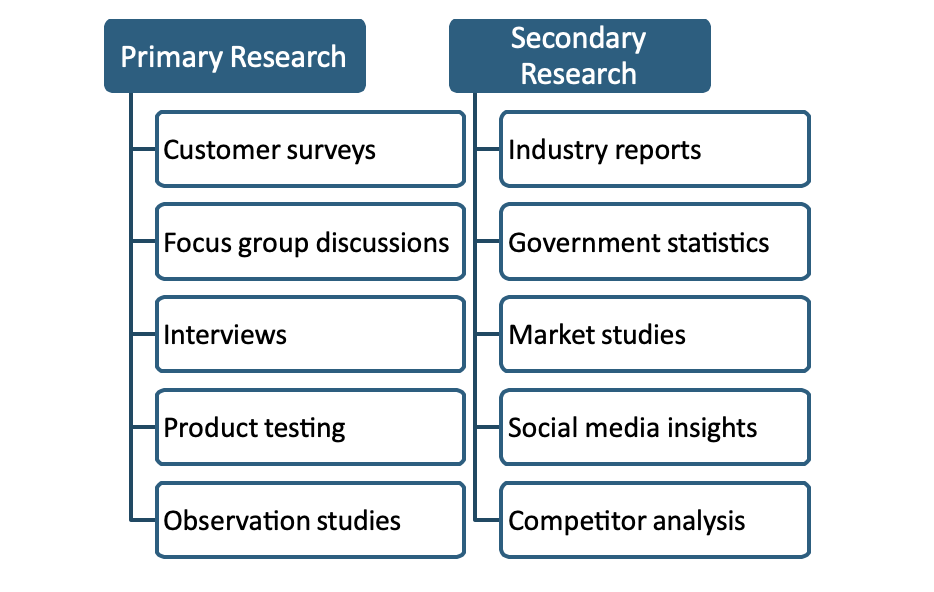
Research enables businesses to understand customer expectations and identify areas where value can be created.
Defining the Target Audience
A common mistake among new businesses is attempting to serve everyone. Successful brands understand that targeting specific customer segments leads to stronger positioning and greater effectiveness. Segmentation can be based on several factors.
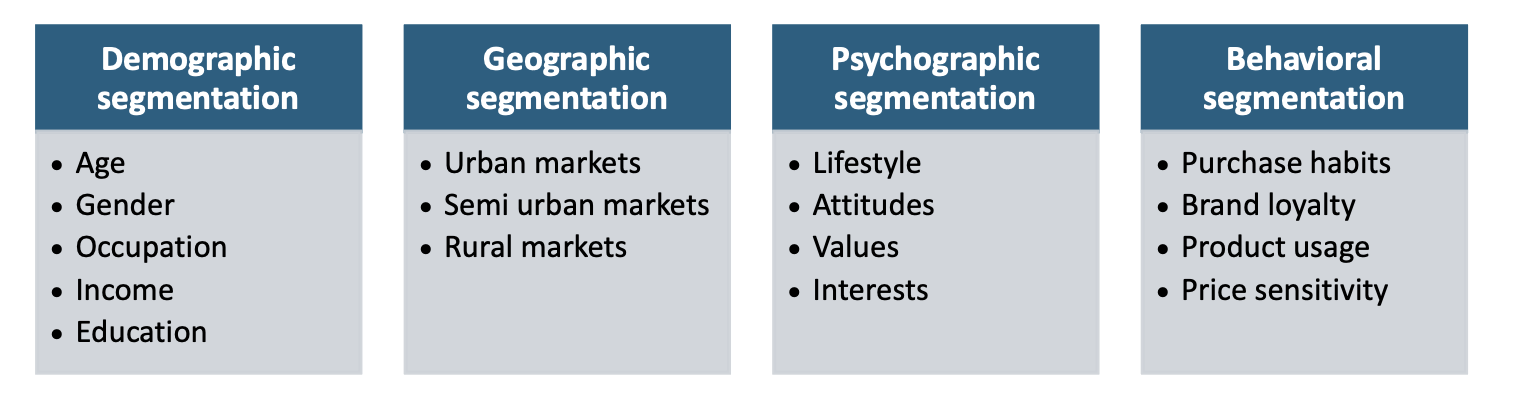
For example, a newly launched home appliance brand may target middle income households seeking durable and affordable products, while a premium skincare brand may focus on urban professionals. Clearly identifying the target audience helps businesses design products, communication strategies and marketing campaigns that meet specific consumer needs.
Developing Brand Positioning
Positioning refers to the place a brand occupies in the minds of consumers relative to competitors. It explains why customers should choose one brand over another. A brand’s positioning strategy should communicate a unique value proposition. Examples include.

In Sri Lanka, price remains an important factor because many consumers are value conscious. However, competing solely on price may not create sustainable differentiation. Strong brands communicate benefits beyond price. Consumers increasingly value convenience, customer service, trust and emotional connection. A positioning statement generally answers the following questions.
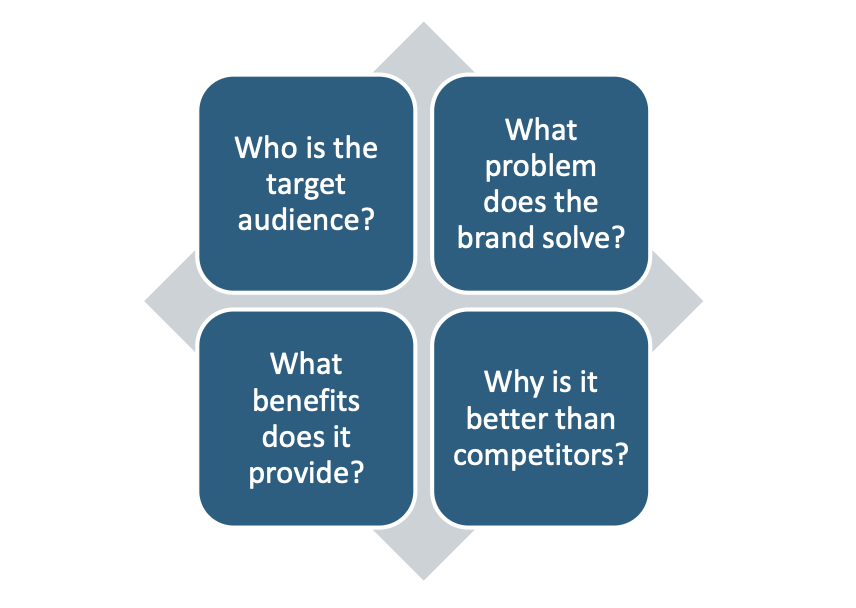
Clear positioning creates a strong foundation for all branding activities.
Creating a Strong Brand Identity
Brand identity represents the visual and emotional expression of a brand. It creates recognition and helps consumers remember the product. Brand identity elements include.

When developing brands in Sri Lanka, businesses should consider linguistic and cultural factors.
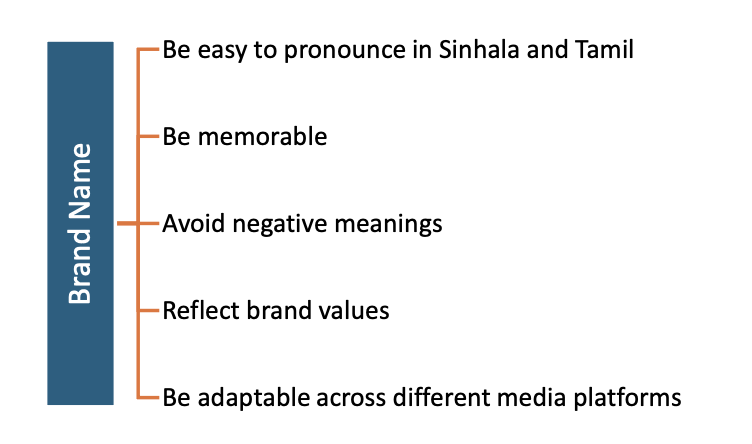
Packaging design also plays a major role in influencing purchase decisions. Attractive packaging can increase visibility and encourage trial purchases, especially in retail environments. Additionally, visual identity should remain consistent across all communication channels. Consistency builds familiarity and trust over time.
Product Development and Value Creation
A successful brand requires a product that delivers genuine value. Marketing alone cannot compensate for poor product quality.
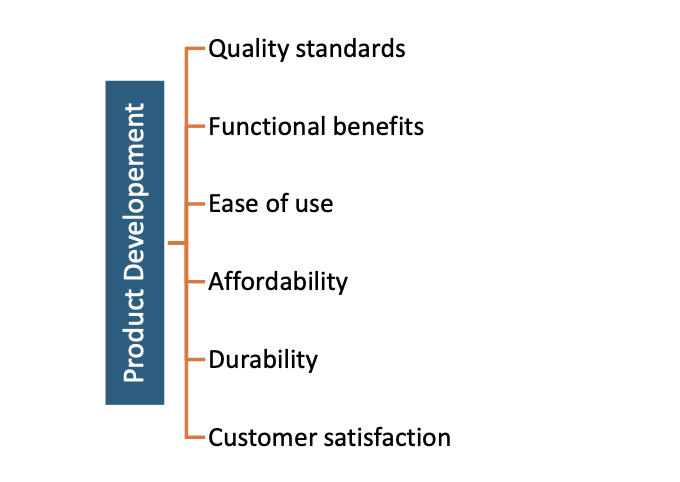
Sri Lankan consumers often place considerable importance on product reliability because purchasing decisions may involve significant financial considerations. Businesses should test products before large scale market introduction. Pilot launches and customer feedback can help identify weaknesses and improve product performance. The product experience ultimately influences customer satisfaction and repeat purchases.
Developing Distribution Strategies
Even an excellent product may fail if customers cannot access it easily. Distribution is particularly important in developing countries due to varying infrastructure and geographic challenges. Businesses may adopt several distribution channels.
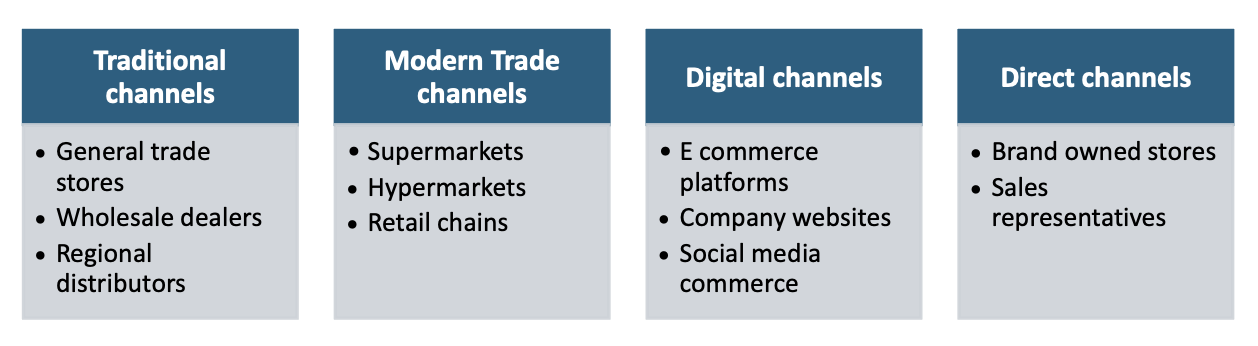
Sri Lanka has experienced substantial growth in digital adoption in recent years. Social media platforms and online purchasing behaviour have become increasingly important components of distribution strategies Organizations often adopt an omnichannel approach that combines physical and digital platforms.
Launching Marketing Communications
Once the product and distribution channels are ready, organizations begin communication and promotional activities. Integrated marketing communication helps deliver a consistent brand message across multiple channels. Marketing tools commonly used in Sri Lanka include.
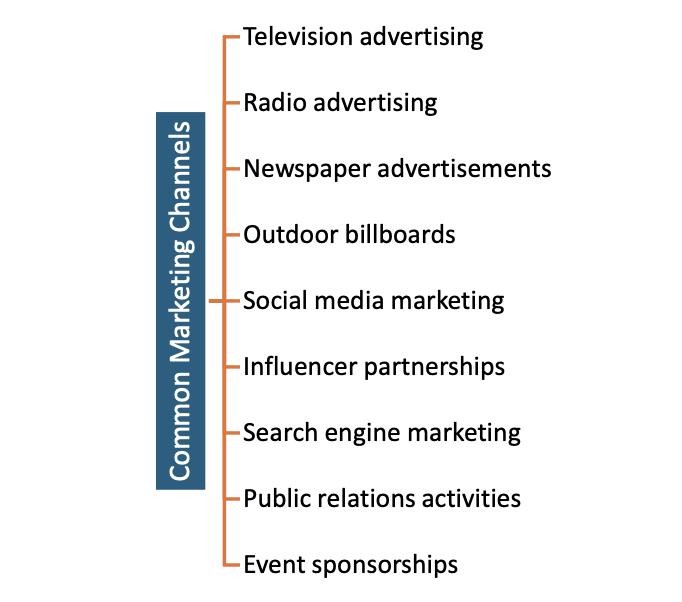
Digital marketing has become especially important because it allows businesses to reach audiences at lower costs compared to traditional advertising methods. Platforms such as Facebook, Instagram, YouTube and TikTok enable brands to create targeted campaigns and engage directly with consumers. Storytelling is increasingly becoming an effective branding strategy because customers tend to connect emotionally with authentic narratives. Brands that communicate purpose and value often build stronger relationships with consumers.
Building Trust and Customer Relationships
Trust is a critical factor in developing economies. Consumers may hesitate to adopt new brands because of uncertainty regarding quality and reliability. Businesses can build trust through.
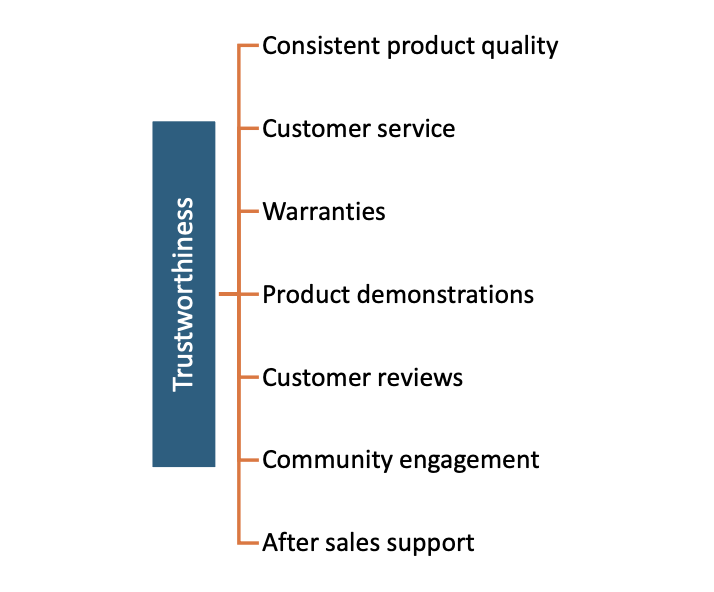
Word of mouth communication remains highly influential in Sri Lanka. Positive customer experiences often encourage recommendations among family members and social networks. Organizations should therefore focus not only on acquiring customers but also on retaining them. Customer relationship management plays an essential role in sustaining brand growth.
Monitoring Performance and Continuous Improvement
Brand development does not end after launch. Continuous monitoring and improvement are essential for long term success. Key performance indicators may include.
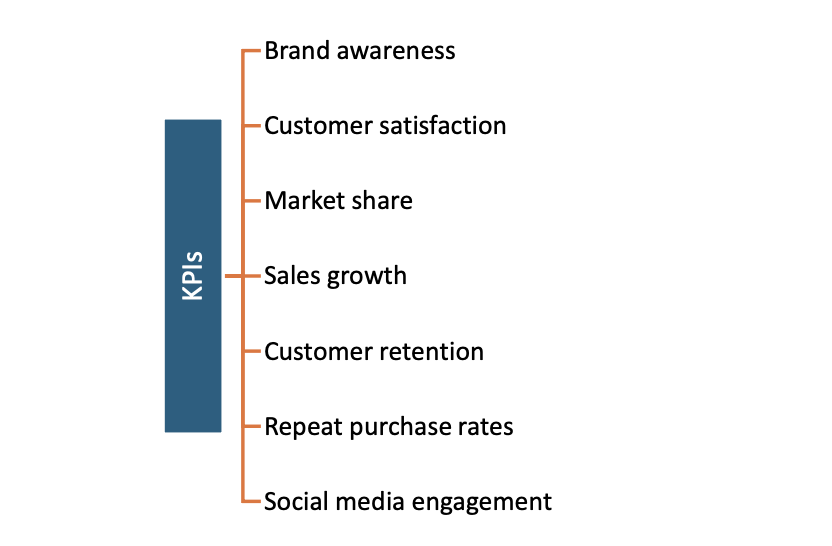
Businesses must regularly gather customer feedback and adapt to changing market conditions. Consumer preferences evolve over time and brands that fail to innovate may lose relevance. Successful brands continuously refine products, communication strategies and customer experiences.
Conclusion
Developing a new brand in a developing country like Sri Lanka requires more than simply introducing a product into the market. It involves understanding local consumer behaviour, identifying market opportunities, defining target audiences, creating strong positioning, developing effective distribution systems and building long term trust. Sri Lanka presents both opportunities and challenges for brand development. Economic conditions, cultural diversity, technological growth and changing customer expectations create a dynamic environment that demands strategic thinking and adaptability. Organizations that successfully combine local market understanding with modern branding principles can create sustainable and competitive brands. Ultimately, strong brands are built not only through advertising and promotions but through delivering meaningful value and consistent experiences that customers trust and remember.
Related News

How CIMA Builds Practical Business and Problem Solving Skills for the Real…
For students considering what to study after school or alongside a university degree, one question matters more than ever: will the qualification…
Read More
CIMA Beyond Accounting: Why Business Skills Matter for the Next Generation
For many Sri Lankan students, completing school brings one major question: what qualification should come next? A bachelor’s degree remains an important…
Read More
Gateway College and Wilderness School Australia Launch Teacher Exchange Programme
Students of Wilderness School were most welcoming to the teachers of Gateway Gateway College is pleased to announce the establishment of a…
Read More
Imperial Announces CIMA Certificate Intake with 50% Off Class Fees
Imperial College of Business Studies (ICBS) will commence its latest CIMA Certificate Level intake on 19 September 2026, with weekday and weekend…
Read More
AIESEC in Colombo North and Rotaract Colombo Mid Town Introduce CSR Project: Bloom 2026
Following the success of its first chapter, Bloom returns in 2026 with a renewed vision, focusing on Galaha Divisional Hospital and the…
Read MoreCourses
-

The future of higher education tech: why industry needs purpose-built solutions
For years, Institutions and education agencies have been forced to rely on a patchwork of horizontal SaaS solutions – general tools that… -

MBA in Project Management & Artificial Intelligence – Oxford College of Business
In an era defined by rapid technological change, organizations increasingly demand leaders who not only understand traditional project management, but can also… -

Scholarships for 2025 Postgraduate Diploma in Education for SLEAS and SLTES Officers
The Ministry of Education, Higher Education and Vocational Education has announced the granting of full scholarships for the one-year weekend Postgraduate Diploma… -

Shape Your Future with a BSc in Business Management (HRM) at Horizon Campus
Human Resource Management is more than a career. It’s about growing people, building organizational culture, and leading with purpose. Every impactful journey… -
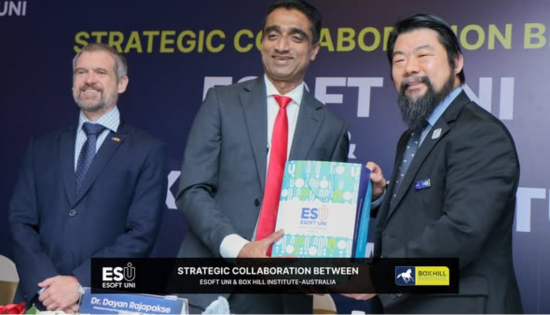
ESOFT UNI Signs MoU with Box Gill Institute, Australia
ESOFt UNI recently hosted a formal Memorandum of Understanding (MoU) signing ceremony with Box Hill Institute, Australia, signaling a significant step in… -

Ace Your University Interview in Sri Lanka: A Guide with Examples
Getting into a Sri Lankan sate or non-state university is not just about the scores. For some universities' programmes, your personality, communication… -
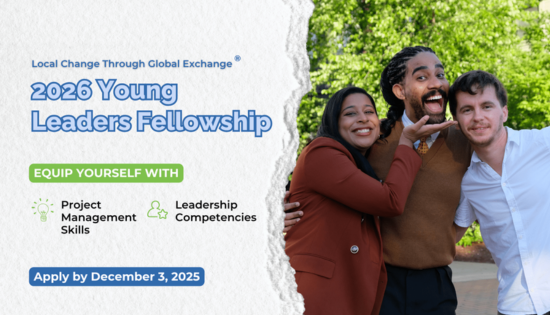
MCW Global Young Leaders Fellowship 2026
MCW Global (Miracle Corners of the World) runs a Young Leaders Fellowship, a year-long leadership program for young people (18–26) around the… -
Enhance Your Arabic Skills with the Intermediate Language Course at BCIS
BCIS invites learners to join its Intermediate Arabic Language Course this November and further develop both linguistic skills and cultural understanding. Designed… -

Achieve Your American Dream : NCHS Spring Intake Webinar
NCHS is paving the way for Sri Lankan students to achieve their American Dream. As Sri Lanka’s leading pathway provider to the… -
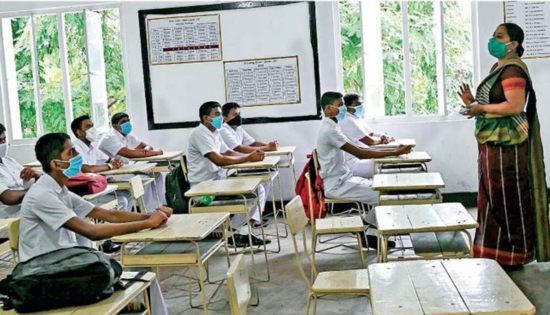
National Diploma in Teaching course : Notice
A Gazette notice has been released recently, concerning the enrollment of aspiring teachers into National Colleges of Education for the three-year pre-service… -
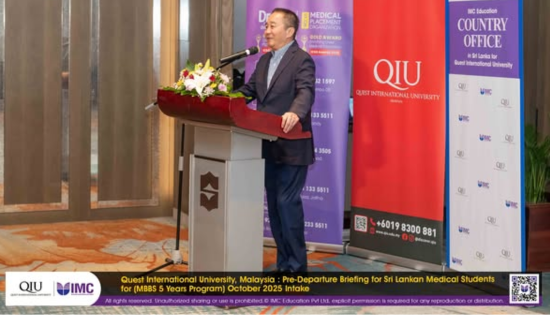
IMC Education Features Largest Student Recruitment for QIU’s October 2025 Intake
Quest International University (QIU), Malaysia recently hosted a pre-departure briefing and high tea at the Shangri-La Hotel in Colombo for its incoming… -

Global University Employability Ranking according to Times Higher Education
Attending college or university offers more than just career preparation, though selecting the right school and program can significantly enhance your job… -

Diploma in Occupational Safety & Health (DOSH) – CIPM
The Chartered Institute of Personnel Management (CIPM) is proud to announce the launch of its Diploma in Occupational Safety & Health (DOSH),… -
Small Grant Scheme for Australia Awards Alumni Sri Lanka
Australia Awards alumni are warmly invited to apply for a grant up to AUD 5,000 to support an innovative project that aim… -
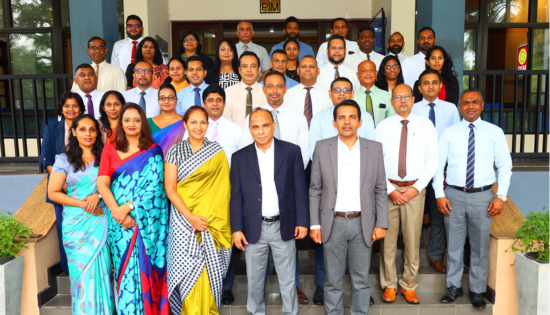
PIM Launches Special Programme for Newly Promoted SriLankan Airlines Managers
The Postgraduate Institute of Management (PIM) has launched a dedicated Newly Promoted Manager Programme designed to strengthen the leadership and management capabilities…
Newswire
-

Kandy’s Mahaiyawa Tunnel 80% Complete, Set to Open Before December
ON: September 20, 2026 -

Mahaiyawa underpass 80% complete, opening targeted before December
ON: September 20, 2026 -

Solar Power Shake-Up: Net Metering and Net Accounting Scrapped for New Connections
ON: September 20, 2026 -

Red landslide alerts issued for areas in Kandy, Kegalle and Nuwara Eliya
ON: September 20, 2026 -

Rooftop solar restrictions could be eased with battery storage systems — Minister
ON: September 20, 2026