

How shades influence the human mind
The colours of emotion
Walk into a hospital, and you are likely to find soft blues, whites, and gentle greens. Step into a fast-food restaurant, and bright reds and yellows often dominate the space. Luxury brands frequently favour black and gold, while many schools choose calming shades of blue for classrooms.
These colour choices are rarely accidental.
For centuries, artists, architects, psychologists, and designers have recognised that colours can influence the way people think, feel, and behave. Today, scientists continue to investigate the relationship between colour and the human mind, uncovering fascinating insights into perception, emotion, and decision-making.
Can colours actually change our mood?
The answer is more complex than a simple yes or no. While colours do not affect everyone in exactly the same way, research suggests they can influence emotions, attention, behaviour, and even physiological responses under certain conditions.
Colour begins in the brain
Colour is something people experience every day, yet it is not a property of objects themselves.
Instead, colour is created inside the brain.
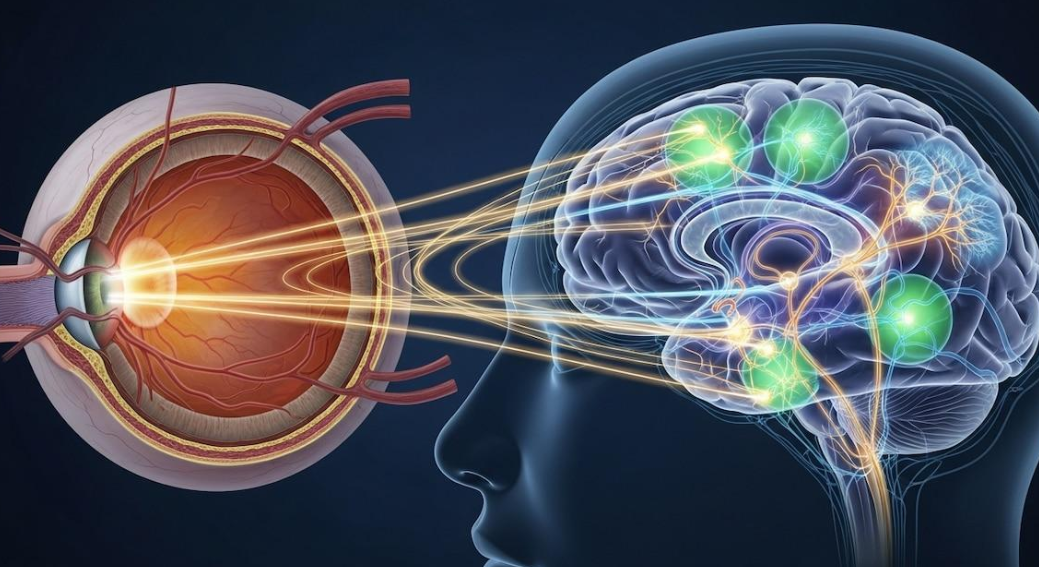
When light strikes an object, certain wavelengths are absorbed while others are reflected. The reflected light enters the eye, where specialised cells in the retina called cones detect different wavelengths and send signals to the brain.
The brain then interprets these signals as colours.
This means that every colourful sunset, painting, or flower exists not only in the world around us but also within the remarkable processing power of the human brain.
Understanding this process helps explain why colours can evoke such powerful emotional responses.
The psychology behind colour
Psychologists have long studied how colours influence human emotions.
Although there is no universal emotional response to every colour, certain patterns appear repeatedly across different studies.
Blue is often associated with calmness, trust, and stability. It is frequently used in offices, hospitals, and corporate branding because it may promote feelings of reliability and focus.
Green is commonly linked with nature, growth, and relaxation. Research suggests that exposure to green environments may reduce stress and improve concentration, helping explain why parks and gardens often feel restorative.
Yellow is generally connected with optimism, creativity, and energy. However, very bright shades may also increase feelings of frustration or overstimulation if used excessively.
Red is perhaps the most psychologically powerful colour. It has been associated with excitement, passion, urgency, and danger. Some studies suggest red can increase heart rate and attract attention more quickly than many other colours, making it popular in warning signs, advertisements, and sporting uniforms.
Black often conveys sophistication, authority, and elegance, while white is frequently associated with cleanliness, simplicity, and peace.
Researchers caution, however, that these associations are not universal. Individual experiences and cultural traditions also shape how people respond to colour.
The role of culture
Colour meanings vary remarkably across the world.
In many Western countries, white is traditionally associated with weddings and new beginnings. In several East Asian cultures, however, white has historically been linked with mourning and funerals.
Similarly, red symbolises luck and celebration in countries such as China, while in other societies it may be associated with warning, danger, or sacrifice.
Purple has long been connected with royalty in Europe because purple dye was once rare and expensive. In other cultures, it carries different historical and religious meanings.
These differences remind researchers that colour psychology cannot be understood without considering culture, history, and personal experience.
A colour’s emotional impact often depends on the stories societies attach to it.
Colours and decision-making
Businesses have long recognised that colour influences consumer behaviour.
Marketing researchers have found that colour affects first impressions, brand recognition, and purchasing decisions.
People often make subconscious judgments about products within seconds of seeing them, with colour playing a significant role in those initial impressions.
This explains why financial institutions frequently use blue to communicate trust, environmental organisations favour green, and luxury brands often rely on black, silver, or gold to suggest exclusivity.
Packaging designers carefully select colours to communicate freshness, excitement, elegance, or quality before consumers even read the label.
Colour, in many cases, becomes a silent form of communication.
Designing spaces for wellbeing
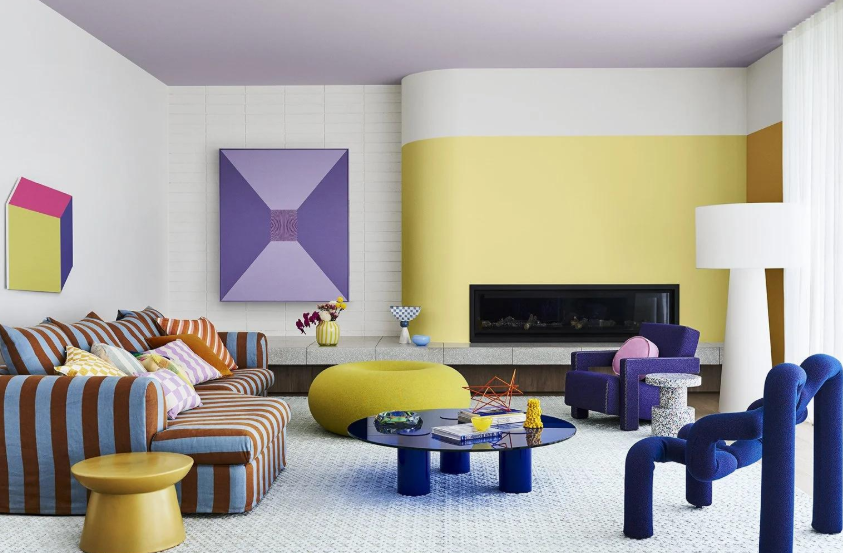
Architects and interior designers also consider the psychological effects of colour when creating spaces.
Healthcare facilities often use soft, natural colours to reduce anxiety among patients.
Schools increasingly incorporate calming colours in learning environments to encourage concentration and reduce stress.
Workplaces use colour strategically to promote creativity, collaboration, or productivity depending on the purpose of each space.
Although colour alone cannot transform an environment, researchers suggest it contributes to the overall experience alongside lighting, acoustics, layout, and natural elements.
Good design recognises that human emotions are shaped by multiple sensory experiences working together.
Can colour improve performance?
Some studies have explored whether colour influences performance.
Research has suggested that exposure to red before certain competitive tasks may increase alertness, while blue environments may encourage creative thinking.
Other experiments have examined whether athletes wearing red uniforms gain psychological advantages because opponents perceive them as more dominant.
However, scientists emphasise that many of these findings remain debated.
The effects of colour are often subtle and influenced by factors such as personality, context, culture, and individual preference.
Colour alone cannot guarantee better performance, but it may contribute to the emotional atmosphere in which people work, learn, and compete.
More than decoration
Colour is often viewed simply as decoration, yet its influence extends far beyond aesthetics.
It shapes the spaces people inhabit, the brands they trust, the clothes they wear, and even the emotions they associate with particular memories.
Artists have understood this for centuries.
Painters carefully choose colours to evoke joy, sorrow, mystery, or hope. Filmmakers use colour grading to influence how audiences experience different scenes. Fashion designers select colour palettes that communicate personality, confidence, elegance, or rebellion.
In each case, colour becomes another language, one that communicates without words.
Seeing the world differently
The science of colour continues to evolve.
Neuroscientists, psychologists, designers, and artists are still discovering new ways in which colour influences perception and behaviour.
Perhaps the greatest lesson is that colour is neither entirely objective nor entirely subjective.
It exists through the interaction of light, the human eye, the brain, personal experience, and cultural meaning.
Every shade carries stories shaped by biology, memory, and society.
The next time you instinctively choose a favourite colour, feel calm in a green park, or notice how a brightly coloured shop catches your attention, remember that you are experiencing one of the most remarkable collaborations between the physical world and the human mind.
Sometimes, the colours around us do much more than brighten our surroundings.
They quietly colour the way we experience life itself.
Sources
- American Psychological Association (APA) – Research on colour perception and psychology
- Frontiers in Psychology – Studies on colour and emotion
- Color Research & Application (Wiley)
- British Psychological Society – Perception and cognition research
- Interaction Design Foundation – Colour psychology in design
- National Institutes of Health (NIH) – Vision and neuroscience research
- Journal of Environmental Psychology
Related News
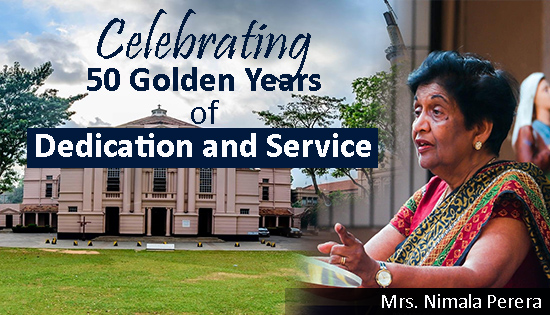
Mrs. Nimala Perera; A Treasure Trove and the Heart of St. Joseph’s College, Colombo 10.
By : Guruji Ravindhiran Maruthai Mrs. Nimala Perera, a renowned educator of the hallowed educational institutionSt. Joseph’s College, Colombo 10, Sri Lanka,celebrates…
Read More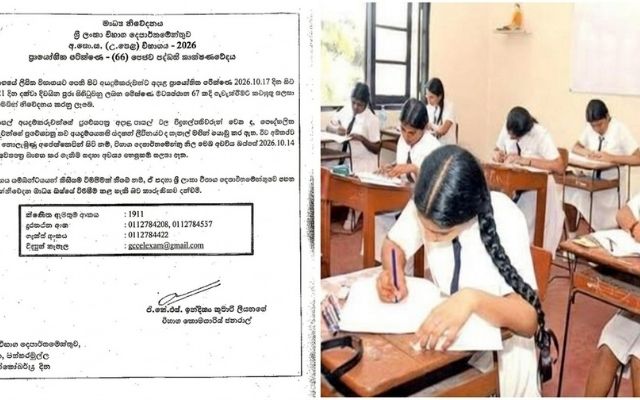
Online admission cards released for 2026 A/L Biosystems Technology Practical Exams
Candidates appearing for the 2026 G.C.E. Advanced Level Biosystems Technology practical examinations can download their admission cards from the official Department of…
Read MoreGovt to renew MoU with Asia Pacific Body to elevate vocational training
The Cabinet of Ministers has approved a proposal to renew the Memorandum of Understanding (MoU) between Sri Lanka’s Tertiary and Vocational Education…
Read MorePM inaugurates ‘Sittam 2026’ Art Exhibition under ‘Kolomtota Abhinandana’ initiative
In parallel with the National Literary and Arts Festival, Prime Minister Dr. Harini Amarasuriya opened the 'Sittam 2026' art exhibition on October…
Read MoreKorean Association pledges medical aid and special needs youth programme for Sri Lanka
The Korean Volunteer Association for Distinguished Service to the State is organizing an 11-day programme for next year aimed at identifying and…
Read MoreCourses
-

The future of higher education tech: why industry needs purpose-built solutions
For years, Institutions and education agencies have been forced to rely on a patchwork of horizontal SaaS solutions – general tools that… -

MBA in Project Management & Artificial Intelligence – Oxford College of Business
In an era defined by rapid technological change, organizations increasingly demand leaders who not only understand traditional project management, but can also… -
Scholarships for 2025 Postgraduate Diploma in Education for SLEAS and SLTES Officers
The Ministry of Education, Higher Education and Vocational Education has announced the granting of full scholarships for the one-year weekend Postgraduate Diploma… -
Shape Your Future with a BSc in Business Management (HRM) at Horizon Campus
Human Resource Management is more than a career. It’s about growing people, building organizational culture, and leading with purpose. Every impactful journey… -
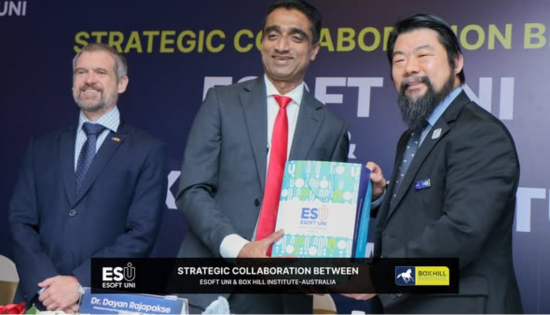
ESOFT UNI Signs MoU with Box Gill Institute, Australia
ESOFt UNI recently hosted a formal Memorandum of Understanding (MoU) signing ceremony with Box Hill Institute, Australia, signaling a significant step in… -

Ace Your University Interview in Sri Lanka: A Guide with Examples
Getting into a Sri Lankan sate or non-state university is not just about the scores. For some universities' programmes, your personality, communication… -
MCW Global Young Leaders Fellowship 2026
MCW Global (Miracle Corners of the World) runs a Young Leaders Fellowship, a year-long leadership program for young people (18–26) around the… -
Enhance Your Arabic Skills with the Intermediate Language Course at BCIS
BCIS invites learners to join its Intermediate Arabic Language Course this November and further develop both linguistic skills and cultural understanding. Designed… -

Achieve Your American Dream : NCHS Spring Intake Webinar
NCHS is paving the way for Sri Lankan students to achieve their American Dream. As Sri Lanka’s leading pathway provider to the… -
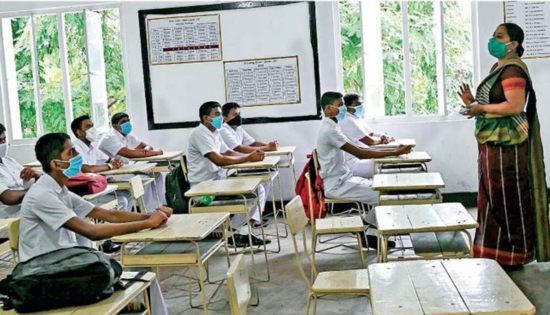
National Diploma in Teaching course : Notice
A Gazette notice has been released recently, concerning the enrollment of aspiring teachers into National Colleges of Education for the three-year pre-service… -
IMC Education Features Largest Student Recruitment for QIU’s October 2025 Intake
Quest International University (QIU), Malaysia recently hosted a pre-departure briefing and high tea at the Shangri-La Hotel in Colombo for its incoming… -
Global University Employability Ranking according to Times Higher Education
Attending college or university offers more than just career preparation, though selecting the right school and program can significantly enhance your job… -

Diploma in Occupational Safety & Health (DOSH) – CIPM
The Chartered Institute of Personnel Management (CIPM) is proud to announce the launch of its Diploma in Occupational Safety & Health (DOSH),… -
Small Grant Scheme for Australia Awards Alumni Sri Lanka
Australia Awards alumni are warmly invited to apply for a grant up to AUD 5,000 to support an innovative project that aim… -
PIM Launches Special Programme for Newly Promoted SriLankan Airlines Managers
The Postgraduate Institute of Management (PIM) has launched a dedicated Newly Promoted Manager Programme designed to strengthen the leadership and management capabilities…
Newswire
-
New prison rules proposed to allow Buddhist monks to wear robes outside prison
ON: October 14, 2026 -
Two ministry cabs broke down, had to use friend’s vehicle: Minister Lal Kantha
ON: October 14, 2026 -
Namal writes to President, seeks second-chance loan scheme in 2027 Budget
ON: October 14, 2026 -

Male-to-male sexual contact a major factor in rising HIV cases in Sri Lanka
ON: October 14, 2026