



Understanding why we delay what matters most
The procrastination paradox
A report is due next week, but instead of getting started, you decide to clean your room. An important email sits unanswered while you scroll through social media. A student postpones studying until the night before an exam, despite promising themselves they would begin early.
Almost everyone has experienced it.
Most people know procrastination is harmful. They know delaying important tasks often leads to unnecessary stress, rushed work, missed opportunities, and feelings of guilt.
So why do people continue to procrastinate?

Contrary to popular belief, psychologists say procrastination is not simply a sign of laziness or poor time management. Research increasingly suggests it is a complex psychological behaviour involving emotions, motivation, stress, and the brain’s reward system.
Understanding why people procrastinate may be the first step towards overcoming it.
More than poor time management
Procrastination is often misunderstood.
People frequently assume that those who procrastinate simply lack discipline or organisational skills. However, studies have shown that many chronic procrastinators understand exactly what they need to do and genuinely want to complete their tasks.
The challenge lies elsewhere.
Psychologists describe procrastination as a problem of emotional regulation rather than time management. Difficult tasks often trigger uncomfortable emotions such as anxiety, self-doubt, boredom, frustration, or fear of failure.
Instead of confronting those feelings, people temporarily escape them by doing something more enjoyable or less demanding.
Checking social media, watching videos, organising a desk, or chatting with friends may provide immediate emotional relief, even though these activities do not solve the original problem.
In this sense, procrastination becomes a way of managing emotions rather than managing time.
The brain prefers immediate rewards
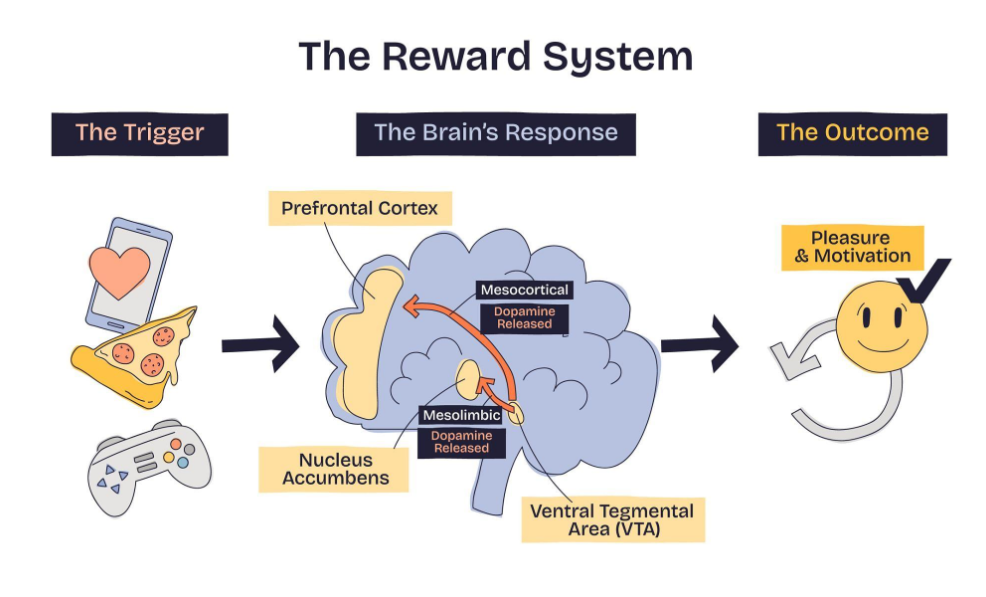
One reason procrastination is so common lies in the way the human brain processes rewards.
Neuroscientists explain that the brain naturally favours activities offering immediate satisfaction over those with delayed benefits.
Completing a difficult assignment may provide rewards weeks or months later in the form of good grades, career advancement, or personal achievement.
Watching a short video or scrolling through social media, however, delivers instant entertainment and a quick release of dopamine, a neurotransmitter associated with pleasure and motivation.
This tendency, known as present bias or temporal discounting, causes people to value immediate rewards more highly than future ones.
In today’s digital world, where smartphones provide endless streams of instant gratification, resisting these distractions has become increasingly difficult.
Researchers argue that modern technology does not create procrastination, but it certainly provides more opportunities for it.
When perfection becomes the problem
Surprisingly, many procrastinators are perfectionists.
People who set unrealistically high standards for themselves often delay starting tasks because they fear producing imperfect work.
Some become overwhelmed by the expectation that everything must be flawless.
Others worry about criticism, failure, or disappointing others.
As a result, avoiding the task feels psychologically safer than risking an outcome they perceive as inadequate.
Ironically, this avoidance often produces exactly what they hoped to avoid—last-minute work, increased stress, and lower-quality results.
Psychologists sometimes describe perfectionism as “the hidden engine” behind chronic procrastination.
Stress creates a vicious cycle

Procrastination and stress often reinforce one another.
Delaying important work provides temporary relief, but as deadlines approach, anxiety usually intensifies.
This increased stress makes concentrating even more difficult, encouraging further avoidance.
The result is a cycle that many people know all too well.
Task avoidance leads to guilt.
Guilt creates stress.
Stress reduces motivation.
Reduced motivation leads to more procrastination.
Breaking this cycle requires addressing the emotional causes of procrastination rather than simply working longer hours.
Does procrastination affect everyone?
Research suggests that procrastination is widespread across all age groups and professions.
Students frequently postpone studying or assignments. Employees delay reports and difficult conversations. Entrepreneurs put off launching projects. Even experienced professionals admit to procrastinating on tasks they find stressful or emotionally demanding.
Studies estimate that around one in five adults experiences chronic procrastination severe enough to interfere with daily life.
The behaviour appears particularly common during periods of uncertainty, high workload, or emotional exhaustion.
This has led psychologists to explore links between procrastination, burnout, anxiety, and mental wellbeing.
Small steps, big progress
Fortunately, researchers have identified practical strategies that appear to reduce procrastination.
One of the most effective approaches involves making large tasks feel smaller.
Instead of telling yourself to “write a report,” psychologists recommend committing to writing a single paragraph or even working for just five minutes.
Beginning is often the hardest part.
Once people start, momentum frequently makes continuing much easier.
Breaking projects into smaller, manageable steps also reduces feelings of overwhelm.
Removing distractions can make a significant difference as well. Silencing phone notifications, creating dedicated workspaces, and scheduling focused periods of uninterrupted work reduce opportunities for impulsive task-switching.
Psychologists also encourage practising self-compassion.
Many procrastinators respond to delays with harsh self-criticism, which often increases stress and makes procrastination worse.
Research suggests that treating setbacks as opportunities to restart, rather than evidence of personal failure, can improve long-term motivation.
A challenge for the digital age
Modern life presents countless distractions competing for attention.
Streaming platforms, social media, online shopping, games, and constant notifications make delaying difficult work easier than ever before.
At the same time, workplaces and educational institutions increasingly demand creativity, deep concentration, and sustained focus.
Learning to manage procrastination has therefore become more than a productivity issue. It is increasingly recognised as an important life skill.

Progress over perfection
Perhaps the biggest lesson from psychological research is that procrastination is rarely about being lazy.
More often, it reflects the brain’s natural tendency to seek comfort, avoid discomfort, and prioritise immediate rewards over long-term goals.
Recognising this allows people to approach procrastination with greater understanding rather than self-criticism.
After all, the goal is not to become perfectly productive.
It is to take the first step.
Because more often than not, progress begins long before motivation does.
Sources
- American Psychological Association (APA) – Research on procrastination, motivation, and emotional regulation
- National Institutes of Health (NIH) – Studies on procrastination and mental health
- Harvard Business Review – Articles on procrastination, productivity, and behavioural psychology
- Journal of Behavioral Decision Making
- Personality and Individual Differences
- Dr. Tim Pychyl, Carleton University – Research on procrastination
- Dr. Fuschia Sirois, Durham University – Research on procrastination and wellbeing
Related News

Mrs. Nimala Perera; A Treasure Trove and the Heart of St. Joseph’s College, Colombo 10.
By : Guruji Ravindhiran Maruthai Mrs. Nimala Perera, a renowned educator of the hallowed educational institutionSt. Joseph’s College, Colombo 10, Sri Lanka,celebrates…
Read More
Online admission cards released for 2026 A/L Biosystems Technology Practical Exams
Candidates appearing for the 2026 G.C.E. Advanced Level Biosystems Technology practical examinations can download their admission cards from the official Department of…
Read MoreGovt to renew MoU with Asia Pacific Body to elevate vocational training
The Cabinet of Ministers has approved a proposal to renew the Memorandum of Understanding (MoU) between Sri Lanka’s Tertiary and Vocational Education…
Read MorePM inaugurates ‘Sittam 2026’ Art Exhibition under ‘Kolomtota Abhinandana’ initiative
In parallel with the National Literary and Arts Festival, Prime Minister Dr. Harini Amarasuriya opened the 'Sittam 2026' art exhibition on October…
Read MoreKorean Association pledges medical aid and special needs youth programme for Sri Lanka
The Korean Volunteer Association for Distinguished Service to the State is organizing an 11-day programme for next year aimed at identifying and…
Read MoreCourses
-

The future of higher education tech: why industry needs purpose-built solutions
For years, Institutions and education agencies have been forced to rely on a patchwork of horizontal SaaS solutions – general tools that… -

MBA in Project Management & Artificial Intelligence – Oxford College of Business
In an era defined by rapid technological change, organizations increasingly demand leaders who not only understand traditional project management, but can also… -

Scholarships for 2025 Postgraduate Diploma in Education for SLEAS and SLTES Officers
The Ministry of Education, Higher Education and Vocational Education has announced the granting of full scholarships for the one-year weekend Postgraduate Diploma… -
Shape Your Future with a BSc in Business Management (HRM) at Horizon Campus
Human Resource Management is more than a career. It’s about growing people, building organizational culture, and leading with purpose. Every impactful journey… -
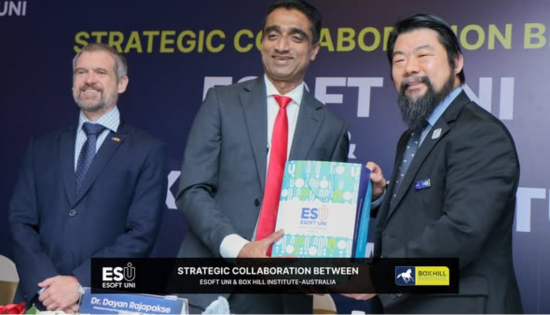
ESOFT UNI Signs MoU with Box Gill Institute, Australia
ESOFt UNI recently hosted a formal Memorandum of Understanding (MoU) signing ceremony with Box Hill Institute, Australia, signaling a significant step in… -

Ace Your University Interview in Sri Lanka: A Guide with Examples
Getting into a Sri Lankan sate or non-state university is not just about the scores. For some universities' programmes, your personality, communication… -
MCW Global Young Leaders Fellowship 2026
MCW Global (Miracle Corners of the World) runs a Young Leaders Fellowship, a year-long leadership program for young people (18–26) around the… -
Enhance Your Arabic Skills with the Intermediate Language Course at BCIS
BCIS invites learners to join its Intermediate Arabic Language Course this November and further develop both linguistic skills and cultural understanding. Designed… -

Achieve Your American Dream : NCHS Spring Intake Webinar
NCHS is paving the way for Sri Lankan students to achieve their American Dream. As Sri Lanka’s leading pathway provider to the… -
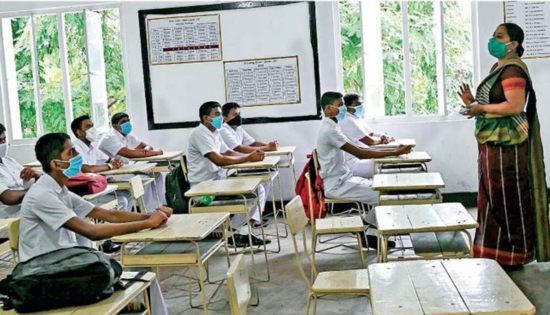
National Diploma in Teaching course : Notice
A Gazette notice has been released recently, concerning the enrollment of aspiring teachers into National Colleges of Education for the three-year pre-service… -
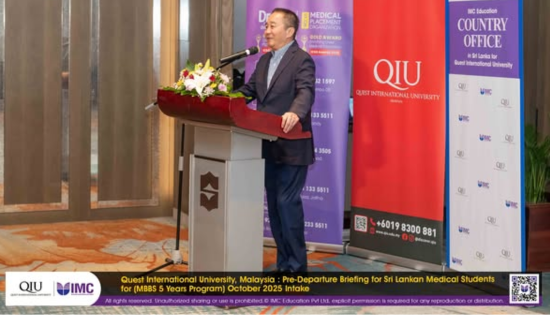
IMC Education Features Largest Student Recruitment for QIU’s October 2025 Intake
Quest International University (QIU), Malaysia recently hosted a pre-departure briefing and high tea at the Shangri-La Hotel in Colombo for its incoming… -

Global University Employability Ranking according to Times Higher Education
Attending college or university offers more than just career preparation, though selecting the right school and program can significantly enhance your job… -

Diploma in Occupational Safety & Health (DOSH) – CIPM
The Chartered Institute of Personnel Management (CIPM) is proud to announce the launch of its Diploma in Occupational Safety & Health (DOSH),… -
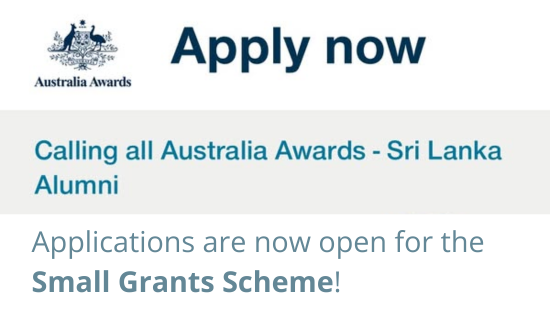
Small Grant Scheme for Australia Awards Alumni Sri Lanka
Australia Awards alumni are warmly invited to apply for a grant up to AUD 5,000 to support an innovative project that aim… -
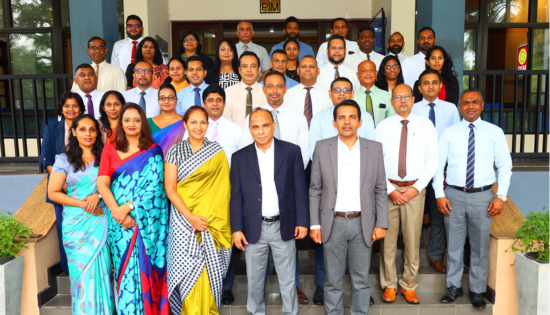
PIM Launches Special Programme for Newly Promoted SriLankan Airlines Managers
The Postgraduate Institute of Management (PIM) has launched a dedicated Newly Promoted Manager Programme designed to strengthen the leadership and management capabilities…
Newswire
-
St. Joseph’s College Honours Mrs Nimala Perera’s Five Decades of Service
ON: October 14, 2026 -
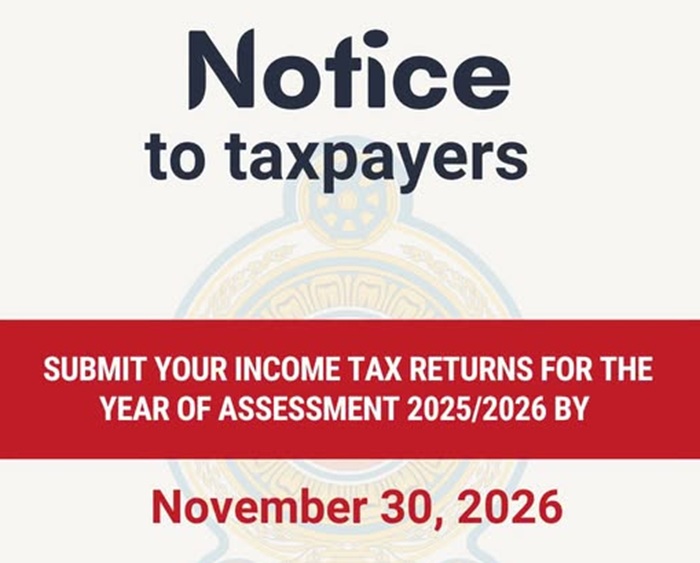
Taxpayers reminded to submit income tax returns by November 30
ON: October 14, 2026 -
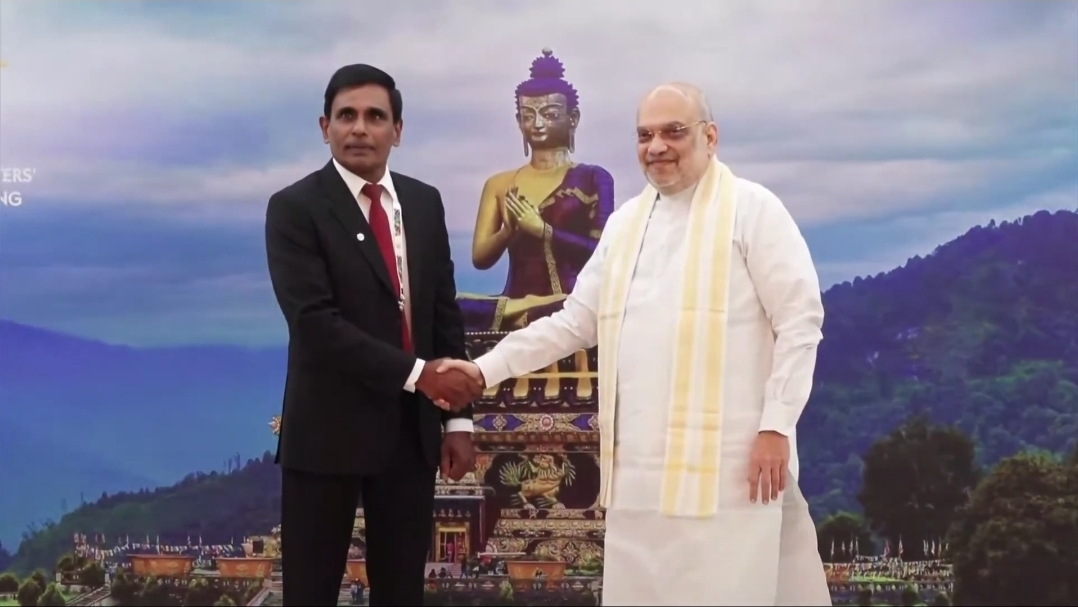
Sri Lanka joins first BIMSTEC Home Ministers’ Meeting in India
ON: October 14, 2026 -
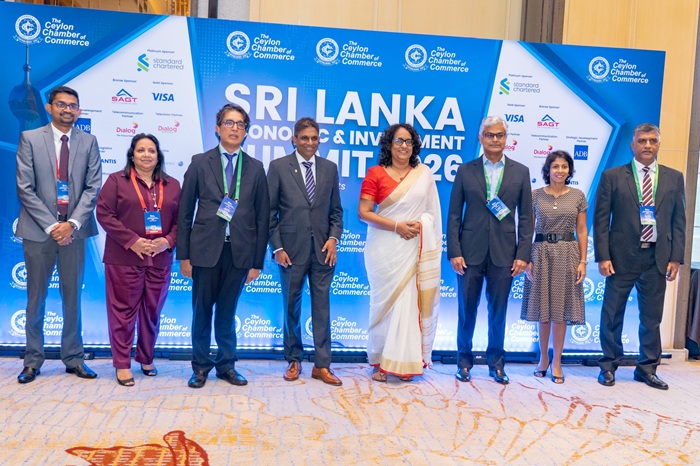
PM hails Sri Lanka’s $9 Bn export performance in first half of 2026
ON: October 14, 2026 -
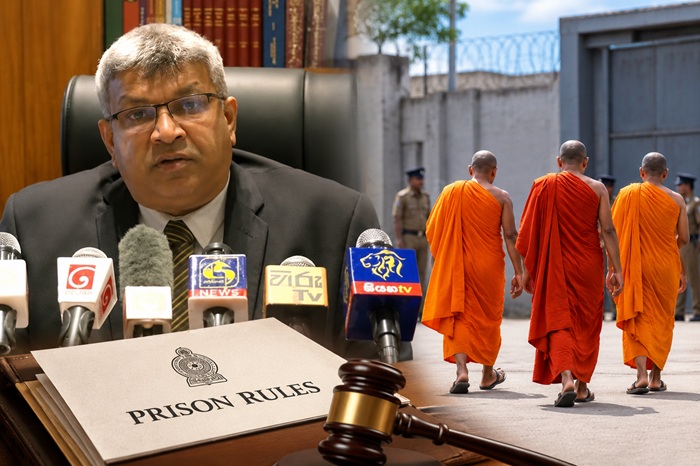
New prison rules proposed to allow Buddhist monks to wear robes outside prison
ON: October 14, 2026