


When the brain plays tricks: Understanding the mystery of déjà vu
You walk into a room you’ve never visited before, yet something feels strangely familiar.
Perhaps it is the arrangement of the furniture, the way sunlight enters through a window, or a brief conversation unfolding before you. For a few seconds, you feel certain that you have experienced the exact same moment before.
Then the feeling disappears.
This puzzling sensation is known as déjà vu, a French phrase meaning “already seen.” It is one of the most fascinating quirks of the human brain, affecting millions of people around the world. Despite decades of scientific research, experts still do not fully understand why it happens.
Rather than being a sign of psychic ability or a glimpse into a past life, researchers believe déjà vu offers valuable clues about how the brain processes memories, recognises patterns, and constructs our experience of reality.

A surprisingly common experience
Déjà vu is far more common than many people realise.
Studies estimate that between 60 and 80 percent of healthy adults experience déjà vu at least once in their lives. For some, it occurs only once or twice, while others may experience it several times each year.
The sensation usually lasts only a few seconds. During that brief moment, people often feel convinced they have lived through the exact situation before, even though they know this is impossible.
Interestingly, researchers have found that déjà vu is reported more frequently by younger people, particularly those between their late teens and early thirties. The experience tends to become less common with age.
How does the brain create memories?
To understand déjà vu, scientists first look at how memories are formed.
The human brain is constantly processing enormous amounts of information. Every sight, sound, smell, and conversation is analysed and sorted. Some experiences are stored as long-term memories, while others are quickly forgotten.
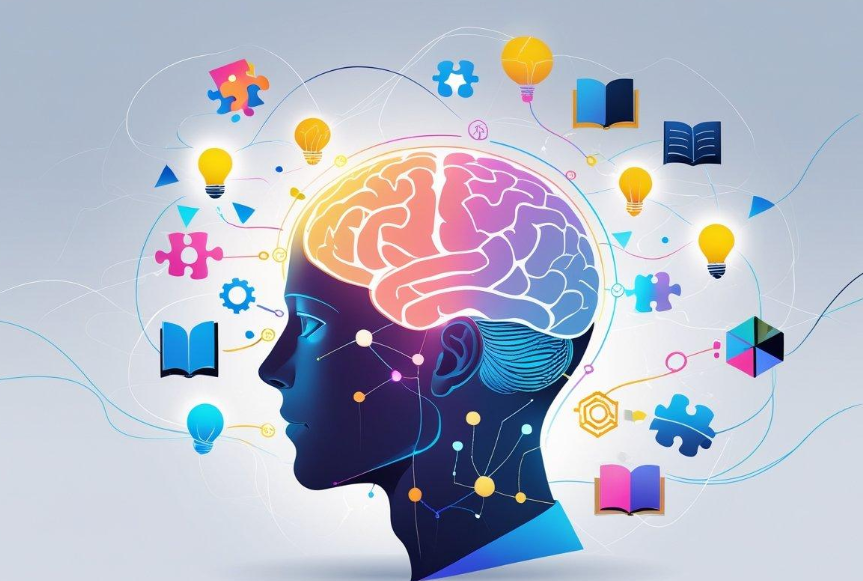
Several parts of the brain work together during this process. One of the most important is the hippocampus, a structure deep within the brain that plays a crucial role in forming and retrieving memories. Nearby regions within the temporal lobe help determine whether an experience is genuinely familiar or entirely new.
Most of the time, this system works remarkably well.
Occasionally, however, researchers believe something briefly goes wrong.
A case of mistaken familiarity
One of the leading scientific explanations suggests that déjà vu occurs because the brain mistakenly labels a new experience as familiar.
Imagine reading a completely new book while someone quietly tells you that you have read it before. For a moment, you might begin searching your memory for something that does not actually exist.
Some neuroscientists believe the brain occasionally makes a similar mistake.
According to this theory, an unfamiliar situation accidentally activates the brain’s “familiarity” system before detailed memory processing takes place. As a result, people experience the powerful feeling that they have encountered the moment before, even though no such memory exists.
The sensation is convincing because the brain’s recognition system briefly becomes out of sync with its memory system.
Pattern recognition and memory
Another theory focuses on the brain’s remarkable ability to recognise patterns.
The brain constantly compares new experiences with thousands of stored memories.
A room, a landscape, or even a person’s facial expression may resemble fragments of previous experiences without being identical.
For example, you might enter a café whose lighting resembles your childhood classroom or hear a voice similar to someone you once knew. Although you cannot consciously identify the similarity, your brain may recognise familiar elements and create the impression that the entire situation has occurred before.
Researchers believe this automatic pattern matching helps humans navigate the world efficiently. Déjà vu may simply be a side effect of this highly sophisticated recognition system.
What neuroscience has discovered
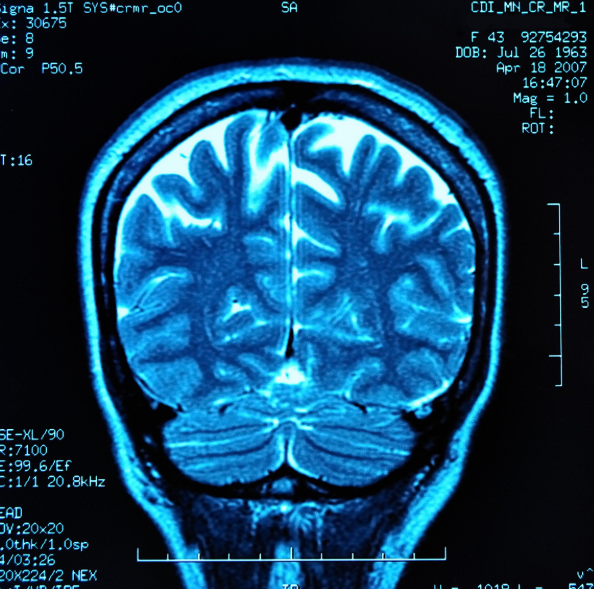
Advances in brain imaging have provided further clues.
Scientists have observed that déjà vu appears to involve areas of the brain responsible for memory recognition rather than memory storage itself.
Research has also shown that people with certain forms of epilepsy—particularly temporal lobe epilepsy—sometimes experience intense episodes of déjà vu immediately before a seizure. This has helped neuroscientists identify brain regions involved in producing the sensation.
However, it is important to distinguish ordinary déjà vu from medical conditions.
For most healthy people, occasional déjà vu is considered a normal cognitive experience and is not a cause for concern. Frequent episodes accompanied by confusion, loss of awareness, or other neurological symptoms should be evaluated by a medical professional.
Why do younger people experience it more often
One of the most interesting findings in déjà vu research is its relationship with age.
Studies consistently show that younger adults report déjà vu far more frequently than older adults.
Scientists have proposed several explanations.
One possibility is that younger brains are more actively forming new memories and exploring unfamiliar environments, increasing opportunities for memory-processing errors.
Another theory suggests that brain activity involved in recognising familiarity becomes less sensitive with age, making déjà vu less likely to occur.
Lifestyle may also play a role. Younger people often travel more, meet new individuals, and experience rapidly changing environments, giving the brain more opportunities to compare new experiences with existing memories.
Although researchers have not reached a definitive conclusion, the age pattern remains one of the most consistent findings in déjà vu studies.
More mystery than certainty
Despite decades of research, déjà vu continues to puzzle scientists.
No single explanation accounts for every experience, and researchers acknowledge that several different mechanisms may contribute to the phenomenon.
Some episodes may result from memory-processing errors, while others may arise from pattern recognition or brief changes in brain activity.
What scientists largely agree on, however, is that déjà vu offers valuable insight into how the human brain distinguishes between the familiar and the unfamiliar.
A reminder of the brain’s complexity
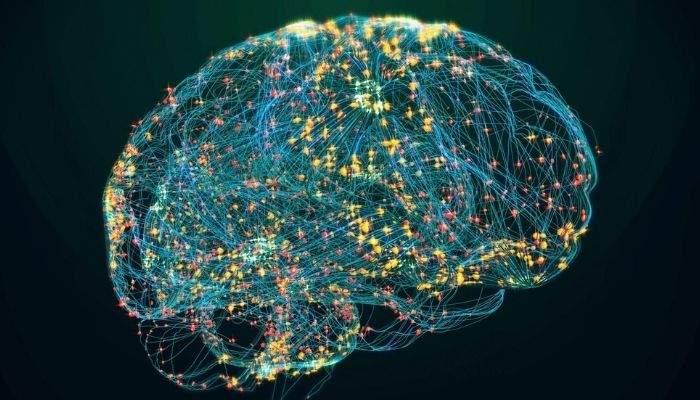
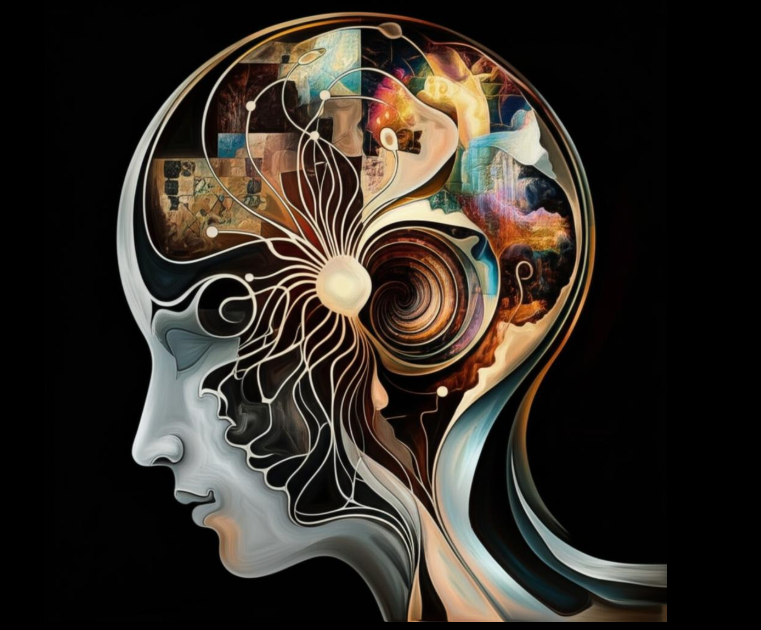
The human brain contains approximately 86 billion neurons connected through trillions of synapses, making it one of the most complex structures known to science.
Every second, it performs countless operations without our awareness—processing sensory information, forming memories, recognising faces, interpreting language, and helping us navigate the world.
Déjà vu serves as a reminder that even these extraordinary systems are not perfect.
For a few brief seconds, the brain blurs the boundary between memory and the present, creating one of the most intriguing experiences in human consciousness.
The feeling may vanish almost as quickly as it appears, but it continues to leave scientists with one important question:
How many other mysteries of the human mind are still waiting to be understood?
Sources
- National Institutes of Health (NIH) – Research on memory and brain function
- American Psychological Association (APA) – Psychology of memory and cognition
- Cleveland Clinic – Understanding déjà vu
- Encyclopaedia Britannica – Déjà vu
- Scientific American – Neuroscience of memory and familiarity
- Journal of Memory and Language
- Nature Reviews Neuroscience
Related News

Mrs. Nimala Perera; A Treasure Trove and the Heart of St. Joseph’s College, Colombo 10.
By : Guruji Ravindhiran Maruthai Mrs. Nimala Perera, a renowned educator of the hallowed educational institutionSt. Joseph’s College, Colombo 10, Sri Lanka,celebrates…
Read More
Online admission cards released for 2026 A/L Biosystems Technology Practical Exams
Candidates appearing for the 2026 G.C.E. Advanced Level Biosystems Technology practical examinations can download their admission cards from the official Department of…
Read MoreGovt to renew MoU with Asia Pacific Body to elevate vocational training
The Cabinet of Ministers has approved a proposal to renew the Memorandum of Understanding (MoU) between Sri Lanka’s Tertiary and Vocational Education…
Read MorePM inaugurates ‘Sittam 2026’ Art Exhibition under ‘Kolomtota Abhinandana’ initiative
In parallel with the National Literary and Arts Festival, Prime Minister Dr. Harini Amarasuriya opened the 'Sittam 2026' art exhibition on October…
Read MoreKorean Association pledges medical aid and special needs youth programme for Sri Lanka
The Korean Volunteer Association for Distinguished Service to the State is organizing an 11-day programme for next year aimed at identifying and…
Read MoreCourses
-

The future of higher education tech: why industry needs purpose-built solutions
For years, Institutions and education agencies have been forced to rely on a patchwork of horizontal SaaS solutions – general tools that… -

MBA in Project Management & Artificial Intelligence – Oxford College of Business
In an era defined by rapid technological change, organizations increasingly demand leaders who not only understand traditional project management, but can also… -
Scholarships for 2025 Postgraduate Diploma in Education for SLEAS and SLTES Officers
The Ministry of Education, Higher Education and Vocational Education has announced the granting of full scholarships for the one-year weekend Postgraduate Diploma… -
Shape Your Future with a BSc in Business Management (HRM) at Horizon Campus
Human Resource Management is more than a career. It’s about growing people, building organizational culture, and leading with purpose. Every impactful journey… -

ESOFT UNI Signs MoU with Box Gill Institute, Australia
ESOFt UNI recently hosted a formal Memorandum of Understanding (MoU) signing ceremony with Box Hill Institute, Australia, signaling a significant step in… -

Ace Your University Interview in Sri Lanka: A Guide with Examples
Getting into a Sri Lankan sate or non-state university is not just about the scores. For some universities' programmes, your personality, communication… -
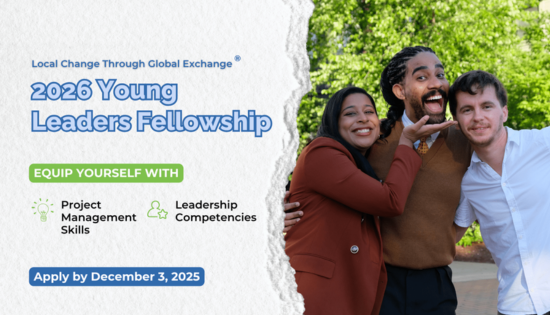
MCW Global Young Leaders Fellowship 2026
MCW Global (Miracle Corners of the World) runs a Young Leaders Fellowship, a year-long leadership program for young people (18–26) around the… -
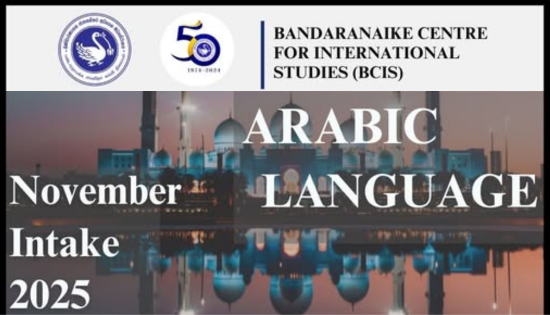
Enhance Your Arabic Skills with the Intermediate Language Course at BCIS
BCIS invites learners to join its Intermediate Arabic Language Course this November and further develop both linguistic skills and cultural understanding. Designed… -

Achieve Your American Dream : NCHS Spring Intake Webinar
NCHS is paving the way for Sri Lankan students to achieve their American Dream. As Sri Lanka’s leading pathway provider to the… -
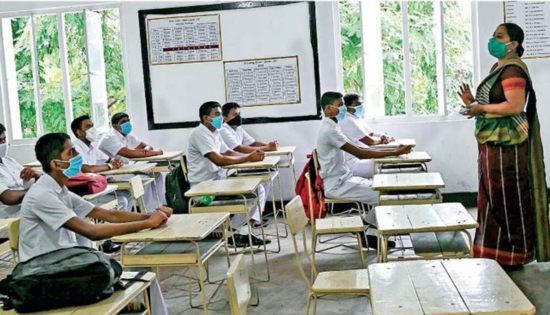
National Diploma in Teaching course : Notice
A Gazette notice has been released recently, concerning the enrollment of aspiring teachers into National Colleges of Education for the three-year pre-service… -
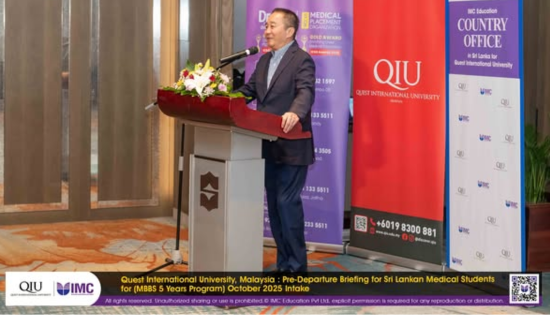
IMC Education Features Largest Student Recruitment for QIU’s October 2025 Intake
Quest International University (QIU), Malaysia recently hosted a pre-departure briefing and high tea at the Shangri-La Hotel in Colombo for its incoming… -
Global University Employability Ranking according to Times Higher Education
Attending college or university offers more than just career preparation, though selecting the right school and program can significantly enhance your job… -

Diploma in Occupational Safety & Health (DOSH) – CIPM
The Chartered Institute of Personnel Management (CIPM) is proud to announce the launch of its Diploma in Occupational Safety & Health (DOSH),… -

Small Grant Scheme for Australia Awards Alumni Sri Lanka
Australia Awards alumni are warmly invited to apply for a grant up to AUD 5,000 to support an innovative project that aim… -

PIM Launches Special Programme for Newly Promoted SriLankan Airlines Managers
The Postgraduate Institute of Management (PIM) has launched a dedicated Newly Promoted Manager Programme designed to strengthen the leadership and management capabilities…
Newswire
-
Sri Lanka Customs reaches 2026 revenue target of Rs. 2,208 Bn by Oct.13
ON: October 14, 2026 -
St. Joseph’s College Honours Mrs Nimala Perera’s Five Decades of Service
ON: October 14, 2026 -
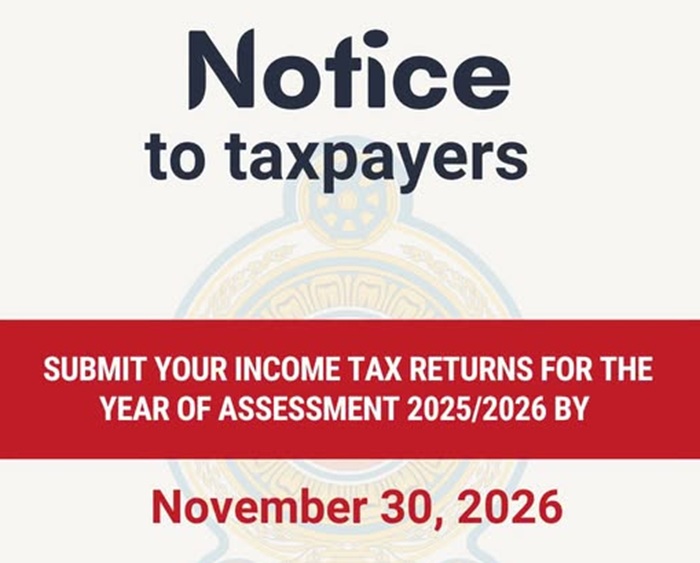
Taxpayers reminded to submit income tax returns by November 30
ON: October 14, 2026 -

Sri Lanka joins first BIMSTEC Home Ministers’ Meeting in India
ON: October 14, 2026 -

PM hails Sri Lanka’s $9 Bn export performance in first half of 2026
ON: October 14, 2026