


Select Helpful Teachers and Good Classes After O/Ls – Build the Right A/L Foundation

Once students complete their GCE Ordinary Level (O/L) Examination in Sri Lanka, the next step is not only choosing the A/L stream, but also selecting the right teachers and tuition classes. These decisions have a direct impact on A/L examination results, Z-score, and future university admission in Sri Lanka. Many students underestimate this stage, but the right guidance during A/Ls can make the difference between entering a state university, repeating exams, or missing opportunities entirely.
Selecting a good school and a strong set of subject teachers is vital for academic growth. When applying for a new school after O/Ls, students are shortlisted based on O/L results, extracurricular achievements, conduct reports, and school interviews. Gaining admission to reputed schools such as Royal College, Visakha Vidyalaya, Ananda College, Musaeus College, St. Peter’s College, Mahanama College, Dharmaraja College, Devi Balika Vidyalaya, or Southlands College can provide a powerful academic environment. However, success is not limited to students at top-ranked schools the quality of teachers and tuition classes plays a major role in A/L achievement across the country.
Because of the competitive nature of the A/L exam, most students depend on external tuition support. Tuition classes in Sri Lanka are conducted mainly in two forms group classes and mass classes. Group classes usually include 10–30 students, allowing more interaction, personal attention, and question discussions. This setting is popular among students who prefer structured learning and proper teacher-student communication. Meanwhile, mass classes fill large halls with 300–800 students or more. These classes, especially popular in Colombo, Gampaha, Kandy, Kurunegala, and Galle, are favored by students who want fast syllabus coverage, proven exam strategies, and access to model papers, theory notes, and revision camps.
Students in the Commerce and Arts streams usually begin their A/L tuition schedule around March, April, or May, once schools finalize subject selections. Popular tuition subjects include Accounting, Business Studies, Economics, Sinhala, Politics, and Logic. On the other hand, students in the Science stream begin classes much earlier, often in December or January right after O/L exams. That is because subjects like Combined Mathematics, Physics, Chemistry, and Biology require a strong foundation and consistent practice. Most leading science-stream teachers begin new batches immediately after O/Ls to give students a head start.
Parents must understand that choosing random classes or following friends blindly can be a serious mistake. Every student learns differently, so it’s important to evaluate teachers based on teaching method, clarity, speed of syllabus coverage, revision style, and past exam results. Students should attend trial classes before finalizing tuition choices. It is also important to maintain balance too many classes will cause stress, lack of sleep, and low productivity. The smartest students create a timetable that includes school, tuition, self-study time, and past paper practice.
In today’s competitive education environment, A/L preparation is a long journey that requires commitment and discipline. With the right teachers, proper tuition guidance, and supportive parents, every student can aim for high results and strong university eligibility. Parents must encourage their children, not pressure them. Motivation, emotional support, and a positive environment make a real difference in performance. Remember, the right mentorship builds success choose teachers who inspire learning, encourage discipline, and teach beyond the textbook.
Related News

PM outlines new five-year strategy to revamp IT education infrastructure
Prime Minister Harini Amarasuriya told Parliament that the Government has proposed a five-year project to upgrade computer facilities at secondary schools and…
Read MoreMeasures underway to resolve teacher salary anomalies: PM
Appropriate measures are currently being taken through the Public Service Commission to resolve the salary anomalies of teachers and principals, Prime Minister…
Read MoreEducation ministry allocated Rs. 328 bn in Appropriation Bill 2027
The Ministry of Education, Higher Education and Vocational Education has been allocated Rs. 328 billion under Appropriation Bill 2027, which has been…
Read MoreNew subject on entrepreneurship and financial literacy for Grade 6 from 2027: PM
Prime Minister Dr. Harini Amarasuriya has announced a new subject focusing on entrepreneurship and financial literacy will be introduced for Grade 6…
Read More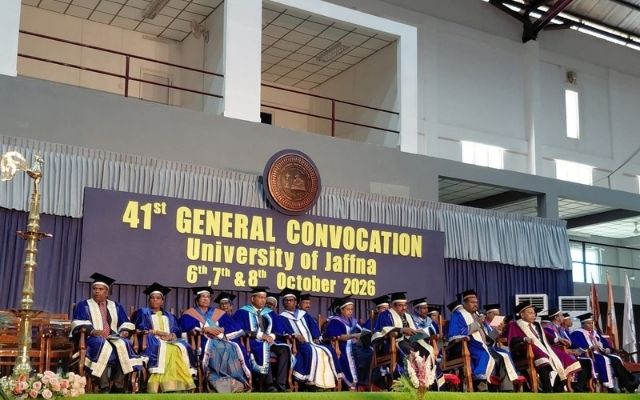
University of Jaffna commences 41st General Convocation across nine sessions
The 41st General Convocation of the University of Jaffna commenced grandly at the University Indoor Stadium on October 6 led by the…
Read MoreCourses
-

The future of higher education tech: why industry needs purpose-built solutions
For years, Institutions and education agencies have been forced to rely on a patchwork of horizontal SaaS solutions – general tools that… -

MBA in Project Management & Artificial Intelligence – Oxford College of Business
In an era defined by rapid technological change, organizations increasingly demand leaders who not only understand traditional project management, but can also… -

Scholarships for 2025 Postgraduate Diploma in Education for SLEAS and SLTES Officers
The Ministry of Education, Higher Education and Vocational Education has announced the granting of full scholarships for the one-year weekend Postgraduate Diploma… -

Shape Your Future with a BSc in Business Management (HRM) at Horizon Campus
Human Resource Management is more than a career. It’s about growing people, building organizational culture, and leading with purpose. Every impactful journey… -
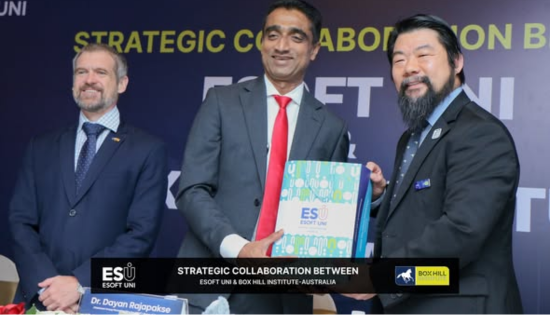
ESOFT UNI Signs MoU with Box Gill Institute, Australia
ESOFt UNI recently hosted a formal Memorandum of Understanding (MoU) signing ceremony with Box Hill Institute, Australia, signaling a significant step in… -

Ace Your University Interview in Sri Lanka: A Guide with Examples
Getting into a Sri Lankan sate or non-state university is not just about the scores. For some universities' programmes, your personality, communication… -
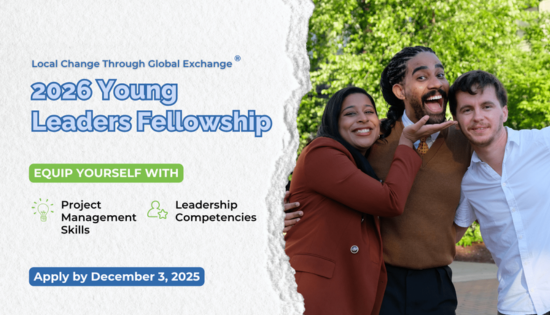
MCW Global Young Leaders Fellowship 2026
MCW Global (Miracle Corners of the World) runs a Young Leaders Fellowship, a year-long leadership program for young people (18–26) around the… -
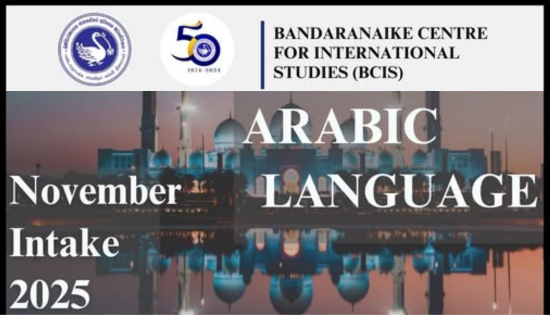
Enhance Your Arabic Skills with the Intermediate Language Course at BCIS
BCIS invites learners to join its Intermediate Arabic Language Course this November and further develop both linguistic skills and cultural understanding. Designed… -

Achieve Your American Dream : NCHS Spring Intake Webinar
NCHS is paving the way for Sri Lankan students to achieve their American Dream. As Sri Lanka’s leading pathway provider to the… -
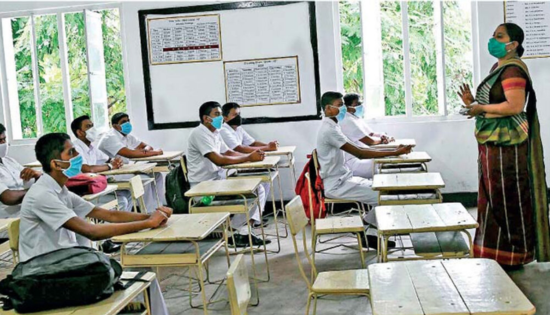
National Diploma in Teaching course : Notice
A Gazette notice has been released recently, concerning the enrollment of aspiring teachers into National Colleges of Education for the three-year pre-service… -
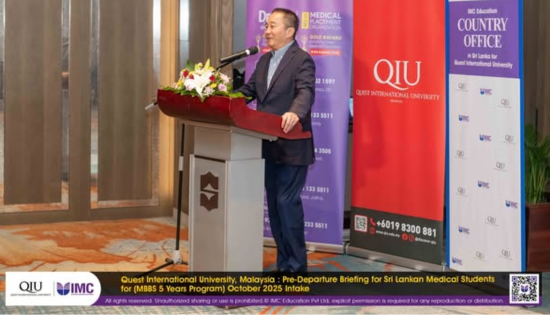
IMC Education Features Largest Student Recruitment for QIU’s October 2025 Intake
Quest International University (QIU), Malaysia recently hosted a pre-departure briefing and high tea at the Shangri-La Hotel in Colombo for its incoming… -

Global University Employability Ranking according to Times Higher Education
Attending college or university offers more than just career preparation, though selecting the right school and program can significantly enhance your job… -

Diploma in Occupational Safety & Health (DOSH) – CIPM
The Chartered Institute of Personnel Management (CIPM) is proud to announce the launch of its Diploma in Occupational Safety & Health (DOSH),… -
Small Grant Scheme for Australia Awards Alumni Sri Lanka
Australia Awards alumni are warmly invited to apply for a grant up to AUD 5,000 to support an innovative project that aim… -
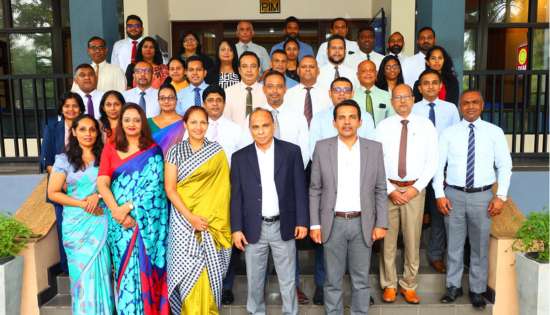
PIM Launches Special Programme for Newly Promoted SriLankan Airlines Managers
The Postgraduate Institute of Management (PIM) has launched a dedicated Newly Promoted Manager Programme designed to strengthen the leadership and management capabilities…
Newswire
-

One dead following clash between two groups near Colombo Port City
ON: October 10, 2026 -

New Unit to Identify Smoke-Emitting Vehicles
ON: October 10, 2026 -

SriLankan Airlines suspends Riyadh flights until Oct. 18
ON: October 10, 2026 -
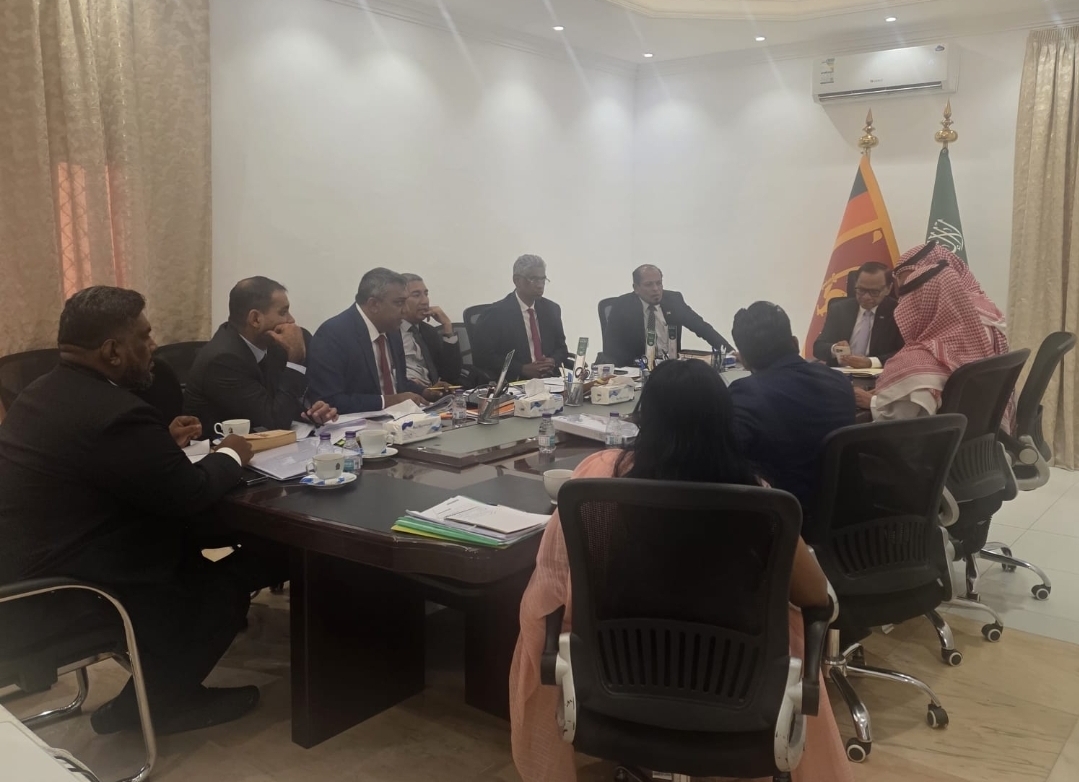
Anojan Sivarasa case: Legal team finalizes appeal to Saudi Supreme Court
ON: October 10, 2026 -

Sanath Jayasuriya joins calls for Saudi Arabia to pardon Sri Lankan Sivarasa Anojan
ON: October 10, 2026