





The architecture of libraries: How buildings inspire learning
For centuries, libraries have been more than places to store books. They have served as gateways to knowledge, centres of innovation, and symbols of a society’s commitment to education. Whether it is the grand reading rooms of historic libraries or the light-filled interiors of modern learning centres, these spaces have a remarkable ability to influence how people think, feel, and learn.
Step into a well-designed library and the atmosphere is immediately noticeable. Conversations become quieter, distractions seem to fade, and concentration comes more naturally. While books and digital resources are at the heart of every library, architects, psychologists, and educators argue that the building itself plays an equally important role. The design of a library can shape curiosity, improve focus, encourage collaboration, and even influence how long people choose to stay.
Modern research suggests that architecture is not simply about creating beautiful buildings. It is also about creating environments that support human behaviour. Few places demonstrate this more clearly than libraries.
More than shelves and books
The earliest libraries were created to preserve knowledge. Ancient collections such as the Library of Alexandria housed scrolls that represented the intellectual achievements of entire civilizations. Later, monastic libraries protected manuscripts during periods of political instability, while university libraries became centres of scholarship and scientific discovery.
Although the role of libraries has evolved dramatically, their purpose remains the same. They provide access to information and create spaces where learning can flourish.
Today’s libraries combine printed collections with digital technology, collaborative workspaces, multimedia laboratories, exhibition areas, and community programmes. Their architecture reflects this expanded mission.
The psychology of space
Environmental psychologists have long studied how physical surroundings affect the human mind. Their research shows that the design of a building influences attention, memory, creativity, stress levels, and emotional wellbeing.
Libraries benefit from these findings by creating spaces that support different styles of learning.
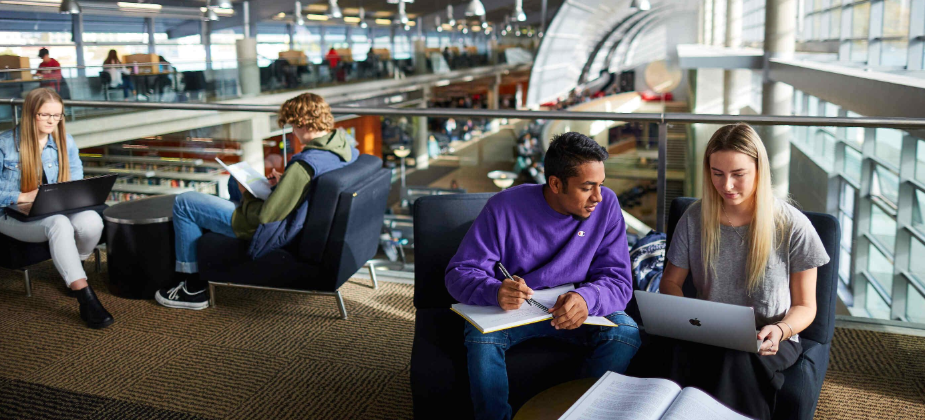
Quiet reading areas help students concentrate on demanding tasks. Open collaborative zones encourage discussion and teamwork. Comfortable seating invites longer periods of study, while carefully planned layouts reduce unnecessary distractions.
The result is an environment that gently guides behaviour without requiring strict rules.
The importance of natural light
One of the defining features of many successful libraries is the generous use of natural light.
Large windows, skylights, and open courtyards allow daylight to reach reading spaces throughout the day. Numerous studies have linked exposure to natural light with improved concentration, better mood, healthier sleep patterns, and increased productivity.
Architects often position reading areas near windows where users can benefit from both daylight and occasional views of trees, gardens, or cityscapes.
Natural light also reduces dependence on artificial lighting, making libraries more energy efficient while creating a warmer and more welcoming atmosphere.
Silence by design
Although libraries are often associated with silence, maintaining a peaceful environment depends on much more than asking visitors to remain quiet.
Modern architects carefully consider acoustics when designing library spaces.
Sound-absorbing materials, carpets, acoustic ceilings, bookshelves, and strategic room layouts help minimise noise. Many libraries also separate quiet study areas from collaborative zones so that different activities can take place without disturbing one another.
Good acoustic design allows visitors to concentrate without feeling isolated.
The role of nature
Many contemporary libraries incorporate elements of nature into their design.
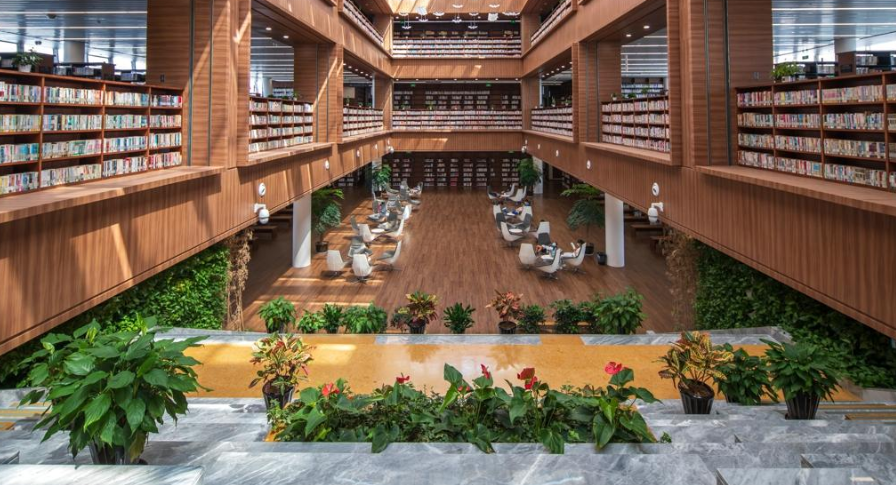
Indoor plants, green courtyards, wooden finishes, rooftop gardens, and views of surrounding landscapes contribute to what researchers describe as biophilic design.
This approach recognises that humans have an innate connection with the natural world.
Studies suggest that even brief exposure to natural elements can reduce stress, improve attention, and support mental wellbeing. For students preparing for examinations or researchers engaged in demanding work, these subtle design features can make a meaningful difference.
Libraries as community spaces
The image of libraries as silent rooms filled only with books is changing.
Modern libraries increasingly function as community centres where people attend workshops, public lectures, exhibitions, coding classes, language courses, and cultural events.
Flexible furniture, open meeting rooms, makerspaces, recording studios, and technology laboratories allow libraries to support a wide variety of activities while continuing to provide quiet areas for individual study.
Rather than replacing traditional reading rooms, these new spaces broaden the role libraries play within society.
Learning from remarkable libraries
Some of the world’s most celebrated libraries demonstrate how architecture can inspire learning.
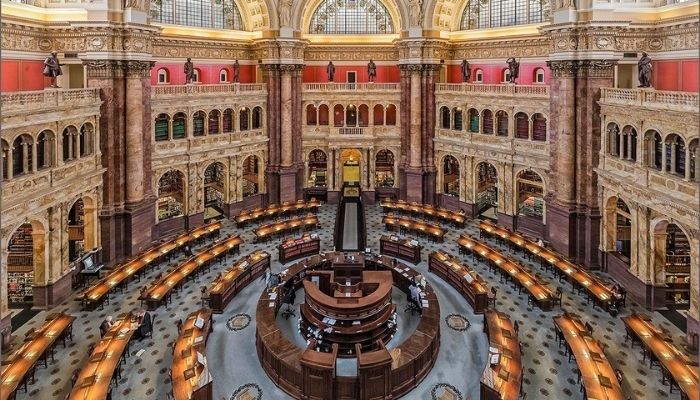
The Library of Congress in the United States combines magnificent architecture with one of the world’s largest collections of knowledge, reflecting the importance placed on preserving cultural heritage.
Library of Congress
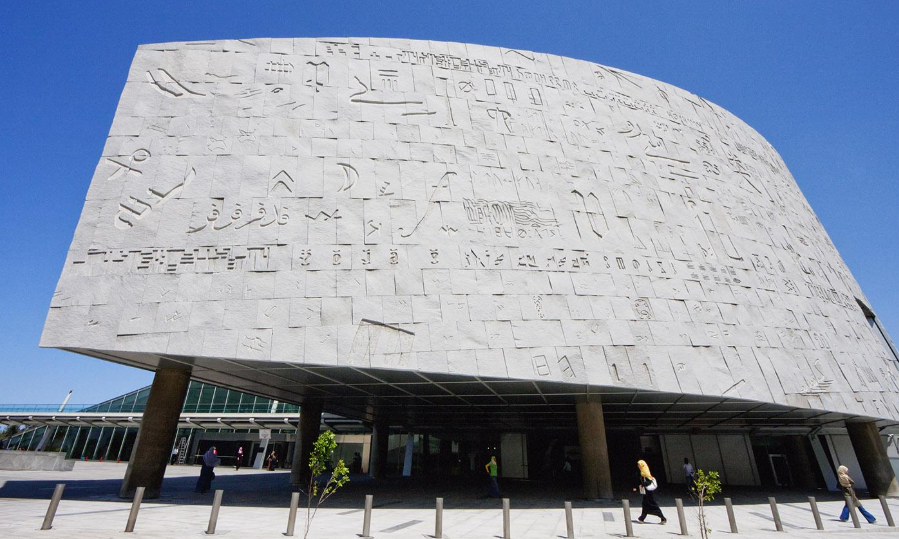
The Bibliotheca Alexandrina in Egypt pays tribute to the legendary ancient Library of Alexandria while embracing cutting-edge technology and international scholarship.
Bibliotheca Alexandrina
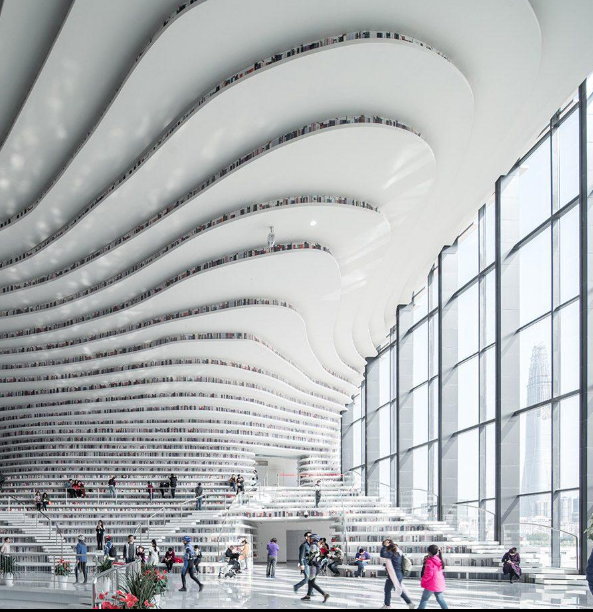
The Tianjin Binhai Library in China has become famous for its futuristic terraced bookshelves that appear to flow like waves through the building, attracting visitors from around the world.
Tianjin Binhai Library
Closer to home, the National Library of Sri Lanka continues to support education, research, and the preservation of the country’s literary heritage through spaces designed for learning and public engagement.
Each library has its own architectural identity, yet all share a common goal. They make knowledge accessible while creating environments that invite people to explore it.
Designing for the digital age
As digital technology becomes increasingly important, some questioned whether libraries would become obsolete.
The opposite has happened.
Libraries have adapted by offering high-speed internet, digital archives, online databases, multimedia collections, and technology support while continuing to provide something that homes and mobile devices often cannot.
They offer dedicated spaces for focused learning.
In an age filled with constant notifications and digital distractions, the quiet environment of a library has become even more valuable.
Architecture plays a vital role in protecting this experience.
Lessons for schools and universities
The principles used in library design are increasingly influencing classrooms, universities, and workplaces.
Educational researchers argue that learning environments should provide natural light, flexible seating, comfortable temperatures, good acoustics, and opportunities for both collaboration and quiet reflection.
These ideas recognise that education is shaped not only by teachers and technology but also by the spaces where learning takes place.
Thoughtful design can encourage curiosity just as effectively as a carefully planned lesson.
Buildings that encourage discovery
Libraries remind us that architecture is about much more than walls, roofs, and furniture.
Every reading room, staircase, window, and study corner reflects decisions about how people interact with knowledge.
A welcoming entrance invites exploration. Comfortable seating encourages longer study sessions. Natural light supports concentration. Quiet spaces promote reflection. Open areas foster collaboration.
Together, these elements transform buildings into environments that nurture learning.
Long before a visitor opens a book or logs into a computer, the architecture of a library has already begun teaching an important lesson. Great learning does not happen by chance. It flourishes in spaces carefully designed to inspire curiosity, creativity, and lifelong discovery.
Sources
- International Federation of Library Associations and Institutions (IFLA)
- American Library Association (ALA)
- UNESCO Library Manifesto
- Journal of Environmental Psychology
- Building and Environment
- Learning Environments Research
- Encyclopaedia Britannica – History of Libraries
Related News

How CIMA Builds Practical Business and Problem Solving Skills for the Real…
For students considering what to study after school or alongside a university degree, one question matters more than ever: will the qualification…
Read More
CIMA Beyond Accounting: Why Business Skills Matter for the Next Generation
For many Sri Lankan students, completing school brings one major question: what qualification should come next? A bachelor’s degree remains an important…
Read More
Gateway College and Wilderness School Australia Launch Teacher Exchange Programme
Students of Wilderness School were most welcoming to the teachers of Gateway Gateway College is pleased to announce the establishment of a…
Read More
Oxford College of Business Celebrates 1,550 Graduates at Landmark 2026 Graduation Ceremony
Oxford College of Business (OCB) celebrated the academic achievements of 1,550 graduands at its 2026 Graduation Ceremony, bringing together students, academics, international…
Read More
Imperial Announces CIMA Certificate Intake with 50% Off Class Fees
Imperial College of Business Studies (ICBS) will commence its latest CIMA Certificate Level intake on 19 September 2026, with weekday and weekend…
Read MoreCourses
-

The future of higher education tech: why industry needs purpose-built solutions
For years, Institutions and education agencies have been forced to rely on a patchwork of horizontal SaaS solutions – general tools that… -

MBA in Project Management & Artificial Intelligence – Oxford College of Business
In an era defined by rapid technological change, organizations increasingly demand leaders who not only understand traditional project management, but can also… -

Scholarships for 2025 Postgraduate Diploma in Education for SLEAS and SLTES Officers
The Ministry of Education, Higher Education and Vocational Education has announced the granting of full scholarships for the one-year weekend Postgraduate Diploma… -

Shape Your Future with a BSc in Business Management (HRM) at Horizon Campus
Human Resource Management is more than a career. It’s about growing people, building organizational culture, and leading with purpose. Every impactful journey… -

ESOFT UNI Signs MoU with Box Gill Institute, Australia
ESOFt UNI recently hosted a formal Memorandum of Understanding (MoU) signing ceremony with Box Hill Institute, Australia, signaling a significant step in… -

Ace Your University Interview in Sri Lanka: A Guide with Examples
Getting into a Sri Lankan sate or non-state university is not just about the scores. For some universities' programmes, your personality, communication… -
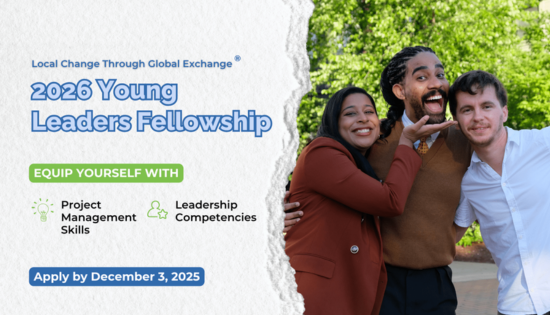
MCW Global Young Leaders Fellowship 2026
MCW Global (Miracle Corners of the World) runs a Young Leaders Fellowship, a year-long leadership program for young people (18–26) around the… -
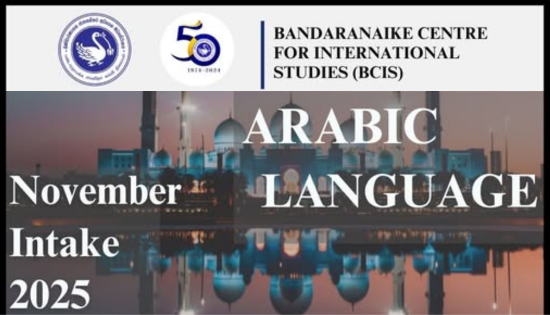
Enhance Your Arabic Skills with the Intermediate Language Course at BCIS
BCIS invites learners to join its Intermediate Arabic Language Course this November and further develop both linguistic skills and cultural understanding. Designed… -

Achieve Your American Dream : NCHS Spring Intake Webinar
NCHS is paving the way for Sri Lankan students to achieve their American Dream. As Sri Lanka’s leading pathway provider to the… -
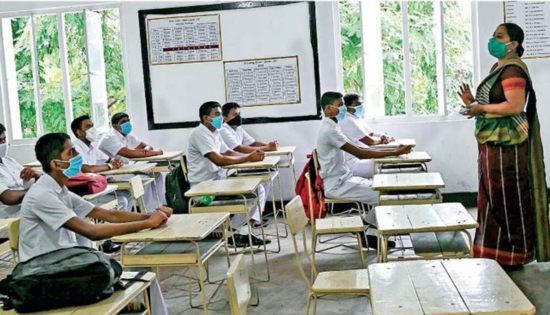
National Diploma in Teaching course : Notice
A Gazette notice has been released recently, concerning the enrollment of aspiring teachers into National Colleges of Education for the three-year pre-service… -
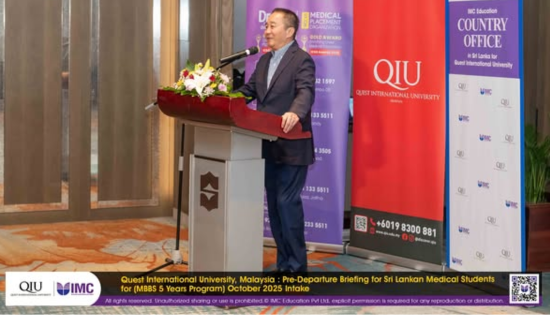
IMC Education Features Largest Student Recruitment for QIU’s October 2025 Intake
Quest International University (QIU), Malaysia recently hosted a pre-departure briefing and high tea at the Shangri-La Hotel in Colombo for its incoming… -

Global University Employability Ranking according to Times Higher Education
Attending college or university offers more than just career preparation, though selecting the right school and program can significantly enhance your job… -

Diploma in Occupational Safety & Health (DOSH) – CIPM
The Chartered Institute of Personnel Management (CIPM) is proud to announce the launch of its Diploma in Occupational Safety & Health (DOSH),… -

Small Grant Scheme for Australia Awards Alumni Sri Lanka
Australia Awards alumni are warmly invited to apply for a grant up to AUD 5,000 to support an innovative project that aim… -
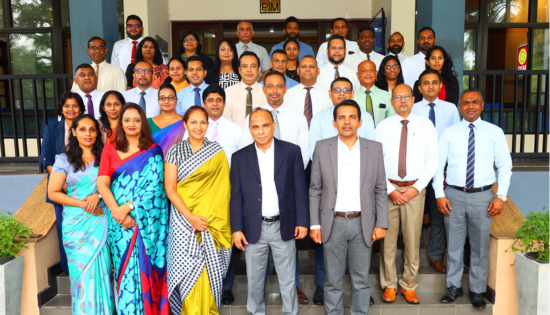
PIM Launches Special Programme for Newly Promoted SriLankan Airlines Managers
The Postgraduate Institute of Management (PIM) has launched a dedicated Newly Promoted Manager Programme designed to strengthen the leadership and management capabilities…
Newswire
-

Why have US prosecutors labelled China’s Huawei a criminal enterprise?
ON: September 21, 2026 -

Sports Minister says some current cricketers fall short of standards
ON: September 21, 2026 -

NCPI-based inflation climbs in August 2026
ON: September 21, 2026 -

Sri Lanka and Kenya strengthen ties in Tea Sector
ON: September 21, 2026