




More than bread and wine: What ancient civilizations really ate
When people imagine ancient meals, they often picture Roman banquets overflowing with grapes and wine, Egyptian workers eating only bread, or medieval-style feasts with giant roasted meats. Popular films and television dramas have reinforced these images, but archaeology tells a far more fascinating story.
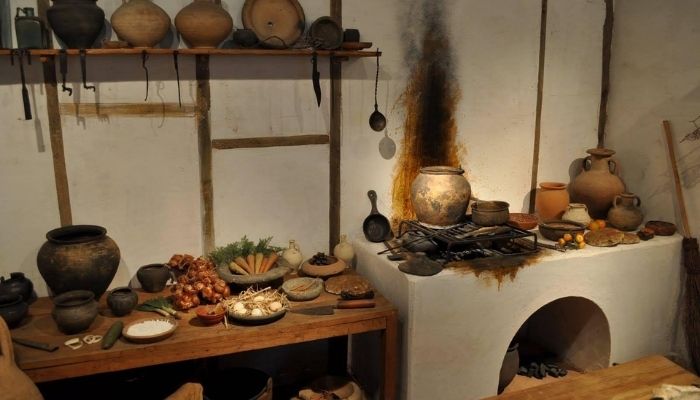
Over the past few decades, scientists have uncovered ancient kitchens, charred food remains, pottery residues, seeds, animal bones, and even microscopic traces trapped in human teeth. These discoveries have transformed our understanding of what people actually ate thousands of years ago.
Far from surviving on simple diets, many ancient civilizations enjoyed surprisingly diverse cuisines that reflected their environment, culture, trade, and technological ingenuity. Some foods that appear on our dinner tables today have histories stretching back thousands of years, while others have disappeared almost entirely.
Food as the foundation of civilization
Historians often say that agriculture gave birth to civilization. Around 12,000 years ago, humans gradually shifted from hunting and gathering to cultivating crops and domesticating animals. This transition allowed communities to settle permanently, giving rise to cities, governments, and trade.
Food became more than a means of survival. It shaped economies, influenced religious rituals, and determined political power. Kingdoms that controlled fertile land could support larger populations and stronger armies.
Today, studying ancient diets helps researchers understand not only nutrition but also climate, migration, trade, disease, and cultural exchange.
Ancient Egypt: Bread, beer and the Nile
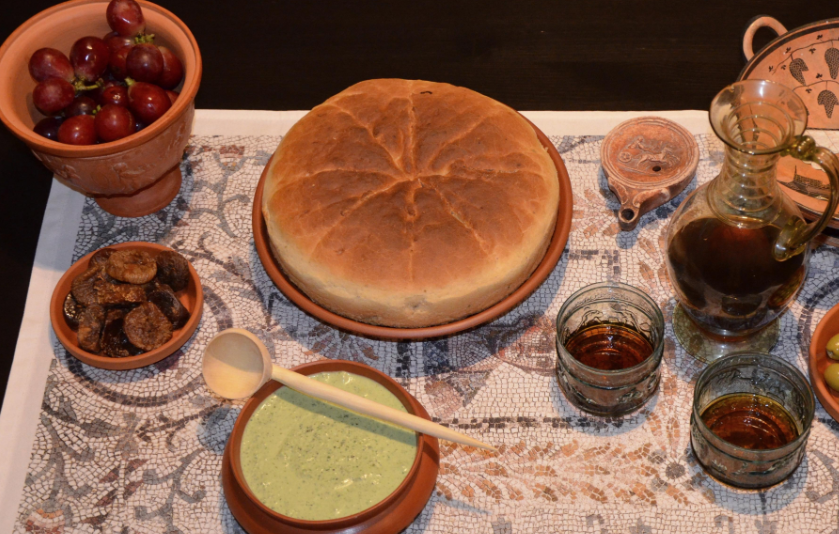
The fertile banks of the Nile River provided ideal conditions for farming. Wheat and barley formed the foundation of the Egyptian diet, and bread was eaten daily by both wealthy families and labourers who built temples and pyramids.
Beer was equally important. Unlike modern alcoholic beverages consumed mainly for recreation, Egyptian beer was often nutritious and safer to drink than untreated water. It supplied calories and was consumed by adults and children alike.
Vegetables such as onions, garlic, lentils, lettuce and cucumbers were common. Dates, figs, grapes and pomegranates added sweetness to meals, while fish from the Nile provided an important source of protein.
Although meat from cattle, sheep and goats was available, it was generally reserved for religious festivals and wealthier households.
Rome: A Mediterranean diet before its time
The ancient Romans enjoyed a remarkably varied cuisine built around what nutritionists today recognise as the foundations of the Mediterranean diet.
Olive oil served as the primary cooking fat, while bread, vegetables, beans, lentils and grains were everyday staples. Seafood was especially popular in coastal regions, and fruits such as grapes, apples, pears and figs were widely cultivated.
One of Rome’s most famous foods was garum, a fermented fish sauce made by preserving fish with salt. Despite its strong smell, garum was used much like soy sauce today, adding savoury flavour to countless dishes.
The wealthy occasionally hosted extravagant banquets featuring exotic animals and imported delicacies, but most Romans ate relatively simple meals centred on locally available ingredients.
Ancient China: The beginnings of culinary tradition
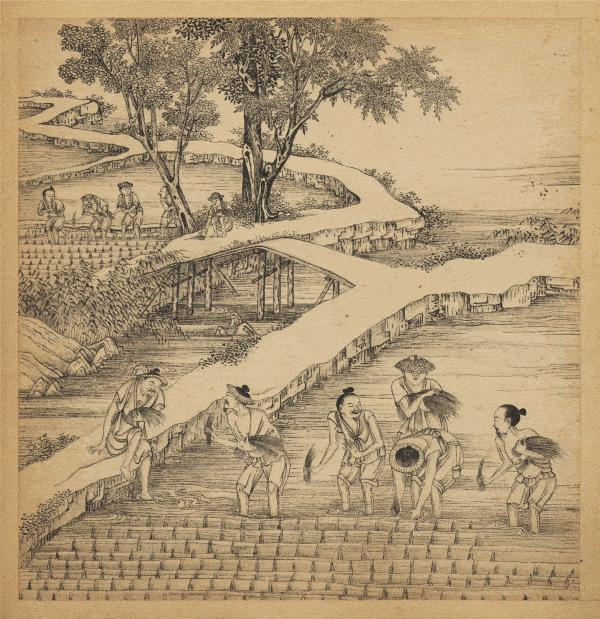
Thousands of years ago, northern China relied heavily on millet, while southern regions cultivated rice. Over time, rice became one of the world’s most important staple foods.
Soybeans transformed Chinese cuisine by providing protein-rich foods such as tofu, soy milk and fermented sauces.
Vegetables, fish, pork and poultry appeared frequently in meals, while herbs and spices gradually enriched regional cooking traditions.
Many cooking techniques still associated with Chinese cuisine, , including steaming, stir-frying and fermentation, have roots stretching back centuries.
Tea also emerged in ancient China, eventually becoming one of the world’s most influential beverages.
The Maya: Masters of maize
In Central America, the Maya civilization built its cuisine around maize, or corn, which held both practical and spiritual importance.
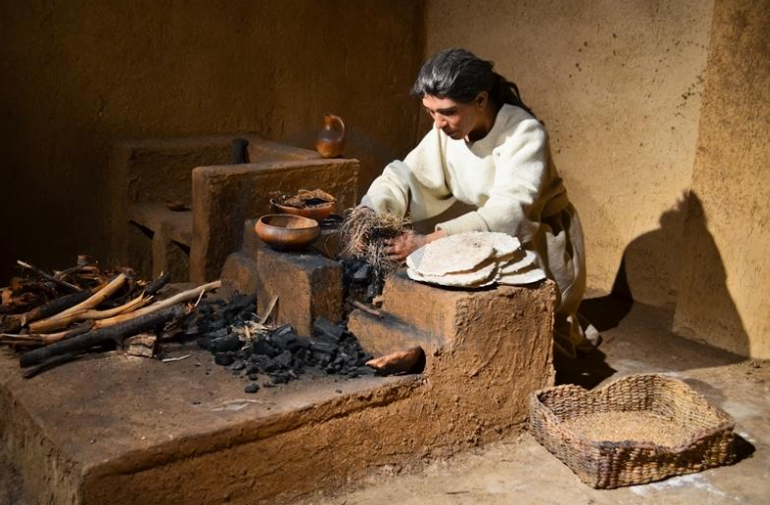
Corn was transformed into tortillas, porridges and drinks through a process called nixtamalization, in which kernels were treated with alkaline substances such as lime. Modern science has shown that this process significantly improves the grain’s nutritional value by increasing the availability of vitamin B3 and other nutrients.
Beans, squash, chilli peppers, tomatoes, cacao and avocados completed what nutritionists now recognise as a remarkably balanced agricultural system known as the “Three Sisters.”
Chocolate also originated here. However, ancient cacao was consumed as a bitter, spiced drink rather than the sweet confection familiar today.
Ancient Sri Lanka: Rice, spices and ingenuity
Sri Lanka’s ancient kingdoms developed sophisticated agricultural systems that supported thriving populations.
Rice formed the centre of daily meals, supported by an extraordinary network of reservoirs and irrigation canals built by ancient engineers. These hydraulic systems allowed farming even during dry seasons and remain among the greatest engineering achievements of the ancient world.
People also consumed millet, green gram, sesame, yams, jackfruit, coconut, leafy vegetables and tropical fruits. Fish from rivers and coastal waters, together with occasional meat, supplemented diets.
The island’s abundant spices, including cinnamon, pepper and cardamom, not only enhanced flavour but also attracted traders from across Asia, the Middle East and later Europe. Long before the global spice trade reached its peak, Sri Lanka had become known for producing some of the world’s most sought-after spices.
How archaeologists reconstruct ancient meals
Unlike written records, food usually disappears over time. So how do scientists know what ancient people ate?
Archaeologists combine several techniques.
Microscopic plant remains found on grinding stones reveal which grains were processed. Animal bones identify hunted and domesticated species. Charred seeds preserved by ancient fires survive for thousands of years. Chemical analysis of pottery detects residues from oils, milk, wine and fermented foods.
Researchers also examine fossilised human teeth, where tiny particles of starch and plant fibres remain trapped for centuries. Stable isotope analysis of bones can even estimate the proportions of meat, seafood and plants in an individual’s long-term diet.
Together, these methods allow researchers to reconstruct ancient cuisines with remarkable accuracy.
Ancient diets and modern health
Interestingly, many ancient eating patterns resemble dietary advice promoted today.
Meals were generally based on whole grains, legumes, vegetables and seasonal fruits. Processed foods, refined sugars and artificial additives did not exist.
Physical activity was also integrated into daily life through farming, construction and travel.
Of course, ancient diets were not perfect. Food shortages, droughts and disease frequently caused malnutrition, while access to meat and luxury foods often reflected social status.
Nevertheless, many researchers believe that studying traditional food systems offers valuable insights into sustainable agriculture and balanced nutrition.
A window into everyday life
History often remembers kings, queens and great battles, but food reveals something even more personal.
It tells us how ordinary families lived, what farmers cultivated, how merchants traded, what children ate, and how communities celebrated festivals.
Every loaf of bread baked in ancient Egypt, every bowl of rice prepared in Sri Lanka, every Roman olive harvested and every Mayan tortilla cooked over an open fire reflects the creativity and resilience of people adapting to their environments.
The next time you enjoy a slice of bread, a bowl of rice, a cup of tea or a piece of chocolate, remember that these foods are not simply modern comforts. They are part of a culinary heritage stretching back thousands of years, a reminder that while civilizations rise and fall, the human story has always been written around the table.
Sources
- Smithsonian Institution – Archaeology and Ancient Foodways
- British Museum – Food in the Ancient World
- National Geographic – Ancient Civilizations and Agriculture
- Food and Agriculture Organization (FAO) – History of Agriculture
- Encyclopaedia Britannica – Ancient Egypt, Rome, Maya and Early Chinese Civilizations
- Journal of Archaeological Science
- Nature Ecology & Evolution
- Central Cultural Fund of Sri Lanka – Ancient Irrigation and Agriculture
Related News

How CIMA Builds Practical Business and Problem Solving Skills for the Real…
For students considering what to study after school or alongside a university degree, one question matters more than ever: will the qualification…
Read More
CIMA Beyond Accounting: Why Business Skills Matter for the Next Generation
For many Sri Lankan students, completing school brings one major question: what qualification should come next? A bachelor’s degree remains an important…
Read More
Gateway College and Wilderness School Australia Launch Teacher Exchange Programme
Students of Wilderness School were most welcoming to the teachers of Gateway Gateway College is pleased to announce the establishment of a…
Read More
Imperial Announces CIMA Certificate Intake with 50% Off Class Fees
Imperial College of Business Studies (ICBS) will commence its latest CIMA Certificate Level intake on 19 September 2026, with weekday and weekend…
Read More
AIESEC in Colombo North and Rotaract Colombo Mid Town Introduce CSR Project: Bloom 2026
Following the success of its first chapter, Bloom returns in 2026 with a renewed vision, focusing on Galaha Divisional Hospital and the…
Read MoreCourses
-

The future of higher education tech: why industry needs purpose-built solutions
For years, Institutions and education agencies have been forced to rely on a patchwork of horizontal SaaS solutions – general tools that… -

MBA in Project Management & Artificial Intelligence – Oxford College of Business
In an era defined by rapid technological change, organizations increasingly demand leaders who not only understand traditional project management, but can also… -

Scholarships for 2025 Postgraduate Diploma in Education for SLEAS and SLTES Officers
The Ministry of Education, Higher Education and Vocational Education has announced the granting of full scholarships for the one-year weekend Postgraduate Diploma… -

Shape Your Future with a BSc in Business Management (HRM) at Horizon Campus
Human Resource Management is more than a career. It’s about growing people, building organizational culture, and leading with purpose. Every impactful journey… -

ESOFT UNI Signs MoU with Box Gill Institute, Australia
ESOFt UNI recently hosted a formal Memorandum of Understanding (MoU) signing ceremony with Box Hill Institute, Australia, signaling a significant step in… -

Ace Your University Interview in Sri Lanka: A Guide with Examples
Getting into a Sri Lankan sate or non-state university is not just about the scores. For some universities' programmes, your personality, communication… -

MCW Global Young Leaders Fellowship 2026
MCW Global (Miracle Corners of the World) runs a Young Leaders Fellowship, a year-long leadership program for young people (18–26) around the… -
Enhance Your Arabic Skills with the Intermediate Language Course at BCIS
BCIS invites learners to join its Intermediate Arabic Language Course this November and further develop both linguistic skills and cultural understanding. Designed… -

Achieve Your American Dream : NCHS Spring Intake Webinar
NCHS is paving the way for Sri Lankan students to achieve their American Dream. As Sri Lanka’s leading pathway provider to the… -
National Diploma in Teaching course : Notice
A Gazette notice has been released recently, concerning the enrollment of aspiring teachers into National Colleges of Education for the three-year pre-service… -
IMC Education Features Largest Student Recruitment for QIU’s October 2025 Intake
Quest International University (QIU), Malaysia recently hosted a pre-departure briefing and high tea at the Shangri-La Hotel in Colombo for its incoming… -

Global University Employability Ranking according to Times Higher Education
Attending college or university offers more than just career preparation, though selecting the right school and program can significantly enhance your job… -

Diploma in Occupational Safety & Health (DOSH) – CIPM
The Chartered Institute of Personnel Management (CIPM) is proud to announce the launch of its Diploma in Occupational Safety & Health (DOSH),… -

Small Grant Scheme for Australia Awards Alumni Sri Lanka
Australia Awards alumni are warmly invited to apply for a grant up to AUD 5,000 to support an innovative project that aim… -
PIM Launches Special Programme for Newly Promoted SriLankan Airlines Managers
The Postgraduate Institute of Management (PIM) has launched a dedicated Newly Promoted Manager Programme designed to strengthen the leadership and management capabilities…
Newswire
-
Red landslide alerts issued for areas in Kandy, Kegalle and Nuwara Eliya
ON: September 20, 2026 -

Rooftop solar restrictions could be eased with battery storage systems — Minister
ON: September 20, 2026 -

SLAF disperses Pirith water from aircraft in prayer for rain
ON: September 20, 2026 -

Severe flood warning issued for Mahaweli River in Pasbage Korale
ON: September 20, 2026 -
Free spectacles, hearing aids programme launched for university students
ON: September 20, 2026