




The remarkable lives of migratory birds
Nature’s greatest navigators
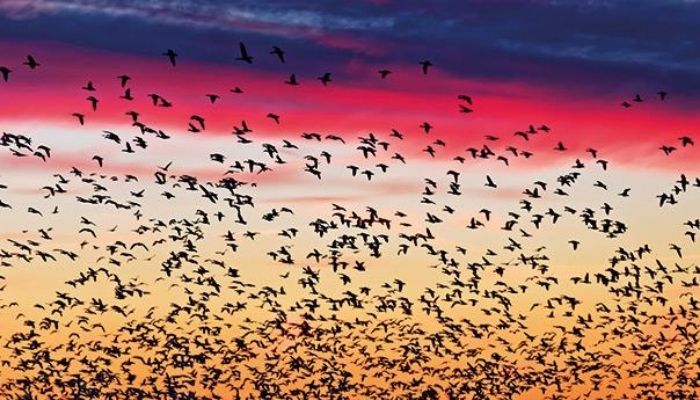
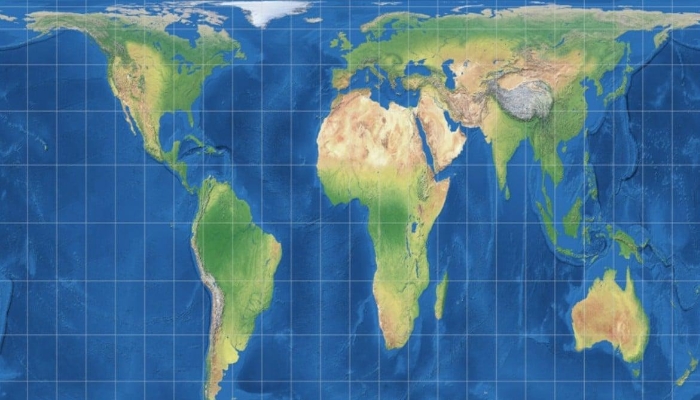
Every year, as seasons change and temperatures shift, one of nature’s greatest spectacles unfolds across the skies. Millions of birds leave familiar habitats and embark on journeys that span countries, oceans, deserts, and mountain ranges. Some travel a few hundred kilometres. Others cross entire continents. A few complete migrations so remarkable that they challenge what scientists once thought was physically possible.
These seasonal movements, known as migration, represent one of the most extraordinary survival strategies in the natural world. Long before humans developed maps, compasses, or satellite navigation systems, birds were already travelling vast distances with astonishing precision.
Their journeys continue to fascinate scientists, who are still uncovering the secrets behind one of nature’s greatest mysteries.
The need to move
Migration is primarily a response to changing environmental conditions.
As seasons shift, food availability changes dramatically. In colder regions, insects disappear, lakes freeze, and plants become dormant. Birds that rely on these resources must either adapt or move elsewhere.
Migration allows birds to take advantage of seasonal abundance. Many species breed in northern regions during summer, where long daylight hours provide plentiful food for raising chicks. As winter approaches, they travel south to warmer climates where food remains available.
This strategy enables birds to benefit from the best conditions that different regions offer throughout the year.
Nature’s long-distance champions
Among the world’s migratory birds, some journeys are truly astonishing.
The Arctic Tern holds the record for the longest known migration of any animal. These seabirds travel from the Arctic to Antarctica and back each year, covering distances that can exceed 70,000 kilometres annually.
Arctic Tern
This means an Arctic Tern may experience more daylight than any other creature on Earth, effectively following summer from one hemisphere to the other.
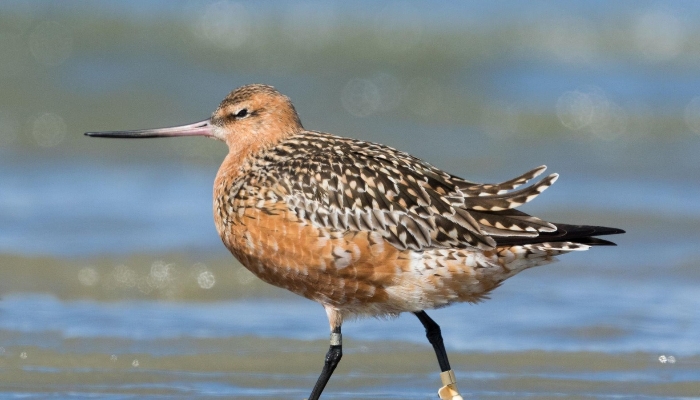
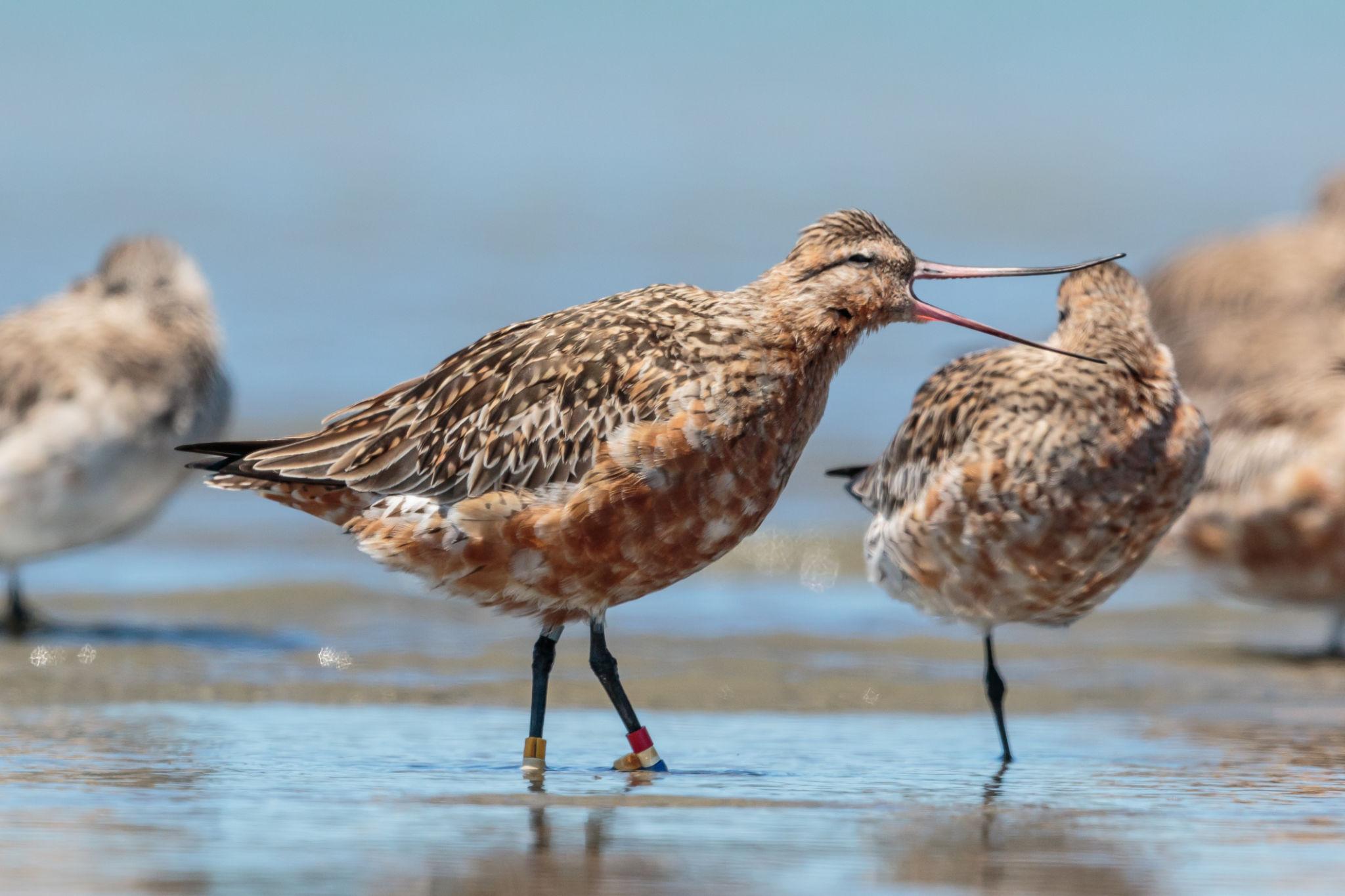
Another remarkable traveller is the Bar-tailed Godwit, which performs one of the longest non-stop flights ever recorded. Some individuals fly more than 12,000 kilometres across the Pacific Ocean without landing, feeding, or drinking.
Bar-tailed Godwit
To prepare for these journeys, birds accumulate large fat reserves that serve as fuel. Before migration, some species nearly double their body weight.
The mystery of navigation
Perhaps the most remarkable aspect of migration is not the distance birds travel but their ability to find their way.
Many migratory birds return to the same breeding grounds year after year, often arriving within metres of previous nesting sites.
Scientists have discovered that birds use a combination of navigation systems.
Some rely on the position of the sun during daylight hours. Others use the stars to navigate at night. Experiments have shown that birds can recognise star patterns and adjust their orientation accordingly.
Research also suggests that many species can detect the Earth’s magnetic field. Special cells located in their eyes or beaks may help them sense magnetic information, allowing them to determine direction even when visual landmarks are unavailable.
In addition, birds use rivers, coastlines, mountain ranges, and even their sense of smell to assist navigation.
Rather than relying on a single method, migratory birds appear to combine multiple sources of information to guide their journeys.
Flying through danger
Migration may be one of nature’s greatest achievements, but it is also one of its most dangerous undertakings.
Birds face storms, predators, exhaustion, habitat loss, and changing weather patterns. Many die during migration, particularly young birds making the journey for the first time.
Human activity has introduced additional challenges.
Urban development has reduced wetlands and resting sites used by migratory birds. Glass buildings cause millions of bird collisions annually. Artificial lighting can disorient birds that navigate using stars, while climate change is altering migration timing and food availability.
For species that depend on precise seasonal conditions, even small environmental changes can have significant consequences.
Sri Lanka’s role in a global journey
Sri Lanka occupies an important position along several migratory routes.
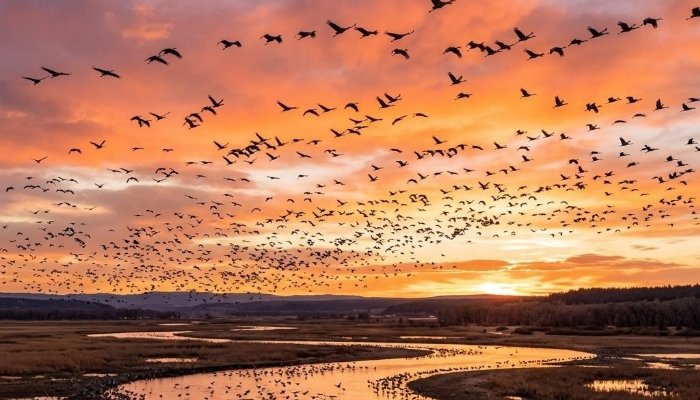
Each year, thousands of migratory birds arrive from northern Europe, Central Asia, Siberia, and other regions seeking warmer conditions during the northern winter.
Wetlands, lagoons, reservoirs, and coastal habitats across the island provide essential feeding and resting grounds.
Locations such as Bundala National Park, Mannar Bird Sanctuary, and Kumana National Park attract a remarkable diversity of migratory species each year.
Visitors can observe sandpipers, plovers, terns, flamingos, and numerous other birds that have travelled thousands of kilometres to reach the island.
Their arrival highlights how interconnected ecosystems can be. A bird resting in a Sri Lankan wetland today may have spent the previous summer breeding in Siberia.
Lessons from migration
Migration demonstrates extraordinary endurance, but it also reveals the complexity of the natural world.
Birds depend on habitats spread across multiple countries and continents. A wetland destroyed in one region can affect populations thousands of kilometres away.
For this reason, protecting migratory birds often requires international cooperation. Conservation organisations and governments work together to monitor bird populations, preserve habitats, and reduce threats along migratory routes.
Migration reminds us that nature does not recognise political boundaries.
The survival of many species depends on a network of healthy ecosystems connected across the globe.
New discoveries from modern technology
Advances in technology have transformed the study of migration.
Tiny satellite transmitters and GPS trackers now allow scientists to follow birds in real time. Researchers can observe flight paths, identify critical stopover sites, and monitor how environmental changes affect migration patterns.
These tools have revealed journeys far more complex than previously imagined.
Scientists continue to discover new routes, unexpected behaviours, and astonishing feats of endurance that challenge our understanding of animal navigation.
Each migration season brings new insights into one of the natural world’s greatest phenomena.
A wonder written across the sky
For many people, migratory birds are simply seasonal visitors. They appear for a few months and then disappear.
Yet behind every arrival lies an extraordinary story.
A shorebird feeding on a beach may have crossed oceans. A flock flying overhead may have navigated storms, deserts, and mountain ranges. A bird resting in a wetland may be halfway through a journey spanning half the globe.
These annual migrations represent one of nature’s most remarkable achievements, combining endurance, precision, adaptation, and resilience on a scale rarely matched elsewhere in the animal kingdom.
Every year, millions of birds undertake these journeys without maps, roads, or technology. Their success serves as a reminder that some of the greatest navigators the world has ever known travel not by land or sea, but on wings.
Sources
- BirdLife International
- National Geographic Society
- Cornell Lab of Ornithology
- Smithsonian Migratory Bird Center
- Royal Society for the Protection of Birds (RSPB)
- Audubon Society
- Nature – Research on bird migration and navigation
- International Union for Conservation of Nature (IUCN)
Related News

How CIMA Builds Practical Business and Problem Solving Skills for the Real…
For students considering what to study after school or alongside a university degree, one question matters more than ever: will the qualification…
Read More
CIMA Beyond Accounting: Why Business Skills Matter for the Next Generation
For many Sri Lankan students, completing school brings one major question: what qualification should come next? A bachelor’s degree remains an important…
Read More
Gateway College and Wilderness School Australia Launch Teacher Exchange Programme
Students of Wilderness School were most welcoming to the teachers of Gateway Gateway College is pleased to announce the establishment of a…
Read More
Imperial Announces CIMA Certificate Intake with 50% Off Class Fees
Imperial College of Business Studies (ICBS) will commence its latest CIMA Certificate Level intake on 19 September 2026, with weekday and weekend…
Read More
AIESEC in Colombo North and Rotaract Colombo Mid Town Introduce CSR Project: Bloom 2026
Following the success of its first chapter, Bloom returns in 2026 with a renewed vision, focusing on Galaha Divisional Hospital and the…
Read MoreCourses
-

The future of higher education tech: why industry needs purpose-built solutions
For years, Institutions and education agencies have been forced to rely on a patchwork of horizontal SaaS solutions – general tools that… -

MBA in Project Management & Artificial Intelligence – Oxford College of Business
In an era defined by rapid technological change, organizations increasingly demand leaders who not only understand traditional project management, but can also… -

Scholarships for 2025 Postgraduate Diploma in Education for SLEAS and SLTES Officers
The Ministry of Education, Higher Education and Vocational Education has announced the granting of full scholarships for the one-year weekend Postgraduate Diploma… -

Shape Your Future with a BSc in Business Management (HRM) at Horizon Campus
Human Resource Management is more than a career. It’s about growing people, building organizational culture, and leading with purpose. Every impactful journey… -

ESOFT UNI Signs MoU with Box Gill Institute, Australia
ESOFt UNI recently hosted a formal Memorandum of Understanding (MoU) signing ceremony with Box Hill Institute, Australia, signaling a significant step in… -

Ace Your University Interview in Sri Lanka: A Guide with Examples
Getting into a Sri Lankan sate or non-state university is not just about the scores. For some universities' programmes, your personality, communication… -

MCW Global Young Leaders Fellowship 2026
MCW Global (Miracle Corners of the World) runs a Young Leaders Fellowship, a year-long leadership program for young people (18–26) around the… -
Enhance Your Arabic Skills with the Intermediate Language Course at BCIS
BCIS invites learners to join its Intermediate Arabic Language Course this November and further develop both linguistic skills and cultural understanding. Designed… -

Achieve Your American Dream : NCHS Spring Intake Webinar
NCHS is paving the way for Sri Lankan students to achieve their American Dream. As Sri Lanka’s leading pathway provider to the… -

National Diploma in Teaching course : Notice
A Gazette notice has been released recently, concerning the enrollment of aspiring teachers into National Colleges of Education for the three-year pre-service… -

IMC Education Features Largest Student Recruitment for QIU’s October 2025 Intake
Quest International University (QIU), Malaysia recently hosted a pre-departure briefing and high tea at the Shangri-La Hotel in Colombo for its incoming… -

Global University Employability Ranking according to Times Higher Education
Attending college or university offers more than just career preparation, though selecting the right school and program can significantly enhance your job… -

Diploma in Occupational Safety & Health (DOSH) – CIPM
The Chartered Institute of Personnel Management (CIPM) is proud to announce the launch of its Diploma in Occupational Safety & Health (DOSH),… -

Small Grant Scheme for Australia Awards Alumni Sri Lanka
Australia Awards alumni are warmly invited to apply for a grant up to AUD 5,000 to support an innovative project that aim… -

PIM Launches Special Programme for Newly Promoted SriLankan Airlines Managers
The Postgraduate Institute of Management (PIM) has launched a dedicated Newly Promoted Manager Programme designed to strengthen the leadership and management capabilities…
Newswire
-
Red landslide alerts issued for areas in Kandy, Kegalle and Nuwara Eliya
ON: September 20, 2026 -

Rooftop solar restrictions could be eased with battery storage systems — Minister
ON: September 20, 2026 -
SLAF disperses Pirith water from aircraft in prayer for rain
ON: September 20, 2026 -

Severe flood warning issued for Mahaweli River in Pasbage Korale
ON: September 20, 2026 -

Free spectacles, hearing aids programme launched for university students
ON: September 20, 2026