





Continue School Education with A/Levels — A Practical, Up-to-date Guide for Students and Parents

Continuing your school education with Advanced Levels (A/Levels) is the most common and powerful pathway to local university degrees, professional careers, and meaningful long-term options. If you finished O/Levels and plan to sit for A/Levels, you can usually continue at your current school; if your O/L results are strong you may also have the option to move to a higher-reputation school that offers better A/L teaching and facilities. Choosing A/Levels gives you two years to build subject depth, develop exam technique, and prepare for university selection which at the state level is largely determined by the Z-score system managed by the University Grants Commission (UGC).
Pick a stream that fits your goals — not just the trendWhen selecting an A/L stream, think first about where you want to be in three to five years. The four main streams available across Sri Lanka are Science (Physical & Biological), Commerce, Arts (Humanities) and the Technology stream (including Engineering Technology, Bio-Systems Technology, and ICT), each opening specific university and career routes. The Technology stream has expanded in recent years to give students a practical, industry relevant alternative to pure science and commerce. Match your stream to the degrees and jobs you want Medicine, Engineering and IT favour the Science/Tech streams; Business, Accounting and Finance favour Commerce; Law, Media and Education link well with Arts. Official subject lists and stream definitions are published annually.Think subject combinations, not isolated subjectsWithin a stream you must choose subject combinations that keep your university and career options open. For example, students aiming for engineering normally pick Combined Mathematics, Physics and Chemistry, while those targeting management or economics may choose Accounting, Economics and Business Studies. If you are unsure, choose combinations that are accepted across several degree programmes (this keeps options flexible). Talk to A/L teachers and look up the UGC’s minimum Z-score requirements for courses you’re interested in that helps you set realistic targets.Moving to a reputed school: when it makes senseTransferring schools after O/Levels can be beneficial when the new school offers stronger A/L teaching, better laboratory and library facilities, or a proven track record in university placements. Top performing schools both national and provincial often show up in yearly A/L results lists and national rosters; local examples of high performers appear repeatedly in public result reports. That said, a move should be considered only if it genuinely improves your learning environment and does not disrupt study momentum. Check recent A/L result tables and speak to teachers at both schools before deciding.Use reliable, current information for university pathwaysUniversity admissions in Sri Lanka remain competitive and are processed through formal channels the University Grants Commission (UGC) and the Ministry of Higher Education using criteria such as subject requirements, language medium and the Z-score. Stay updated with UGC notices (they publish minimum Z-scores, closing dates and special course conditions every year) and follow official guidelines for registration and deadlines. Being informed early prevents surprises at application time and helps you plan subject choices and revision strategy.Practical steps for students: plan, prepare, practiseOnce you confirm your stream and subjects, build a two-year plan: map the syllabus, schedule regular practice of past papers, join focused revision groups (or quality tuition where needed), and maintain steady self-study. A/L exams are as much about exam technique as subject knowledge past paper practice, timed writing and regular feedback from teachers improve performance. Keep track of exam schedules and private candidate rules issued by the Department of Examinations so you don’t miss registration windows.Advice for parents: support, not pressureParents play a decisive role in A/L success. Encourage conversations about your child’s interests and strengths, help them gather accurate information about university and career pathways, and provide a calm, structured study environment. Avoid excessive pressure; instead, set realistic targets together, monitor wellbeing, and celebrate progress small wins matter during long A/L preparation. When necessary, help them access quality tuition or counselling but keep the final choice aligned with the student’s aptitude and goals.Local examples and pathways to considerDifferent schools and institutions offer slightly varied strengths: some universities and state faculties prefer traditional science or commerce combinations, while the growing Technology stream connects well with technical universities and industry training. National university diplomas, private university foundation pathways and vocational NVQ routes remain valuable alternatives for students who later decide to change direction. Look at recent UGC notices and school A/L performance summaries to identify realistic targets and alternative pathways that suit your child’s profile.Keep reviewing your plan and stay flexibleA/L studies are a two-year commitment; circumstances and goals can change. Regularly review subject choices, performance and university priorities. If results or interests shift, there are still many recognized pathways professional diplomas, foundation programmes, technical/vocational education and overseas foundation routes that can lead to degrees and careers. Staying flexible and well-informed will keep doors open and reduce stress.Choosing to continue with A/Levels is a responsible and often rewarding decision. With the right stream, thoughtful subject combinations, reliable information from the UGC and the Department of Examinations, sensible school choices, steady study habits and supportive parents, students can transform O/Level momentum into A/Level success and clear pathways to higher education. For official admissions criteria, Z-scores and course notices, always consult the UGC and the Ministry of Higher Education websites.
Related News

How CIMA Builds Practical Business and Problem Solving Skills for the Real…
For students considering what to study after school or alongside a university degree, one question matters more than ever: will the qualification…
Read More
CIMA Beyond Accounting: Why Business Skills Matter for the Next Generation
For many Sri Lankan students, completing school brings one major question: what qualification should come next? A bachelor’s degree remains an important…
Read More
Gateway College and Wilderness School Australia Launch Teacher Exchange Programme
Students of Wilderness School were most welcoming to the teachers of Gateway Gateway College is pleased to announce the establishment of a…
Read More
Oxford College of Business Celebrates 1,550 Graduates at Landmark 2026 Graduation Ceremony
Oxford College of Business (OCB) celebrated the academic achievements of 1,550 graduands at its 2026 Graduation Ceremony, bringing together students, academics, international…
Read More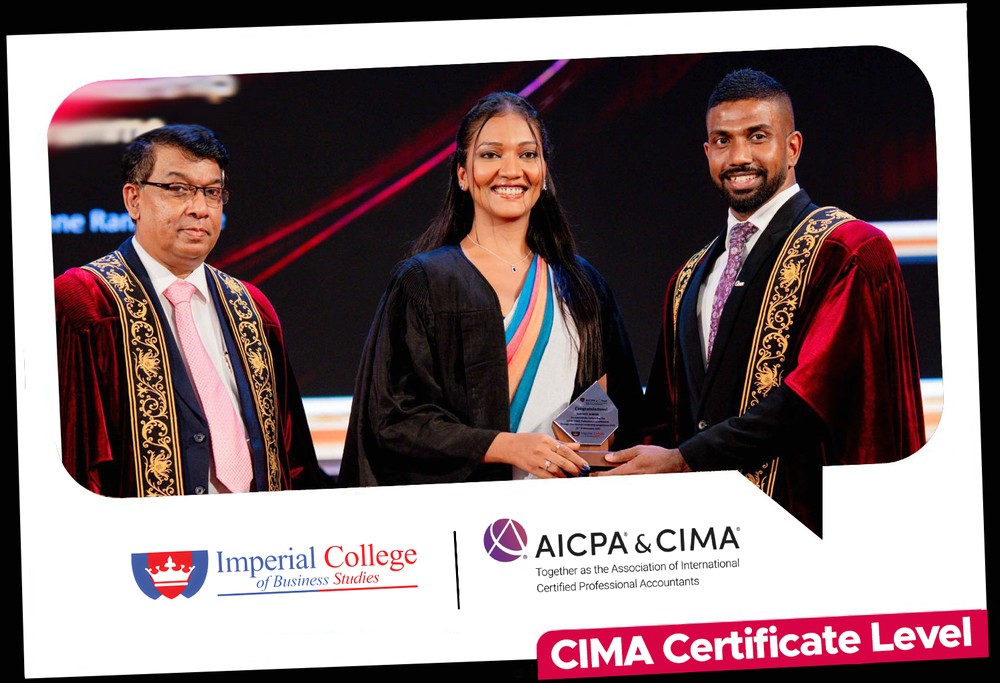
Imperial Announces CIMA Certificate Intake with 50% Off Class Fees
Imperial College of Business Studies (ICBS) will commence its latest CIMA Certificate Level intake on 19 September 2026, with weekday and weekend…
Read MoreCourses
-

The future of higher education tech: why industry needs purpose-built solutions
For years, Institutions and education agencies have been forced to rely on a patchwork of horizontal SaaS solutions – general tools that… -

MBA in Project Management & Artificial Intelligence – Oxford College of Business
In an era defined by rapid technological change, organizations increasingly demand leaders who not only understand traditional project management, but can also… -

Scholarships for 2025 Postgraduate Diploma in Education for SLEAS and SLTES Officers
The Ministry of Education, Higher Education and Vocational Education has announced the granting of full scholarships for the one-year weekend Postgraduate Diploma… -

Shape Your Future with a BSc in Business Management (HRM) at Horizon Campus
Human Resource Management is more than a career. It’s about growing people, building organizational culture, and leading with purpose. Every impactful journey… -
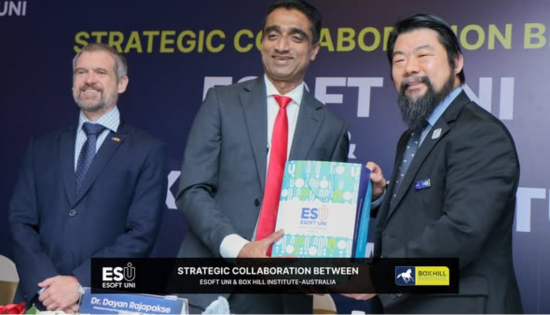
ESOFT UNI Signs MoU with Box Gill Institute, Australia
ESOFt UNI recently hosted a formal Memorandum of Understanding (MoU) signing ceremony with Box Hill Institute, Australia, signaling a significant step in… -

Ace Your University Interview in Sri Lanka: A Guide with Examples
Getting into a Sri Lankan sate or non-state university is not just about the scores. For some universities' programmes, your personality, communication… -
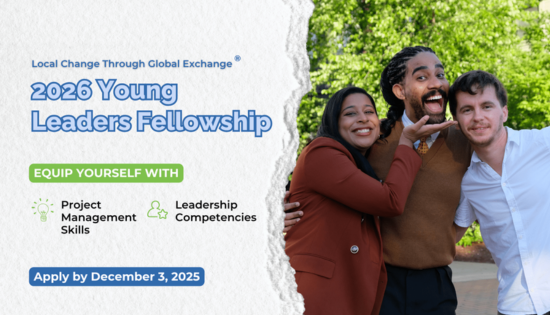
MCW Global Young Leaders Fellowship 2026
MCW Global (Miracle Corners of the World) runs a Young Leaders Fellowship, a year-long leadership program for young people (18–26) around the… -
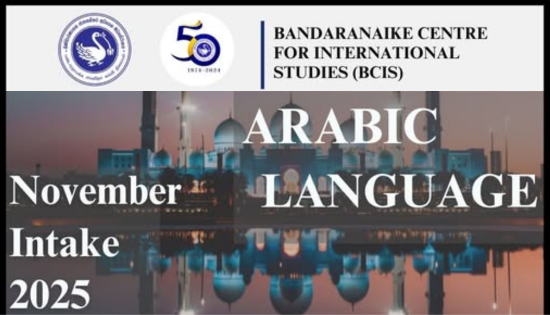
Enhance Your Arabic Skills with the Intermediate Language Course at BCIS
BCIS invites learners to join its Intermediate Arabic Language Course this November and further develop both linguistic skills and cultural understanding. Designed… -

Achieve Your American Dream : NCHS Spring Intake Webinar
NCHS is paving the way for Sri Lankan students to achieve their American Dream. As Sri Lanka’s leading pathway provider to the… -
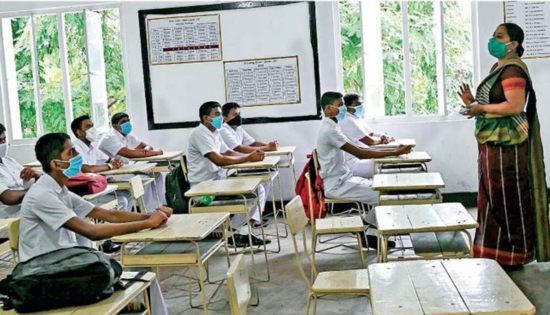
National Diploma in Teaching course : Notice
A Gazette notice has been released recently, concerning the enrollment of aspiring teachers into National Colleges of Education for the three-year pre-service… -
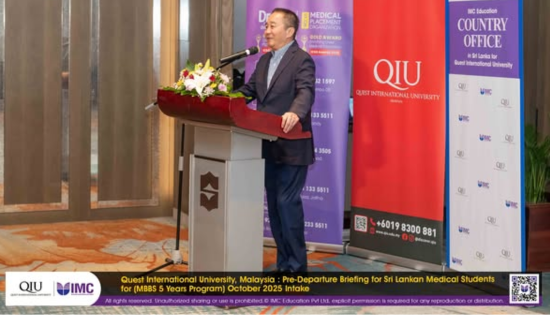
IMC Education Features Largest Student Recruitment for QIU’s October 2025 Intake
Quest International University (QIU), Malaysia recently hosted a pre-departure briefing and high tea at the Shangri-La Hotel in Colombo for its incoming… -

Global University Employability Ranking according to Times Higher Education
Attending college or university offers more than just career preparation, though selecting the right school and program can significantly enhance your job… -

Diploma in Occupational Safety & Health (DOSH) – CIPM
The Chartered Institute of Personnel Management (CIPM) is proud to announce the launch of its Diploma in Occupational Safety & Health (DOSH),… -
Small Grant Scheme for Australia Awards Alumni Sri Lanka
Australia Awards alumni are warmly invited to apply for a grant up to AUD 5,000 to support an innovative project that aim… -
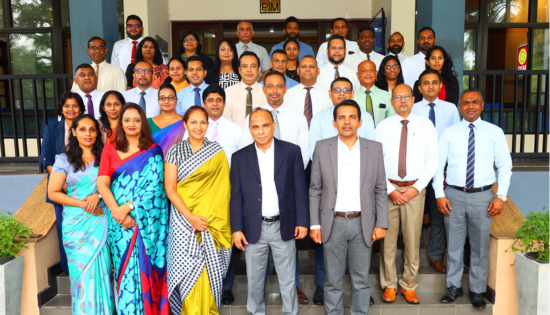
PIM Launches Special Programme for Newly Promoted SriLankan Airlines Managers
The Postgraduate Institute of Management (PIM) has launched a dedicated Newly Promoted Manager Programme designed to strengthen the leadership and management capabilities…
Newswire
-

Police reveal cause of Southern Expressway crash involving 11 vehicles
ON: September 21, 2026 -

Suspect arrested with 8 firearms linked to murders of Dan Priyasad and his brother
ON: September 21, 2026 -
Sri Lankan media orgs appeal to Saudi Arabia for clemency for Sivarasa Anojan
ON: September 21, 2026 -

Passenger numbers on expressways limited to available seat belts: Police
ON: September 21, 2026 -

Four arrested with firearms, ammunition in Kolonnawa raids
ON: September 21, 2026