

Harnessing CDP and Generative AI to Transform Personalized Neurorehabilitation for Brain Tumor Patients
Brain tumor patients face a range of complex challenges, from cognitive to physical impairments, but one of the most critical yet overlooked aspects is balance dysfunction. Pre-surgical assessment of balance can significantly shape surgical outcomes, rehabilitation, and overall quality of life for patients. Traditionally, neurosurgeons have relied on clinical evaluations and imaging to assess risks, but a more comprehensive, data-driven approach is emerging. Computerized Dynamic Posturography (CDP) and Generative AI (Gen AI) together offer a revolutionary solution, adding depth to pre-surgical planning and improving patient outcomes.
The Role of CDP in Balance Assessments
CDP is a cutting-edge tool that quantifies a patient’s ability to maintain balance under various conditions. This technology tests how well patients respond to changes in their environment, measuring sensory and motor control of balance. By identifying specific deficits before surgery, neurosurgeons can anticipate potential complications and customize their approach to minimize damage to critical areas involved in balance control.
CDP also provides objective, quantifiable data that offers a reliable baseline for post-surgical recovery, making it invaluable for both surgeons and rehabilitation teams. Pre-surgical balance assessments, powered by CDP, allow medical teams to tailor interventions that reduce the risk of falls and optimize recovery timelines, enhancing the patient’s quality of life both during and after treatment.
How Generative AI Enhances CDP Data
While CDP offers valuable insights, the sheer amount of data it generates can be overwhelming. This is where Generative AI steps in as a transformative tool. By analyzing vast datasets produced by CDP assessments, Gen AI can help detect subtle patterns in a patient’s balance dysfunction that might otherwise go unnoticed. These patterns can be linked to specific brain regions, helping surgeons predict how different surgical approaches might affect balance and other motor functions. Additionally, Generative AI can simulate various surgical outcomes based on pre-surgical data, helping neurosurgeons make better-informed decisions. For example, AI algorithms can generate predictions about how a patient’s balance might be impacted depending on the approach taken during surgery. This capability allows for a more refined and individualized surgical plan, minimizing risks while maximizing the chances of a successful outcome.
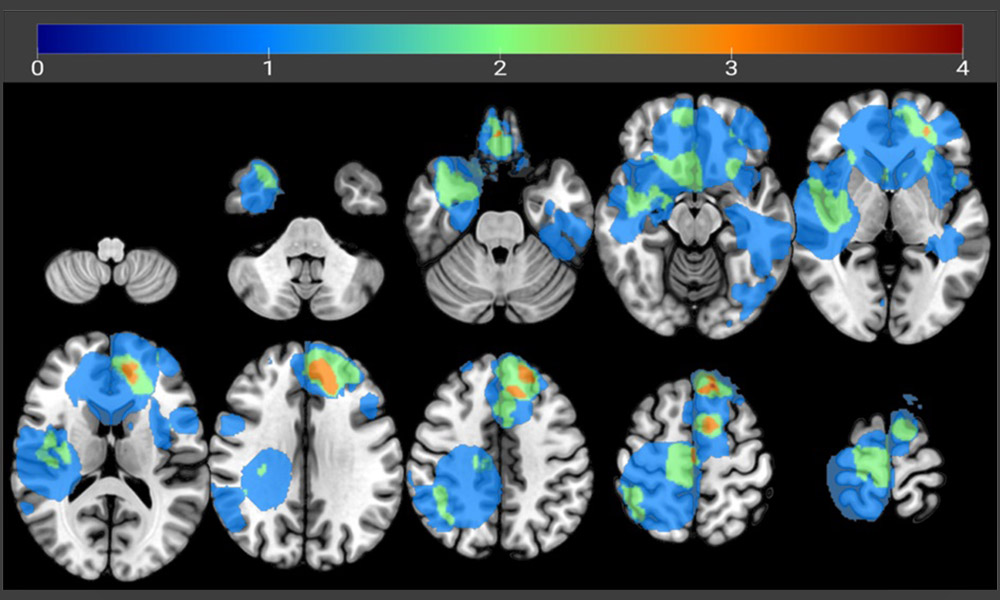
Figure 1: Neuroimaging data showing altered brain activity in regions associated with motor control and balance (cerebellum, thalamus, motor cortex), overlaid with color-coded intensity maps. This visualization helps correlate balance dysfunction in brain tumor patients with specific structural abnormalities.
Optimizing Rehabilitation with CDP and AI
Beyond the operating room, the combination of CDP and Generative AI has the potential to revolutionize post-operative rehabilitation. AI algorithms can track a patient’s progress, comparing their post-surgical balance performance to their pre-surgical baseline. This allows for the creation of personalized rehabilitation programs that evolve in real-time as the patient improves. AI can also predict potential setbacks or complications in recovery, enabling early interventions that can significantly improve long-term outcomes.
A New Era in Pre-Surgical Planning
The integration of CDP and Generative AI is ushering in a new era of pre-surgical planning for brain tumor patients. By providing a more detailed and comprehensive understanding of balance dysfunctions, these technologies allow for truly personalized care. Patients can benefit from more accurate surgical interventions and tailored rehabilitation strategies, ultimately leading to better outcomes and improved quality of life. The collaboration of CDP and Generative AI represents a game-changing advance in the field of neurosurgery. As these technologies continue to evolve, they hold the potential to reshape how we approach not only brain tumor surgeries but also the broader realm of neuro-rehabilitation. This integration marks a significant step toward more precise, data-driven, and patient-centered care.
Related News
ReadyMe launches digital learning session for O/L students at Nalanda College
Sri Lankan digital learning platform ReadyMe recently launched a series of school-focused educational programs, holding its inaugural session at Nalanda College, Colombo,…
Read More
Teachers’ dedication key to student success, says Governor Hanif Yoosuf
Western Province Governor Hanif Yoosuf commended teachers at Fathima Muslim Ladies College, Colombo, for their vital role in student success during the…
Read More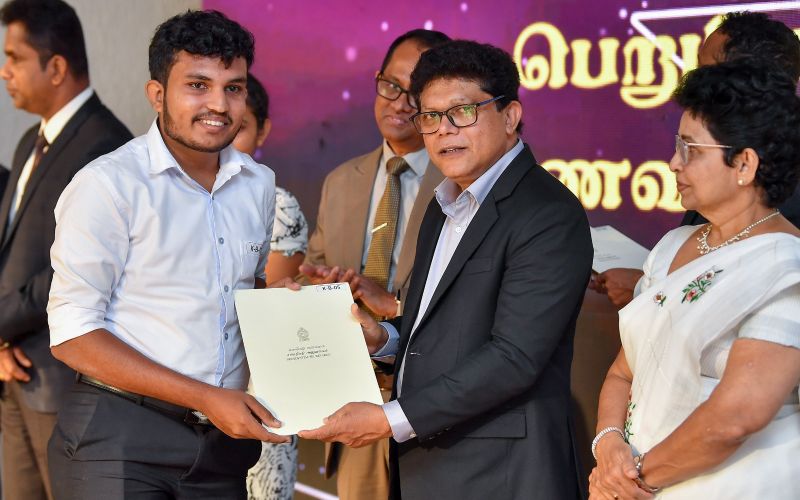
Sabaragamuwa Province honours top 2025 A/L achievers under President’s Fund initiative
The Sabaragamuwa Provincial programme to recognise outstanding performers at the 2025 G.C.E. Advanced Level Examination, conducted by the President’s Fund to appreciate…
Read More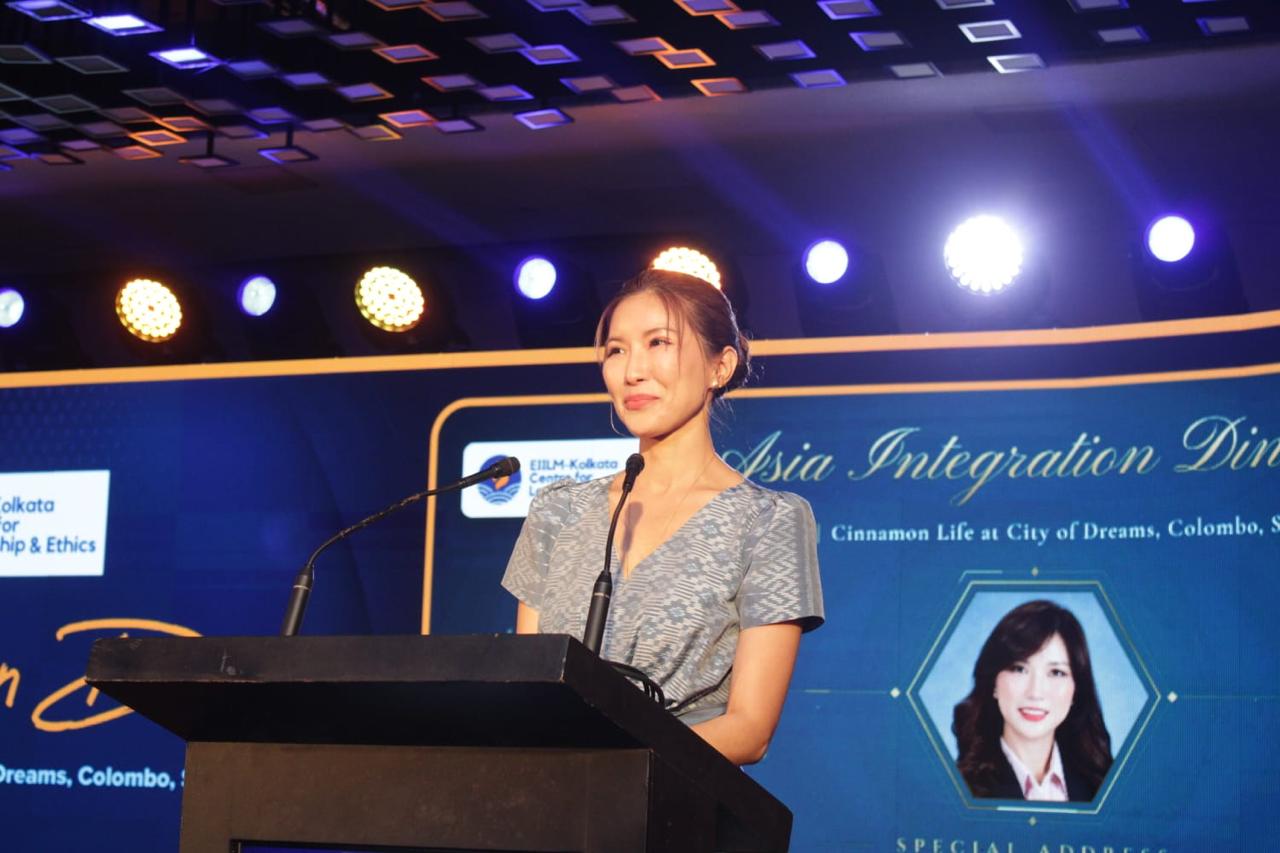
Horizon Campus and EIILM-Kolkata Strengthen Asian Academic Ties at International Conference in Colombo
Dr Nithima Yuenyong Vice President Pathumthani University Thailand What if our differences could become our greatest strength? What if people from different…
Read More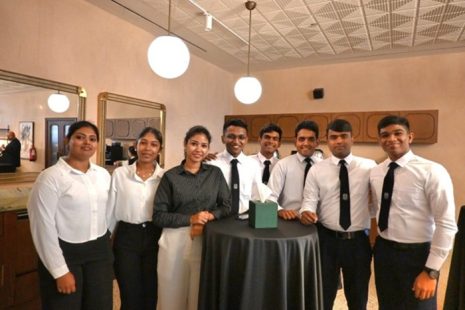
Sri Lankan hospitality students land career boosting internships in Doha
Eight Sri Lankan hospitality students from the Sri Lanka Institute of Tourism and Hotel Management (SLITHM) have commenced an internship programme at…
Read MoreCourses
-

The future of higher education tech: why industry needs purpose-built solutions
For years, Institutions and education agencies have been forced to rely on a patchwork of horizontal SaaS solutions – general tools that… -

MBA in Project Management & Artificial Intelligence – Oxford College of Business
In an era defined by rapid technological change, organizations increasingly demand leaders who not only understand traditional project management, but can also… -

Scholarships for 2025 Postgraduate Diploma in Education for SLEAS and SLTES Officers
The Ministry of Education, Higher Education and Vocational Education has announced the granting of full scholarships for the one-year weekend Postgraduate Diploma… -
Shape Your Future with a BSc in Business Management (HRM) at Horizon Campus
Human Resource Management is more than a career. It’s about growing people, building organizational culture, and leading with purpose. Every impactful journey… -
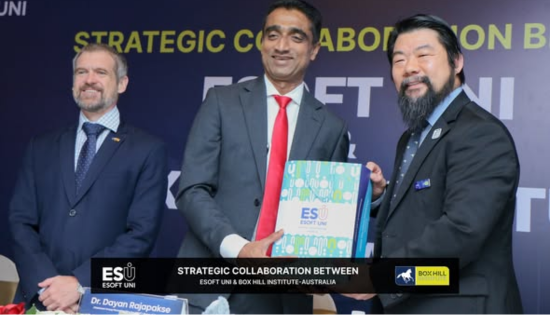
ESOFT UNI Signs MoU with Box Gill Institute, Australia
ESOFt UNI recently hosted a formal Memorandum of Understanding (MoU) signing ceremony with Box Hill Institute, Australia, signaling a significant step in… -

Ace Your University Interview in Sri Lanka: A Guide with Examples
Getting into a Sri Lankan sate or non-state university is not just about the scores. For some universities' programmes, your personality, communication… -
MCW Global Young Leaders Fellowship 2026
MCW Global (Miracle Corners of the World) runs a Young Leaders Fellowship, a year-long leadership program for young people (18–26) around the… -
Enhance Your Arabic Skills with the Intermediate Language Course at BCIS
BCIS invites learners to join its Intermediate Arabic Language Course this November and further develop both linguistic skills and cultural understanding. Designed… -
Achieve Your American Dream : NCHS Spring Intake Webinar
NCHS is paving the way for Sri Lankan students to achieve their American Dream. As Sri Lanka’s leading pathway provider to the… -
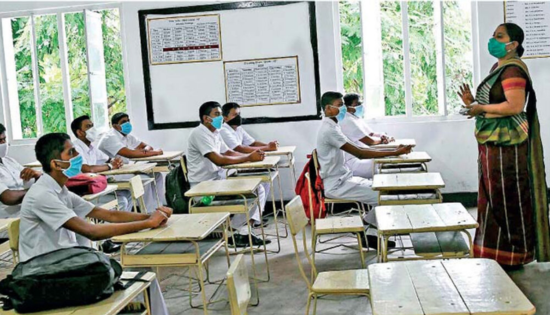
National Diploma in Teaching course : Notice
A Gazette notice has been released recently, concerning the enrollment of aspiring teachers into National Colleges of Education for the three-year pre-service… -
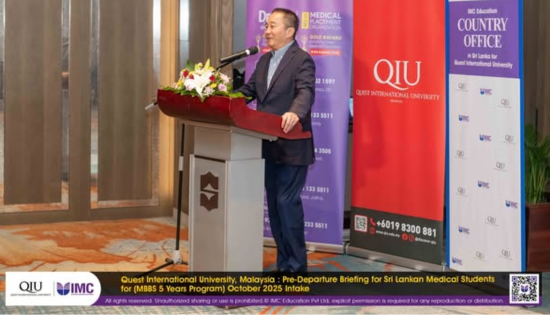
IMC Education Features Largest Student Recruitment for QIU’s October 2025 Intake
Quest International University (QIU), Malaysia recently hosted a pre-departure briefing and high tea at the Shangri-La Hotel in Colombo for its incoming… -
Global University Employability Ranking according to Times Higher Education
Attending college or university offers more than just career preparation, though selecting the right school and program can significantly enhance your job… -

Diploma in Occupational Safety & Health (DOSH) – CIPM
The Chartered Institute of Personnel Management (CIPM) is proud to announce the launch of its Diploma in Occupational Safety & Health (DOSH),… -
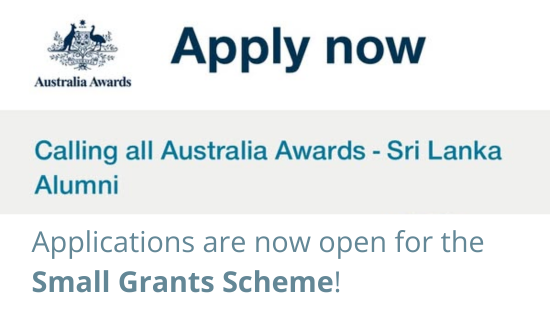
Small Grant Scheme for Australia Awards Alumni Sri Lanka
Australia Awards alumni are warmly invited to apply for a grant up to AUD 5,000 to support an innovative project that aim… -
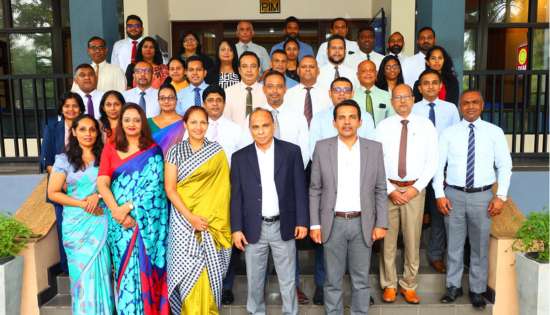
PIM Launches Special Programme for Newly Promoted SriLankan Airlines Managers
The Postgraduate Institute of Management (PIM) has launched a dedicated Newly Promoted Manager Programme designed to strengthen the leadership and management capabilities…
Newswire
-

How hackers used fake job interviews and AI to steal $6.3 billion from Binance
ON: November 3, 2026 -
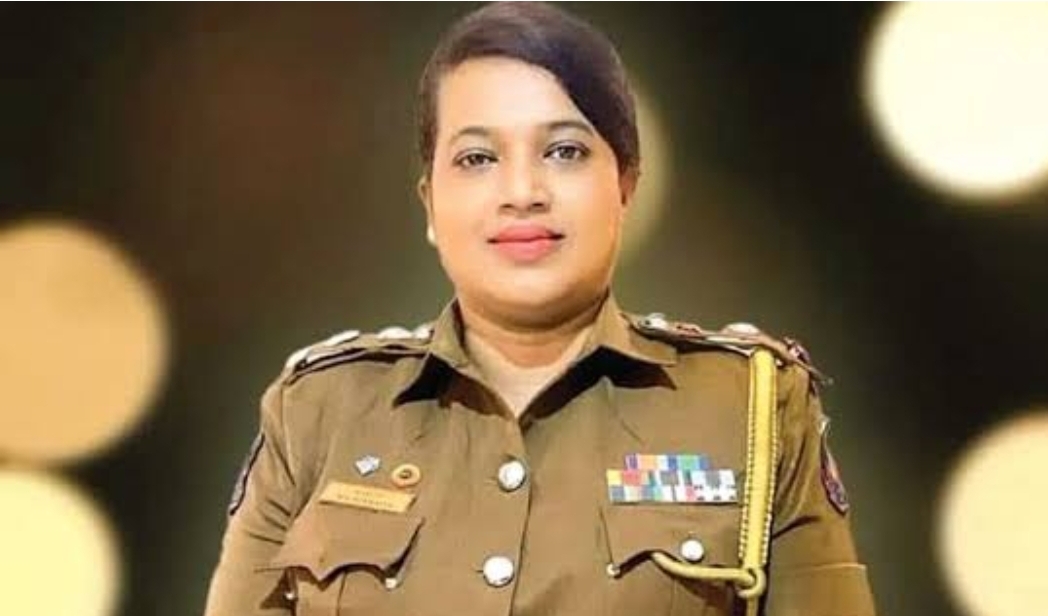
Senior police officer remanded over unexplained funds used to purchase car
ON: November 3, 2026 -
John Keells Holdings reports 39% increase in quarterly profit to Rs. 5.82 billion
ON: November 3, 2026 -
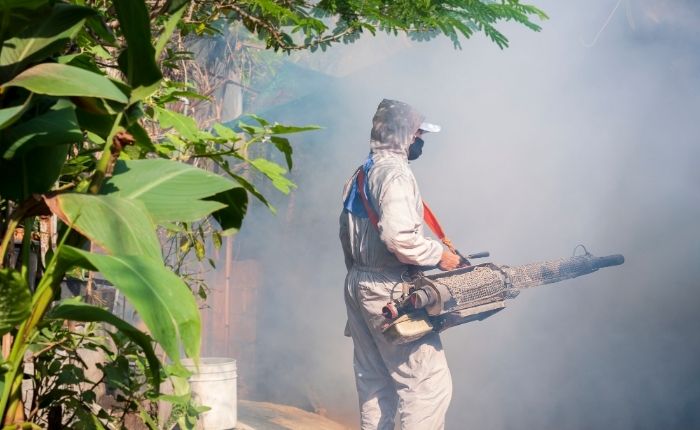
National dengue prevention week declared from November 9 to 14
ON: November 3, 2026