


Why student mental health is becoming an education issue, not just a personal issue
Student mental health is increasingly being recognised as a major education challenge across the world rather than simply a personal issue. Researchers and education experts warn that anxiety, academic burnout, stress, loneliness, and uncertainty about the future are affecting not only student wellbeing, but also learning outcomes and long-term academic success.
The issue gained greater global attention following the COVID-19 pandemic. According to the World Health Organization, young people experienced significant disruptions to education, social interaction, and daily routines during and after the pandemic, contributing to rising mental health concerns among adolescents and university students.
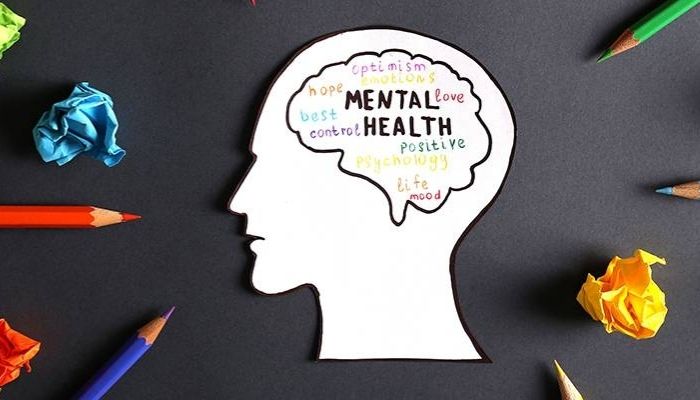
Research published in medical and education journals across Asia has also identified increasing levels of stress, emotional exhaustion, and depression among students in the post-pandemic period. In Sri Lanka, economic pressures, highly competitive examinations, financial uncertainty, and concerns surrounding higher education opportunities have added further strain for many young people.
Education researchers argue that mental health has a direct impact on academic performance. Students experiencing chronic stress or anxiety often face difficulties with concentration, memory retention, attendance, motivation, and classroom engagement. Several international studies have found that emotional wellbeing is closely connected to academic achievement and student retention rates.
Social media has further complicated the issue. Experts warn that constant comparison, cyberbullying, unrealistic productivity expectations, and excessive screen exposure may negatively affect student confidence and emotional wellbeing, particularly among teenagers and young adults.

In response, schools and universities in several countries have begun integrating counselling services, peer-support systems, wellbeing programmes, and flexible learning approaches into mainstream education policies. Some higher education institutions have also introduced stress management workshops and expanded mental health support services for students.
Within Sri Lanka, discussions surrounding student mental health are gradually becoming more visible. However, mental health professionals and educators note that stigma surrounding emotional wellbeing still prevents many students from seeking help early. Access to trained counsellors and institutional support services also remains limited in many schools and universities.

Researchers additionally emphasise the role teachers can play in supporting students. Studies suggest that positive teacher-student relationships and supportive classroom environments can improve emotional resilience, academic confidence, and student engagement.
Education experts increasingly argue that student mental health should not be viewed separately from education policy. Instead, they say emotional wellbeing is becoming a central part of creating effective and sustainable learning environments in the modern education system.
Sources: World Health Organization – World Mental Health Report 2022; UNICEF – The State of the World’s Children 2021: On My Mind; UNESCO – Reimagining our futures together: A new social contract for education; The Lancet Regional Health – Asia studies on youth mental health
Related News
Korean Association pledges medical aid and special needs youth programme for Sri Lanka
The Korean Volunteer Association for Distinguished Service to the State is organizing an 11-day programme for next year aimed at identifying and…
Read More
Cabinet approves permanent appointment of Technical Education Director General
The Cabinet of Ministers has granted approval for the permanent appointment of Dilki Vathsala Marambage as the Director General of the Department…
Read MoreGovt approves Rs. 6,000 stationery allowance for 1.5 million students in 2027
The Government has decided to extend its school stationery assistance programme into the 2027 academic year, providing a Rs. 6,000 allowance to…
Read More
Young Innovators to Take Centre Stage at BigSpark Robotics Competition & STEAM Activity Day 2026
BigSpark by Gateway is set to bring together young innovators, budding scientists and technology enthusiasts for its annual Robotics Competition & STEAM…
Read MorePM pledges equal opportunities and enhanced school infrastructure at Habarana Maha Vidyalaya event
Prime Minister and Minister of Education, Higher Education and Vocational Education, Dr. Harini Amarasuriya said on 10 October that the Government is…
Read MoreCourses
-

The future of higher education tech: why industry needs purpose-built solutions
For years, Institutions and education agencies have been forced to rely on a patchwork of horizontal SaaS solutions – general tools that… -

MBA in Project Management & Artificial Intelligence – Oxford College of Business
In an era defined by rapid technological change, organizations increasingly demand leaders who not only understand traditional project management, but can also… -

Scholarships for 2025 Postgraduate Diploma in Education for SLEAS and SLTES Officers
The Ministry of Education, Higher Education and Vocational Education has announced the granting of full scholarships for the one-year weekend Postgraduate Diploma… -
Shape Your Future with a BSc in Business Management (HRM) at Horizon Campus
Human Resource Management is more than a career. It’s about growing people, building organizational culture, and leading with purpose. Every impactful journey… -
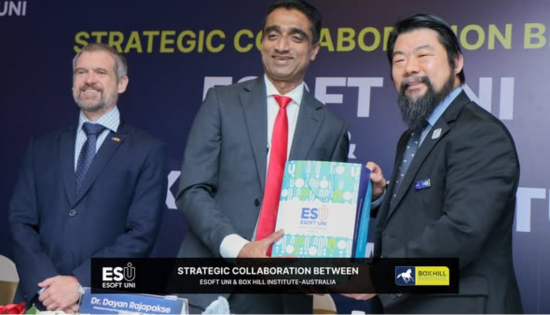
ESOFT UNI Signs MoU with Box Gill Institute, Australia
ESOFt UNI recently hosted a formal Memorandum of Understanding (MoU) signing ceremony with Box Hill Institute, Australia, signaling a significant step in… -

Ace Your University Interview in Sri Lanka: A Guide with Examples
Getting into a Sri Lankan sate or non-state university is not just about the scores. For some universities' programmes, your personality, communication… -
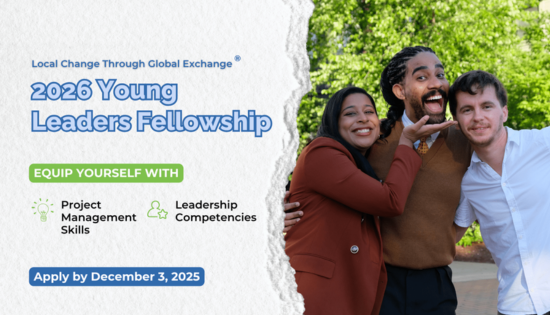
MCW Global Young Leaders Fellowship 2026
MCW Global (Miracle Corners of the World) runs a Young Leaders Fellowship, a year-long leadership program for young people (18–26) around the… -
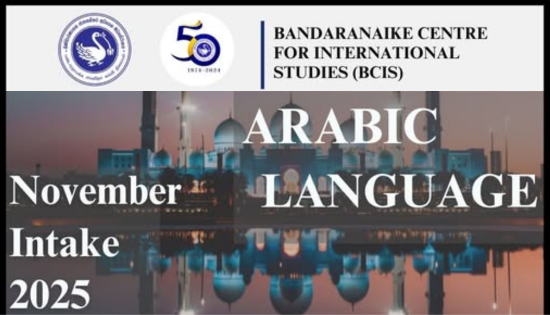
Enhance Your Arabic Skills with the Intermediate Language Course at BCIS
BCIS invites learners to join its Intermediate Arabic Language Course this November and further develop both linguistic skills and cultural understanding. Designed… -

Achieve Your American Dream : NCHS Spring Intake Webinar
NCHS is paving the way for Sri Lankan students to achieve their American Dream. As Sri Lanka’s leading pathway provider to the… -
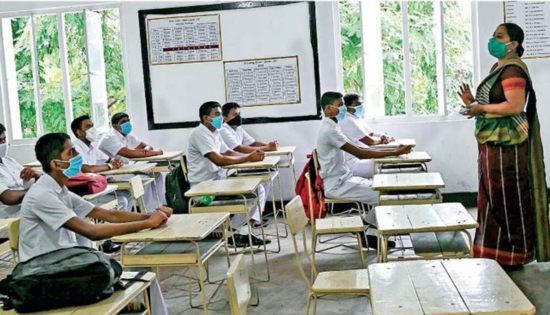
National Diploma in Teaching course : Notice
A Gazette notice has been released recently, concerning the enrollment of aspiring teachers into National Colleges of Education for the three-year pre-service… -
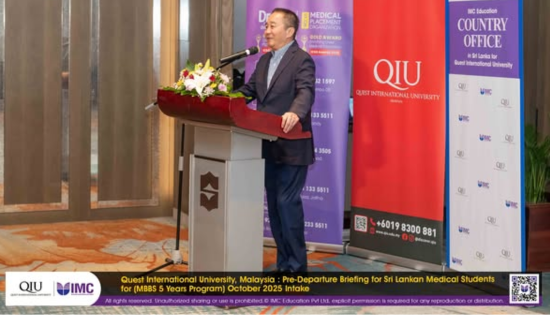
IMC Education Features Largest Student Recruitment for QIU’s October 2025 Intake
Quest International University (QIU), Malaysia recently hosted a pre-departure briefing and high tea at the Shangri-La Hotel in Colombo for its incoming… -

Global University Employability Ranking according to Times Higher Education
Attending college or university offers more than just career preparation, though selecting the right school and program can significantly enhance your job… -

Diploma in Occupational Safety & Health (DOSH) – CIPM
The Chartered Institute of Personnel Management (CIPM) is proud to announce the launch of its Diploma in Occupational Safety & Health (DOSH),… -
Small Grant Scheme for Australia Awards Alumni Sri Lanka
Australia Awards alumni are warmly invited to apply for a grant up to AUD 5,000 to support an innovative project that aim… -
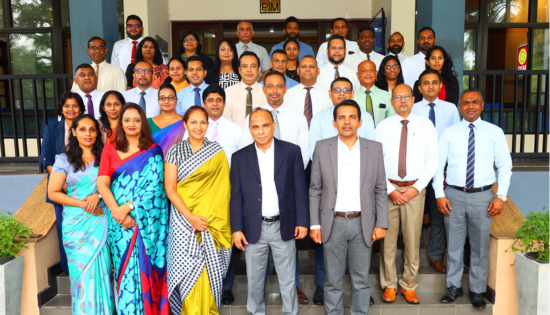
PIM Launches Special Programme for Newly Promoted SriLankan Airlines Managers
The Postgraduate Institute of Management (PIM) has launched a dedicated Newly Promoted Manager Programme designed to strengthen the leadership and management capabilities…
Newswire
-

More Than the Kitchen: 20+ Ways to Use CIF Cream Around the Home
ON: October 13, 2026 -
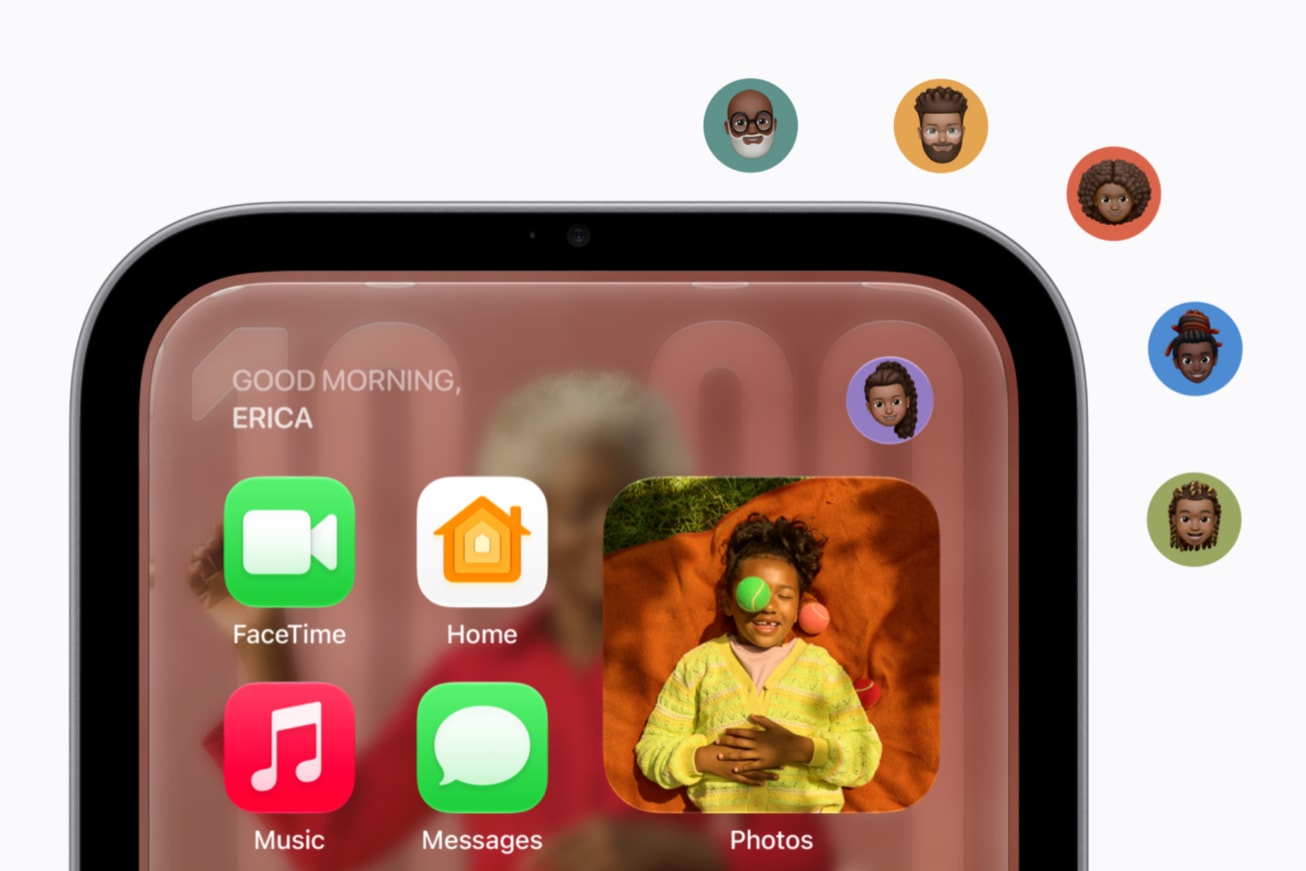
Apple introduces HomeView, bringing AI-powered Siri into your home
ON: October 13, 2026 -

Met Department issues Amber advisory for rough seas off Mannar to Hambantota coast
ON: October 13, 2026