

Degrees Still Matter: AI Has Not Replaced Graduates
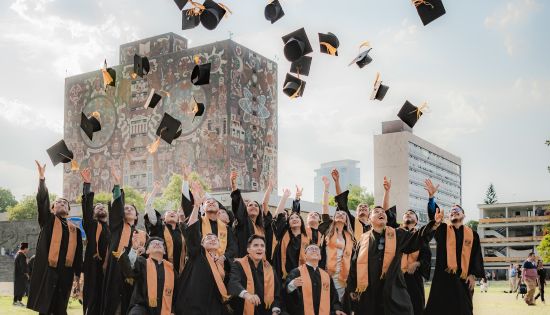
Recent updates from Times Higher Education (THE) in April 2026 highlight an important message for students: despite the rapid growth of artificial intelligence (AI), most employers are not planning to replace graduate jobs with AI. This is encouraging news for Sri Lankan students who may feel uncertain about their future in a fast changing digital world. Instead of replacing graduates, many organisations are now looking for individuals who can work alongside AI, combining academic knowledge with practical and professional skills.
A university degree continues to hold strong value in today’s job market. Employers across industries still prioritise graduates because of their ability to think critically, solve problems, communicate effectively, and adapt to new challenges. These are skills that AI cannot fully replicate. According to global education insights shared by Times Higher Education and supported by frameworks used in the QS World University Rankings, universities are increasingly focusing on producing well rounded graduates who are prepared for both current and future workplaces.

For Sri Lankan students, this means that simply obtaining a degree is not enough. It is important to combine academic qualifications with practical exposure. Many top universities around the world have already adapted their programmes to meet this demand. Institutions such as National University of Singapore, University of Melbourne, and University of Tokyo offer degree programmes that include internships, industry placements, and real world projects. These opportunities help students gain hands on experience while studying, making them more competitive in the global job market.
In addition to technical knowledge, employers are placing greater emphasis on soft skills. Communication, teamwork, leadership, and adaptability are now essential qualities that students must develop during their university journey. This is particularly important in an AI driven world, where human interaction and decision making remain key factors in most professions. Universities are responding by integrating these skills into their teaching methods, group work, and assessment structures.
Another important trend is the strong connection between universities and industry. Many leading institutions are working closely with companies to design courses that match current job market needs. For example, universities in countries like Singapore and China have built partnerships with global technology firms, allowing students to work on live industry projects. This ensures that graduates are not only academically qualified but also job ready from day one.

Sri Lankan students should also take advantage of guidance provided by official institutions such as the University Grants Commission Sri Lanka, which helps ensure that recognised degrees meet both local and international standards. For those planning to study abroad, embassies like the Embassy of Japan in Sri Lanka and Australian High Commission Sri Lanka provide accurate information on visa processes, scholarships, and approved universities.
In conclusion, the rise of AI does not reduce the value of a university degree; instead, it changes how students should prepare for their careers. Degrees remain highly respected by employers, but students must focus on building a combination of academic knowledge, practical experience, and essential soft skills. For Sri Lankan students, this is an opportunity to adapt, grow, and position themselves for success in a modern, technology driven global workforce.
Related News
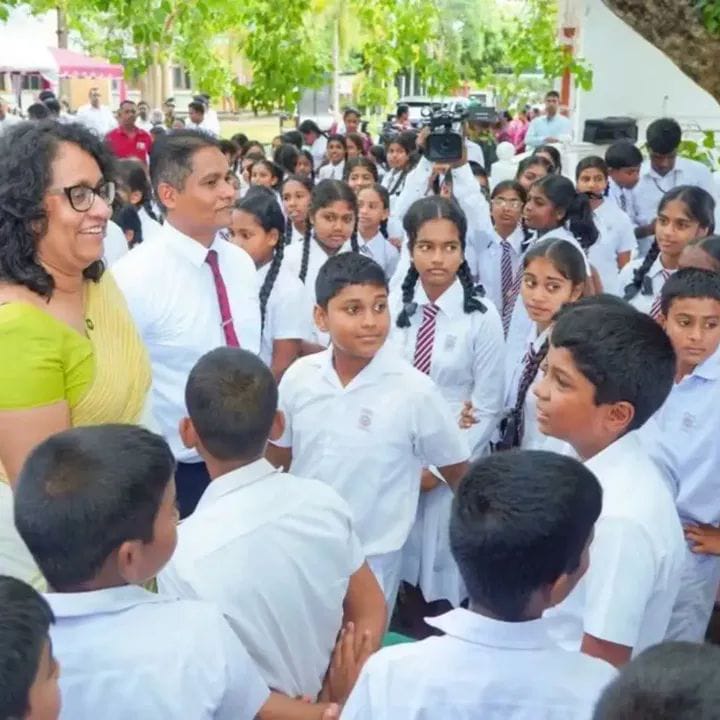
Mrs. Nimala Perera; A Treasure Trove and the Heart of St. Joseph’s College, Colombo 10.
By : Guruji Ravindhiran Maruthai Mrs. Nimala Perera, a renowned educator of the hallowed educational institutionSt. Joseph’s College, Colombo 10, Sri Lanka,celebrates…
Read More
Online admission cards released for 2026 A/L Biosystems Technology Practical Exams
Candidates appearing for the 2026 G.C.E. Advanced Level Biosystems Technology practical examinations can download their admission cards from the official Department of…
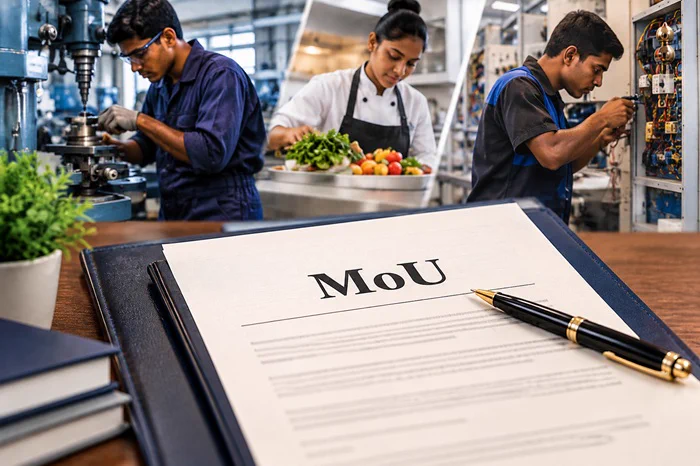
Read MoreGovt to renew MoU with Asia Pacific Body to elevate vocational training
The Cabinet of Ministers has approved a proposal to renew the Memorandum of Understanding (MoU) between Sri Lanka’s Tertiary and Vocational Education…
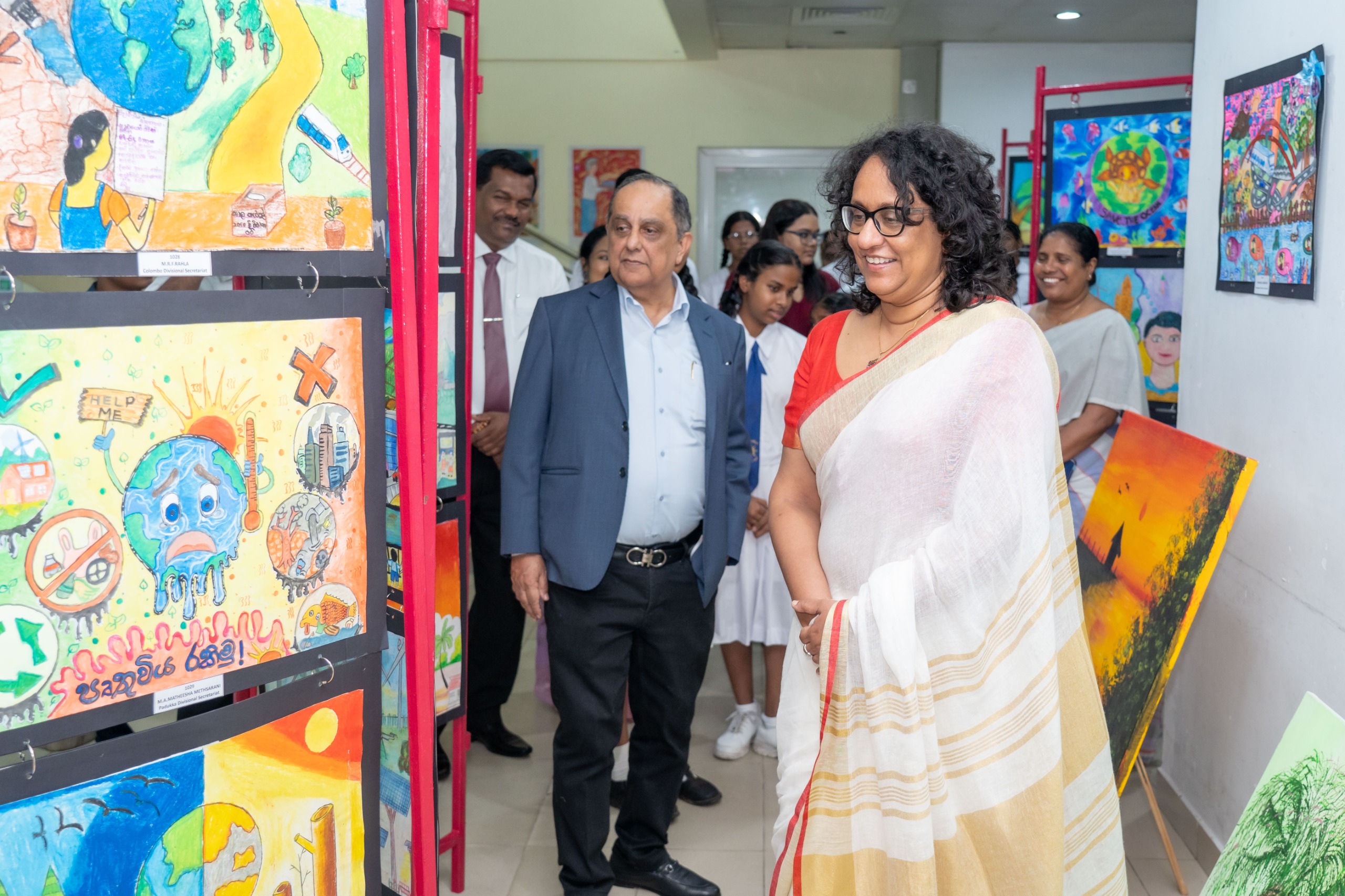
Read MorePM inaugurates ‘Sittam 2026’ Art Exhibition under ‘Kolomtota Abhinandana’ initiative
In parallel with the National Literary and Arts Festival, Prime Minister Dr. Harini Amarasuriya opened the 'Sittam 2026' art exhibition on October…
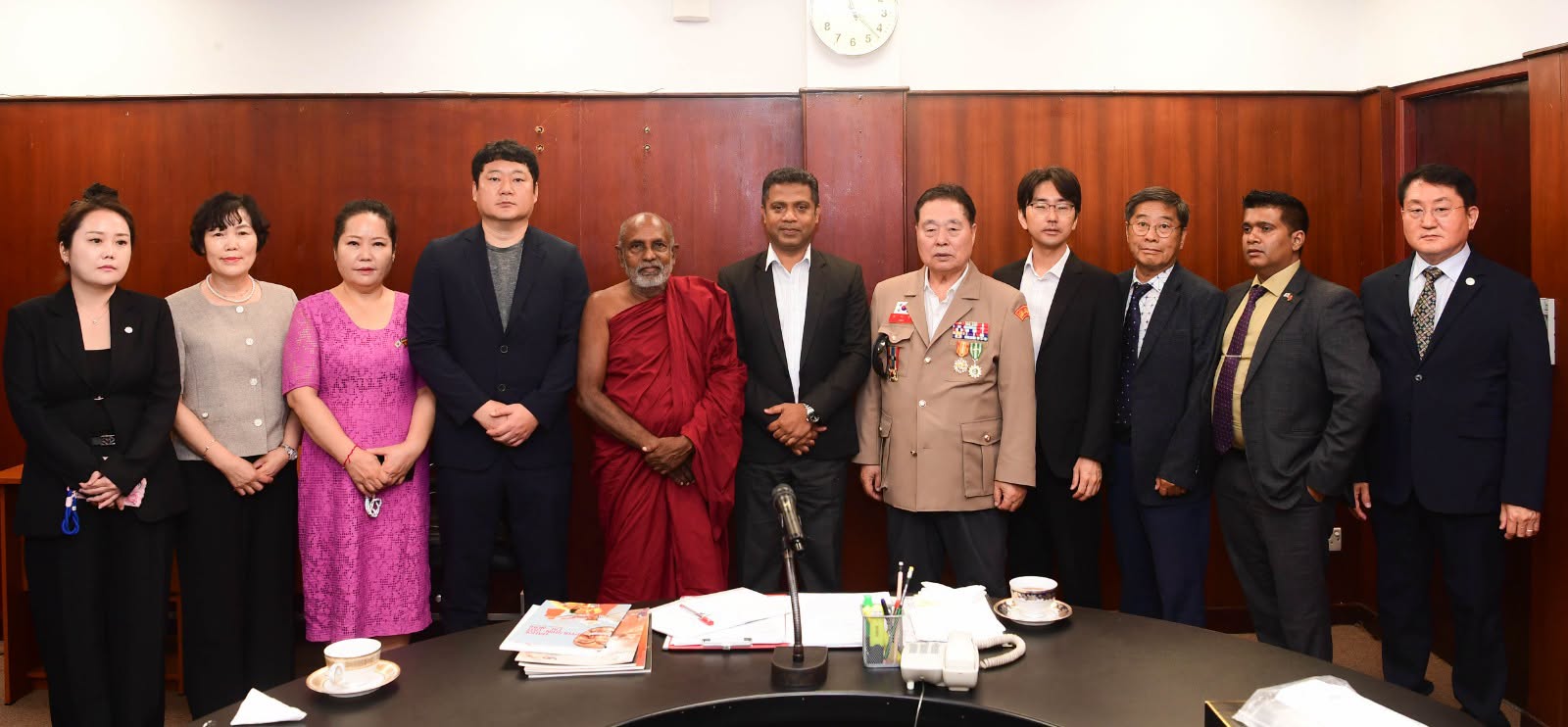
Read MoreKorean Association pledges medical aid and special needs youth programme for Sri Lanka
The Korean Volunteer Association for Distinguished Service to the State is organizing an 11-day programme for next year aimed at identifying and…
Read MoreCourses
-

The future of higher education tech: why industry needs purpose-built solutions
For years, Institutions and education agencies have been forced to rely on a patchwork of horizontal SaaS solutions – general tools that… -

MBA in Project Management & Artificial Intelligence – Oxford College of Business
In an era defined by rapid technological change, organizations increasingly demand leaders who not only understand traditional project management, but can also… -

Scholarships for 2025 Postgraduate Diploma in Education for SLEAS and SLTES Officers
The Ministry of Education, Higher Education and Vocational Education has announced the granting of full scholarships for the one-year weekend Postgraduate Diploma… -
Shape Your Future with a BSc in Business Management (HRM) at Horizon Campus
Human Resource Management is more than a career. It’s about growing people, building organizational culture, and leading with purpose. Every impactful journey… -
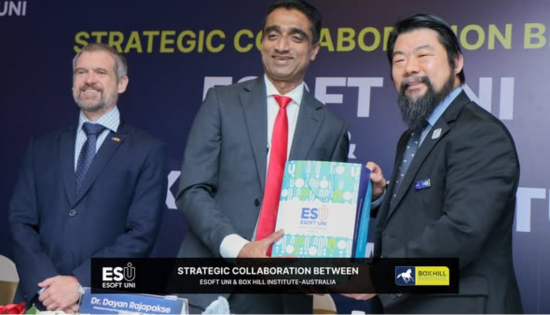
ESOFT UNI Signs MoU with Box Gill Institute, Australia
ESOFt UNI recently hosted a formal Memorandum of Understanding (MoU) signing ceremony with Box Hill Institute, Australia, signaling a significant step in… -

Ace Your University Interview in Sri Lanka: A Guide with Examples
Getting into a Sri Lankan sate or non-state university is not just about the scores. For some universities' programmes, your personality, communication… -
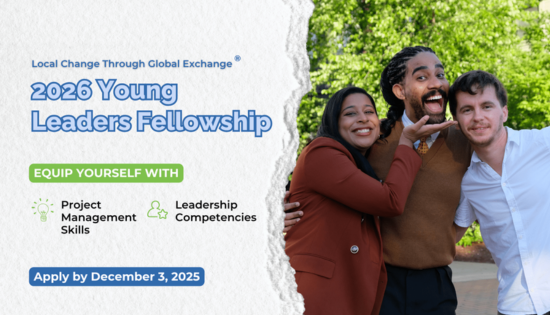
MCW Global Young Leaders Fellowship 2026
MCW Global (Miracle Corners of the World) runs a Young Leaders Fellowship, a year-long leadership program for young people (18–26) around the… -
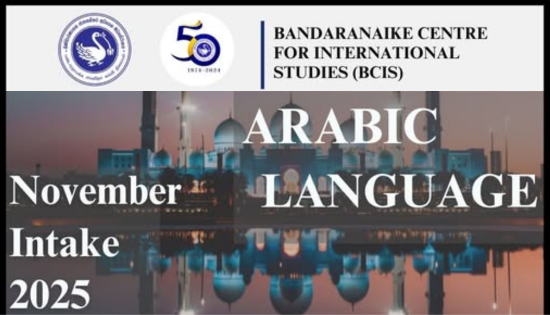
Enhance Your Arabic Skills with the Intermediate Language Course at BCIS
BCIS invites learners to join its Intermediate Arabic Language Course this November and further develop both linguistic skills and cultural understanding. Designed… -

Achieve Your American Dream : NCHS Spring Intake Webinar
NCHS is paving the way for Sri Lankan students to achieve their American Dream. As Sri Lanka’s leading pathway provider to the… -
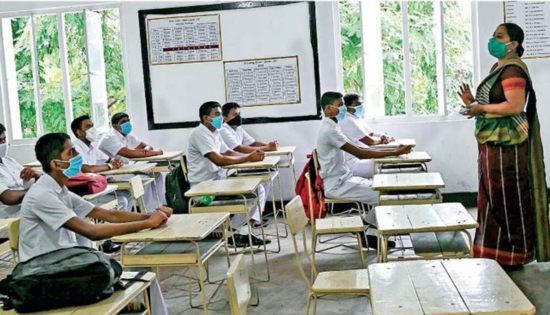
National Diploma in Teaching course : Notice
A Gazette notice has been released recently, concerning the enrollment of aspiring teachers into National Colleges of Education for the three-year pre-service… -
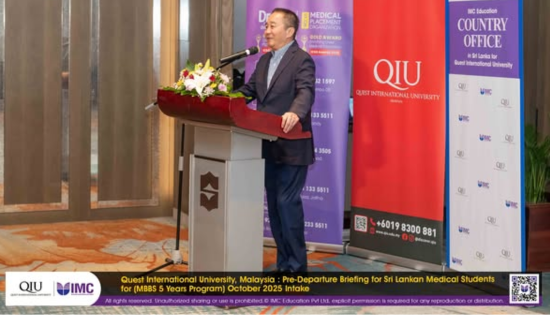
IMC Education Features Largest Student Recruitment for QIU’s October 2025 Intake
Quest International University (QIU), Malaysia recently hosted a pre-departure briefing and high tea at the Shangri-La Hotel in Colombo for its incoming… -

Global University Employability Ranking according to Times Higher Education
Attending college or university offers more than just career preparation, though selecting the right school and program can significantly enhance your job… -

Diploma in Occupational Safety & Health (DOSH) – CIPM
The Chartered Institute of Personnel Management (CIPM) is proud to announce the launch of its Diploma in Occupational Safety & Health (DOSH),… -
Small Grant Scheme for Australia Awards Alumni Sri Lanka
Australia Awards alumni are warmly invited to apply for a grant up to AUD 5,000 to support an innovative project that aim… -
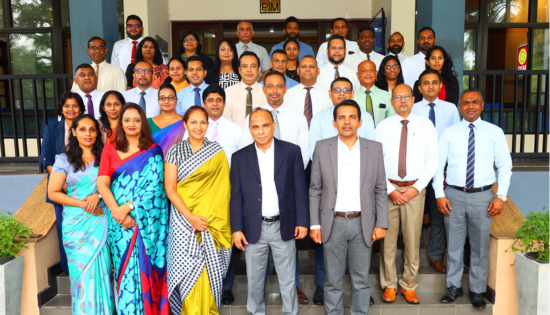
PIM Launches Special Programme for Newly Promoted SriLankan Airlines Managers
The Postgraduate Institute of Management (PIM) has launched a dedicated Newly Promoted Manager Programme designed to strengthen the leadership and management capabilities…
Newswire
-
St. Joseph’s College Honours Mrs Nimala Perera’s Five Decades of Service
ON: October 14, 2026 -

Taxpayers reminded to submit income tax returns by November 30
ON: October 14, 2026 -

Sri Lanka joins first BIMSTEC Home Ministers’ Meeting in India
ON: October 14, 2026 -
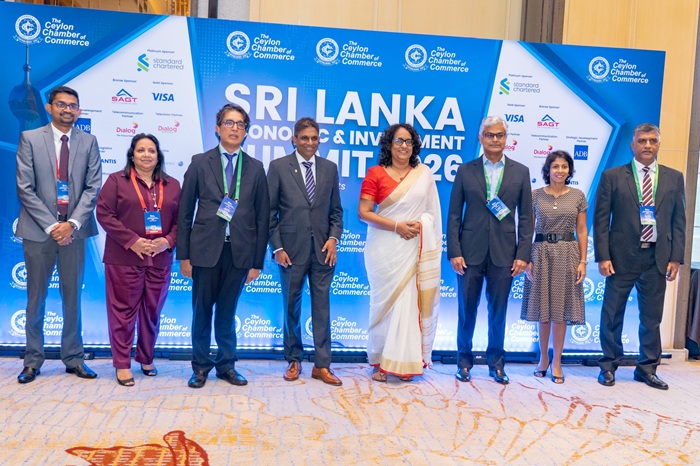
PM hails Sri Lanka’s $9 Bn export performance in first half of 2026
ON: October 14, 2026 -
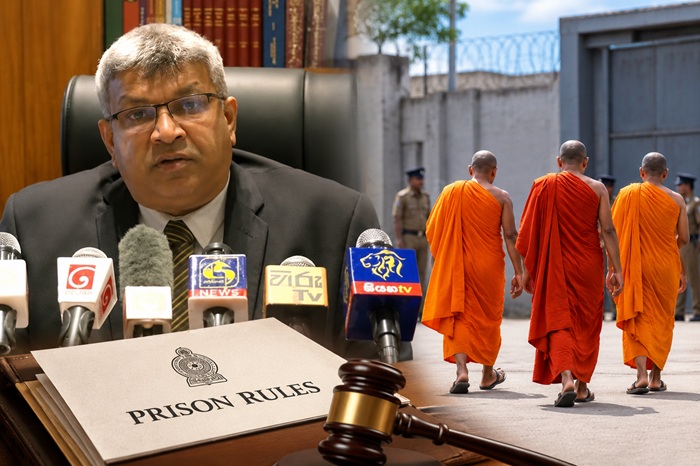
New prison rules proposed to allow Buddhist monks to wear robes outside prison
ON: October 14, 2026