



Google unveils AI-powered future for Chrome and web browsing at I/O 2026

Google has announced a series of major updates for Chrome, Search, and its Gemini AI ecosystem during its annual developer conference, Google I/O 2026, signalling what the company describes as a shift towards an “agentic” internet experience powered by artificial intelligence.
The announcements place AI at the centre of how users search, browse, learn, and interact online, with several updates expected to influence students, educators, developers, and digital content creators globally.
Chrome moves towards an “agentic browser”
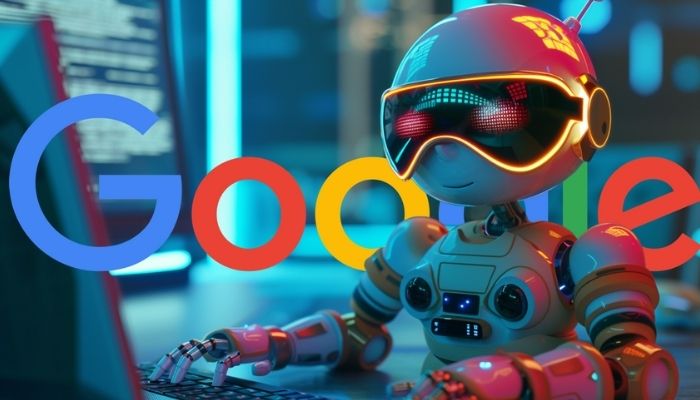
One of the biggest developments from the conference was Google’s plan to integrate its AI assistant Spark directly into Chrome later this year. According to Google CEO Sundar Pichai, the feature is expected to allow Chrome to function as an “agentic browser,” capable of assisting users with tasks across the web.
Google says the AI-powered browsing experience could help users summarise webpages, organise research, compare products, automate repetitive tasks, and interact with online services more efficiently.
For students and educators, this may significantly change how online research and digital learning are carried out in the future.
Search receives biggest upgrade in over 25 years
Google also announced what it described as the biggest upgrade to Search in more than two decades. The company is introducing a redesigned AI-powered search interface using its Gemini AI models.
The updated Search experience will allow users to ask longer and more complex questions, upload documents and images, and receive AI-generated responses integrated directly into search results.
Google says the goal is to make online information retrieval more conversational and personalised rather than relying on traditional keyword-based searching.
Education experts have already begun debating how such AI-powered search systems may affect research skills, digital literacy, and academic integrity among students.
Gemini AI expands across Google services
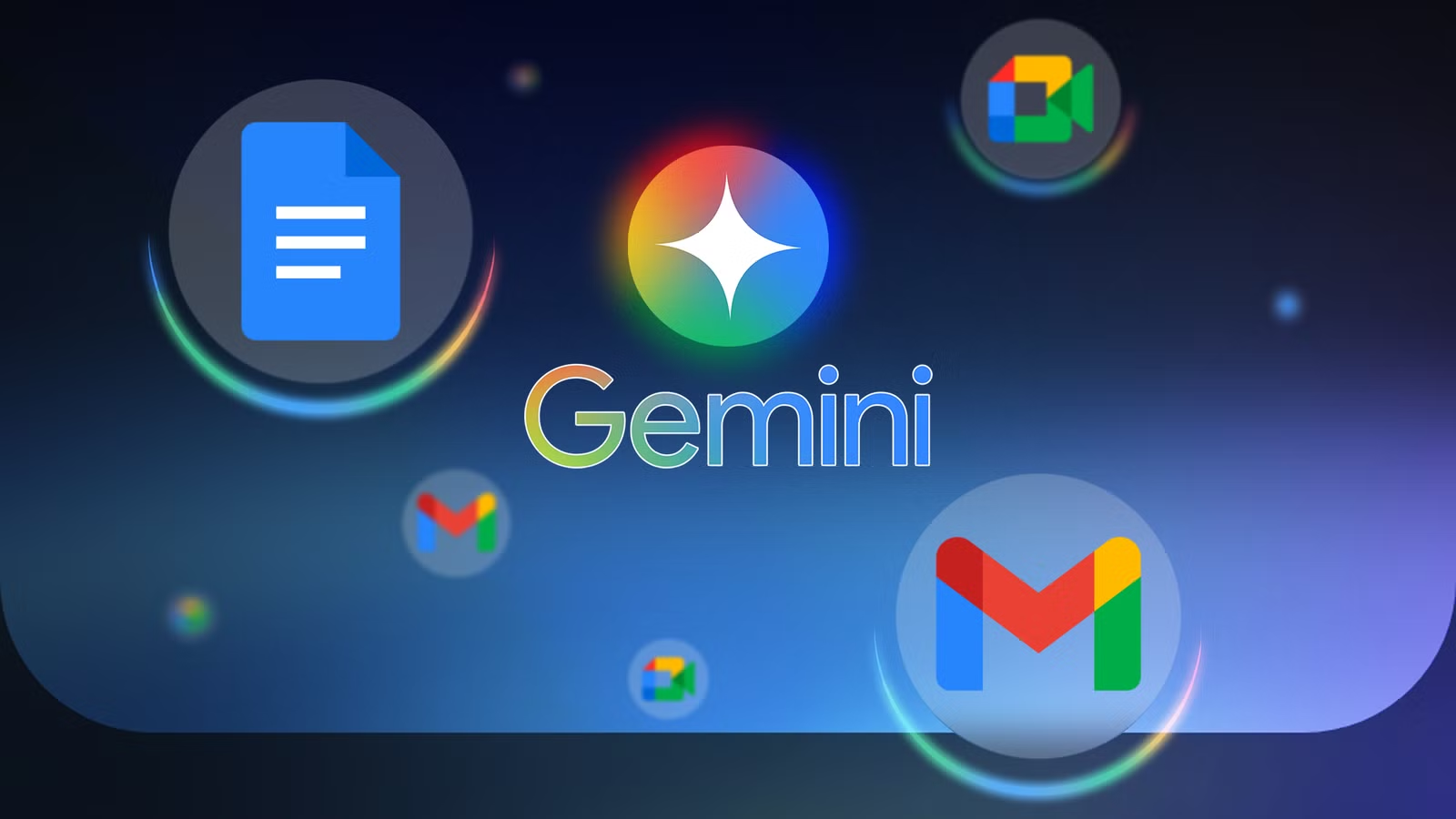
At the event, Google introduced Gemini Omni and Gemini 3.5 Flash, two new AI models that the company says are designed to support multimodal interaction, faster reasoning, and task automation.
The Gemini ecosystem is also being expanded into products including Gmail, Docs, YouTube, Android, and Chrome.
Among the new features announced were:
- AI-powered email assistance in Gmail
- “Ask YouTube” for conversational video searching
- AI-supported document editing tools
- personalised AI-generated daily summaries
- expanded AI shopping and productivity tools
Google says these features are intended to create a more integrated AI experience across its platforms.
Implications for education and digital learning
The announcements come at a time when schools and universities worldwide are increasingly debating the role of generative AI in education.
AI-powered browsers and search systems could provide students with faster access to information, language support, and personalised learning assistance. However, researchers and educators continue to raise concerns about misinformation, overreliance on AI-generated answers, and the weakening of independent critical thinking skills.
In countries like Sri Lanka, where students increasingly rely on smartphones and digital platforms for learning, the expansion of AI-powered internet tools may further reshape how education and research are approached.
Several universities globally have already begun redesigning assessments and classroom activities in response to generative AI technologies.
Developers and creators also targeted
Google’s announcements also focused heavily on developers and digital creators. The company introduced updates to Google AI Studio, Android support tools, and AI-assisted creative systems designed for video, music, and app development.
The company says its long-term goal is to create AI systems capable of acting more independently across devices, applications, and web services.
Industry analysts say the announcements reflect growing competition among major technology companies to dominate the next phase of AI-powered computing.
Sources: Google I/O 2026 announcements; A new era for AI Search; I/O 2026: Welcome to the agentic Gemini era; 100 things announced at Google I/O 2026
Related News
Korean Association pledges medical aid and special needs youth programme for Sri Lanka
The Korean Volunteer Association for Distinguished Service to the State is organizing an 11-day programme for next year aimed at identifying and…
Read More
Cabinet approves permanent appointment of Technical Education Director General
The Cabinet of Ministers has granted approval for the permanent appointment of Dilki Vathsala Marambage as the Director General of the Department…
Read MoreGovt approves Rs. 6,000 stationery allowance for 1.5 million students in 2027
The Government has decided to extend its school stationery assistance programme into the 2027 academic year, providing a Rs. 6,000 allowance to…
Read More
Young Innovators to Take Centre Stage at BigSpark Robotics Competition & STEAM Activity Day 2026
BigSpark by Gateway is set to bring together young innovators, budding scientists and technology enthusiasts for its annual Robotics Competition & STEAM…
Read MorePM pledges equal opportunities and enhanced school infrastructure at Habarana Maha Vidyalaya event
Prime Minister and Minister of Education, Higher Education and Vocational Education, Dr. Harini Amarasuriya said on 10 October that the Government is…
Read MoreCourses
-
The future of higher education tech: why industry needs purpose-built solutions
For years, Institutions and education agencies have been forced to rely on a patchwork of horizontal SaaS solutions – general tools that… -

MBA in Project Management & Artificial Intelligence – Oxford College of Business
In an era defined by rapid technological change, organizations increasingly demand leaders who not only understand traditional project management, but can also… -

Scholarships for 2025 Postgraduate Diploma in Education for SLEAS and SLTES Officers
The Ministry of Education, Higher Education and Vocational Education has announced the granting of full scholarships for the one-year weekend Postgraduate Diploma… -

Shape Your Future with a BSc in Business Management (HRM) at Horizon Campus
Human Resource Management is more than a career. It’s about growing people, building organizational culture, and leading with purpose. Every impactful journey… -
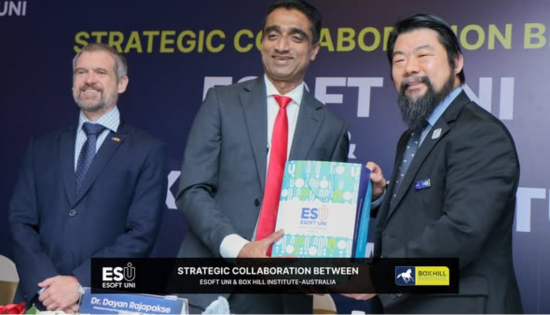
ESOFT UNI Signs MoU with Box Gill Institute, Australia
ESOFt UNI recently hosted a formal Memorandum of Understanding (MoU) signing ceremony with Box Hill Institute, Australia, signaling a significant step in… -

Ace Your University Interview in Sri Lanka: A Guide with Examples
Getting into a Sri Lankan sate or non-state university is not just about the scores. For some universities' programmes, your personality, communication… -
MCW Global Young Leaders Fellowship 2026
MCW Global (Miracle Corners of the World) runs a Young Leaders Fellowship, a year-long leadership program for young people (18–26) around the… -
Enhance Your Arabic Skills with the Intermediate Language Course at BCIS
BCIS invites learners to join its Intermediate Arabic Language Course this November and further develop both linguistic skills and cultural understanding. Designed… -

Achieve Your American Dream : NCHS Spring Intake Webinar
NCHS is paving the way for Sri Lankan students to achieve their American Dream. As Sri Lanka’s leading pathway provider to the… -
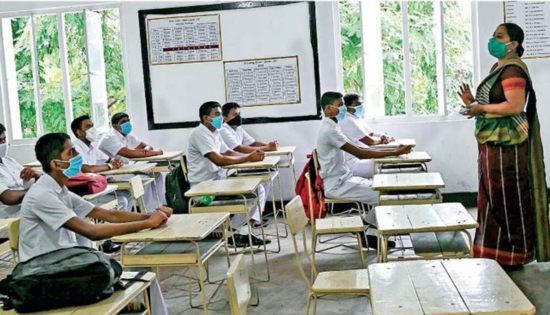
National Diploma in Teaching course : Notice
A Gazette notice has been released recently, concerning the enrollment of aspiring teachers into National Colleges of Education for the three-year pre-service… -
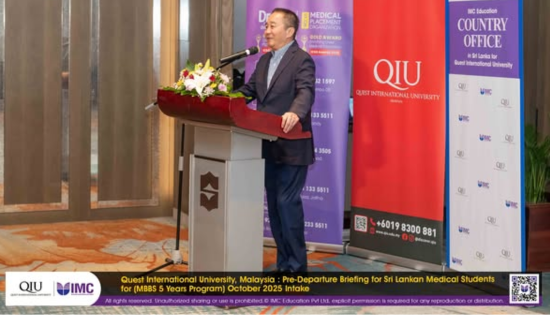
IMC Education Features Largest Student Recruitment for QIU’s October 2025 Intake
Quest International University (QIU), Malaysia recently hosted a pre-departure briefing and high tea at the Shangri-La Hotel in Colombo for its incoming… -

Global University Employability Ranking according to Times Higher Education
Attending college or university offers more than just career preparation, though selecting the right school and program can significantly enhance your job… -

Diploma in Occupational Safety & Health (DOSH) – CIPM
The Chartered Institute of Personnel Management (CIPM) is proud to announce the launch of its Diploma in Occupational Safety & Health (DOSH),… -
Small Grant Scheme for Australia Awards Alumni Sri Lanka
Australia Awards alumni are warmly invited to apply for a grant up to AUD 5,000 to support an innovative project that aim… -
PIM Launches Special Programme for Newly Promoted SriLankan Airlines Managers
The Postgraduate Institute of Management (PIM) has launched a dedicated Newly Promoted Manager Programme designed to strengthen the leadership and management capabilities…
Newswire
-

More Than the Kitchen: 20+ Ways to Use CIF Cream Around the Home
ON: October 13, 2026 -
Apple introduces HomeView, bringing AI-powered Siri into your home
ON: October 13, 2026 -

Met Department issues Amber advisory for rough seas off Mannar to Hambantota coast
ON: October 13, 2026