

Why humans use dress to express identity

Long before people exchange words, they make judgments based on appearance.
A business suit may suggest professionalism. A school uniform instantly identifies a student. A traditional saree, kimono, or kilt can reflect cultural heritage, while a sports jersey signals loyalty to a favourite team. Even something as simple as a black T-shirt and jeans can communicate a person’s lifestyle or personality.
Fashion is often dismissed as a matter of trends, luxury, or personal taste. Yet anthropologists, psychologists, and historians argue that clothing is one of humanity’s oldest and most powerful forms of communication. Before people introduce themselves, their clothes often tell a story about who they are, or who they wish to be.
From prehistoric animal skins to modern smart fabrics, clothing has evolved alongside human civilisation, reflecting changes in culture, technology, identity, and values.
More than protection from the elements
The earliest clothing was created primarily for survival. Animal hides, woven fibres, and plant materials protected early humans from cold, heat, and harsh environments.
Over time, however, clothing became much more than protection.
Archaeological evidence suggests that ancient civilisations used clothing, jewellery, colours, and textiles to indicate social status, occupation, religious beliefs, and community membership. Egyptian pharaohs wore elaborate linen garments and gold ornaments, while Roman senators were recognised by distinctive togas. Across Asia, Africa, and Europe, clothing evolved into a visual language understood by society.
Historians describe fashion as one of the earliest non-verbal communication systems. Long before written language became widespread, what people wore conveyed important information about their place in society.
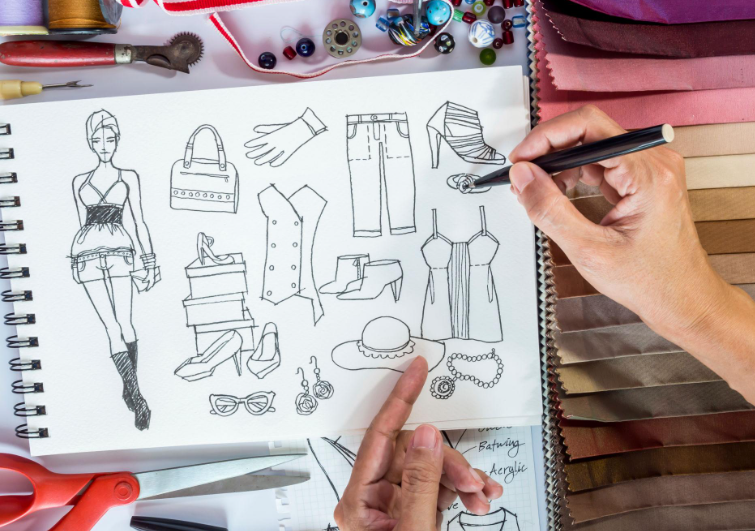
Clothing as a language of identity
Today, fashion continues to communicate identity, often within seconds of meeting someone.
Psychologists suggest that people consciously and unconsciously use clothing to express aspects of their personality, beliefs, and aspirations. A person’s wardrobe may reflect creativity, professionalism, rebellion, tradition, environmental awareness, or cultural pride.
Fashion therefore becomes a form of self-expression.
Teenagers, for example, often experiment with clothing as they develop their identities. Young adults may adjust their style as they enter universities or workplaces. Even later in life, changes in clothing frequently accompany major life events such as marriage, parenthood, career changes, or retirement.
Researchers note that fashion allows individuals to balance two important psychological needs: the desire to belong and the desire to be unique.
People often adopt styles that connect them with particular communities while simultaneously expressing their individuality.
The psychology behind what we wear
Scientists have long been interested in the relationship between clothing and human behaviour.
One concept that has attracted attention is “enclothed cognition,” a term introduced by researchers studying how clothing influences psychological processes.
Studies suggest that what people wear may affect confidence, concentration, behaviour, and even decision-making.
For example, some research has found that participants wearing formal clothing reported feeling more confident and performed differently on certain cognitive tasks compared to those dressed casually. Other studies suggest that uniforms may influence behaviour by reinforcing shared identity and responsibility.
Although clothing alone does not determine personality or ability, psychologists argue that fashion can shape both how people see themselves and how others respond to them.
This helps explain why people often dress differently for job interviews, weddings, sporting events, or important presentations.

Fashion as culture
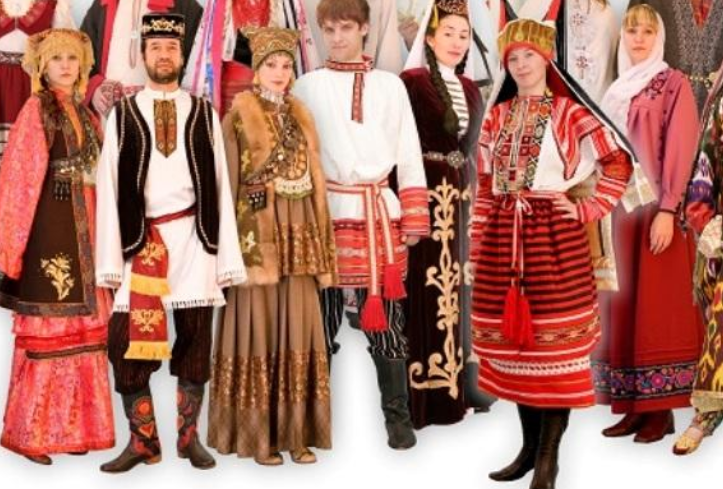
Fashion is also one of the strongest expressions of cultural identity.
Around the world, traditional clothing reflects centuries of history, craftsmanship, and cultural values.
Sri Lanka’s osariya, Japan’s kimono, India’s saree, Scotland’s kilt, and West Africa’s colourful textiles each tell stories about the societies that created them.
These garments are more than beautiful designs. They often represent ceremonies, religious beliefs, family traditions, or national identity.
Even in an increasingly globalised world, traditional dress continues to play an important role during weddings, festivals, graduations, and cultural celebrations.
Fashion historians argue that preserving traditional clothing is also a way of preserving cultural heritage.
The hidden cost of fast fashion
While fashion encourages creativity and innovation, it also faces growing criticism.
The rise of “fast fashion” has transformed the global clothing industry. Many brands now produce inexpensive garments at remarkable speed, allowing consumers to purchase the latest styles more frequently than ever before.
However, researchers warn that this model comes with significant environmental and social consequences.
The fashion industry is one of the world’s largest consumers of water and resources. Textile production contributes to carbon emissions, while millions of tonnes of discarded clothing end up in landfills each year.
Labour conditions within parts of the global garment industry have also raised ethical concerns regarding wages, worker safety, and production practices.
As awareness grows, consumers are increasingly asking not only “What should I wear?” but also “Who made my clothes?” and “What impact does my purchase have on the planet?”
The rise of sustainable fashion
In response, a growing movement is promoting sustainable fashion.
Instead of encouraging constant consumption, sustainable fashion emphasises durability, ethical production, recycling, and responsible use of materials.
Many designers are experimenting with organic fibres, recycled fabrics, biodegradable textiles, and circular production systems that reduce waste.
Consumers are also embracing second-hand clothing, clothing rental services, vintage fashion, and repair culture as alternatives to disposable fashion.
Experts believe the future of fashion may depend not on producing more clothing, but on producing better clothing.
Fashion meets technology
The future of clothing is likely to involve more than fabrics and design.
Scientists and engineers are already developing wearable technologies capable of monitoring heart rate, body temperature, physical activity, and other health indicators.
Smart textiles may eventually generate electricity through movement, regulate body temperature automatically, or even detect medical conditions before symptoms appear.
Some researchers are also exploring fabrics made from mushrooms, algae, laboratory-grown fibres, and other environmentally friendly materials.
Fashion is gradually becoming a meeting point between design, engineering, sustainability, and healthcare.
What our clothes really say
Fashion is sometimes criticised as being superficial, but research suggests it is deeply connected to human psychology and society.
Every choice, from colour and fabric to style and accessories, reflects decisions about identity, culture, comfort, profession, and personal values.
Clothing has always been more than fabric stitched together.
It is history woven into textiles, culture expressed through design, psychology reflected in appearance, and identity communicated without a single spoken word.
Perhaps that is why fashion continues to evolve with every generation. While trends come and go, the human desire to express who we are through what we wear remains timeless.
Related News

Mrs. Nimala Perera; A Treasure Trove and the Heart of St. Joseph’s College, Colombo 10.
By : Guruji Ravindhiran Maruthai Mrs. Nimala Perera, a renowned educator of the hallowed educational institutionSt. Joseph’s College, Colombo 10, Sri Lanka,celebrates…
Read More
Online admission cards released for 2026 A/L Biosystems Technology Practical Exams
Candidates appearing for the 2026 G.C.E. Advanced Level Biosystems Technology practical examinations can download their admission cards from the official Department of…
Read MoreGovt to renew MoU with Asia Pacific Body to elevate vocational training
The Cabinet of Ministers has approved a proposal to renew the Memorandum of Understanding (MoU) between Sri Lanka’s Tertiary and Vocational Education…
Read MorePM inaugurates ‘Sittam 2026’ Art Exhibition under ‘Kolomtota Abhinandana’ initiative
In parallel with the National Literary and Arts Festival, Prime Minister Dr. Harini Amarasuriya opened the 'Sittam 2026' art exhibition on October…
Read MoreKorean Association pledges medical aid and special needs youth programme for Sri Lanka
The Korean Volunteer Association for Distinguished Service to the State is organizing an 11-day programme for next year aimed at identifying and…
Read MoreCourses
-

The future of higher education tech: why industry needs purpose-built solutions
For years, Institutions and education agencies have been forced to rely on a patchwork of horizontal SaaS solutions – general tools that… -

MBA in Project Management & Artificial Intelligence – Oxford College of Business
In an era defined by rapid technological change, organizations increasingly demand leaders who not only understand traditional project management, but can also… -

Scholarships for 2025 Postgraduate Diploma in Education for SLEAS and SLTES Officers
The Ministry of Education, Higher Education and Vocational Education has announced the granting of full scholarships for the one-year weekend Postgraduate Diploma… -
Shape Your Future with a BSc in Business Management (HRM) at Horizon Campus
Human Resource Management is more than a career. It’s about growing people, building organizational culture, and leading with purpose. Every impactful journey… -
ESOFT UNI Signs MoU with Box Gill Institute, Australia
ESOFt UNI recently hosted a formal Memorandum of Understanding (MoU) signing ceremony with Box Hill Institute, Australia, signaling a significant step in… -

Ace Your University Interview in Sri Lanka: A Guide with Examples
Getting into a Sri Lankan sate or non-state university is not just about the scores. For some universities' programmes, your personality, communication… -
MCW Global Young Leaders Fellowship 2026
MCW Global (Miracle Corners of the World) runs a Young Leaders Fellowship, a year-long leadership program for young people (18–26) around the… -
Enhance Your Arabic Skills with the Intermediate Language Course at BCIS
BCIS invites learners to join its Intermediate Arabic Language Course this November and further develop both linguistic skills and cultural understanding. Designed… -

Achieve Your American Dream : NCHS Spring Intake Webinar
NCHS is paving the way for Sri Lankan students to achieve their American Dream. As Sri Lanka’s leading pathway provider to the… -
National Diploma in Teaching course : Notice
A Gazette notice has been released recently, concerning the enrollment of aspiring teachers into National Colleges of Education for the three-year pre-service… -
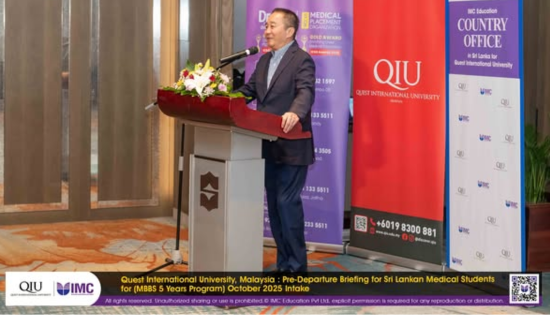
IMC Education Features Largest Student Recruitment for QIU’s October 2025 Intake
Quest International University (QIU), Malaysia recently hosted a pre-departure briefing and high tea at the Shangri-La Hotel in Colombo for its incoming… -

Global University Employability Ranking according to Times Higher Education
Attending college or university offers more than just career preparation, though selecting the right school and program can significantly enhance your job… -

Diploma in Occupational Safety & Health (DOSH) – CIPM
The Chartered Institute of Personnel Management (CIPM) is proud to announce the launch of its Diploma in Occupational Safety & Health (DOSH),… -
Small Grant Scheme for Australia Awards Alumni Sri Lanka
Australia Awards alumni are warmly invited to apply for a grant up to AUD 5,000 to support an innovative project that aim… -
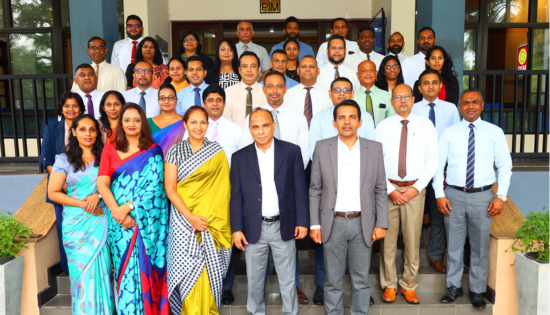
PIM Launches Special Programme for Newly Promoted SriLankan Airlines Managers
The Postgraduate Institute of Management (PIM) has launched a dedicated Newly Promoted Manager Programme designed to strengthen the leadership and management capabilities…
Newswire
-
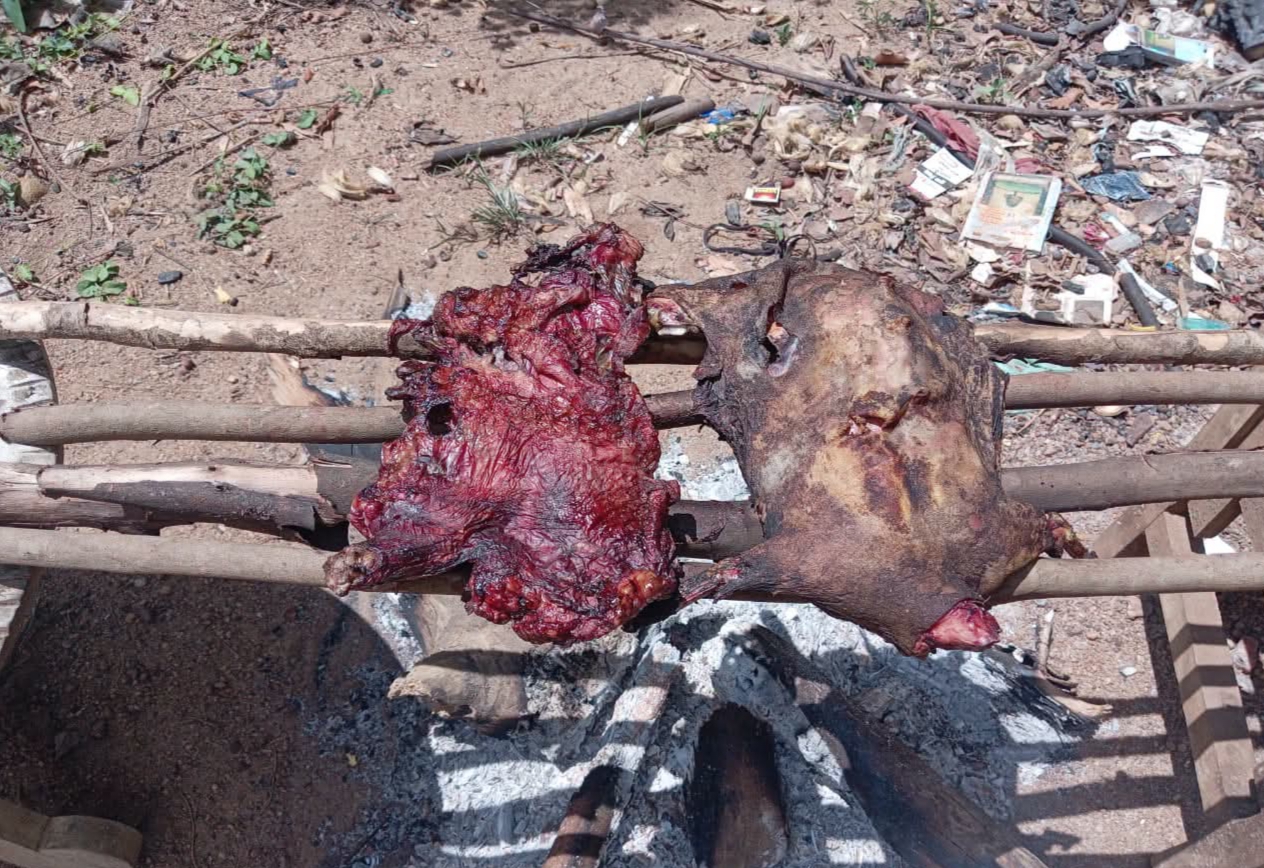
Wildlife officers arrest four suspects with porcupine meat, illegal firearms
ON: October 14, 2026 -
Sri Lanka Customs reaches 2026 revenue target of Rs. 2,208 Bn by Oct.13
ON: October 14, 2026 -
St. Joseph’s College Honours Mrs Nimala Perera’s Five Decades of Service
ON: October 14, 2026 -

Taxpayers reminded to submit income tax returns by November 30
ON: October 14, 2026 -

Sri Lanka joins first BIMSTEC Home Ministers’ Meeting in India
ON: October 14, 2026