





Harnessing Wind Power, How Wind Energy Works and Its Impact
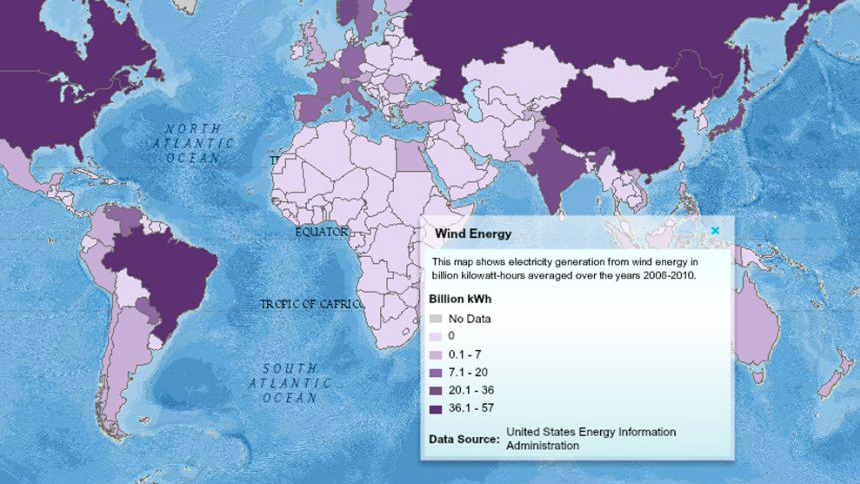
Wind energy, derived from the movement of air, has been a source of power for centuries. Today, wind turbines, towering structures with rotating blades, capture this energy and convert it into electricity. Let’s explore how wind energy works, its advantages, challenges, and impact.
How Wind Energy Works:
Wind turbines, both horizontal-axis and vertical-axis, are the main tools for generating wind energy. Horizontal-axis turbines, with their large blades rotating parallel to the ground, are the most common. They face the wind, and as the blades spin, they turn a generator, producing electricity. Vertical-axis turbines have varied, circular blades that rotate around their tower, allowing for easier maintenance.
Wind farms, consisting of hundreds of turbines, are often constructed to generate large amounts of electricity. These farms can be onshore or offshore, taking advantage of strong and consistent winds. They’re usually located in agricultural areas, where land between turbines can still be used for farming.
Advantages of Wind Energy
Renewable and Clean: Wind is an abundant and clean source of energy, reducing reliance on fossil fuels and decreasing air pollution.
Cost-Effective: Wind energy is relatively inexpensive, making it a viable option for both developed and developing economies.
Global Accessibility: Wind turbines can be installed almost anywhere, providing energy in remote areas and contributing to economic development.
Job Creation: Wind energy projects create job opportunities in manufacturing, installation, and maintenance, supporting local economies.
Challenges of Wind Energy
Initial Cost: Setting up wind farms and installing turbines requires significant investment, although operational costs are low.
Land Use and Habitat Impact: Wind farms may compete with other land uses, such as agriculture, and disrupt wildlife habitats.
Wildlife Concerns: Wind turbines can pose risks to birds and bats, requiring mitigation measures to minimize impacts.
Offshore Challenges: Offshore wind farms may affect marine ecosystems and require careful planning to minimize environmental impacts.
Transmission Issues: Wind-rich areas are often remote, necessitating the construction of transmission lines to deliver electricity to urban centers.
Impact of Wind Energy
Economic Growth: Wind energy contributes to economic growth by creating jobs, stimulating investment, and reducing energy costs.
Environmental Benefits: Wind power reduces greenhouse gas emissions and air pollution, improving air quality and mitigating climate change.
Energy Security: Diversifying energy sources with wind power enhances energy security and reduces dependence on imported fuels.
Community Development: Wind projects can provide economic opportunities and infrastructure improvements in rural communities.
Wind energy offers a sustainable solution to meeting energy needs while mitigating environmental impacts. By addressing challenges and maximizing benefits, wind power can play a significant role in the transition to a cleaner and more sustainable energy future.
Related News

How CIMA Builds Practical Business and Problem Solving Skills for the Real…
For students considering what to study after school or alongside a university degree, one question matters more than ever: will the qualification…
Read More
CIMA Beyond Accounting: Why Business Skills Matter for the Next Generation
For many Sri Lankan students, completing school brings one major question: what qualification should come next? A bachelor’s degree remains an important…
Read More
Gateway College and Wilderness School Australia Launch Teacher Exchange Programme
Students of Wilderness School were most welcoming to the teachers of Gateway Gateway College is pleased to announce the establishment of a…
Read More
Oxford College of Business Celebrates 1,550 Graduates at Landmark 2026 Graduation Ceremony
Oxford College of Business (OCB) celebrated the academic achievements of 1,550 graduands at its 2026 Graduation Ceremony, bringing together students, academics, international…
Read More
Imperial Announces CIMA Certificate Intake with 50% Off Class Fees
Imperial College of Business Studies (ICBS) will commence its latest CIMA Certificate Level intake on 19 September 2026, with weekday and weekend…
Read MoreCourses
-

The future of higher education tech: why industry needs purpose-built solutions
For years, Institutions and education agencies have been forced to rely on a patchwork of horizontal SaaS solutions – general tools that… -

MBA in Project Management & Artificial Intelligence – Oxford College of Business
In an era defined by rapid technological change, organizations increasingly demand leaders who not only understand traditional project management, but can also… -

Scholarships for 2025 Postgraduate Diploma in Education for SLEAS and SLTES Officers
The Ministry of Education, Higher Education and Vocational Education has announced the granting of full scholarships for the one-year weekend Postgraduate Diploma… -

Shape Your Future with a BSc in Business Management (HRM) at Horizon Campus
Human Resource Management is more than a career. It’s about growing people, building organizational culture, and leading with purpose. Every impactful journey… -
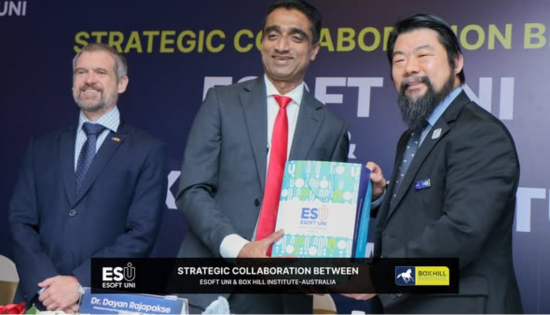
ESOFT UNI Signs MoU with Box Gill Institute, Australia
ESOFt UNI recently hosted a formal Memorandum of Understanding (MoU) signing ceremony with Box Hill Institute, Australia, signaling a significant step in… -

Ace Your University Interview in Sri Lanka: A Guide with Examples
Getting into a Sri Lankan sate or non-state university is not just about the scores. For some universities' programmes, your personality, communication… -
MCW Global Young Leaders Fellowship 2026
MCW Global (Miracle Corners of the World) runs a Young Leaders Fellowship, a year-long leadership program for young people (18–26) around the… -
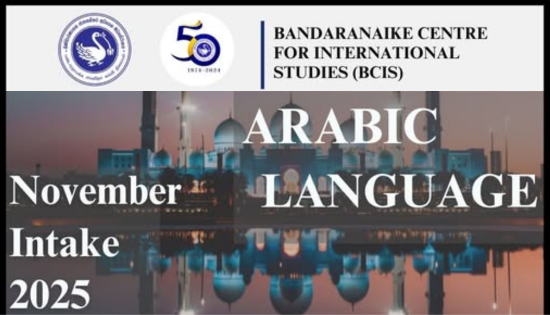
Enhance Your Arabic Skills with the Intermediate Language Course at BCIS
BCIS invites learners to join its Intermediate Arabic Language Course this November and further develop both linguistic skills and cultural understanding. Designed… -

Achieve Your American Dream : NCHS Spring Intake Webinar
NCHS is paving the way for Sri Lankan students to achieve their American Dream. As Sri Lanka’s leading pathway provider to the… -
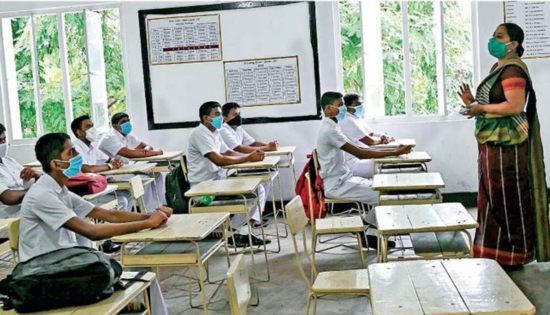
National Diploma in Teaching course : Notice
A Gazette notice has been released recently, concerning the enrollment of aspiring teachers into National Colleges of Education for the three-year pre-service… -
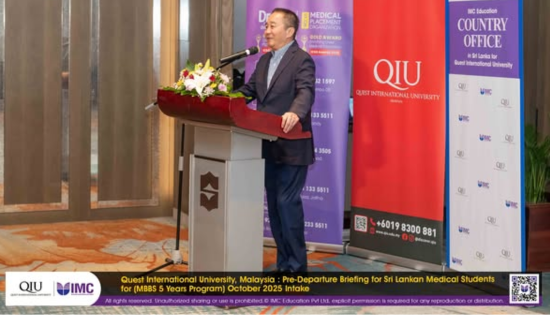
IMC Education Features Largest Student Recruitment for QIU’s October 2025 Intake
Quest International University (QIU), Malaysia recently hosted a pre-departure briefing and high tea at the Shangri-La Hotel in Colombo for its incoming… -

Global University Employability Ranking according to Times Higher Education
Attending college or university offers more than just career preparation, though selecting the right school and program can significantly enhance your job… -

Diploma in Occupational Safety & Health (DOSH) – CIPM
The Chartered Institute of Personnel Management (CIPM) is proud to announce the launch of its Diploma in Occupational Safety & Health (DOSH),… -
Small Grant Scheme for Australia Awards Alumni Sri Lanka
Australia Awards alumni are warmly invited to apply for a grant up to AUD 5,000 to support an innovative project that aim… -
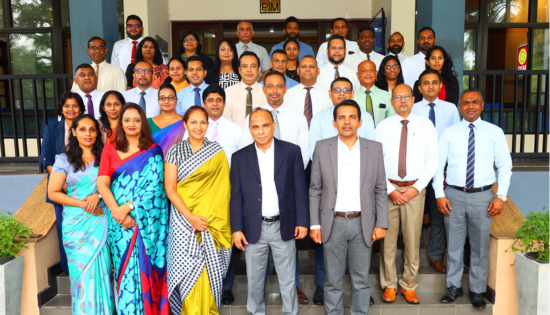
PIM Launches Special Programme for Newly Promoted SriLankan Airlines Managers
The Postgraduate Institute of Management (PIM) has launched a dedicated Newly Promoted Manager Programme designed to strengthen the leadership and management capabilities…
Newswire
-
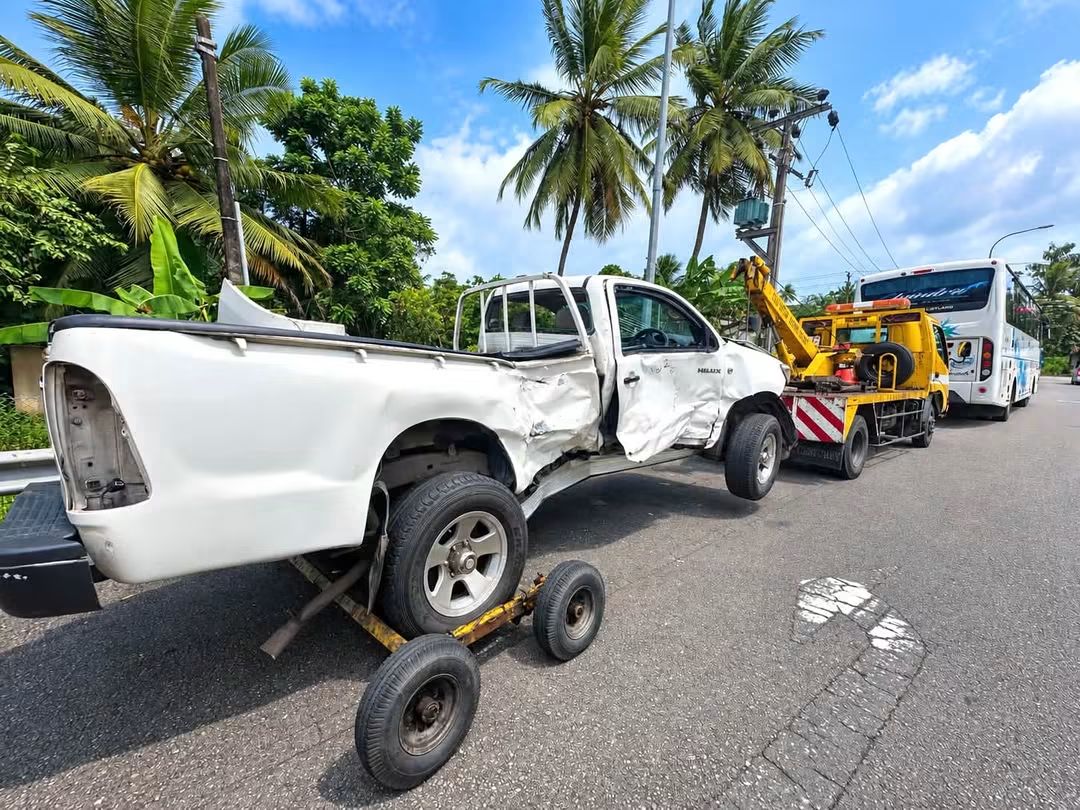
Police reveal cause of Southern Expressway crash involving 11 vehicles
ON: September 21, 2026 -

Suspect arrested with 8 firearms linked to murders of Dan Priyasad and his brother
ON: September 21, 2026 -
Sri Lankan media orgs appeal to Saudi Arabia for clemency for Sivarasa Anojan
ON: September 21, 2026 -

Passenger numbers on expressways limited to available seat belts: Police
ON: September 21, 2026 -
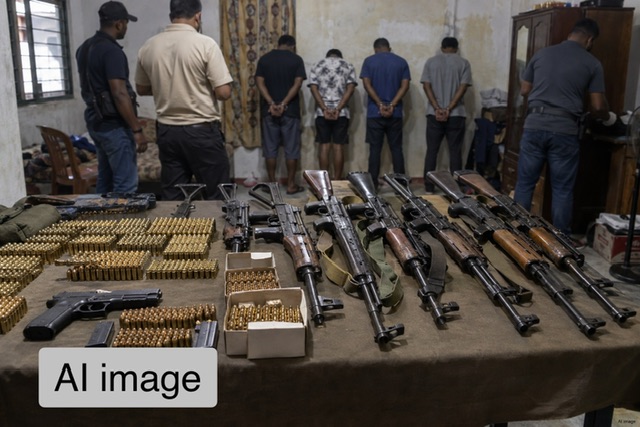
Four arrested with firearms, ammunition in Kolonnawa raids
ON: September 21, 2026