




Balancing Work and Higher Studies: A Guide for a Busy Learner

In today’s fast-paced world, many individuals find themselves pursuing higher education while maintaining full-time or part-time jobs. This dual responsibility can be both rewarding and demanding. Balancing work and studies requires not only determination and discipline but also smart strategies and efficient use of time. However, those who succeed in managing both reap long-term benefits such as enhanced career opportunities, greater self-discipline, and a deeper sense of accomplishment.
Working while studying builds valuable life skills such as time management, multitasking, and adaptability. It allows individuals to apply theoretical knowledge from their studies directly to their workplace, making learning more practical and relevant. However, without a proper plan, the constant juggling of deadlines and commitments can quickly lead to burnout, stress, and reduced performance in both areas.
To strike a healthy balance, it is essential to create a structured routine. Setting realistic goals, maintaining a consistent study schedule, and communicating openly with employers and lecturers can make a significant difference. Using digital productivity tools like Google Calendar, Notion, or Todoist can help keep track of assignments, meetings, and deadlines efficiently. Equally important is prioritizing self-care, getting enough sleep, eating well, and taking short breaks during the day to recharge.
In addition to effective planning, leveraging the right digital resources can make studying while working far more manageable. Platforms such as Udemy, Coursera, and edX offer flexible online courses that allow learners to study at their own pace. Websites like Quizlet and GoConqr provide interactive tools for creating flashcards, quizzes, and mind maps, perfect for quick revision sessions during work breaks. Meanwhile, Khan Academy and GCFGlobal offer free resources for brushing up on fundamentals and learning practical digital skills.
Support systems play a vital role in maintaining motivation and emotional balance. Friends, family, and colleagues who understand the challenges of balancing work and study can provide encouragement and accountability. Many universities and workplaces today also recognize the growing number of working students and offer flexible study options, online classes, or study leave to accommodate their needs.
Ultimately, balancing work and higher studies is not just about surviving the schedule, it’s about personal growth. The experience teaches perseverance, focus, and resilience. While the path may seem demanding, the rewards, career advancement, personal satisfaction, and newfound confidence, make the effort truly worthwhile. Remember, with the right mindset and tools, success in both your professional and academic life is well within reach.
Related News
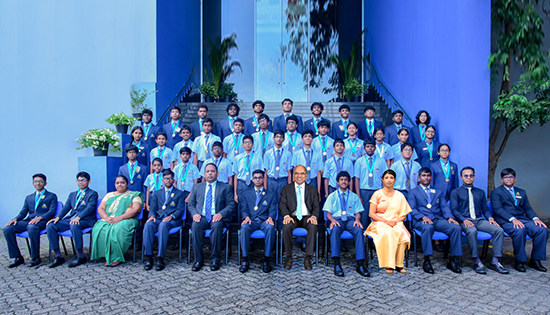
Gateway Delegates Make Record-Breaking Haul at SLMUN 2026
SEATED (L-R) - Bilal Fazal , Navakarthikeyan Satgunaraja, Mrs Ruwini Perera (Assistant Principal & Teacher In Charge), Siddesh Ram Shankar, Mr. Anthony…
Read MoreThe forgotten science of smell
How scents shape memory, emotion and behaviour A smell can transport a person back in time within seconds. The scent of rain…
Read More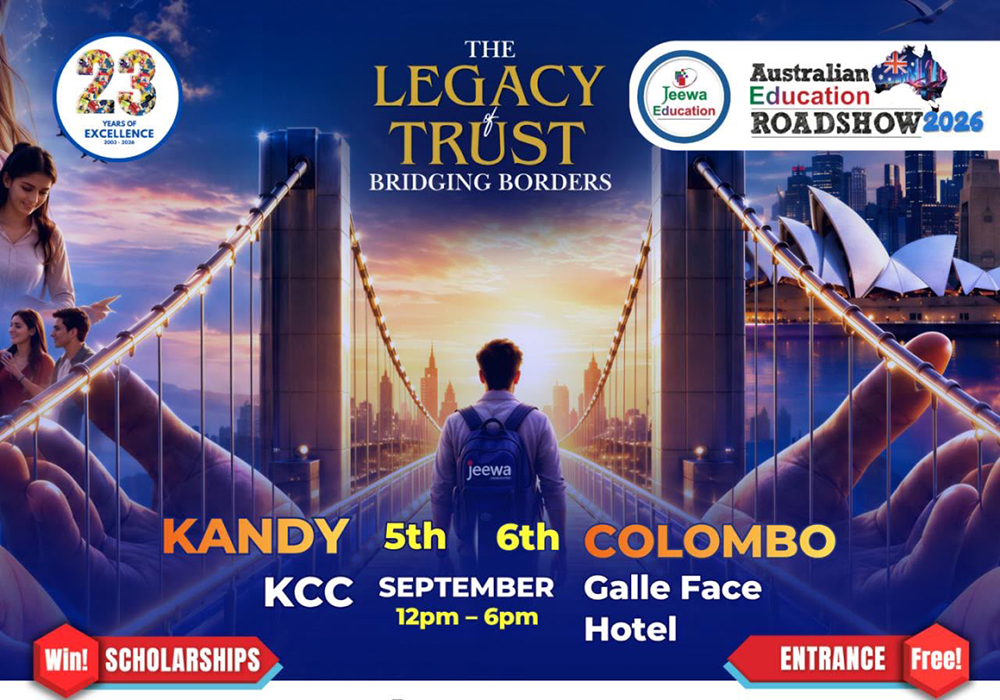
Planning to Study in Australia? Jeewa Education Roadshow 2026 Opens Doors to New Opportunities
Sri Lankan students considering higher education in Australia will have an opportunity to explore university pathways, courses and scholarship options at the…
Read MoreThe science of sleep: What happens to the brain while we rest
Sleep may appear to be a period when the body simply shuts down, but the human brain remains remarkably active throughout the…
Read More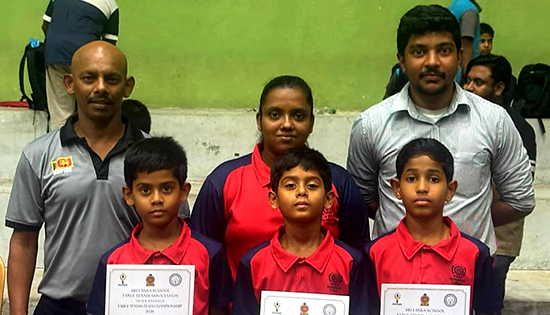
Springfield College Kandy U10 Table Tennis Team Crowned All Island “A” Division Champions
Front row L to R - Hassa Zaman, Hussain Zaman and Muhammed ZamanBack row from L to R - Mr Rajesh Kumar…
Read MoreCourses
-

The future of higher education tech: why industry needs purpose-built solutions
For years, Institutions and education agencies have been forced to rely on a patchwork of horizontal SaaS solutions – general tools that… -

MBA in Project Management & Artificial Intelligence – Oxford College of Business
In an era defined by rapid technological change, organizations increasingly demand leaders who not only understand traditional project management, but can also… -

Scholarships for 2025 Postgraduate Diploma in Education for SLEAS and SLTES Officers
The Ministry of Education, Higher Education and Vocational Education has announced the granting of full scholarships for the one-year weekend Postgraduate Diploma… -
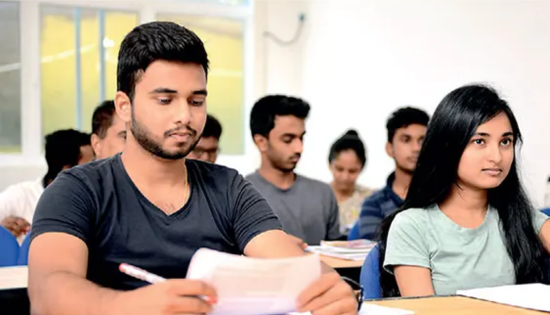
Shape Your Future with a BSc in Business Management (HRM) at Horizon Campus
Human Resource Management is more than a career. It’s about growing people, building organizational culture, and leading with purpose. Every impactful journey… -
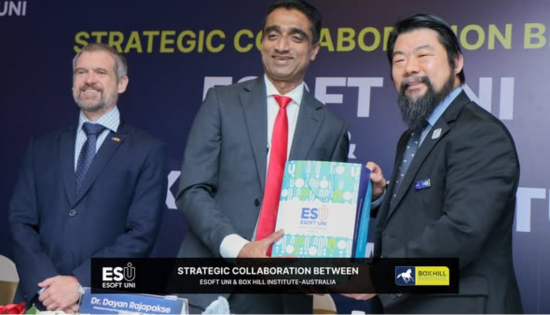
ESOFT UNI Signs MoU with Box Gill Institute, Australia
ESOFt UNI recently hosted a formal Memorandum of Understanding (MoU) signing ceremony with Box Hill Institute, Australia, signaling a significant step in… -

Ace Your University Interview in Sri Lanka: A Guide with Examples
Getting into a Sri Lankan sate or non-state university is not just about the scores. For some universities' programmes, your personality, communication… -
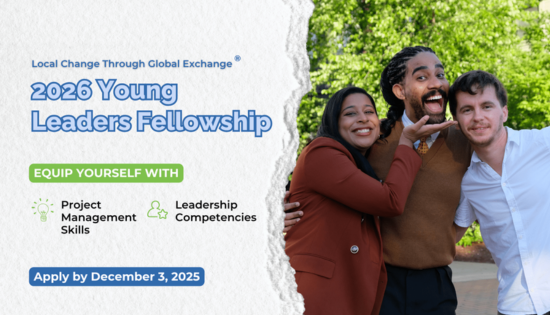
MCW Global Young Leaders Fellowship 2026
MCW Global (Miracle Corners of the World) runs a Young Leaders Fellowship, a year-long leadership program for young people (18–26) around the… -
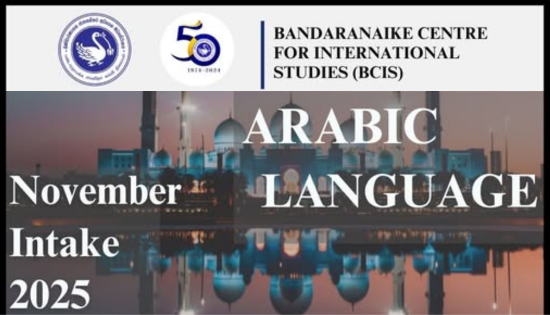
Enhance Your Arabic Skills with the Intermediate Language Course at BCIS
BCIS invites learners to join its Intermediate Arabic Language Course this November and further develop both linguistic skills and cultural understanding. Designed… -

Achieve Your American Dream : NCHS Spring Intake Webinar
NCHS is paving the way for Sri Lankan students to achieve their American Dream. As Sri Lanka’s leading pathway provider to the… -
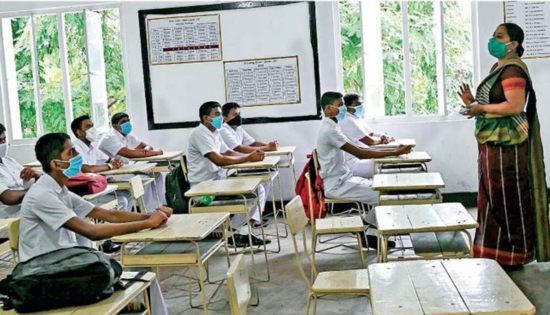
National Diploma in Teaching course : Notice
A Gazette notice has been released recently, concerning the enrollment of aspiring teachers into National Colleges of Education for the three-year pre-service… -
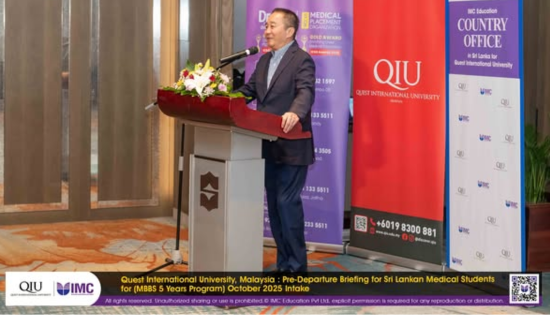
IMC Education Features Largest Student Recruitment for QIU’s October 2025 Intake
Quest International University (QIU), Malaysia recently hosted a pre-departure briefing and high tea at the Shangri-La Hotel in Colombo for its incoming… -

Global University Employability Ranking according to Times Higher Education
Attending college or university offers more than just career preparation, though selecting the right school and program can significantly enhance your job… -

Diploma in Occupational Safety & Health (DOSH) – CIPM
The Chartered Institute of Personnel Management (CIPM) is proud to announce the launch of its Diploma in Occupational Safety & Health (DOSH),… -
Small Grant Scheme for Australia Awards Alumni Sri Lanka
Australia Awards alumni are warmly invited to apply for a grant up to AUD 5,000 to support an innovative project that aim… -
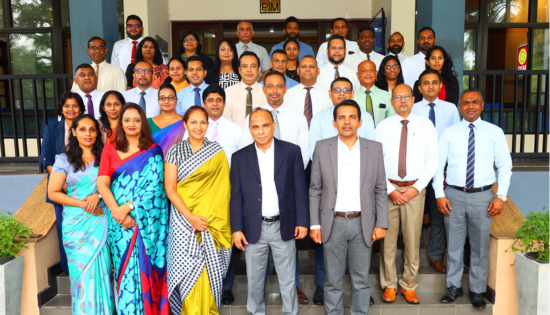
PIM Launches Special Programme for Newly Promoted SriLankan Airlines Managers
The Postgraduate Institute of Management (PIM) has launched a dedicated Newly Promoted Manager Programme designed to strengthen the leadership and management capabilities…
Newswire
-

Probe launched after family alleges police assault at Ambalangoda station
ON: August 25, 2026 -

Man found dead in plane landing gear compartment at Gatwick
ON: August 25, 2026 -
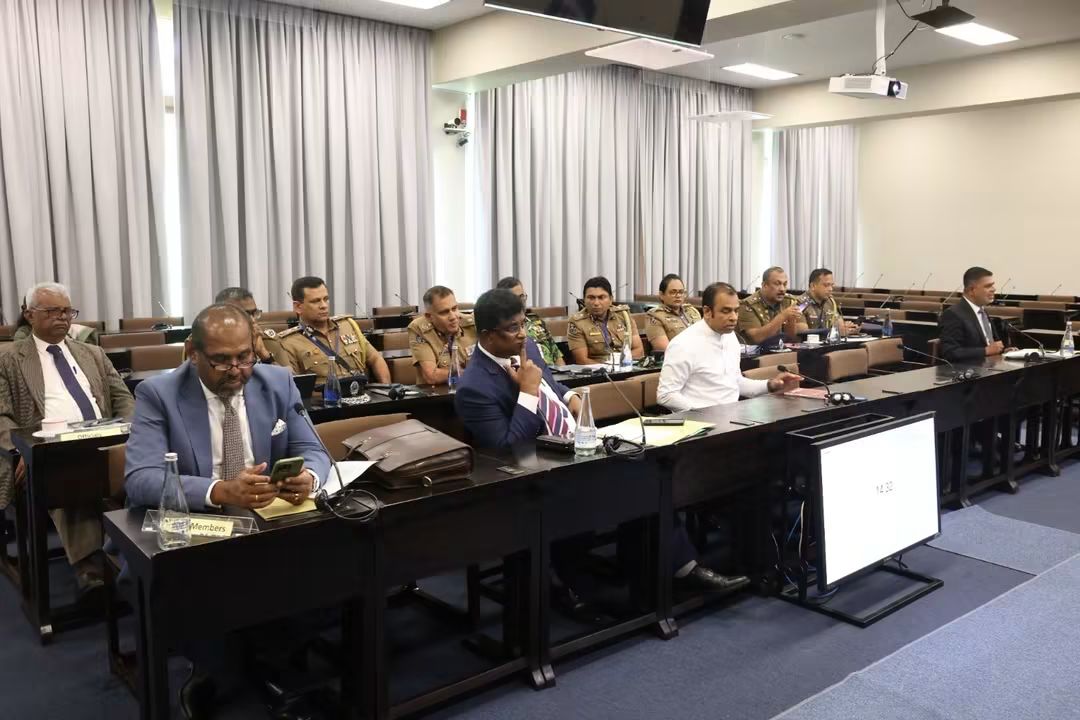
Police consulted on measures to reduce prison overcrowding
ON: August 25, 2026 -
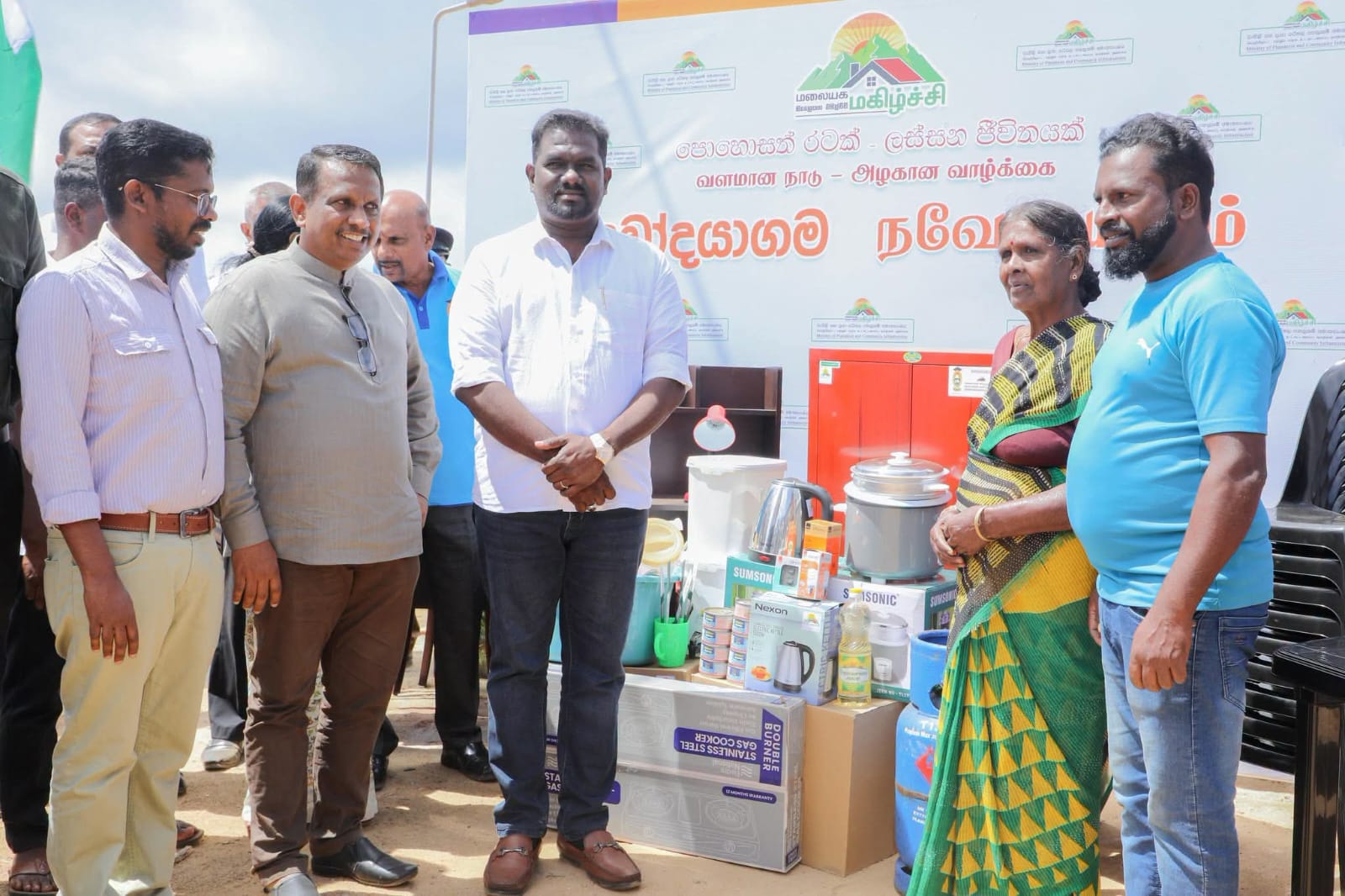
50 families displaced by Kabaragala landslide to receive new homes
ON: August 25, 2026 -

NPP MP Lakshman Nipuna Arachchi files petition supporting 22nd Amendment bill
ON: August 25, 2026