Future-Proofing Education: The Critical Shift Towards Practical Learning in Sri Lanka

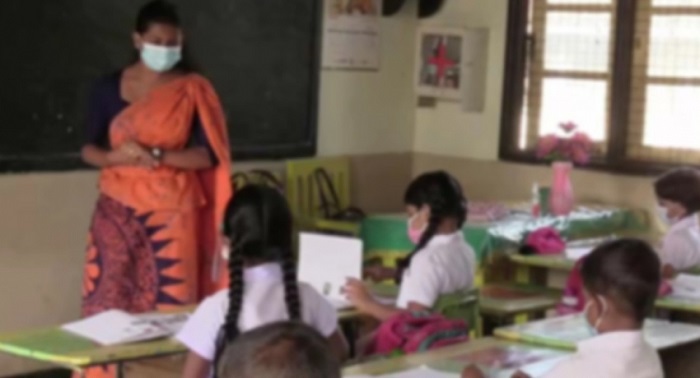
Incorporating more practical work and activities into the Sri Lankan school education system represents a pivotal shift towards a more dynamic, skill-oriented approach to learning. This transition is not merely an enhancement of the existing curriculum but a necessary evolution to bridge the gap between academic knowledge and real-world application. By aligning educational practices with the needs of the industry and the broader socio-economic context, Sri Lanka can lay the foundation for a future-ready workforce, capable of driving innovation and growth. This article explores the benefits of this approach and the expectations from industry leaders regarding the fine-tuning of the school education system.
The Benefits of Practical Work and Activities
Enhanced Learning Experience: Practical activities provide hands-on experience, making learning more engaging and memorable. This approach helps students understand theoretical concepts better by applying them in real-world scenarios.
Skill Development: By integrating more practical work, students develop critical skills such as problem-solving, critical thinking, creativity, and adaptability. These skills are crucial in almost every industry and are highly valued in the global job market.
Readiness for the Future: The global economy is increasingly driven by innovation and technology. Practical learning ensures students are familiar with the latest technologies and methodologies, preparing them for future challenges and opportunities.
Personal Development: Activities that require teamwork, leadership, and communication foster personal development, enhancing students’ confidence and social skills. This holistic growth is vital for their personal and professional lives.
Industry Expectations and Curriculum Integration
Industry leaders in Sri Lanka and globally emphasize the need for education systems to produce graduates who are not just academically proficient but also adept in applying their knowledge practically. Key areas of focus include:
STEM Education: There’s a growing demand for skills in science, technology, engineering, and mathematics (STEM). Incorporating practical experiments, coding projects, and robotics into the curriculum can ignite interest in these fields and provide a solid foundation for advanced learning.
Digital Literacy: As digital transformation accelerates, basic digital literacy is no longer sufficient. Practical activities involving digital tools, software, and platforms prepare students for a digitized workplace.
Entrepreneurship and Innovation: Projects that simulate business challenges, encourage innovative solutions, and foster entrepreneurial thinking are highly recommended. This not only prepares students for careers but also nurtures the next generation of business leaders and innovators.
Environmental and Social Awareness: Practical projects related to sustainability and community service can cultivate a sense of responsibility towards the environment and society. This aligns with the growing importance of corporate social responsibility in the business world.
Implementing the Shift
Achieving this shift requires collaborative efforts from the government, educational institutions, and the private sector. Investment in teacher training, infrastructure, and resources is crucial. Partnerships with industries for internships, workshops, and project-based learning can provide valuable exposure to real-world applications. Additionally, revising assessment methods to evaluate practical skills and project work alongside traditional exams can further reinforce the importance of practical learning.
Integrating more practical work and activities into the Sri Lankan school education system is essential for aligning education with the dynamic demands of the industry and the future needs of the country. By doing so, Sri Lanka can ensure its youth are not only academically knowledgeable but also practically skilled, innovative, and ready to contribute to the nation’s growth and prosperity. The expectation from industry leaders is clear: a more practical, skills-focused education system is not just beneficial but imperative for the future success of students, the economy, and the country as a whole.
- SW – Suggestion by Team EduWire to Make a Better Tomorrow
Related News
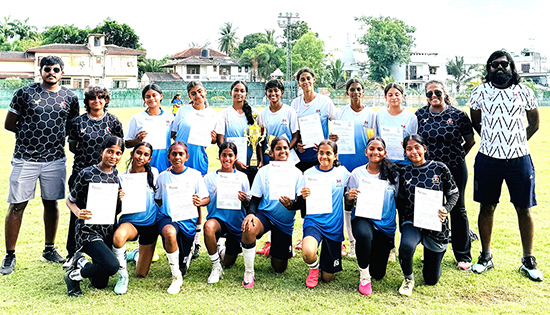
Gateway College Girls Crowned TISSL Under-18 Football Champions After Unbeaten Run
Under 18 ChampionsStanding Order Left to Right – Mr Rafaah Suhail (Coach), Ms Sahani Fernando (Coach), Brianna Perera, Tasneem Malik, KenuliAbeygunawardhane (Vice…
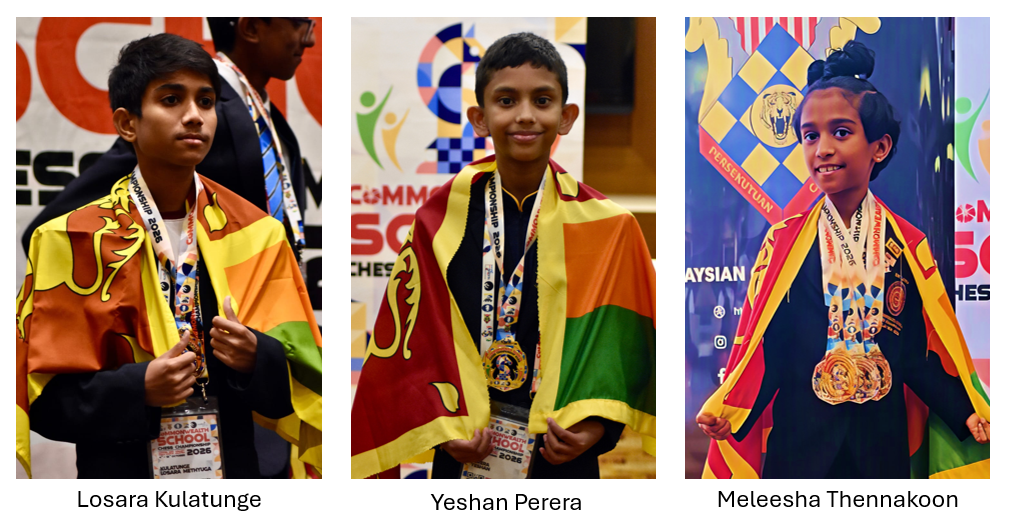
Read MoreGateway students win multiple medals at inaugural Commonwealth Schools Chess Championship
Three students from the Gateway Group of Colleges have won multiple individual and team medals at the inaugural Commonwealth Schools Chess Championship,…
Read More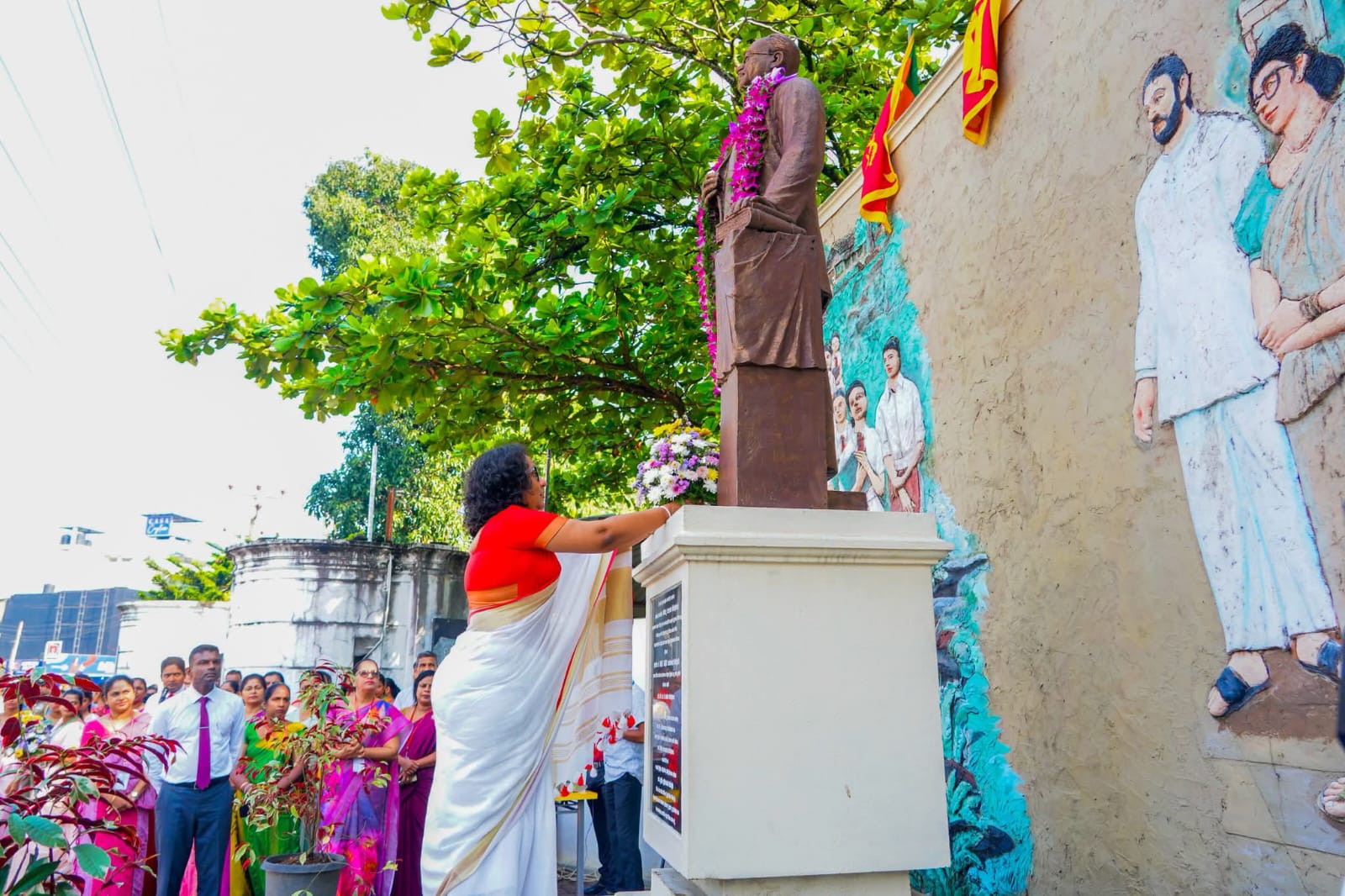
Sri Lanka commemorates 142nd birth anniversary of C.W.W. Kannangara
The 142nd birth anniversary of Dr. Christopher William Wijekoon Kannangara, revered as the "Father of Free Education" in Sri Lanka, was commemorated…
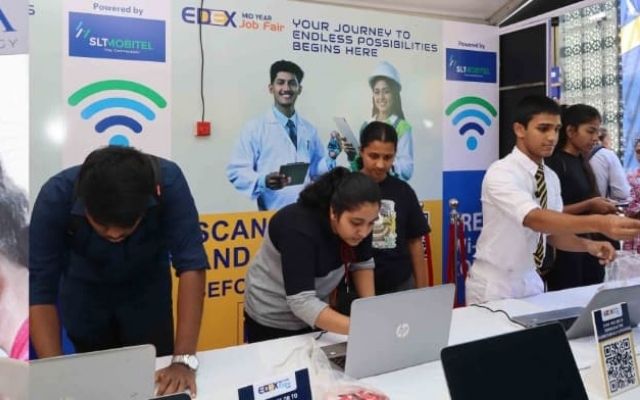
Read MoreSLT-MOBITEL Nebula Institute showcases tech-focused degrees at EDEX mid-year expo 2026
The SLT-MOBITEL Nebula Institute of Technology showcased its comprehensive range of career oriented higher education programmes and professional training pathways at the…
Read MorePM calls media key stakeholder in National Education Reforms
Prime Minister and Minister of Education, Higher Education and Vocational Education Dr. Harini Amarasuriya stated that the country's mass media serves as…
Read MoreCourses
-

The future of higher education tech: why industry needs purpose-built solutions
For years, Institutions and education agencies have been forced to rely on a patchwork of horizontal SaaS solutions – general tools that… -

MBA in Project Management & Artificial Intelligence – Oxford College of Business
In an era defined by rapid technological change, organizations increasingly demand leaders who not only understand traditional project management, but can also… -

Scholarships for 2025 Postgraduate Diploma in Education for SLEAS and SLTES Officers
The Ministry of Education, Higher Education and Vocational Education has announced the granting of full scholarships for the one-year weekend Postgraduate Diploma… -
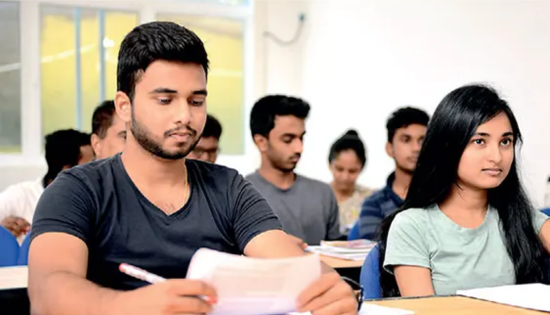
Shape Your Future with a BSc in Business Management (HRM) at Horizon Campus
Human Resource Management is more than a career. It’s about growing people, building organizational culture, and leading with purpose. Every impactful journey… -
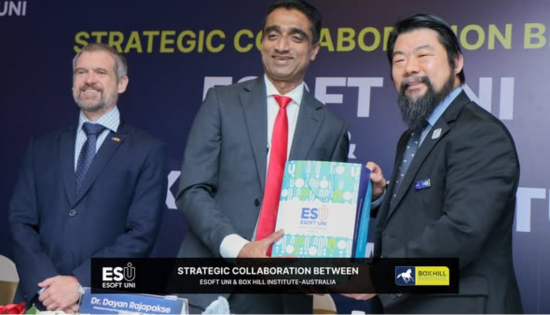
ESOFT UNI Signs MoU with Box Gill Institute, Australia
ESOFt UNI recently hosted a formal Memorandum of Understanding (MoU) signing ceremony with Box Hill Institute, Australia, signaling a significant step in… -

Ace Your University Interview in Sri Lanka: A Guide with Examples
Getting into a Sri Lankan sate or non-state university is not just about the scores. For some universities' programmes, your personality, communication… -
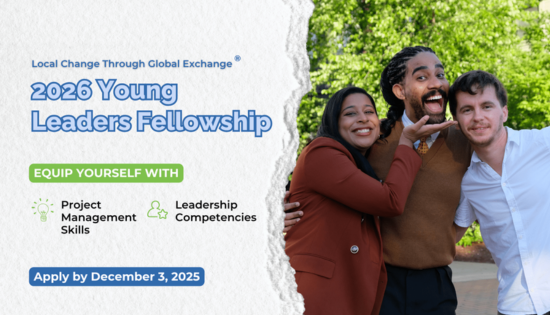
MCW Global Young Leaders Fellowship 2026
MCW Global (Miracle Corners of the World) runs a Young Leaders Fellowship, a year-long leadership program for young people (18–26) around the… -
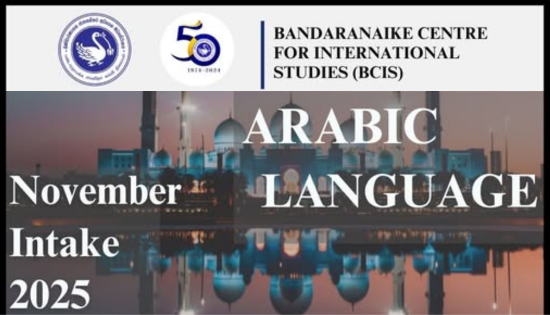
Enhance Your Arabic Skills with the Intermediate Language Course at BCIS
BCIS invites learners to join its Intermediate Arabic Language Course this November and further develop both linguistic skills and cultural understanding. Designed… -
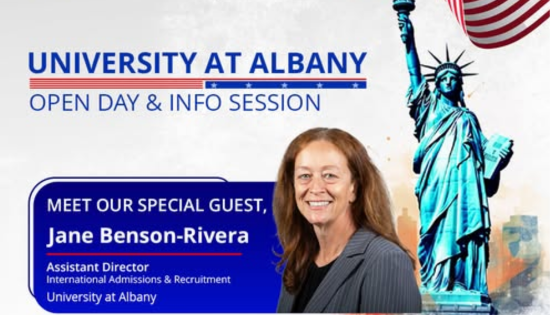
Achieve Your American Dream : NCHS Spring Intake Webinar
NCHS is paving the way for Sri Lankan students to achieve their American Dream. As Sri Lanka’s leading pathway provider to the… -
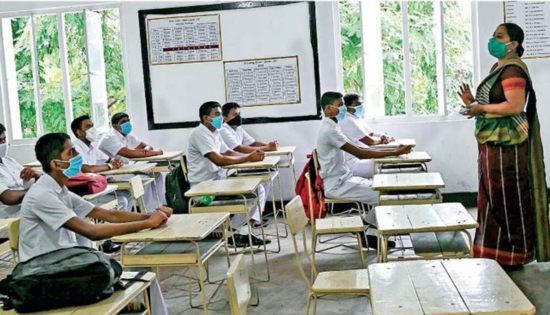
National Diploma in Teaching course : Notice
A Gazette notice has been released recently, concerning the enrollment of aspiring teachers into National Colleges of Education for the three-year pre-service… -
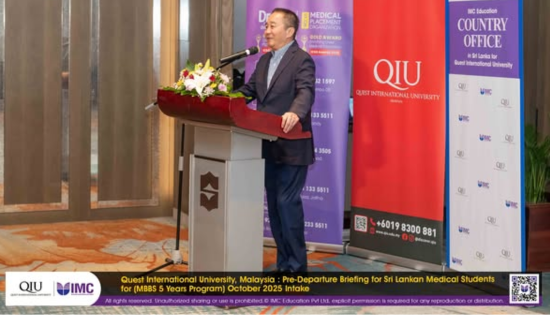
IMC Education Features Largest Student Recruitment for QIU’s October 2025 Intake
Quest International University (QIU), Malaysia recently hosted a pre-departure briefing and high tea at the Shangri-La Hotel in Colombo for its incoming… -

Global University Employability Ranking according to Times Higher Education
Attending college or university offers more than just career preparation, though selecting the right school and program can significantly enhance your job… -

Diploma in Occupational Safety & Health (DOSH) – CIPM
The Chartered Institute of Personnel Management (CIPM) is proud to announce the launch of its Diploma in Occupational Safety & Health (DOSH),… -
Small Grant Scheme for Australia Awards Alumni Sri Lanka
Australia Awards alumni are warmly invited to apply for a grant up to AUD 5,000 to support an innovative project that aim… -
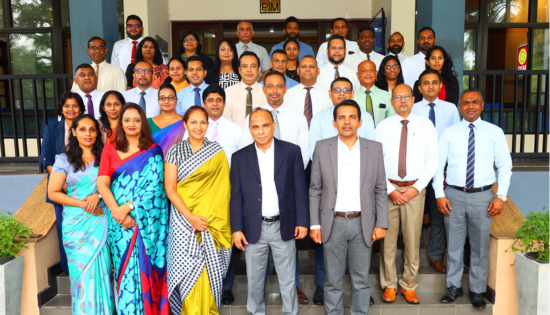
PIM Launches Special Programme for Newly Promoted SriLankan Airlines Managers
The Postgraduate Institute of Management (PIM) has launched a dedicated Newly Promoted Manager Programme designed to strengthen the leadership and management capabilities…
Newswire
-

Colombo cocaine bust : Shocking discovery during hospital examination
ON: October 17, 2026 -
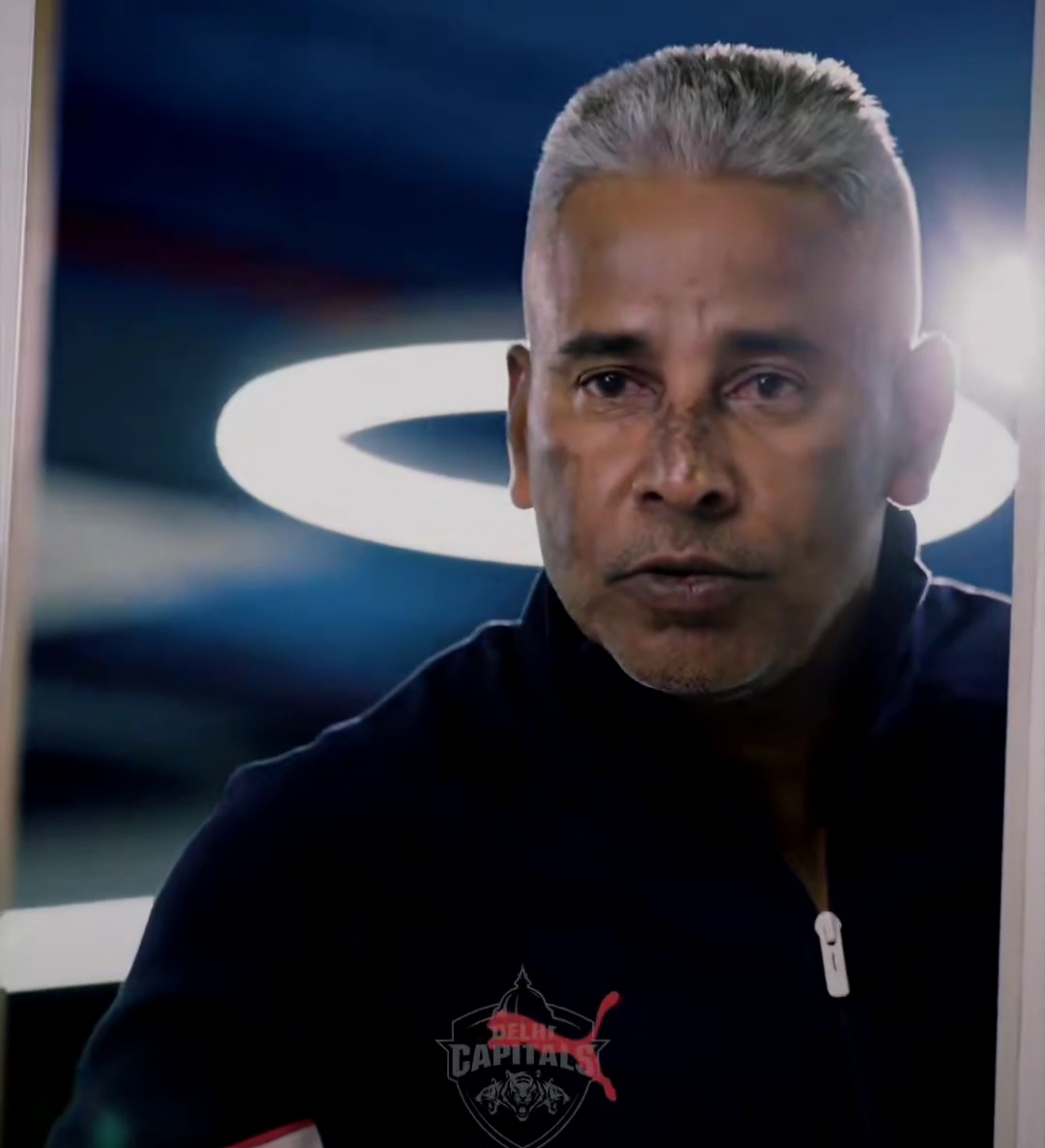
Official: Chaminda Vaas appointed Delhi Capitals fast-bowling coach for IPL 2027
ON: October 17, 2026 -
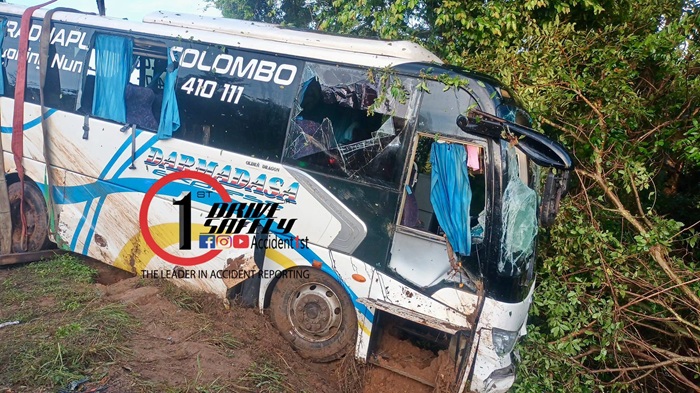
Bad weather : 12 injured as luxury bus overturns in Puttalam
ON: October 17, 2026 -
Online Police clearance services resume following technical glitch
ON: October 17, 2026