




The El Niño: What it is and what the world should expect
Climate scientists around the world are once again paying close attention to a phenomenon known as El Niño, a naturally occurring climate pattern that has the power to influence weather systems across continents. While it begins in the tropical Pacific Ocean thousands of kilometres away from Sri Lanka, its effects can ripple through global agriculture, water supplies, ecosystems, economies, and even public health.
In recent years, conversations about El Niño have become increasingly important because its impacts are often amplified by long-term climate change. Scientists from organizations such as the World Meteorological Organization (WMO) and the National Oceanic and Atmospheric Administration (NOAA) have repeatedly warned that El Niño events can contribute to record-breaking temperatures, droughts, floods, and disruptions to food production.
For countries like Sri Lanka, understanding El Niño is no longer simply a matter for meteorologists. It is becoming an issue that affects farmers, businesses, policymakers, educators, and ordinary citizens alike.
What exactly is El Niño?
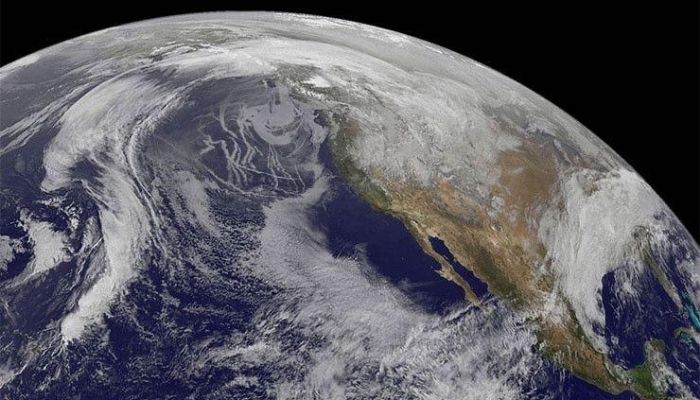
El Niño is part of a larger climate system known as the El Niño-Southern Oscillation (ENSO), which describes fluctuations in ocean temperatures and atmospheric conditions across the tropical Pacific Ocean.
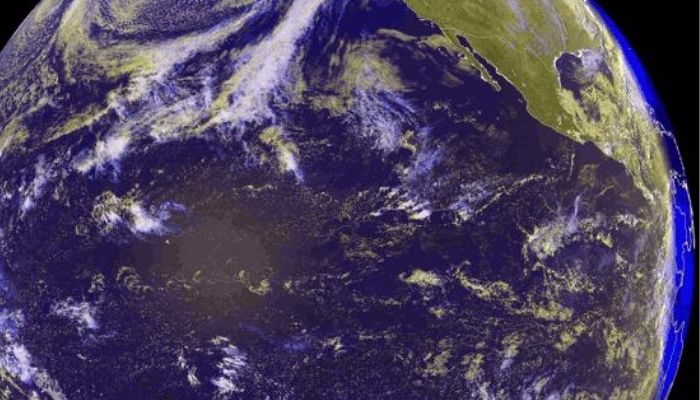
Under normal conditions, trade winds push warm surface water westward towards Indonesia and Australia. This allows cooler water to rise near the coast of South America. During an El Niño event, however, these trade winds weaken, causing unusually warm water to spread eastward across the Pacific.
Although this change may seem geographically distant, the atmosphere and oceans are deeply interconnected. Changes in Pacific Ocean temperatures can alter wind patterns, rainfall distribution, and storm activity across large parts of the world.
Researchers often describe El Niño as a giant disturbance within the Earth’s climate system that creates a chain reaction affecting multiple regions simultaneously.
Why does the world worry about El Niño?
Historically, strong El Niño events have been associated with some of the most significant weather disruptions of the modern era.
The 1997-98 El Niño, one of the strongest ever recorded, contributed to devastating floods in parts of South America, droughts in Southeast Asia, and widespread economic losses globally. The 2015-16 event similarly influenced weather extremes around the world and contributed to some of the highest global temperatures on record at the time.
According to the WMO, El Niño can increase the likelihood of:
- Heatwaves
- Droughts
- Intense rainfall events
- Wildfires
- Coral bleaching
- Agricultural losses
- Water shortages
These impacts often affect vulnerable populations most severely because they depend heavily on predictable weather patterns for farming, fishing, and water management.
The connection between El Niño and climate change
Scientists emphasize that El Niño itself is not caused by climate change. It has existed naturally for thousands of years.
However, researchers increasingly warn that El Niño events are now occurring within a warmer world. As global temperatures continue to rise due to greenhouse gas emissions, the effects of El Niño may become more severe.
A warmer atmosphere can hold more moisture, increasing the potential for extreme rainfall events. At the same time, higher background temperatures can worsen drought conditions in already vulnerable regions.
Some climate models suggest that particularly strong El Niño events could become more frequent in the future, although this remains an active area of scientific research.
What could it mean for Sri Lanka?
Sri Lanka’s climate is influenced by multiple factors, including the southwest and northeast monsoons, the Indian Ocean, and broader atmospheric circulation patterns. El Niño is one of several drivers that can influence these systems.
Historical studies indicate that El Niño has often been associated with below-average rainfall in certain parts of Sri Lanka, particularly during some agricultural seasons. This can create challenges for:
Agriculture
Sri Lanka’s agricultural sector remains highly dependent on rainfall. Crops such as paddy, vegetables, and other food products may be affected if rainfall patterns become irregular.
Reduced harvests can lead to higher food prices, economic stress for farmers, and increased pressure on food security.
Water resources
Drier conditions can reduce water levels in reservoirs and rivers. This affects drinking water supplies, irrigation systems, and hydropower generation.
Water shortages are particularly concerning in areas already vulnerable to seasonal droughts.
Energy production
Hydroelectricity continues to contribute significantly to Sri Lanka’s power generation. Lower reservoir levels may reduce electricity production and increase dependence on alternative energy sources.
Public health
Higher temperatures can increase the risk of heat-related illnesses. Changes in rainfall patterns may also affect mosquito populations and influence the spread of certain diseases.
Preparing for an uncertain future
Experts stress that preparation should focus on resilience rather than panic.
At the national level, governments can invest in:
- Improved weather forecasting systems
- Climate-resilient agriculture
- Water conservation projects
- Flood management infrastructure
- Renewable energy diversification
Communities can contribute through water conservation, sustainable land management, and greater awareness of climate-related risks.
Researchers also emphasize the importance of protecting forests, wetlands, and natural ecosystems, which often act as buffers against extreme weather events.
A reminder of global interconnectedness
One of the most remarkable aspects of El Niño is how it demonstrates the interconnected nature of Earth’s climate. A shift in ocean temperatures near South America can influence rainfall in Sri Lanka, agricultural production in Africa, and wildfire risks in Australia.
As climate scientists continue monitoring future developments, El Niño serves as a reminder that environmental challenges do not respect national borders.
Understanding these complex systems is becoming increasingly important not only for scientists and policymakers but for anyone seeking to navigate a rapidly changing world.
Sources:
- World Meteorological Organization (WMO): El Niño/La Niña Updates
- National Oceanic and Atmospheric Administration (NOAA): ENSO Blog and Climate Resources
- Intergovernmental Panel on Climate Change (IPCC) Sixth Assessment Report
- International Research Institute for Climate and Society (IRI), Columbia University
- Sri Lanka Department of Meteorology climate publications
Related News

CIMA Beyond Accounting: Why Business Skills Matter for the Next Generation
For many Sri Lankan students, completing school brings one major question: what qualification should come next? A bachelor’s degree remains an important…
Read More
Gateway College and Wilderness School Australia Launch Teacher Exchange Programme
Students of Wilderness School were most welcoming to the teachers of Gateway Gateway College is pleased to announce the establishment of a…
Read More
Imperial Announces CIMA Certificate Intake with 50% Off Class Fees
Imperial College of Business Studies (ICBS) will commence its latest CIMA Certificate Level intake on 19 September 2026, with weekday and weekend…
Read More
AIESEC in Colombo North and Rotaract Colombo Mid Town Introduce CSR Project: Bloom 2026
Following the success of its first chapter, Bloom returns in 2026 with a renewed vision, focusing on Galaha Divisional Hospital and the…
Read More
Gateway Students Win Record 10 Medals for Sri Lanka at International Earth Science Olympiad 2026
Gateway Colleges celebrates an outstanding international achievement by four of its students, who represented Sri Lanka at the 19th International Earth Science…
Read MoreCourses
-

The future of higher education tech: why industry needs purpose-built solutions
For years, Institutions and education agencies have been forced to rely on a patchwork of horizontal SaaS solutions – general tools that… -

MBA in Project Management & Artificial Intelligence – Oxford College of Business
In an era defined by rapid technological change, organizations increasingly demand leaders who not only understand traditional project management, but can also… -

Scholarships for 2025 Postgraduate Diploma in Education for SLEAS and SLTES Officers
The Ministry of Education, Higher Education and Vocational Education has announced the granting of full scholarships for the one-year weekend Postgraduate Diploma… -

Shape Your Future with a BSc in Business Management (HRM) at Horizon Campus
Human Resource Management is more than a career. It’s about growing people, building organizational culture, and leading with purpose. Every impactful journey… -
ESOFT UNI Signs MoU with Box Gill Institute, Australia
ESOFt UNI recently hosted a formal Memorandum of Understanding (MoU) signing ceremony with Box Hill Institute, Australia, signaling a significant step in… -

Ace Your University Interview in Sri Lanka: A Guide with Examples
Getting into a Sri Lankan sate or non-state university is not just about the scores. For some universities' programmes, your personality, communication… -

MCW Global Young Leaders Fellowship 2026
MCW Global (Miracle Corners of the World) runs a Young Leaders Fellowship, a year-long leadership program for young people (18–26) around the… -
Enhance Your Arabic Skills with the Intermediate Language Course at BCIS
BCIS invites learners to join its Intermediate Arabic Language Course this November and further develop both linguistic skills and cultural understanding. Designed… -

Achieve Your American Dream : NCHS Spring Intake Webinar
NCHS is paving the way for Sri Lankan students to achieve their American Dream. As Sri Lanka’s leading pathway provider to the… -
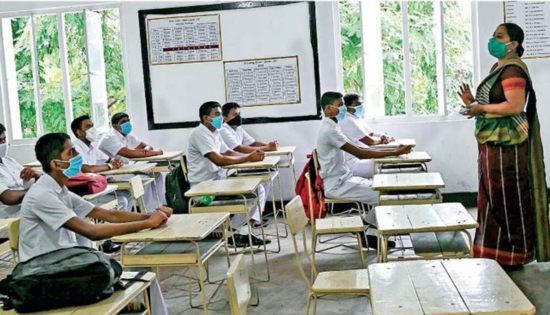
National Diploma in Teaching course : Notice
A Gazette notice has been released recently, concerning the enrollment of aspiring teachers into National Colleges of Education for the three-year pre-service… -
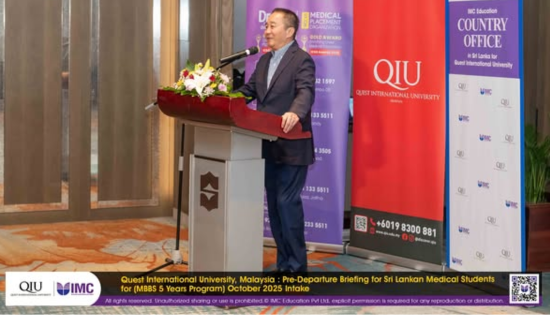
IMC Education Features Largest Student Recruitment for QIU’s October 2025 Intake
Quest International University (QIU), Malaysia recently hosted a pre-departure briefing and high tea at the Shangri-La Hotel in Colombo for its incoming… -

Global University Employability Ranking according to Times Higher Education
Attending college or university offers more than just career preparation, though selecting the right school and program can significantly enhance your job… -

Diploma in Occupational Safety & Health (DOSH) – CIPM
The Chartered Institute of Personnel Management (CIPM) is proud to announce the launch of its Diploma in Occupational Safety & Health (DOSH),… -
Small Grant Scheme for Australia Awards Alumni Sri Lanka
Australia Awards alumni are warmly invited to apply for a grant up to AUD 5,000 to support an innovative project that aim… -
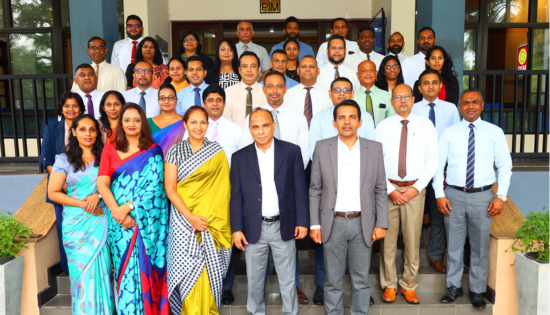
PIM Launches Special Programme for Newly Promoted SriLankan Airlines Managers
The Postgraduate Institute of Management (PIM) has launched a dedicated Newly Promoted Manager Programme designed to strengthen the leadership and management capabilities…
Newswire
-
“Every drop counts” : Sangakkara calls for rainwater harvesting
ON: September 19, 2026 -

Google’s Gemini AI hacks 3 companies in security test, then stops
ON: September 19, 2026 -
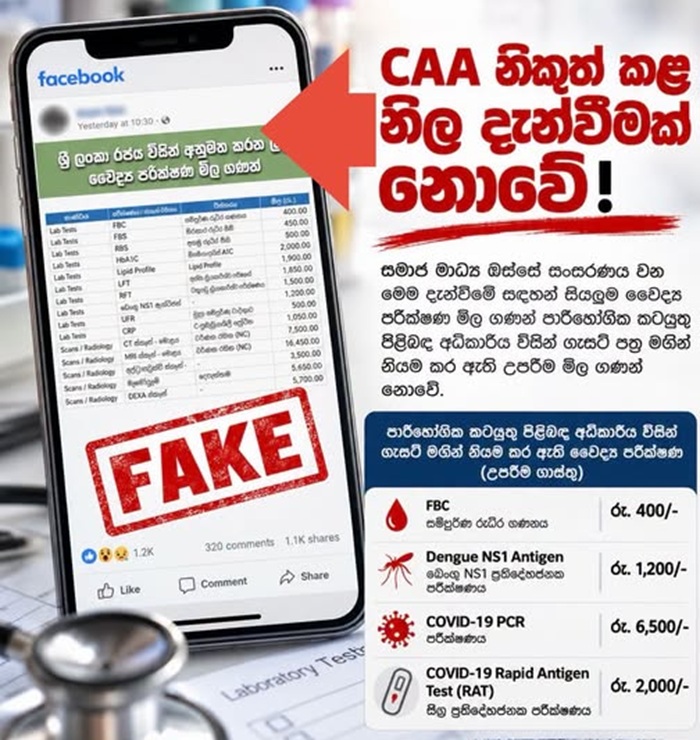
FBC, Dengue and COVID Tests: CAA clarifies maximum charges
ON: September 19, 2026 -

Telegram fraud : Woman arrested over online scam case
ON: September 19, 2026 -

Sri Lanka Netball player faces ban over “Old Women” comment – Report
ON: September 19, 2026