



Why short-form content may be changing the way people think, focus, and consume information
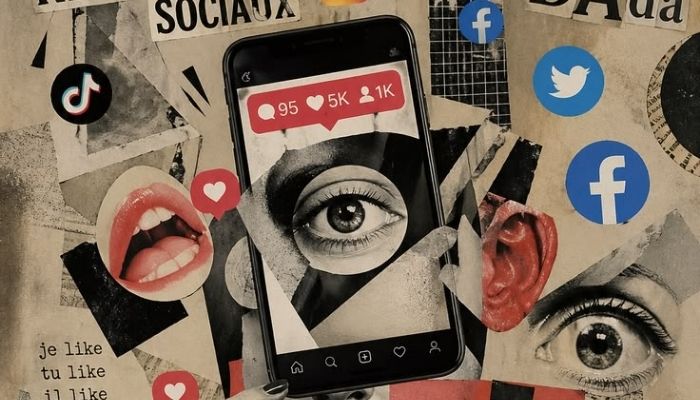
The rapid rise of short-form digital content through platforms such as TikTok, Instagram Reels, and YouTube Shorts is increasingly shaping how people consume information, communicate, and maintain attention in daily life.
Researchers and psychologists are now studying whether constant exposure to fast-moving digital content may be affecting concentration, memory, reading habits, and the ability to engage with long-form material.
The rise of “micro-content”
Short-form platforms are designed around rapid engagement. Videos often last between a few seconds and a few minutes, while algorithms continuously recommend new content based on user behaviour.
Technology analysts say these systems are highly effective at capturing attention because they provide constant novelty, quick emotional stimulation, and instant rewards through entertainment, humour, or information.
As a result, many users now spend hours scrolling through endless streams of highly compressed content each day.
Attention economy driving platform design
Researchers argue that social media companies increasingly compete within what is known as the “attention economy,” where platforms are designed to maximise user engagement for as long as possible.
Studies in behavioural psychology suggest that rapid content switching and constant digital stimulation may encourage shorter attention cycles and habitual multitasking behaviours.
Some researchers believe this may make sustained concentration more difficult over time, particularly for activities requiring deep focus such as reading books, lengthy discussions, analytical work, or extended study sessions.
However, experts also caution that attention spans are difficult to measure scientifically, and human behaviour is influenced by multiple social and technological factors rather than a single app or platform.
Reading and information habits are changing
Digital behaviour researchers say many people now consume information differently compared to previous generations.
Instead of reading long articles, reports, or books, users increasingly rely on summaries, short videos, infographics, and condensed explainers for news, entertainment, and education.
While this may improve accessibility and convenience, some experts warn that oversimplified information environments could reduce opportunities for deeper reflection, critical thinking, and contextual understanding.
Several studies have also linked heavy digital multitasking with increased mental fatigue and reduced information retention.

Short-form content is not entirely negative
Researchers stress that short-form content itself is not inherently harmful.
Educational creators, health professionals, journalists, and public awareness organisations increasingly use short videos to explain complex topics in accessible ways. During emergencies and global events, short-form platforms have also become important tools for information dissemination and public engagement.
Experts argue that the issue lies less in the existence of short-form content and more in excessive consumption patterns and algorithm-driven overexposure.
Digital wellbeing becoming a growing concern
As concerns surrounding screen dependency and digital fatigue continue to grow, psychologists and workplace researchers are increasingly encouraging healthier digital habits.
Recommendations often include reducing excessive multitasking, creating screen-free periods, limiting notification overload, and intentionally engaging with long-form reading and offline activities.
Some schools, workplaces, and universities have also started introducing discussions around digital wellbeing and healthy technology use as part of broader mental health and productivity conversations.
Researchers say the long-term social and cognitive effects of algorithm-driven digital behaviour are still being studied. However, there is growing agreement that the way people consume information is changing rapidly — and that these changes may continue influencing attention, communication, and learning habits in the years ahead.
Sources: American Psychological Association; Harvard Business Review – Attention economy analyses; UNESCO Digital Education and Media Literacy Resources; National Institutes of Health – Digital media and attention research
Related News
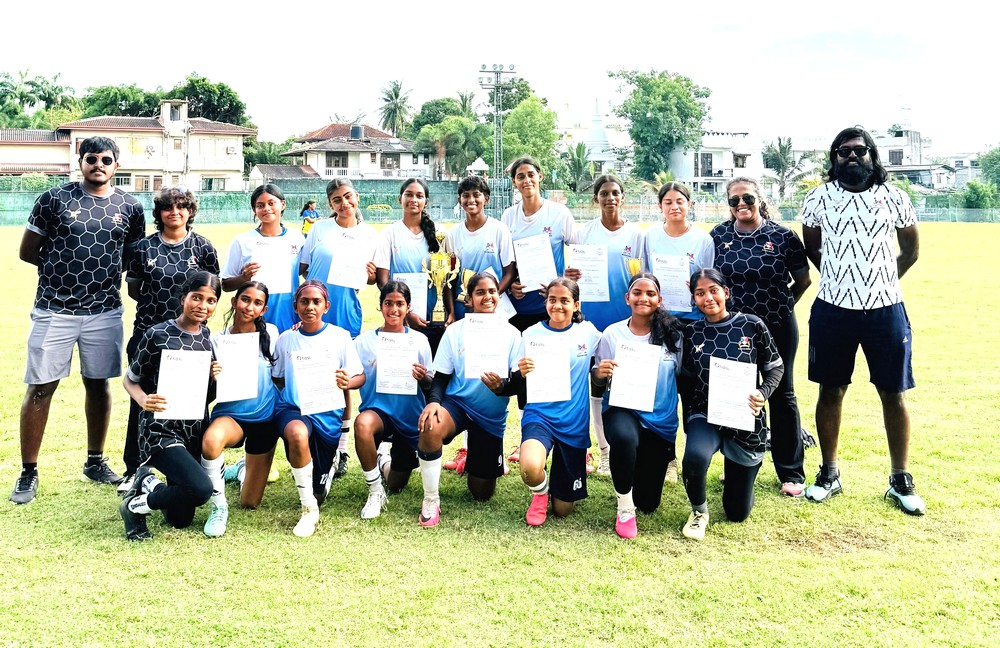
Gateway Girls Triumph in Football
Under 18 Champions: Standing Order Left to Right – Mr Rafaah Suhail (Coach), Ms Sahani Fernando (Coach), Brianna Perera, Tasneem Malik, KenuliAbeygunawardhane…
Read More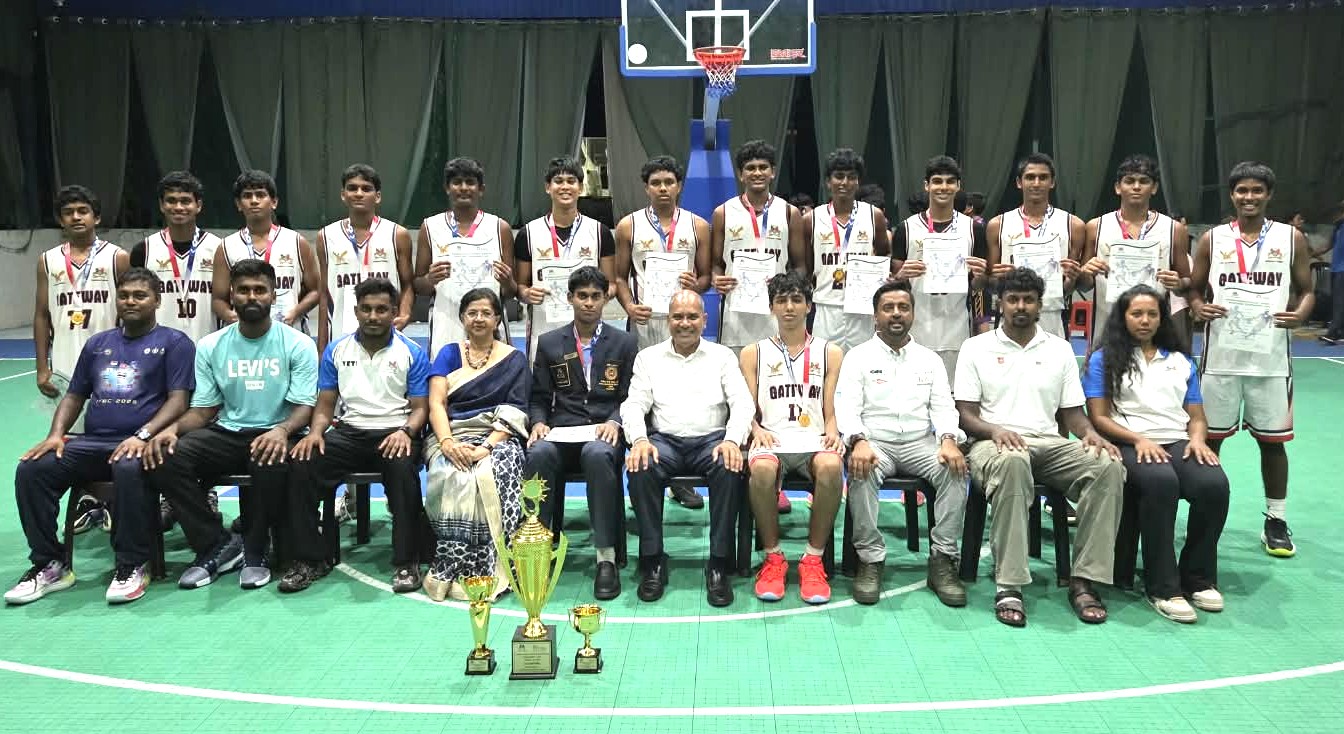
Gateway College Crowned TISSL Under-19 Basketball Champions for Fifth Consecutive Year
Back Row (left to right):DhanukaWijegoonaratne, Tevan Sela, Jonathan Herath, Mikyle Reza, Akain Vitanachy, Samuel Tsung, Thinuk Attanayaka, NavinduWaduwavala, Julan Senmitha, Jithein Kulatunga,…
Read More
USJ Leo Club’s ‘Pranadhara ’26’ Brings Water Storage Support to Habarana Community
The Leo Club of the University of Sri Jayewardenepura has completed the second phase of its ‘Pranadhara ’26’ water security project, providing…
Read More
Sri Lanka Skills Expo 2026 to promote vocational education in Colombo
The Sri Lanka Skills Expo 2026 is scheduled to take place from October 23 to 25 at Viharamahadevi Park and Green Path…
Read MoreSri Lanka ITEC Alumni Association formally launched to unite India-trained professionals
The Sri Lanka ITEC Alumni Association was officially launched during its inaugural meeting at the Grand Crystal Ballroom of Hotel Taj Samudra…
Read MoreCourses
-

The future of higher education tech: why industry needs purpose-built solutions
For years, Institutions and education agencies have been forced to rely on a patchwork of horizontal SaaS solutions – general tools that… -

MBA in Project Management & Artificial Intelligence – Oxford College of Business
In an era defined by rapid technological change, organizations increasingly demand leaders who not only understand traditional project management, but can also… -

Scholarships for 2025 Postgraduate Diploma in Education for SLEAS and SLTES Officers
The Ministry of Education, Higher Education and Vocational Education has announced the granting of full scholarships for the one-year weekend Postgraduate Diploma… -
Shape Your Future with a BSc in Business Management (HRM) at Horizon Campus
Human Resource Management is more than a career. It’s about growing people, building organizational culture, and leading with purpose. Every impactful journey… -
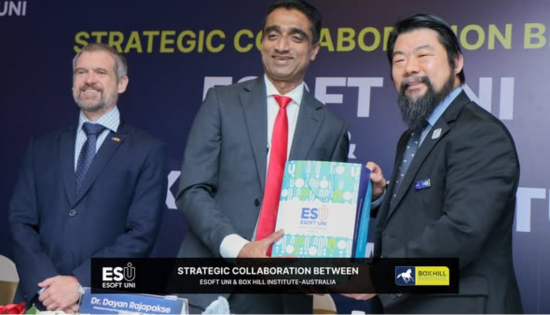
ESOFT UNI Signs MoU with Box Gill Institute, Australia
ESOFt UNI recently hosted a formal Memorandum of Understanding (MoU) signing ceremony with Box Hill Institute, Australia, signaling a significant step in… -

Ace Your University Interview in Sri Lanka: A Guide with Examples
Getting into a Sri Lankan sate or non-state university is not just about the scores. For some universities' programmes, your personality, communication… -
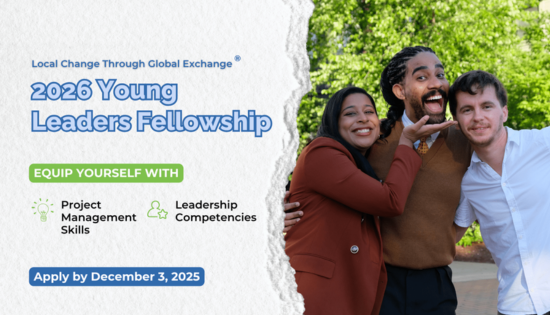
MCW Global Young Leaders Fellowship 2026
MCW Global (Miracle Corners of the World) runs a Young Leaders Fellowship, a year-long leadership program for young people (18–26) around the… -
Enhance Your Arabic Skills with the Intermediate Language Course at BCIS
BCIS invites learners to join its Intermediate Arabic Language Course this November and further develop both linguistic skills and cultural understanding. Designed… -

Achieve Your American Dream : NCHS Spring Intake Webinar
NCHS is paving the way for Sri Lankan students to achieve their American Dream. As Sri Lanka’s leading pathway provider to the… -
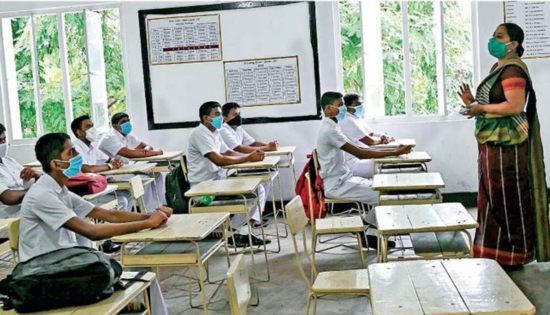
National Diploma in Teaching course : Notice
A Gazette notice has been released recently, concerning the enrollment of aspiring teachers into National Colleges of Education for the three-year pre-service… -
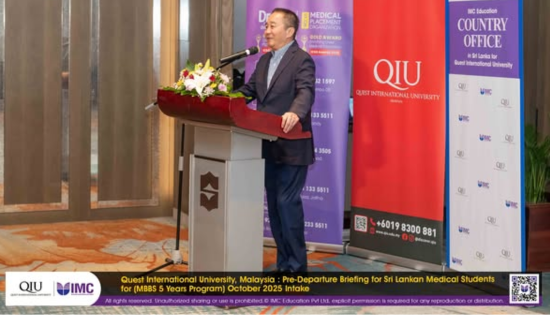
IMC Education Features Largest Student Recruitment for QIU’s October 2025 Intake
Quest International University (QIU), Malaysia recently hosted a pre-departure briefing and high tea at the Shangri-La Hotel in Colombo for its incoming… -

Global University Employability Ranking according to Times Higher Education
Attending college or university offers more than just career preparation, though selecting the right school and program can significantly enhance your job… -

Diploma in Occupational Safety & Health (DOSH) – CIPM
The Chartered Institute of Personnel Management (CIPM) is proud to announce the launch of its Diploma in Occupational Safety & Health (DOSH),… -
Small Grant Scheme for Australia Awards Alumni Sri Lanka
Australia Awards alumni are warmly invited to apply for a grant up to AUD 5,000 to support an innovative project that aim… -
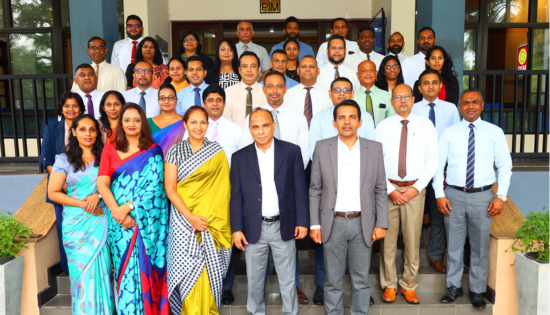
PIM Launches Special Programme for Newly Promoted SriLankan Airlines Managers
The Postgraduate Institute of Management (PIM) has launched a dedicated Newly Promoted Manager Programme designed to strengthen the leadership and management capabilities…
Newswire
-

What did Sanga & Nasser Hussain say about Sri Lanka’s historic win
ON: October 22, 2026 -

WATCH : Highlights of Sri Lanka’a highest successful ODI run chase
ON: October 22, 2026 -

Pakistan, Sri Lanka & England ODI Tri-Series Points Table & NRR
ON: October 22, 2026 -

Sri Lanka pull off record-breaking chase to beat England by two wickets
ON: October 22, 2026 -

Sajith questions 2027 Budget without disclosure of 2026 Budget progress
ON: October 22, 2026