





Sri Lanka’s Digital Future: The Urgent Need for Skilled Talent to Sustain Growth
Sri Lanka stands at the crossroads of digital transformation. The vision to establish the country as a regional tech hub is ambitious yet achievable. With government initiatives, corporate partnerships, and increasing global attention on Sri Lanka’s potential, we are moving in the right direction. However, there is a critical challenge that cannot be ignored, especially the lack of skilled local talent to sustain this digital shift.
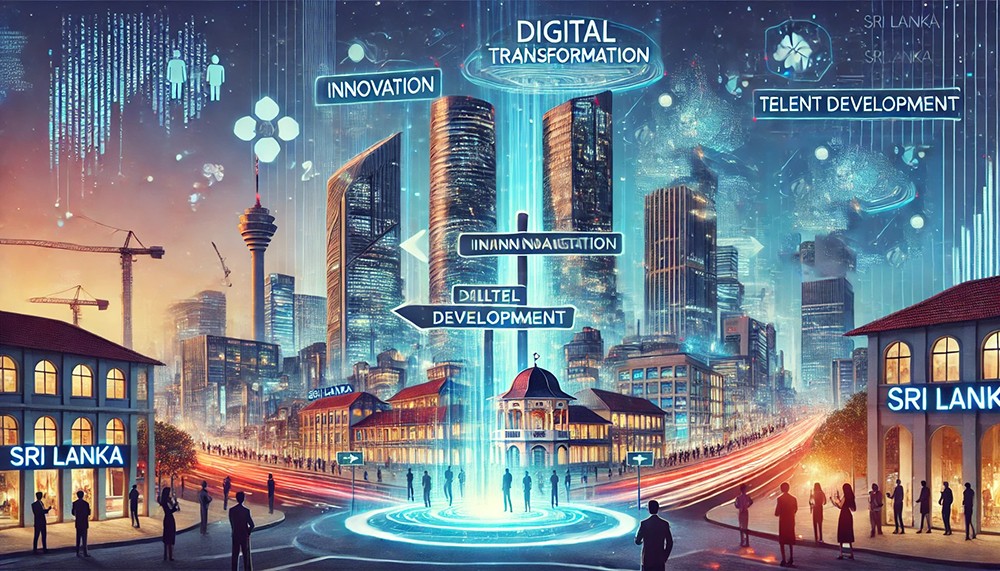
While investing in technology, digital infrastructure, and smart solutions is important, who will run, maintain, and innovate these systems? Without a digitally literate workforce across all levels of society, our advancements will be short-lived. We must build capacity from the grassroots and create a sustainable, future-ready workforce.
Bridging the Digital Divide: A Multi-Level Approach
1. Teachers & Lecturers: The Architects of a Digital Nation
Teachers are the foundation of change. If we do not empower them with AI, data analytics, cybersecurity, and modern digital tools, how can they guide the next generation? We must:
- Provide AI-integrated lesson plans to enhance digital teaching methods.
- Introduce structured tech-training programs for educators to ensure they remain relevant.
- Develop continuous professional development (CPD) pathways to encourage lifelong learning.
2. Students & Youth: The Future Innovators
Sri Lanka’s youth must be equipped not just to consume technology, but to create it. We should:
- Introduce coding, AI, and automation into school curriculums.
- Establish national-level bootcamps and hackathons for hands-on experience.
- Partner with global tech giants to offer mentorship and training.
3. The Existing Workforce: Reskilling for the Digital Economy
Many professionals today find themselves displaced due to rapid automation and AI adoption. To stay competitive, we must:
- Implement corporate upskilling programs in AI, cloud computing, and cybersecurity.
- Provide subsidized digital courses to enable career transitions.
- Encourage remote work opportunities with global companies through structured training.
4. Senior Citizens: Digital Inclusion for All
The digital economy is not just for the young. With increasing online transactions, e-governance, and AI-driven healthcare, senior citizens must also be included in this transformation. Steps include:
- Community-based training centers to teach digital literacy.
- Free workshops on online banking, cybersecurity, and telemedicine.
- A “Digital Grandparents” initiative, where young tech enthusiasts mentor older generations.
Why This Needs to Start Now
Sri Lanka’s digital ambitions are bold and promising, but without a skilled workforce, they will remain unfulfilled dreams. No country can build a digital economy without its people being digitally competent. The time to act is now.
By creating a tech-driven culture that starts from the grassroots and extends to the entire nation, we can ensure that Sri Lanka not only keeps pace with global digital leaders but sets the benchmark for future-ready economies.
Final Thought
It is no longer about whether digital transformation is coming it is already here. The real question is: Will Sri Lanka have the skilled workforce to lead it? The answer depends on what we do today.
The SriLankanization Initiative, in partnership with Hutch and Trainocate, is a step in this direction empowering every Sri Lankan with modern work tools, AI, data, and security skills. The future is digital, and the future starts now.
Stay tuned for updates on this transformative journey at www.srilankanization.com. For more Information and guidance contact Ishraq Abdeen: +94 77 772 1469 / Shehara Perera: +94 76 096 7293
Related News

How CIMA Builds Practical Business and Problem Solving Skills for the Real…
For students considering what to study after school or alongside a university degree, one question matters more than ever: will the qualification…
Read More
CIMA Beyond Accounting: Why Business Skills Matter for the Next Generation
For many Sri Lankan students, completing school brings one major question: what qualification should come next? A bachelor’s degree remains an important…
Read More
Gateway College and Wilderness School Australia Launch Teacher Exchange Programme
Students of Wilderness School were most welcoming to the teachers of Gateway Gateway College is pleased to announce the establishment of a…
Read More
Imperial Announces CIMA Certificate Intake with 50% Off Class Fees
Imperial College of Business Studies (ICBS) will commence its latest CIMA Certificate Level intake on 19 September 2026, with weekday and weekend…
Read More
AIESEC in Colombo North and Rotaract Colombo Mid Town Introduce CSR Project: Bloom 2026
Following the success of its first chapter, Bloom returns in 2026 with a renewed vision, focusing on Galaha Divisional Hospital and the…
Read MoreCourses
-

The future of higher education tech: why industry needs purpose-built solutions
For years, Institutions and education agencies have been forced to rely on a patchwork of horizontal SaaS solutions – general tools that… -

MBA in Project Management & Artificial Intelligence – Oxford College of Business
In an era defined by rapid technological change, organizations increasingly demand leaders who not only understand traditional project management, but can also… -

Scholarships for 2025 Postgraduate Diploma in Education for SLEAS and SLTES Officers
The Ministry of Education, Higher Education and Vocational Education has announced the granting of full scholarships for the one-year weekend Postgraduate Diploma… -
Shape Your Future with a BSc in Business Management (HRM) at Horizon Campus
Human Resource Management is more than a career. It’s about growing people, building organizational culture, and leading with purpose. Every impactful journey… -
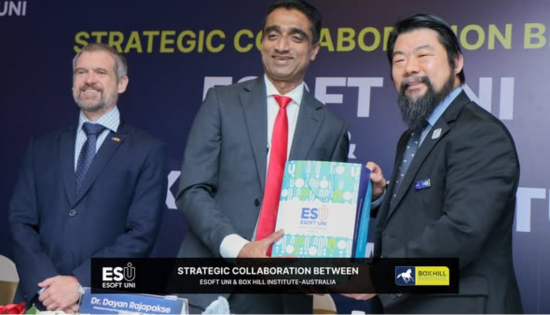
ESOFT UNI Signs MoU with Box Gill Institute, Australia
ESOFt UNI recently hosted a formal Memorandum of Understanding (MoU) signing ceremony with Box Hill Institute, Australia, signaling a significant step in… -

Ace Your University Interview in Sri Lanka: A Guide with Examples
Getting into a Sri Lankan sate or non-state university is not just about the scores. For some universities' programmes, your personality, communication… -
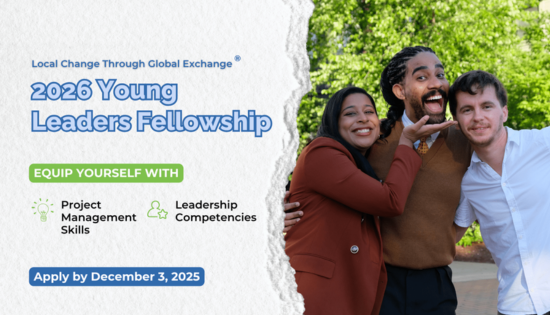
MCW Global Young Leaders Fellowship 2026
MCW Global (Miracle Corners of the World) runs a Young Leaders Fellowship, a year-long leadership program for young people (18–26) around the… -
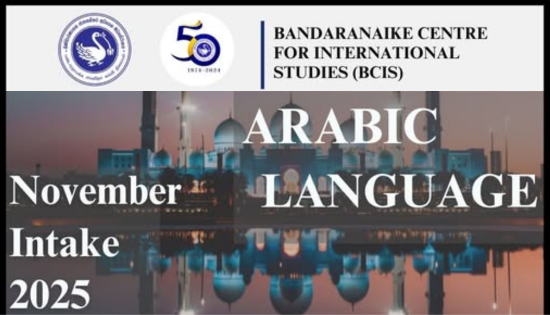
Enhance Your Arabic Skills with the Intermediate Language Course at BCIS
BCIS invites learners to join its Intermediate Arabic Language Course this November and further develop both linguistic skills and cultural understanding. Designed… -

Achieve Your American Dream : NCHS Spring Intake Webinar
NCHS is paving the way for Sri Lankan students to achieve their American Dream. As Sri Lanka’s leading pathway provider to the… -
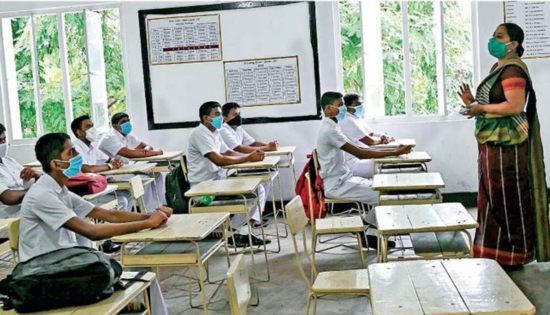
National Diploma in Teaching course : Notice
A Gazette notice has been released recently, concerning the enrollment of aspiring teachers into National Colleges of Education for the three-year pre-service… -
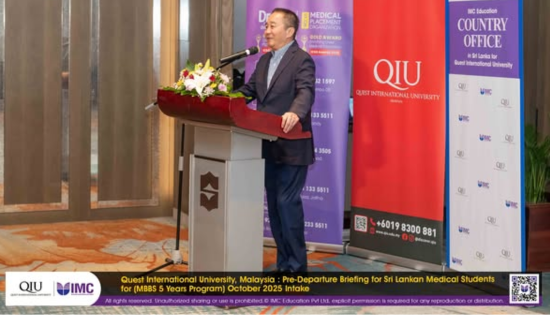
IMC Education Features Largest Student Recruitment for QIU’s October 2025 Intake
Quest International University (QIU), Malaysia recently hosted a pre-departure briefing and high tea at the Shangri-La Hotel in Colombo for its incoming… -

Global University Employability Ranking according to Times Higher Education
Attending college or university offers more than just career preparation, though selecting the right school and program can significantly enhance your job… -

Diploma in Occupational Safety & Health (DOSH) – CIPM
The Chartered Institute of Personnel Management (CIPM) is proud to announce the launch of its Diploma in Occupational Safety & Health (DOSH),… -
Small Grant Scheme for Australia Awards Alumni Sri Lanka
Australia Awards alumni are warmly invited to apply for a grant up to AUD 5,000 to support an innovative project that aim… -
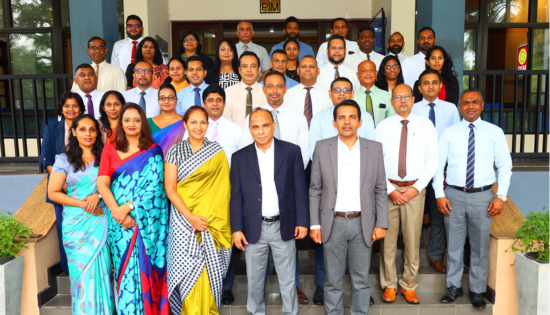
PIM Launches Special Programme for Newly Promoted SriLankan Airlines Managers
The Postgraduate Institute of Management (PIM) has launched a dedicated Newly Promoted Manager Programme designed to strengthen the leadership and management capabilities…
Newswire
-
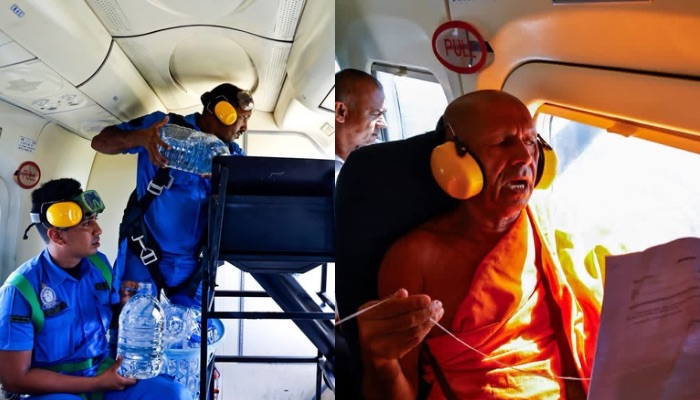
SLAF disperses Pirith water from aircraft in prayer for rain
ON: September 20, 2026 -

Severe flood warning issued for Mahaweli River in Pasbage Korale
ON: September 20, 2026 -
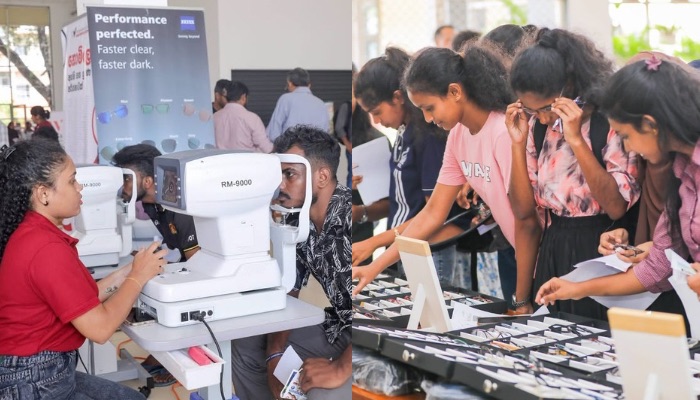
Free spectacles, hearing aids programme launched for university students
ON: September 20, 2026 -
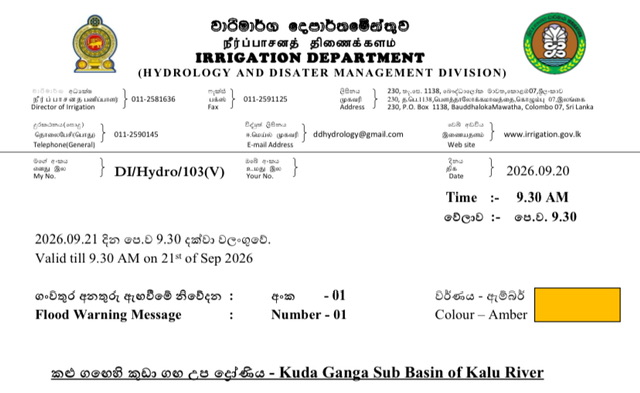
Flood warning issued for Kuda Ganga sub-basin amid heavy rain
ON: September 20, 2026 -

Norwood probe uncovers Sri Lanka’s largest Aswesuma fraud yet
ON: September 20, 2026