



Dare to dream, Learn to lead
Unleashing the inner changemaker
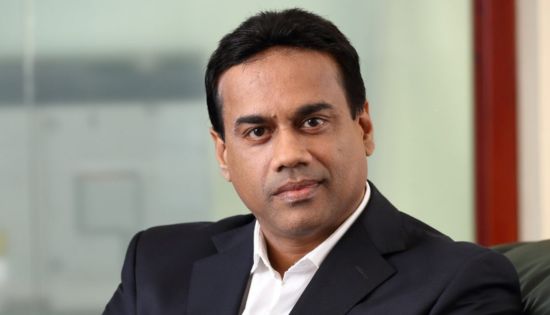
Leadership is not defined by titles or positions. It is shaped by vision, resilience, and the willingness to grow through challenges. In this conversation with Kishu Gomes, a renowned business leader and multifaceted personality, we explore a journey driven by discipline, competition, and perseverance. From humble beginnings to excellence in leadership and sports, this discussion aims to inspire young minds to build confidence, think independently, and develop a strong leadership mindset.
Q: To begin with, tell us about your childhood. Were you always encouraged to be a leading personality in the country?
I believe every leader begins from an ordinary place. What makes the journey extraordinary is vision. I grew up in a middle-income family with simple routines and strong values. While my childhood was fairly typical, my family played a significant role in shaping my aspirations. Observing my father’s hard work and my uncle’s success inspired me to dream of becoming someone respected and impactful.
I was not born into privilege, but I was born with ambition. From a young age, I wanted to make a difference. That drive came from within, not from external pressure. Leadership, to me, begins the moment you decide that your life should inspire others.
Q: What were the challenges you faced on your way, and how did you overcome them? What is your point of view on facing challenges?
Challenges have been my greatest teachers. Growing up in a family of six siblings meant that I had limited attention and resources, which pushed me to become independent early on. Moving to a new city for better education taught me self-reliance. Managing daily responsibilities on my own helped me grow emotionally and mentally.
At the time, these challenges felt overwhelming. In hindsight, they strengthened my resilience and confidence. I believe challenges are not meant to stop you. They are meant to shape you and prepare you for greater responsibilities in life and leadership.
Q: How can students consistently pursue excellence in their chosen fields while balancing other responsibilities?
Excellence is a habit built through discipline and consistency. I have always believed that extraordinary results require effort beyond the bare minimum. As a student, I focused on holistic growth rather than limiting myself to academics alone.
- Athletics: I became a national hurdles champion and won district championships for five consecutive years. Sports taught me discipline, focus, and perseverance.
- Leadership Activities: I actively participated in clubs and extracurricular initiatives to grow as an individual and motivate others.
- Consistency: Excellence is not about one achievement. It is about giving your best every day, even when no one is watching.
When one learns to manage their time well and commit to quality in everything they do, excellence becomes a natural outcome.
Q: How do you stay competitive in your industry? How important is competition?
Competition is an inevitable part of life, but the most important competition is with oneself. I constantly evaluate whether I am improving compared to yesterday. This mindset fuels continuous growth.
While external competition can push you forward, self-competition builds long-term strength. Staying competitive requires continuous learning, adaptability, and perseverance. Complacency is the biggest risk in any field.
Q: How can leaders reflect on both success and failure to grow continuously?
Both success and failure offer valuable lessons, but I place strong emphasis on learning from success.
- Understanding Success: Analysing what worked, including preparation, strategy, and mind-set, helps replicate success.
- Learning from Failure: Failure highlights what needs improvement, while success shows what is possible.
- Balanced Reflection: Celebrating wins builds confidence, and reflection brings clarity.
A leader who values both perspectives is better equipped to grow sustainably and remain resilient.
Q: What advice would you give to young people aspiring to become future leaders?
Leadership begins with a dream, but dreams need direction. My advice is simple: use your head before your body.
- Plan with Clarity: Define your goals and outline practical steps to achieve them.
- Act with Discipline: Execute your plans with commitment, flexibility, and persistence.
- Think Beyond Yourself: True leaders inspire others to grow, believe, and succeed.
Leadership is a continuous journey of learning and self-discovery. To every student reading this, your background does not define your future. Dream boldly, work consistently, and lead with integrity and compassion.
Interviewed by – Adithi Lokuwithana
Related News
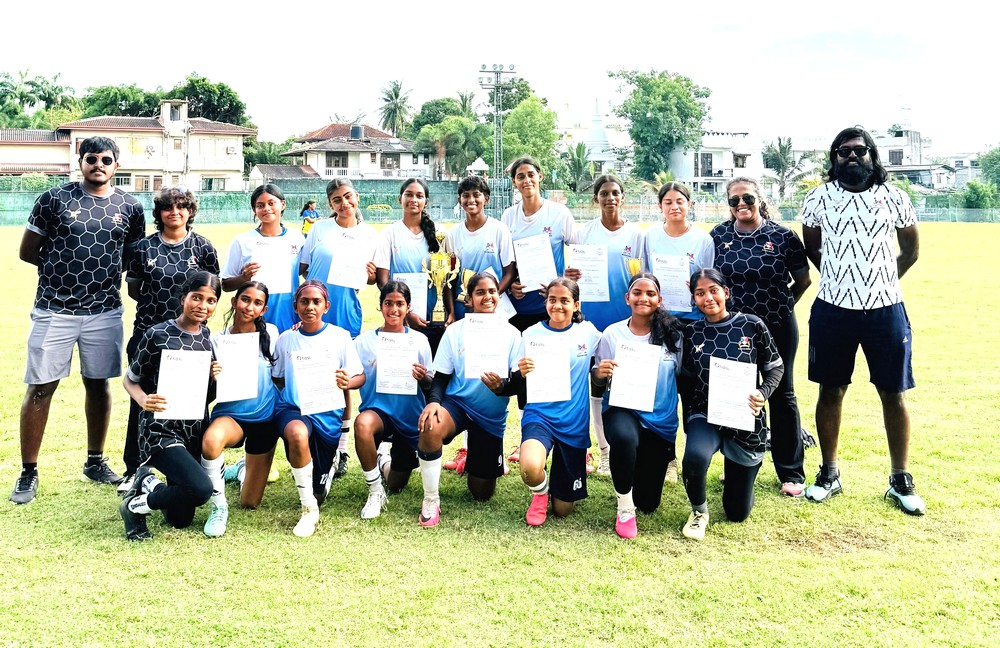
Gateway Girls Triumph in Football
Under 18 Champions: Standing Order Left to Right – Mr Rafaah Suhail (Coach), Ms Sahani Fernando (Coach), Brianna Perera, Tasneem Malik, KenuliAbeygunawardhane…
Read More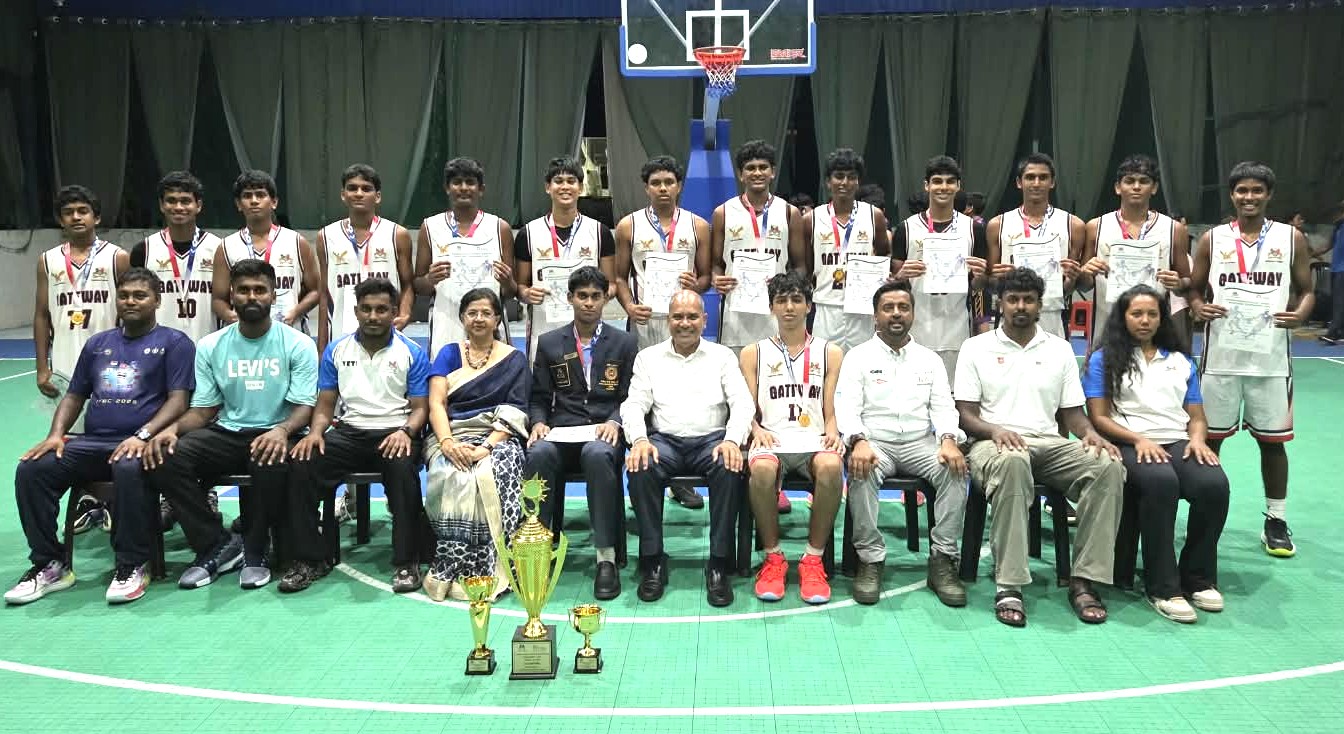
Gateway College Crowned TISSL Under-19 Basketball Champions for Fifth Consecutive Year
Back Row (left to right):DhanukaWijegoonaratne, Tevan Sela, Jonathan Herath, Mikyle Reza, Akain Vitanachy, Samuel Tsung, Thinuk Attanayaka, NavinduWaduwavala, Julan Senmitha, Jithein Kulatunga,…
Read More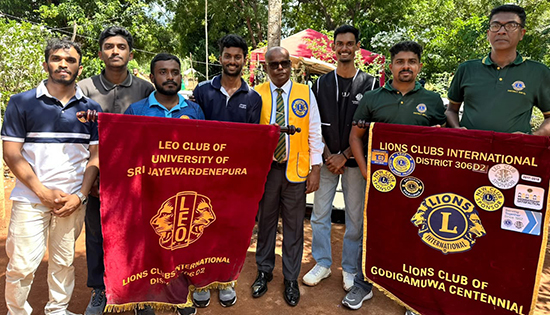
USJ Leo Club’s ‘Pranadhara ’26’ Brings Water Storage Support to Habarana Community
The Leo Club of the University of Sri Jayewardenepura has completed the second phase of its ‘Pranadhara ’26’ water security project, providing…
Read More
Sri Lanka Skills Expo 2026 to promote vocational education in Colombo
The Sri Lanka Skills Expo 2026 is scheduled to take place from October 23 to 25 at Viharamahadevi Park and Green Path…
Read MoreSri Lanka ITEC Alumni Association formally launched to unite India-trained professionals
The Sri Lanka ITEC Alumni Association was officially launched during its inaugural meeting at the Grand Crystal Ballroom of Hotel Taj Samudra…
Read MoreCourses
-

The future of higher education tech: why industry needs purpose-built solutions
For years, Institutions and education agencies have been forced to rely on a patchwork of horizontal SaaS solutions – general tools that… -

MBA in Project Management & Artificial Intelligence – Oxford College of Business
In an era defined by rapid technological change, organizations increasingly demand leaders who not only understand traditional project management, but can also… -

Scholarships for 2025 Postgraduate Diploma in Education for SLEAS and SLTES Officers
The Ministry of Education, Higher Education and Vocational Education has announced the granting of full scholarships for the one-year weekend Postgraduate Diploma… -
Shape Your Future with a BSc in Business Management (HRM) at Horizon Campus
Human Resource Management is more than a career. It’s about growing people, building organizational culture, and leading with purpose. Every impactful journey… -
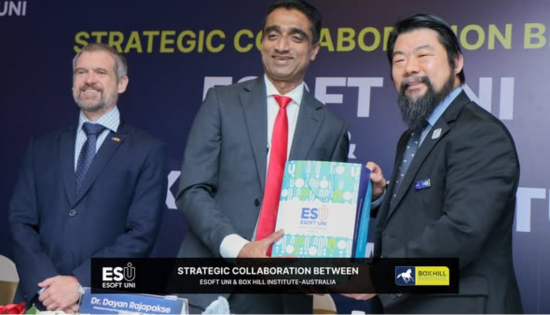
ESOFT UNI Signs MoU with Box Gill Institute, Australia
ESOFt UNI recently hosted a formal Memorandum of Understanding (MoU) signing ceremony with Box Hill Institute, Australia, signaling a significant step in… -

Ace Your University Interview in Sri Lanka: A Guide with Examples
Getting into a Sri Lankan sate or non-state university is not just about the scores. For some universities' programmes, your personality, communication… -
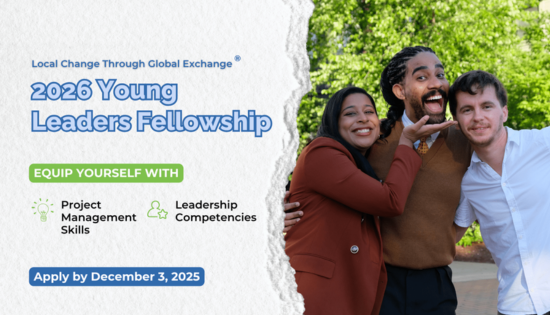
MCW Global Young Leaders Fellowship 2026
MCW Global (Miracle Corners of the World) runs a Young Leaders Fellowship, a year-long leadership program for young people (18–26) around the… -
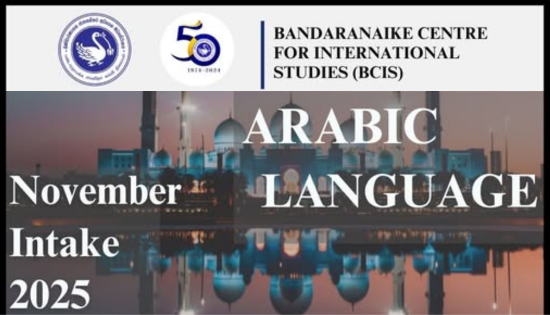
Enhance Your Arabic Skills with the Intermediate Language Course at BCIS
BCIS invites learners to join its Intermediate Arabic Language Course this November and further develop both linguistic skills and cultural understanding. Designed… -

Achieve Your American Dream : NCHS Spring Intake Webinar
NCHS is paving the way for Sri Lankan students to achieve their American Dream. As Sri Lanka’s leading pathway provider to the… -
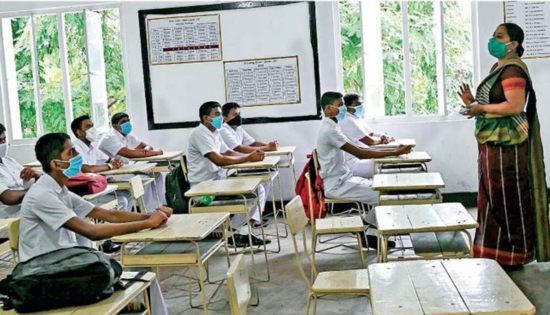
National Diploma in Teaching course : Notice
A Gazette notice has been released recently, concerning the enrollment of aspiring teachers into National Colleges of Education for the three-year pre-service… -
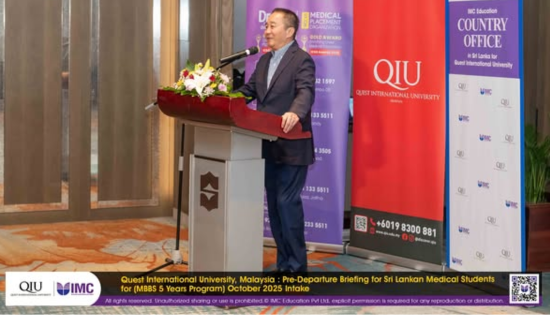
IMC Education Features Largest Student Recruitment for QIU’s October 2025 Intake
Quest International University (QIU), Malaysia recently hosted a pre-departure briefing and high tea at the Shangri-La Hotel in Colombo for its incoming… -

Global University Employability Ranking according to Times Higher Education
Attending college or university offers more than just career preparation, though selecting the right school and program can significantly enhance your job… -

Diploma in Occupational Safety & Health (DOSH) – CIPM
The Chartered Institute of Personnel Management (CIPM) is proud to announce the launch of its Diploma in Occupational Safety & Health (DOSH),… -

Small Grant Scheme for Australia Awards Alumni Sri Lanka
Australia Awards alumni are warmly invited to apply for a grant up to AUD 5,000 to support an innovative project that aim… -
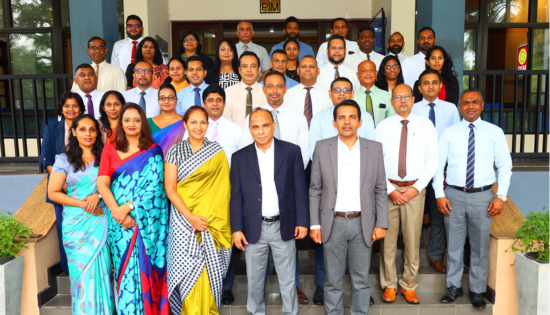
PIM Launches Special Programme for Newly Promoted SriLankan Airlines Managers
The Postgraduate Institute of Management (PIM) has launched a dedicated Newly Promoted Manager Programme designed to strengthen the leadership and management capabilities…
Newswire
-

What did Sanga & Nasser Hussain say about Sri Lanka’s historic win
ON: October 22, 2026 -

WATCH : Highlights of Sri Lanka’a highest successful ODI run chase
ON: October 22, 2026 -

Pakistan, Sri Lanka & England ODI Tri-Series Points Table & NRR
ON: October 22, 2026 -

Sri Lanka pull off record-breaking chase to beat England by two wickets
ON: October 22, 2026 -

Sajith questions 2027 Budget without disclosure of 2026 Budget progress
ON: October 22, 2026