



Everything About Studying in Australia
From Courses to Getting PR
Australia is one of the top study destinations for international students, offering world class education, diverse course options, and pathways to permanent residency (PR). If you’re considering studying in Australia, understanding the key aspects of courses, visa processes, and PR opportunities is crucial. Here’s everything you need to know.

Choosing the Right Course
Your choice of course plays a significant role in your education and future PR prospects. Some fields have higher demand and are included in Australia’s Skilled Occupation List (SOL), making it easier to secure PR.
Popular fields for PR include:
Engineering (Civil, Mechanical, Electrical, Software)
Healthcare (Nursing, Aged Care, Medicine, Physiotherapy)
Information Technology (Cybersecurity, Data Science, AI)
Trades (Construction, Plumbing, Carpentry, Welding)
Accounting and Finance
Education and Teaching
Courses in these fields provide better job opportunities and increase your chances of securing PR through skilled migration programs.
Choosing the Right University
Australia has many reputed universities, and while the university ranking is important, visa approval rates also play a significant role in your study journey. Some top-ranked universities include:
Group of Eight (Go8) Universities: University of Melbourne, Australian National University, University of Sydney, and others.
Technology-Focused Universities: University of Technology Sydney (UTS), RMIT University, and Queensland University of Technology (QUT).
Affordable and Regional Universities: Charles Darwin University, University of Tasmania, and Edith Cowan University.

Studying at a university with a high visa approval rate improves your chances of obtaining a student visa without complications.
Understanding Visa and Post-Study Work Rights
International students in Australia typically hold a Subclass 500 Student Visa, which allows them to work up to 48 hours per fortnight during the semester and full-time during holidays. After completing their studies, graduates can apply for the Temporary Graduate Visa (Subclass 485), which allows them to stay and work in Australia. The duration varies based on the qualification level.
Bachelor’s Degree: 2-4 years
Master’s Degree: 3-5 years
PhD: 4-6 years
Graduates from regional universities may receive additional benefits, including an extra 1-2 years of work rights.
Pathways to Permanent Residency (PR)
Many international students aim to obtain PR in Australia after completing their studies. Here’s how you can increase your chances:
- Select Courses on the Skilled Occupation List (SOL)
Courses in high-demand industries improve PR prospects. Fields like healthcare, IT, engineering, and trade skills are regularly updated on the SOL. - Apply for the Post-Study Work Visa (Subclass 485)
This visa allows graduates to gain Australian work experience, which is a key factor in PR applications. - Gain Relevant Work Experience
Securing a job in your field of study is crucial. Some professional year programs (PYP) in IT, accounting, and engineering offer structured internships to help international students gain industry experience. - Choose a Regional Area
Studying and working in regional areas (e.g., Tasmania, South Australia, Northern Territory) provides PR benefits, including additional points in the PR points system. - Apply for PR via General Skilled Migration (GSM) Program
Once eligible, students can apply for PR through pathways like:
Skilled Independent Visa (Subclass 189) (Points-based)
Skilled Nominated Visa (Subclass 190) (State nomination required)
Skilled Work Regional (Subclass 491) (Regional nomination required)
Key Tips:
Choose a course wisely – Prioritize fields with high PR demand.
Select the right university – Consider visa approval rates and post-study benefits.
Pick a strategic location – Studying in regional areas offers more PR opportunities.
Understand job market trends – Engage in networking, internships, and professional programs.
Follow visa regulations – Ensure compliance with visa conditions to avoid complications.
Studying in Australia is a life-changing experience, offering quality education and a clear pathway to PR. With the right course, university, and career strategy, you can maximize your chances of building a successful future in Australia.
Related News
Poverty drives Central Province school dropouts
Around 24% of children enrolled in Grade 1 in the Central Province drop out before completing 13 years of school, Central Province…
Read MorePresident’s Fund honours A/L top achievers
The first district level recognition ceremony under the President’s Fund for high achievers of the 2025 G.C.E. Advanced Level Examination took place…
Read More
Sri Lanka to introduce New School Curricula and National Preschool Education Reforms
Significant changes are set for Sri Lanka’s school curriculum from 2027, including reducing the G.C.E. Ordinary Level examination to seven core subjects…
Read MoreSchool children visit Presidential Secretariat to mark ‘Vision’ programme anniversary
Students from Pinnawala Central College and Matale Siri Seevali College visited the Presidential Secretariat on September 24 to mark the completion of…
Read More
Health Ministry stresses need for pre- school standards
The Government and relevant institutions hold a responsibility to ensure proper care for children during early childhood development, Secretary to the Ministry…
Read MoreCourses
-

The future of higher education tech: why industry needs purpose-built solutions
For years, Institutions and education agencies have been forced to rely on a patchwork of horizontal SaaS solutions – general tools that… -

MBA in Project Management & Artificial Intelligence – Oxford College of Business
In an era defined by rapid technological change, organizations increasingly demand leaders who not only understand traditional project management, but can also… -

Scholarships for 2025 Postgraduate Diploma in Education for SLEAS and SLTES Officers
The Ministry of Education, Higher Education and Vocational Education has announced the granting of full scholarships for the one-year weekend Postgraduate Diploma… -

Shape Your Future with a BSc in Business Management (HRM) at Horizon Campus
Human Resource Management is more than a career. It’s about growing people, building organizational culture, and leading with purpose. Every impactful journey… -
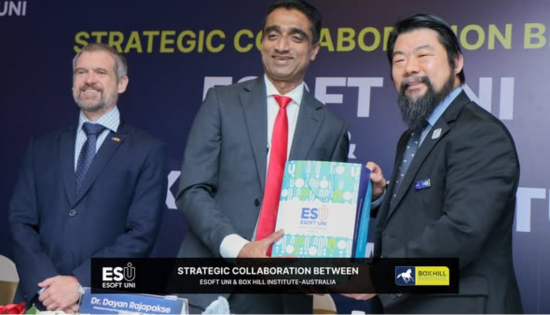
ESOFT UNI Signs MoU with Box Gill Institute, Australia
ESOFt UNI recently hosted a formal Memorandum of Understanding (MoU) signing ceremony with Box Hill Institute, Australia, signaling a significant step in… -

Ace Your University Interview in Sri Lanka: A Guide with Examples
Getting into a Sri Lankan sate or non-state university is not just about the scores. For some universities' programmes, your personality, communication… -
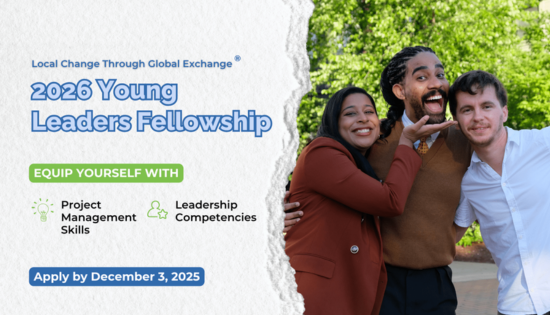
MCW Global Young Leaders Fellowship 2026
MCW Global (Miracle Corners of the World) runs a Young Leaders Fellowship, a year-long leadership program for young people (18–26) around the… -
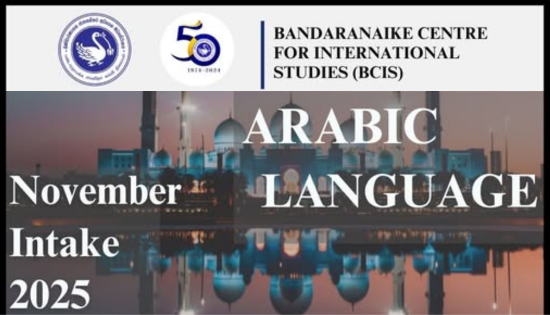
Enhance Your Arabic Skills with the Intermediate Language Course at BCIS
BCIS invites learners to join its Intermediate Arabic Language Course this November and further develop both linguistic skills and cultural understanding. Designed… -

Achieve Your American Dream : NCHS Spring Intake Webinar
NCHS is paving the way for Sri Lankan students to achieve their American Dream. As Sri Lanka’s leading pathway provider to the… -
National Diploma in Teaching course : Notice
A Gazette notice has been released recently, concerning the enrollment of aspiring teachers into National Colleges of Education for the three-year pre-service… -
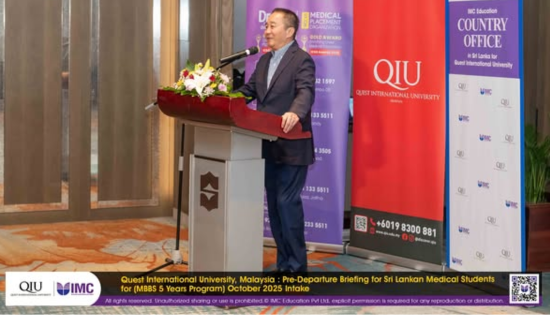
IMC Education Features Largest Student Recruitment for QIU’s October 2025 Intake
Quest International University (QIU), Malaysia recently hosted a pre-departure briefing and high tea at the Shangri-La Hotel in Colombo for its incoming… -

Global University Employability Ranking according to Times Higher Education
Attending college or university offers more than just career preparation, though selecting the right school and program can significantly enhance your job… -

Diploma in Occupational Safety & Health (DOSH) – CIPM
The Chartered Institute of Personnel Management (CIPM) is proud to announce the launch of its Diploma in Occupational Safety & Health (DOSH),… -
Small Grant Scheme for Australia Awards Alumni Sri Lanka
Australia Awards alumni are warmly invited to apply for a grant up to AUD 5,000 to support an innovative project that aim… -
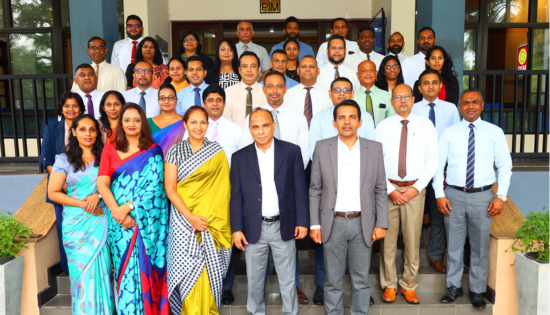
PIM Launches Special Programme for Newly Promoted SriLankan Airlines Managers
The Postgraduate Institute of Management (PIM) has launched a dedicated Newly Promoted Manager Programme designed to strengthen the leadership and management capabilities…
Newswire
-

23-year-old arrested with four locally made firearms in Dematagoda
ON: September 29, 2026 -

Thileepan statue removal: Govt explains Police action
ON: September 29, 2026 -

Baddegama shooting death toll rises to three
ON: September 29, 2026 -
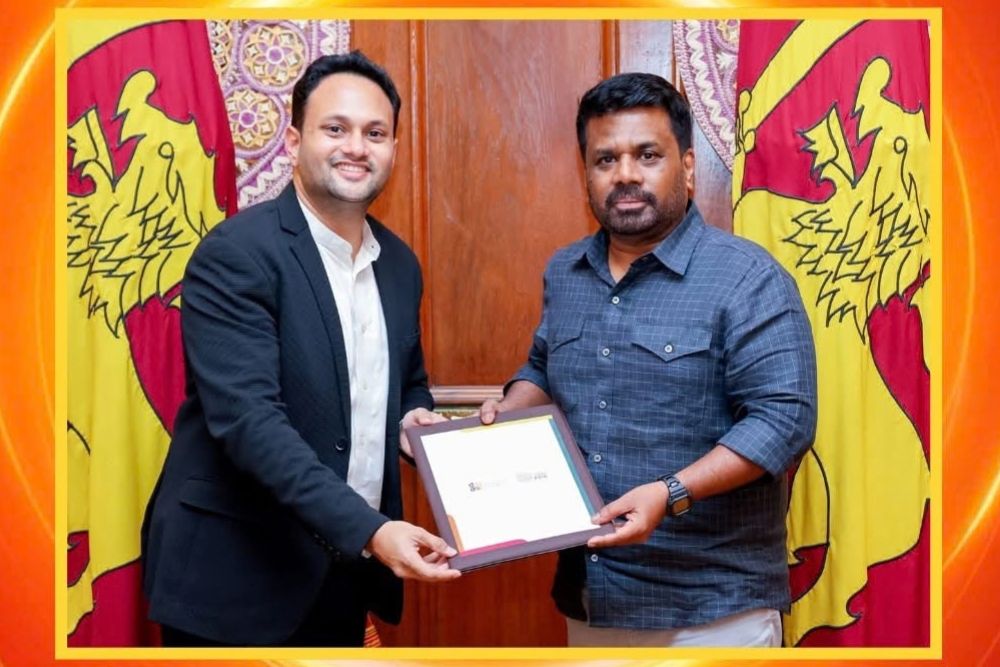
DMASL Meets President to Discuss Sri Lanka’s Digital Ecosystem and Digital Summit Asia 2026
ON: September 29, 2026 -

‘Caution level’ heat alert issued for 11 districts
ON: September 29, 2026