


Blockchain in Education
Revolutionizing Credentialing and Verification

Blockchain technology is revolutionizing the field of education, offering new possibilities for securely storing and verifying academic credentials. By leveraging the decentralized and immutable nature of blockchain, educational institutions can streamline credentialing processes, combat fraud, and provide students with greater control over their academic records.
One of the key benefits of blockchain in education is its ability to provide a secure and tamper-proof way to store academic credentials. Traditionally, academic records are stored in centralized databases that are vulnerable to hacking and manipulation. Blockchain technology, however, uses cryptography to ensure that once a record is added to the blockchain, it cannot be altered or deleted without the consensus of the network.
Blockchain also offers greater transparency and trust in the credentialing process. Employers and educational institutions can verify the authenticity of a credential by accessing the blockchain, eliminating the need for intermediaries and reducing the risk of credential fraud. This can be particularly beneficial for students who have earned credentials from institutions that may not be well-known or reputable.
Another advantage of blockchain in education is its ability to provide students with greater control over their academic records. With blockchain, students can store their credentials in a digital wallet and share them with employers or other institutions as needed. This eliminates the need for paper transcripts and allows students to easily access and manage their records throughout their academic and professional careers.
Blockchain technology is also being used to create digital badges and micro-credentials, which can provide a more granular and up-to-date view of a student’s skills and achievements. These digital credentials can be easily shared and verified, allowing students to showcase their abilities in a more dynamic and comprehensive way.
Despite the many benefits of blockchain in education, there are challenges that need to be addressed. For example, there are concerns about the scalability of blockchain networks and the potential for high energy consumption. Additionally, there are questions about the standardization of blockchain-based credentials and how they will be recognized by employers and educational institutions.
In conclusion, blockchain technology has the potential to revolutionize education by providing a secure, transparent, and decentralized way to store and verify academic credentials. As educators and policymakers continue to explore the possibilities of blockchain, the future of education looks more secure and accessible than ever before.
Related News
Education ministry allocated Rs. 328 bn in Appropriation Bill 2027
The Ministry of Education, Higher Education and Vocational Education has been allocated Rs. 328 billion under Appropriation Bill 2027, which has been…
Read MoreNew subject on entrepreneurship and financial literacy for Grade 6 from 2027: PM
Prime Minister Dr. Harini Amarasuriya has announced a new subject focusing on entrepreneurship and financial literacy will be introduced for Grade 6…
Read More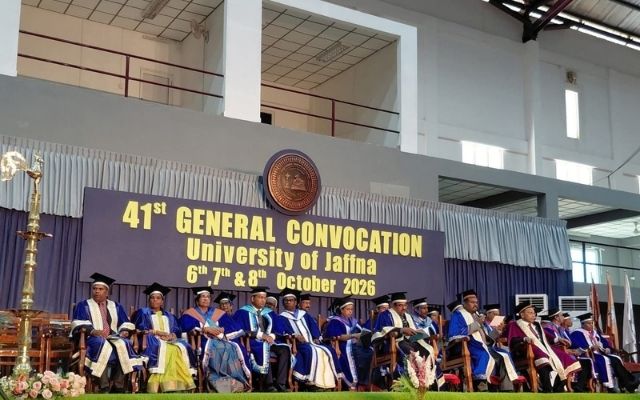
University of Jaffna commences 41st General Convocation across nine sessions
The 41st General Convocation of the University of Jaffna commenced grandly at the University Indoor Stadium on October 6 led by the…
Read MorePM pledges full education ministry support to popularise scout movement at grassroots level
Prime Minister and Minister of Education Dr. Harini Amarasuriya has agreed to extend the full support of the Education Ministry to implement…
Read MoreOver 100 Sri Lankan students receive scholarships to study in Russia
More than 100 Sri Lankan students have been selected for higher education in Russia this year under the Russian State Scholarship Programme…
Read MoreCourses
-

The future of higher education tech: why industry needs purpose-built solutions
For years, Institutions and education agencies have been forced to rely on a patchwork of horizontal SaaS solutions – general tools that… -

MBA in Project Management & Artificial Intelligence – Oxford College of Business
In an era defined by rapid technological change, organizations increasingly demand leaders who not only understand traditional project management, but can also… -

Scholarships for 2025 Postgraduate Diploma in Education for SLEAS and SLTES Officers
The Ministry of Education, Higher Education and Vocational Education has announced the granting of full scholarships for the one-year weekend Postgraduate Diploma… -

Shape Your Future with a BSc in Business Management (HRM) at Horizon Campus
Human Resource Management is more than a career. It’s about growing people, building organizational culture, and leading with purpose. Every impactful journey… -
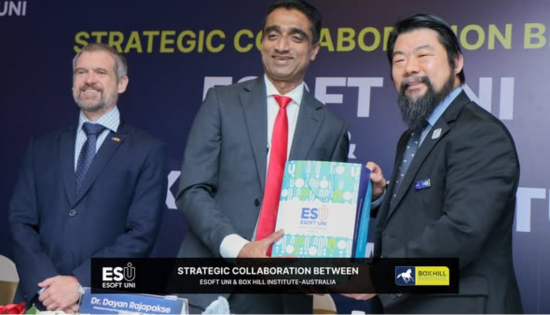
ESOFT UNI Signs MoU with Box Gill Institute, Australia
ESOFt UNI recently hosted a formal Memorandum of Understanding (MoU) signing ceremony with Box Hill Institute, Australia, signaling a significant step in… -

Ace Your University Interview in Sri Lanka: A Guide with Examples
Getting into a Sri Lankan sate or non-state university is not just about the scores. For some universities' programmes, your personality, communication… -
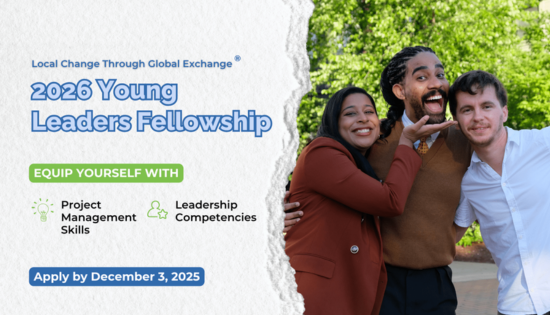
MCW Global Young Leaders Fellowship 2026
MCW Global (Miracle Corners of the World) runs a Young Leaders Fellowship, a year-long leadership program for young people (18–26) around the… -
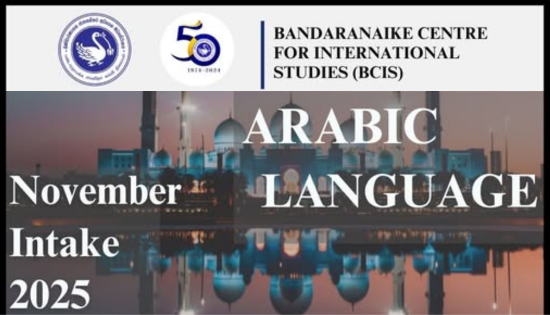
Enhance Your Arabic Skills with the Intermediate Language Course at BCIS
BCIS invites learners to join its Intermediate Arabic Language Course this November and further develop both linguistic skills and cultural understanding. Designed… -
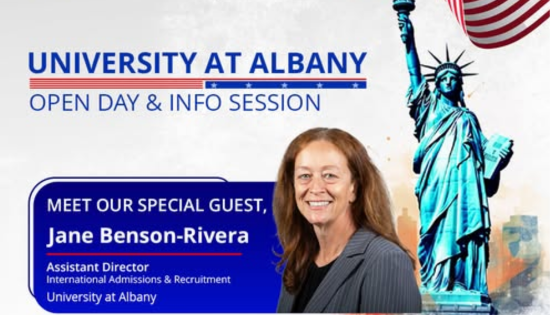
Achieve Your American Dream : NCHS Spring Intake Webinar
NCHS is paving the way for Sri Lankan students to achieve their American Dream. As Sri Lanka’s leading pathway provider to the… -

National Diploma in Teaching course : Notice
A Gazette notice has been released recently, concerning the enrollment of aspiring teachers into National Colleges of Education for the three-year pre-service… -
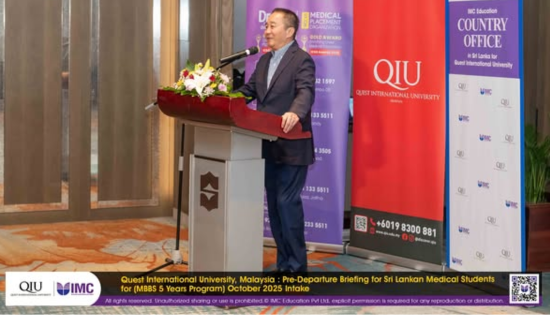
IMC Education Features Largest Student Recruitment for QIU’s October 2025 Intake
Quest International University (QIU), Malaysia recently hosted a pre-departure briefing and high tea at the Shangri-La Hotel in Colombo for its incoming… -

Global University Employability Ranking according to Times Higher Education
Attending college or university offers more than just career preparation, though selecting the right school and program can significantly enhance your job… -

Diploma in Occupational Safety & Health (DOSH) – CIPM
The Chartered Institute of Personnel Management (CIPM) is proud to announce the launch of its Diploma in Occupational Safety & Health (DOSH),… -
Small Grant Scheme for Australia Awards Alumni Sri Lanka
Australia Awards alumni are warmly invited to apply for a grant up to AUD 5,000 to support an innovative project that aim… -
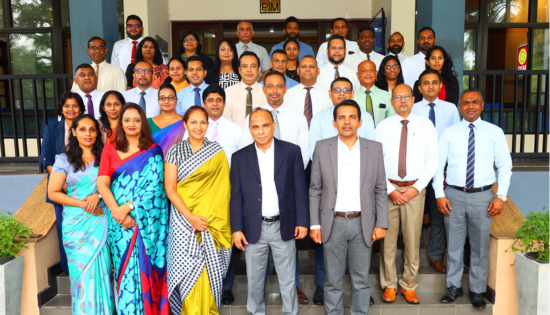
PIM Launches Special Programme for Newly Promoted SriLankan Airlines Managers
The Postgraduate Institute of Management (PIM) has launched a dedicated Newly Promoted Manager Programme designed to strengthen the leadership and management capabilities…
Newswire
-

Dengue vaccine Qdenga available in Australia for the first time
ON: October 8, 2026 -
Sri Lanka aims to reduce VAT rates within next 2–3 years, President says
ON: October 8, 2026 -

President gives committee two weeks to review prison rules for Buddhist monks
ON: October 8, 2026 -

Man arrested for aiding escape of Akuregoda lawyer murder suspect
ON: October 8, 2026