




Preparing for an AI-powered future through digital learning
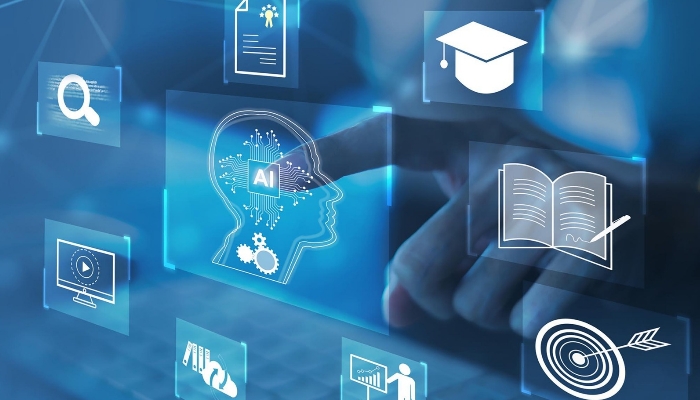
Artificial intelligence is rapidly transforming the way people study, work, communicate, and solve problems. From generating text and analysing data to assisting with research and creative projects, AI tools are becoming increasingly integrated into everyday life. As a result, a new form of literacy is emerging alongside reading, writing, and digital skills: AI literacy.
Recognising this shift, Google has expanded its efforts to make AI education more accessible through its Grow with Google initiative, offering free and low-cost training programmes designed to help students, educators, job seekers, and professionals develop practical AI skills. The initiative reflects a growing global belief that understanding AI is no longer a specialised skill reserved for computer scientists, but a competency that may soon become essential across almost every profession.
A changing skills landscape
The rapid adoption of artificial intelligence has created both excitement and uncertainty.
While AI has the potential to automate routine tasks and improve productivity, it is also reshaping job requirements across industries. Employers increasingly expect workers to understand how AI tools function, how they can be used responsibly, and how they can enhance workplace efficiency.
This does not necessarily mean everyone needs to become a programmer or machine learning engineer. Instead, experts argue that people need practical skills that allow them to work effectively alongside AI systems.
Google’s AI learning programmes are built around this idea. Rather than focusing solely on technical development, many courses teach participants how to use AI tools for everyday tasks such as writing, brainstorming, research, project management, communication, and decision-making.
Learning AI from the ground up
One of the most notable aspects of the initiative is its accessibility.
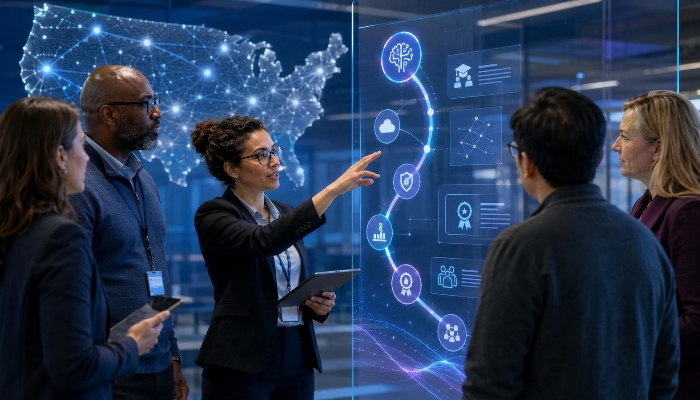
Many of the programmes are designed for beginners with no previous experience in artificial intelligence. Courses introduce the fundamentals of generative AI, explain how large language models work, and provide guidance on crafting effective prompts to achieve better results from AI tools.
Google’s AI Essentials programme, for example, focuses on helping learners understand the practical applications of generative AI. Participants learn how AI can assist with content creation, idea generation, information organisation, and daily productivity tasks. The emphasis is on hands-on learning rather than theoretical concepts alone.
The company’s newer AI Professional Certificate expands on these foundations by offering more advanced training aimed at developing workplace-ready AI competencies that employers increasingly value.
AI as a study companion
Students are among the groups most affected by the growing presence of artificial intelligence.
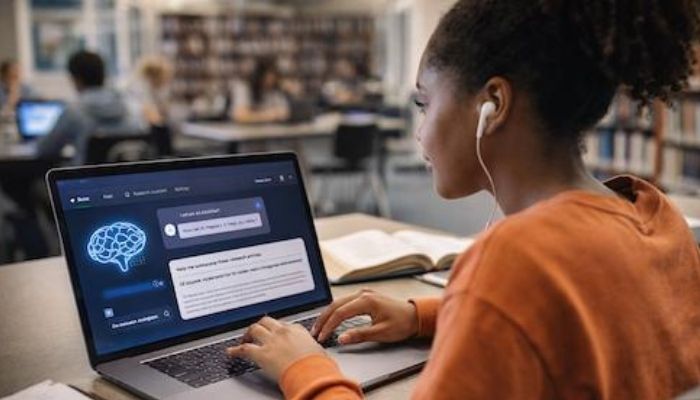
Google has developed resources specifically designed to help learners use AI tools productively and responsibly. These resources demonstrate how platforms such as Gemini and NotebookLM can support exam preparation, improve writing, organise research materials, and assist with career planning.
However, educators continue to emphasise an important distinction.
The goal is not to replace learning with AI-generated answers but to use AI as a learning partner. When used effectively, AI can help students explore complex topics, generate ideas, identify knowledge gaps, and strengthen critical thinking skills.
This shift mirrors broader discussions taking place in schools and universities worldwide, where institutions are increasingly exploring how AI can complement education rather than undermine it.
Beyond technical skills
One of the key themes emerging from AI education initiatives is the importance of responsible use.
As AI tools become more powerful, users must understand their limitations. Generative AI systems can produce inaccurate information, reflect biases found in training data, or present confident answers that require verification.
Consequently, AI literacy involves more than learning how to use technology. It also requires understanding when to question outputs, verify sources, protect privacy, and apply ethical judgement.
Many AI training programmes now include discussions on responsible AI practices, encouraging learners to think critically about the information they receive and generate.

Preparing for an AI-driven future
The growing focus on AI education reflects a broader reality.
Artificial intelligence is likely to become a permanent feature of modern life. Whether in healthcare, education, journalism, finance, engineering, marketing, or scientific research, AI tools are increasingly being integrated into professional workflows.
This does not mean human skills are becoming less important. In fact, many experts argue the opposite.
As AI handles more routine tasks, uniquely human abilities such as creativity, empathy, ethical reasoning, communication, and critical thinking may become even more valuable. The challenge for future workers will be learning how to combine these human strengths with AI-powered technologies.
A new chapter in digital literacy
The rise of computers transformed education in the late twentieth century. The internet reshaped access to information in the early twenty-first century. Artificial intelligence may represent the next major shift.
Just as previous generations learned how to use search engines, word processors, and digital communication tools, today’s students and professionals are beginning to learn how to work alongside intelligent systems.
Initiatives such as Grow with Google reflect an emerging consensus that AI literacy should not be limited to technology specialists. Instead, it should become part of lifelong learning, helping individuals adapt to a world where artificial intelligence is increasingly woven into everyday experiences.
The future of work may involve AI, but the future of learning will depend on how effectively people understand, question, and use these tools. In that sense, AI education is about far more than technology. It is about preparing individuals to participate confidently and responsibly in a rapidly changing world.
Sources
- Grow with Google AI Training
- Grow with Google
- Google AI Essentials
- Google AI Skills Resources
- AI Tools for Students
- Google AI Professional Certificate
Related News

How CIMA Builds Practical Business and Problem Solving Skills for the Real…
For students considering what to study after school or alongside a university degree, one question matters more than ever: will the qualification…
Read More
CIMA Beyond Accounting: Why Business Skills Matter for the Next Generation
For many Sri Lankan students, completing school brings one major question: what qualification should come next? A bachelor’s degree remains an important…
Read More
Gateway College and Wilderness School Australia Launch Teacher Exchange Programme
Students of Wilderness School were most welcoming to the teachers of Gateway Gateway College is pleased to announce the establishment of a…
Read More
Imperial Announces CIMA Certificate Intake with 50% Off Class Fees
Imperial College of Business Studies (ICBS) will commence its latest CIMA Certificate Level intake on 19 September 2026, with weekday and weekend…
Read More
AIESEC in Colombo North and Rotaract Colombo Mid Town Introduce CSR Project: Bloom 2026
Following the success of its first chapter, Bloom returns in 2026 with a renewed vision, focusing on Galaha Divisional Hospital and the…
Read MoreCourses
-
The future of higher education tech: why industry needs purpose-built solutions
For years, Institutions and education agencies have been forced to rely on a patchwork of horizontal SaaS solutions – general tools that… -

MBA in Project Management & Artificial Intelligence – Oxford College of Business
In an era defined by rapid technological change, organizations increasingly demand leaders who not only understand traditional project management, but can also… -

Scholarships for 2025 Postgraduate Diploma in Education for SLEAS and SLTES Officers
The Ministry of Education, Higher Education and Vocational Education has announced the granting of full scholarships for the one-year weekend Postgraduate Diploma… -
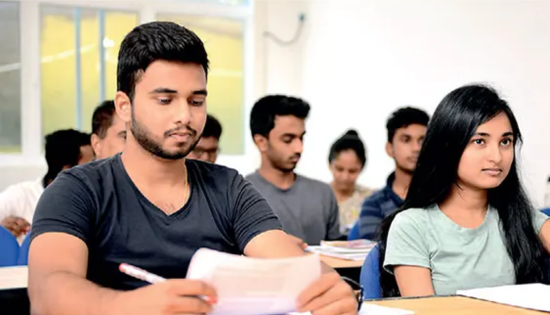
Shape Your Future with a BSc in Business Management (HRM) at Horizon Campus
Human Resource Management is more than a career. It’s about growing people, building organizational culture, and leading with purpose. Every impactful journey… -
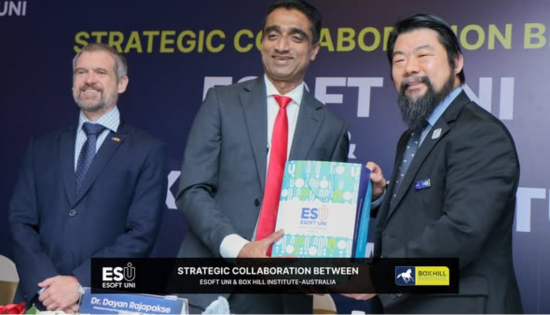
ESOFT UNI Signs MoU with Box Gill Institute, Australia
ESOFt UNI recently hosted a formal Memorandum of Understanding (MoU) signing ceremony with Box Hill Institute, Australia, signaling a significant step in… -

Ace Your University Interview in Sri Lanka: A Guide with Examples
Getting into a Sri Lankan sate or non-state university is not just about the scores. For some universities' programmes, your personality, communication… -
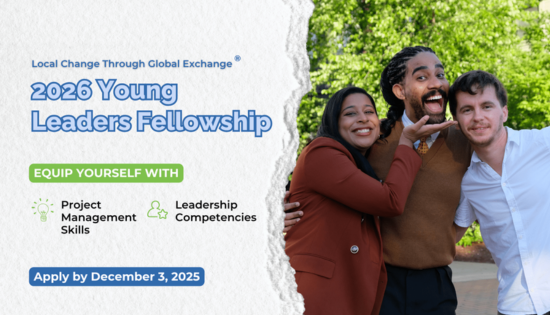
MCW Global Young Leaders Fellowship 2026
MCW Global (Miracle Corners of the World) runs a Young Leaders Fellowship, a year-long leadership program for young people (18–26) around the… -
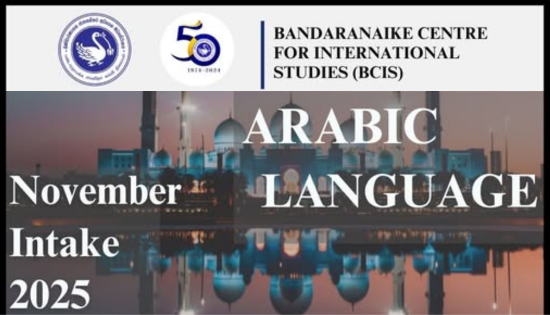
Enhance Your Arabic Skills with the Intermediate Language Course at BCIS
BCIS invites learners to join its Intermediate Arabic Language Course this November and further develop both linguistic skills and cultural understanding. Designed… -
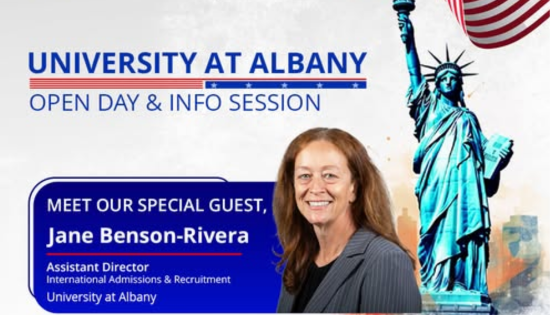
Achieve Your American Dream : NCHS Spring Intake Webinar
NCHS is paving the way for Sri Lankan students to achieve their American Dream. As Sri Lanka’s leading pathway provider to the… -
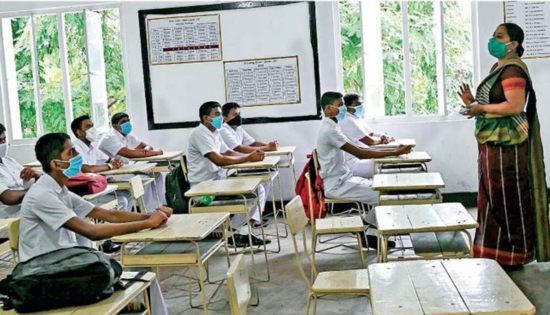
National Diploma in Teaching course : Notice
A Gazette notice has been released recently, concerning the enrollment of aspiring teachers into National Colleges of Education for the three-year pre-service… -
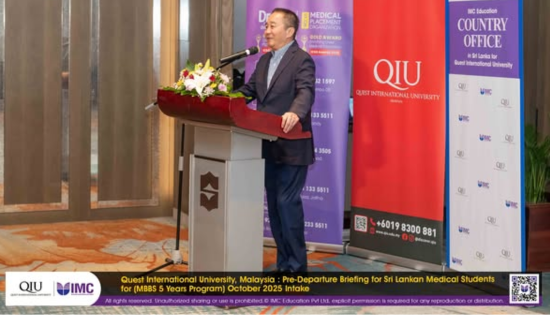
IMC Education Features Largest Student Recruitment for QIU’s October 2025 Intake
Quest International University (QIU), Malaysia recently hosted a pre-departure briefing and high tea at the Shangri-La Hotel in Colombo for its incoming… -

Global University Employability Ranking according to Times Higher Education
Attending college or university offers more than just career preparation, though selecting the right school and program can significantly enhance your job… -

Diploma in Occupational Safety & Health (DOSH) – CIPM
The Chartered Institute of Personnel Management (CIPM) is proud to announce the launch of its Diploma in Occupational Safety & Health (DOSH),… -
Small Grant Scheme for Australia Awards Alumni Sri Lanka
Australia Awards alumni are warmly invited to apply for a grant up to AUD 5,000 to support an innovative project that aim… -
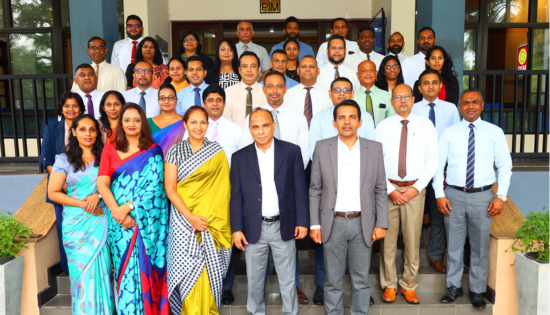
PIM Launches Special Programme for Newly Promoted SriLankan Airlines Managers
The Postgraduate Institute of Management (PIM) has launched a dedicated Newly Promoted Manager Programme designed to strengthen the leadership and management capabilities…
Newswire
-
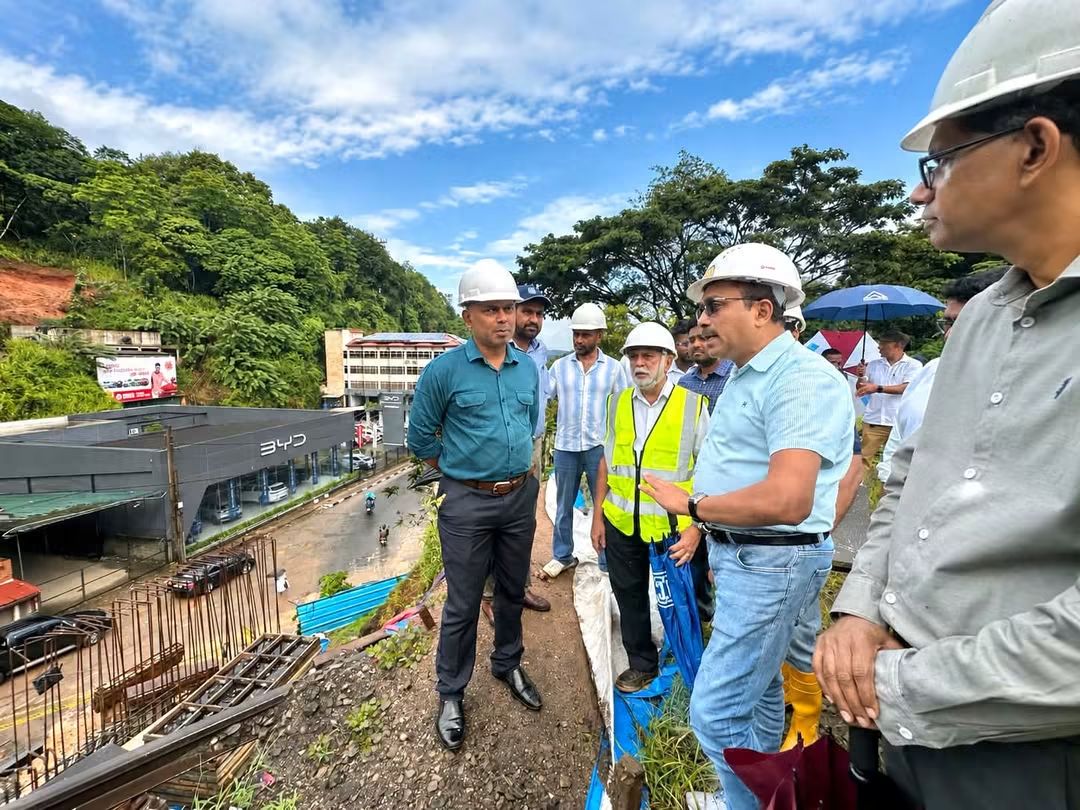
Kandy’s Mahaiyawa Tunnel 80% Complete, Set to Open Before December
ON: September 20, 2026 -
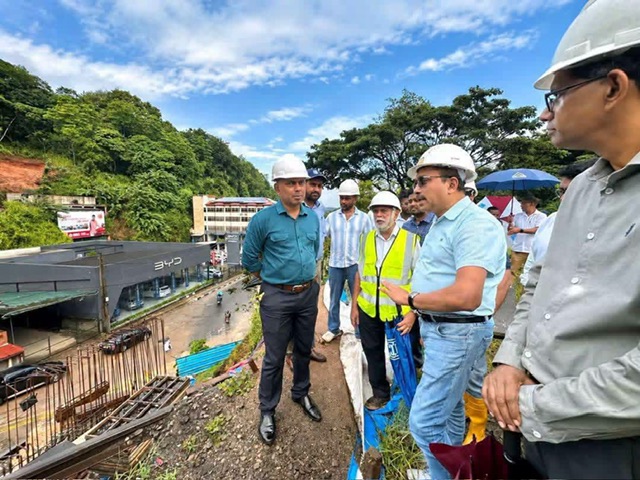
Mahaiyawa underpass 80% complete, opening targeted before December
ON: September 20, 2026 -

Solar Power Shake-Up: Net Metering and Net Accounting Scrapped for New Connections
ON: September 20, 2026 -

Red landslide alerts issued for areas in Kandy, Kegalle and Nuwara Eliya
ON: September 20, 2026 -

Rooftop solar restrictions could be eased with battery storage systems — Minister
ON: September 20, 2026