


Is Your WhatsApp Really Safe? Here’s What Scammers Don’t Want You to Know
Article by Zafarullah Hashim – Managing Director – Trainocate Lanka
Protect Yourself from WhatsApp and Social Media Cyber Threats
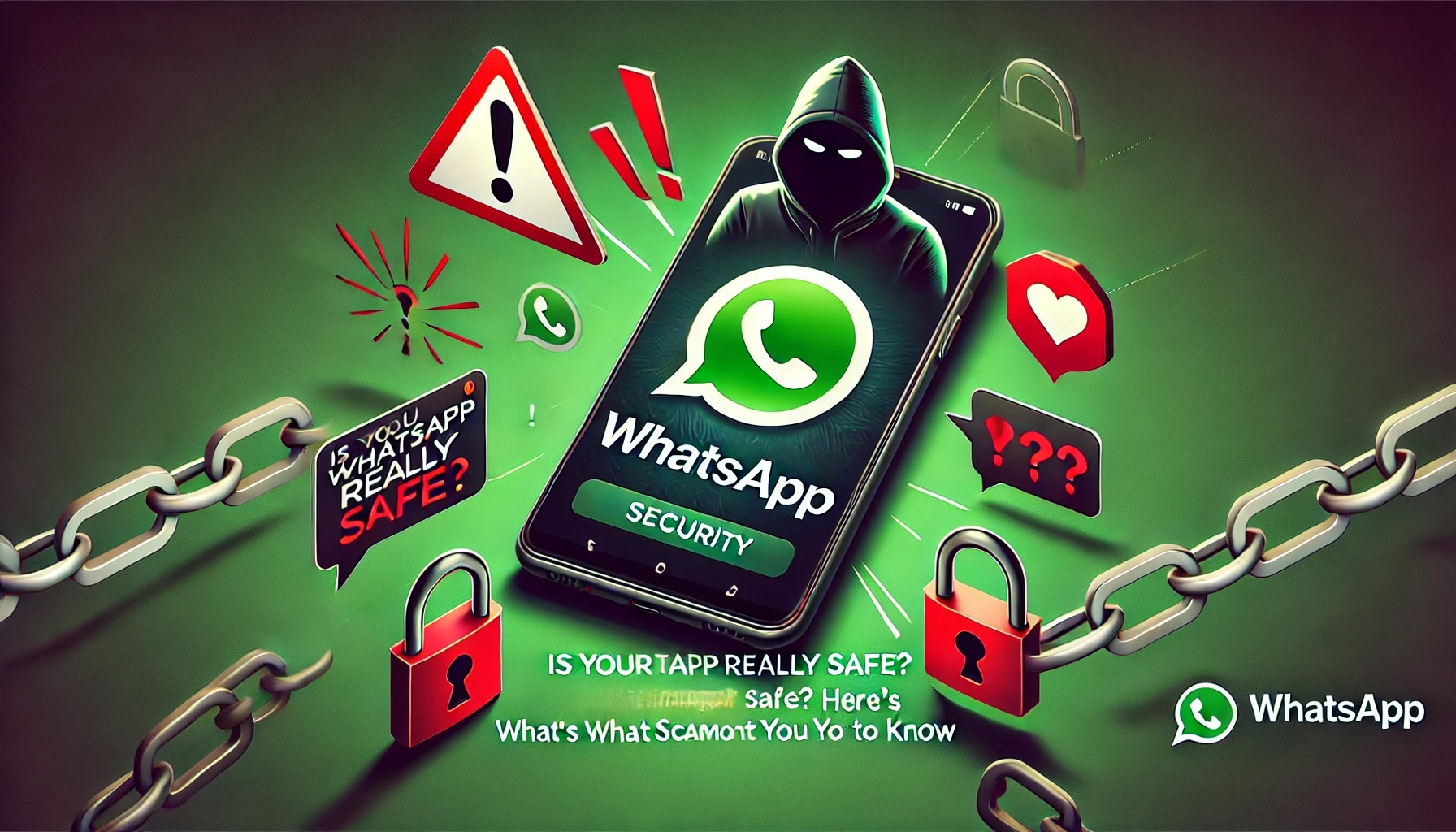
With our reliance on platforms like WhatsApp and social media for daily communication, cybercriminals are using increasingly clever tactics to scam users. Scammers often impersonate trusted contacts or create fake profiles, exploiting trust to steal personal information and money. During Cybersecurity Awareness Month, let’s explore some straightforward ways to protect ourselves from these threats.
Why Are Cyber Scams on the Rise?
As more people work online, bank digitally, and share personal information, opportunities for cybercriminals to exploit weak security practices have multiplied. A common scam involves impersonating family members or friends in “urgent” need of financial help. While these messages may seem genuine, falling for them can lead to financial loss and exposure of personal information.
How to Stay Safe on WhatsApp and Social Media
- Enable Two-Factor Authentication (2FA)
Boost security by enabling 2FA on WhatsApp and social platforms. This adds an extra layer of security, making unauthorized access to your accounts much more difficult.
- Be Skeptical of Urgent Messages
If someone you know requests money or sensitive information, verify their identity by calling them or contacting them on another platform. Scammers often pose as close contacts to gain trust.
- Never Share OTPs or Verification Codes
Legitimate contacts or companies will never ask for your One-Time Password (OTP). Always keep these codes private.
- Regularly Update Your Apps
Keep your apps updated to protect against the latest cyber threats. Updates often contain patches for security vulnerabilities.
- Limit Personal Information Sharing
Avoid oversharing on social media; scammers can use details about you to impersonate or guess passwords.
- Consider Cybersecurity Awareness Training
Awareness training programs, like those offered by Trainocate, can enhance your skills in identifying and preventing scams.
Additional Tips for Protecting Your Digital Presence
Spotting a Phishing Message
Phishing messages often mimic legitimate companies or contacts but come from scammers. Look out for suspicious email addresses, strange links, or messages using urgent language to request personal info or money. Always verify the sender before clicking any links by contacting the company or person directly.
Actions to Take if You Suspect Your Account is Hacked
If you think your account has been compromised, take immediate action. Change your password to something strong and unique, with letters, numbers, and symbols. Enable 2FA, check for suspicious activity, report the incident to the platform’s support team, and alert your contacts to prevent further scams.
Safe Public Wi-Fi Use
Public Wi-Fi is often insecure, making it easy for hackers to intercept your data. Avoid accessing sensitive accounts on public Wi-Fi. If you need to, use a VPN to secure your connection and check that websites use “https.” Disable automatic connections to open networks on your device.
Creating Strong Passwords
Use unique, strong passwords for each account. Avoid simple details like birthdays or common sequences like “12345.” Include uppercase and lowercase letters, numbers, and symbols. A password manager can securely store your passwords and generate strong one’s for you.
Contact us for more information: +94 76 857 7577
Related News
PM stresses aesthetic education to build responsible citizens
Prime Minister Dr. Harini Amarasuriya stated that the government aims to produce talented artists, doctors who understand the pain of their patients…
Read MoreOne week Left to apply for UK Chevening Scholarships
Applicants pursuing the UK Government's prestigious Chevening Scholarship have only one week remaining to complete and submit their applications before the fast…
Read More
Education Ministry briefs officials on proposed National Curriculum Framework
Education officials at the provincial and zonal levels have been briefed on proposed education reforms and the new National Curriculum Framework during…
Read MoreEastern University teachers address ongoing higher education crisis
State universities in Sri Lanka are facing a severe crisis due to an acute shortage of human resources, inadequate infrastructure facilities, Eastern…
Read More
Poverty drives Central Province school dropouts
Around 24% of children enrolled in Grade 1 in the Central Province drop out before completing 13 years of school, Central Province…
Read MoreCourses
-

The future of higher education tech: why industry needs purpose-built solutions
For years, Institutions and education agencies have been forced to rely on a patchwork of horizontal SaaS solutions – general tools that… -

MBA in Project Management & Artificial Intelligence – Oxford College of Business
In an era defined by rapid technological change, organizations increasingly demand leaders who not only understand traditional project management, but can also… -

Scholarships for 2025 Postgraduate Diploma in Education for SLEAS and SLTES Officers
The Ministry of Education, Higher Education and Vocational Education has announced the granting of full scholarships for the one-year weekend Postgraduate Diploma… -

Shape Your Future with a BSc in Business Management (HRM) at Horizon Campus
Human Resource Management is more than a career. It’s about growing people, building organizational culture, and leading with purpose. Every impactful journey… -

ESOFT UNI Signs MoU with Box Gill Institute, Australia
ESOFt UNI recently hosted a formal Memorandum of Understanding (MoU) signing ceremony with Box Hill Institute, Australia, signaling a significant step in… -

Ace Your University Interview in Sri Lanka: A Guide with Examples
Getting into a Sri Lankan sate or non-state university is not just about the scores. For some universities' programmes, your personality, communication… -

MCW Global Young Leaders Fellowship 2026
MCW Global (Miracle Corners of the World) runs a Young Leaders Fellowship, a year-long leadership program for young people (18–26) around the… -
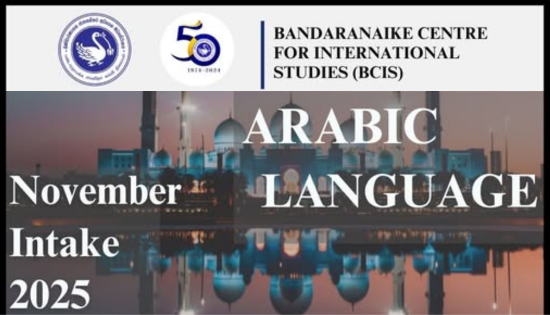
Enhance Your Arabic Skills with the Intermediate Language Course at BCIS
BCIS invites learners to join its Intermediate Arabic Language Course this November and further develop both linguistic skills and cultural understanding. Designed… -

Achieve Your American Dream : NCHS Spring Intake Webinar
NCHS is paving the way for Sri Lankan students to achieve their American Dream. As Sri Lanka’s leading pathway provider to the… -
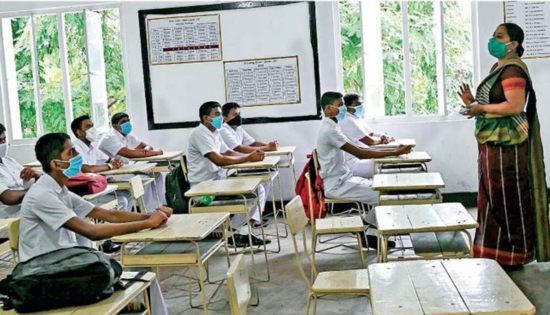
National Diploma in Teaching course : Notice
A Gazette notice has been released recently, concerning the enrollment of aspiring teachers into National Colleges of Education for the three-year pre-service… -
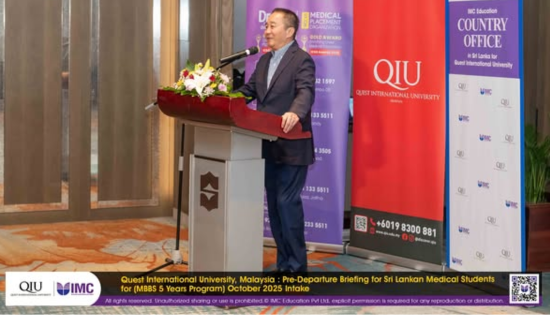
IMC Education Features Largest Student Recruitment for QIU’s October 2025 Intake
Quest International University (QIU), Malaysia recently hosted a pre-departure briefing and high tea at the Shangri-La Hotel in Colombo for its incoming… -

Global University Employability Ranking according to Times Higher Education
Attending college or university offers more than just career preparation, though selecting the right school and program can significantly enhance your job… -

Diploma in Occupational Safety & Health (DOSH) – CIPM
The Chartered Institute of Personnel Management (CIPM) is proud to announce the launch of its Diploma in Occupational Safety & Health (DOSH),… -
Small Grant Scheme for Australia Awards Alumni Sri Lanka
Australia Awards alumni are warmly invited to apply for a grant up to AUD 5,000 to support an innovative project that aim… -
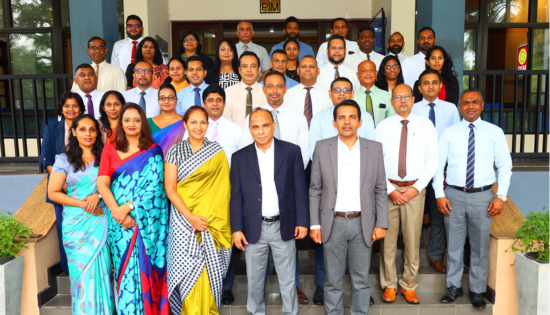
PIM Launches Special Programme for Newly Promoted SriLankan Airlines Managers
The Postgraduate Institute of Management (PIM) has launched a dedicated Newly Promoted Manager Programme designed to strengthen the leadership and management capabilities…
Newswire
-
Over 2,500 doctors already left Sri Lanka as GMOA seeks relief from 36% tax burden
ON: September 30, 2026 -
Interpol Red Notice suspect who escaped custody in India & Sri Lanka arrested
ON: September 30, 2026 -

Fuel prices increased
ON: September 30, 2026 -
Two killed, teenager critically injured in Maligawatte clash over romantic dispute
ON: September 30, 2026 -
SLC expects management changes under new governance structure
ON: September 30, 2026