



Study Abroad Without Breaking the Bank
Countries Offering Free & Low-Cost Education

Studying abroad is a major aspiration for many students, but tuition fees often present a significant financial challenge. While completely free higher education for all international students is now limited, several countries still offer tuition-free or highly affordable options, mainly through their public university systems.
Understanding the eligibility criteria, nationality requirements, and recent policy changes is essential before applying.
Country-Specific Tuition Policies
Studying in Germany
Germany remains one of the most attractive destinations for international students.
- Most public universities do not charge tuition fees for bachelor’s and master’s programs.
- This applies to both EU/EEA and non-EU students.
- Students usually pay a semester contribution, which covers administrative services and public transportation.
- An exception exists in some regions (such as Baden-Württemberg), where non-EU students may be charged tuition fees.
Germany is especially popular for engineering, science, IT, and research-focused degrees.
Studying in Iceland
Iceland offers one of the few remaining systems where higher education is still tuition-free for international students.
- Public universities do not charge tuition fees, regardless of nationality.
- Students are required to pay a registration or administration fee annually.
- Programs are limited in number, and competition can be high.
Iceland is particularly suitable for students interested in environmental sciences, renewable energy, and Nordic studies.
Studying in Norway
Norway has recently changed its higher education funding policy.
- EU/EEA students can generally study tuition-free at public universities.
- Most non-EU/EEA international students are now required to pay tuition fees, depending on the institution and program.
- Living costs in Norway are among the highest in Europe, and proof of financial resources is required for a student visa.
Norway remains academically strong, but it is no longer universally tuition-free for all international students.
Studying in Finland
Finland operates a mixed tuition system.
- EU/EEA and Swiss students can study tuition-free at public universities.
- Non-EU/EEA students usually pay tuition fees for bachelor’s and master’s programs.
- However, many universities offer full or partial tuition-waiver scholarships.
- Doctoral programs are generally tuition-free for all nationalities.
Finland is known for its innovative education system and strong focus on technology, education, and sustainability.
Key Points International Students Should Know
- Tuition-free education is mainly limited to public universities
- Living expenses (housing, food, insurance, transport) are not free
- Visa applications often require proof of sufficient funds
- Tuition policies can change, so official university websites should always be checked
Frequently Asked Questions
❓ Is higher education completely free for all international students?
No. Only a few countries still offer tuition-free education regardless of nationality. In most cases, tuition-free access depends on citizenship, program level, and institution.
❓ Are English-taught programs available?
Yes. Many public universities offer English-taught bachelor’s and master’s programs, especially in Germany, Norway, and Finland.
❓ Do I need a scholarship if tuition is free?
Even if tuition is free, scholarships are often needed to cover living expenses, especially in high-cost countries like Norway and Iceland.
❓ Can international students work while studying?
Yes. Most countries allow international students to work part-time, subject to visa regulations.
❓ Are degrees from these countries internationally recognized?
Yes. Degrees from accredited public universities in these countries are globally recognized and respected.
While the number of countries offering completely free education to all international students has decreased, opportunities still exist—particularly in Germany and Iceland, and for EU/EEA students in Nordic countries. With careful research, financial planning, and awareness of current policies, studying abroad can remain both affordable and academically rewarding.
Related News
Poverty drives Central Province school dropouts
Around 24% of children enrolled in Grade 1 in the Central Province drop out before completing 13 years of school, Central Province…
Read MorePresident’s Fund honours A/L top achievers
The first district level recognition ceremony under the President’s Fund for high achievers of the 2025 G.C.E. Advanced Level Examination took place…
Read More
Sri Lanka to introduce New School Curricula and National Preschool Education Reforms
Significant changes are set for Sri Lanka’s school curriculum from 2027, including reducing the G.C.E. Ordinary Level examination to seven core subjects…
Read MoreSchool children visit Presidential Secretariat to mark ‘Vision’ programme anniversary
Students from Pinnawala Central College and Matale Siri Seevali College visited the Presidential Secretariat on September 24 to mark the completion of…
Read More
Health Ministry stresses need for pre- school standards
The Government and relevant institutions hold a responsibility to ensure proper care for children during early childhood development, Secretary to the Ministry…
Read MoreCourses
-

The future of higher education tech: why industry needs purpose-built solutions
For years, Institutions and education agencies have been forced to rely on a patchwork of horizontal SaaS solutions – general tools that… -

MBA in Project Management & Artificial Intelligence – Oxford College of Business
In an era defined by rapid technological change, organizations increasingly demand leaders who not only understand traditional project management, but can also… -

Scholarships for 2025 Postgraduate Diploma in Education for SLEAS and SLTES Officers
The Ministry of Education, Higher Education and Vocational Education has announced the granting of full scholarships for the one-year weekend Postgraduate Diploma… -
Shape Your Future with a BSc in Business Management (HRM) at Horizon Campus
Human Resource Management is more than a career. It’s about growing people, building organizational culture, and leading with purpose. Every impactful journey… -
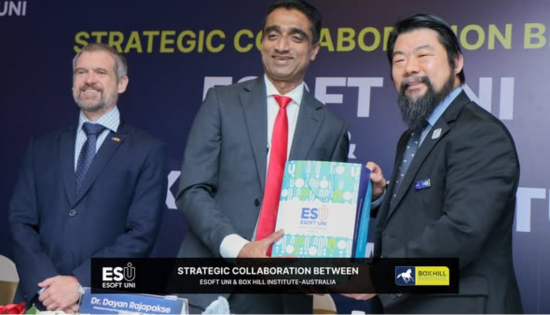
ESOFT UNI Signs MoU with Box Gill Institute, Australia
ESOFt UNI recently hosted a formal Memorandum of Understanding (MoU) signing ceremony with Box Hill Institute, Australia, signaling a significant step in… -

Ace Your University Interview in Sri Lanka: A Guide with Examples
Getting into a Sri Lankan sate or non-state university is not just about the scores. For some universities' programmes, your personality, communication… -
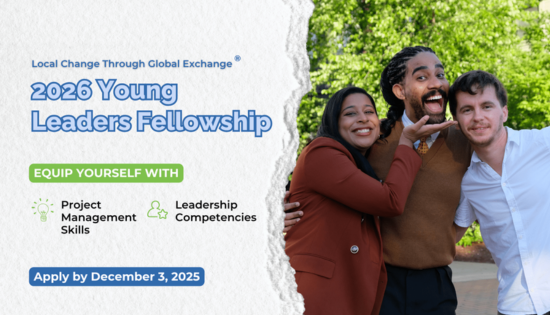
MCW Global Young Leaders Fellowship 2026
MCW Global (Miracle Corners of the World) runs a Young Leaders Fellowship, a year-long leadership program for young people (18–26) around the… -
Enhance Your Arabic Skills with the Intermediate Language Course at BCIS
BCIS invites learners to join its Intermediate Arabic Language Course this November and further develop both linguistic skills and cultural understanding. Designed… -
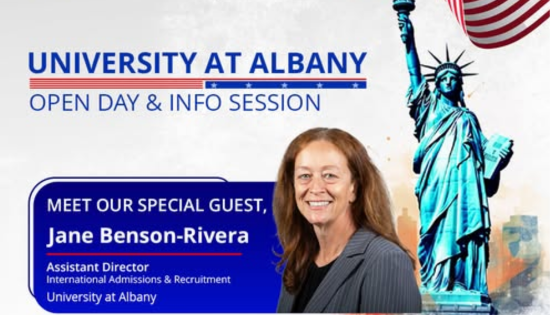
Achieve Your American Dream : NCHS Spring Intake Webinar
NCHS is paving the way for Sri Lankan students to achieve their American Dream. As Sri Lanka’s leading pathway provider to the… -
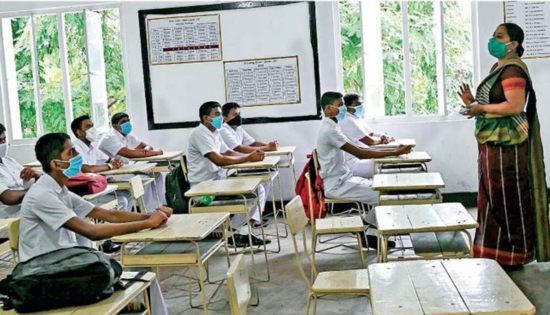
National Diploma in Teaching course : Notice
A Gazette notice has been released recently, concerning the enrollment of aspiring teachers into National Colleges of Education for the three-year pre-service… -
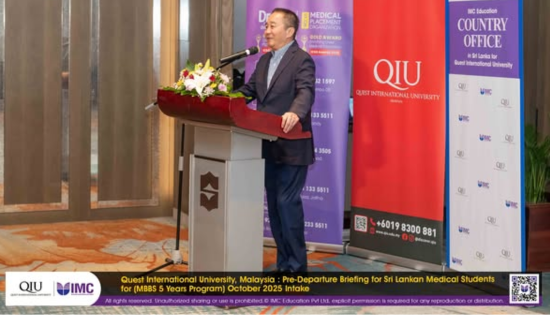
IMC Education Features Largest Student Recruitment for QIU’s October 2025 Intake
Quest International University (QIU), Malaysia recently hosted a pre-departure briefing and high tea at the Shangri-La Hotel in Colombo for its incoming… -

Global University Employability Ranking according to Times Higher Education
Attending college or university offers more than just career preparation, though selecting the right school and program can significantly enhance your job… -

Diploma in Occupational Safety & Health (DOSH) – CIPM
The Chartered Institute of Personnel Management (CIPM) is proud to announce the launch of its Diploma in Occupational Safety & Health (DOSH),… -
Small Grant Scheme for Australia Awards Alumni Sri Lanka
Australia Awards alumni are warmly invited to apply for a grant up to AUD 5,000 to support an innovative project that aim… -
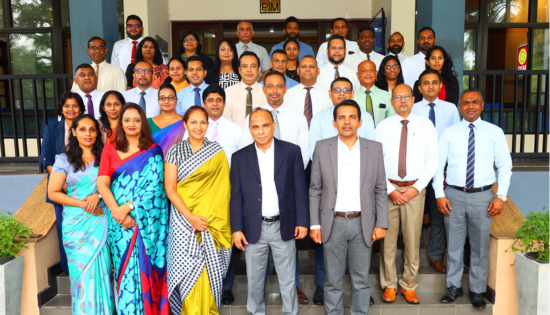
PIM Launches Special Programme for Newly Promoted SriLankan Airlines Managers
The Postgraduate Institute of Management (PIM) has launched a dedicated Newly Promoted Manager Programme designed to strengthen the leadership and management capabilities…
Newswire
-

British schoolgirl, 11, becomes youngest woman grandmaster
ON: September 28, 2026 -
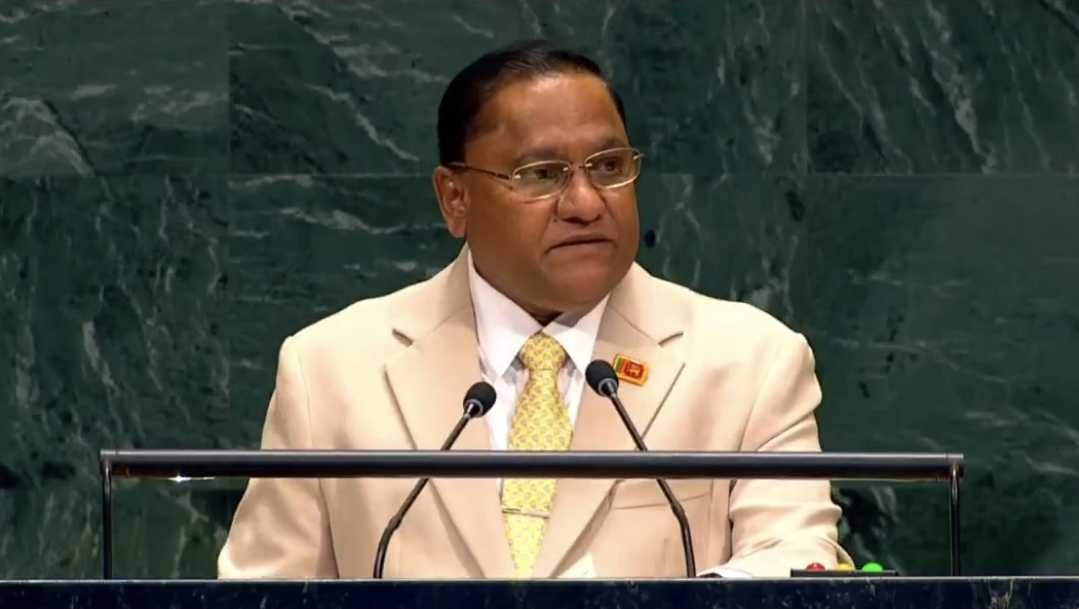
Sri Lanka calls for climate justice, Gaza aid and fairer debt rules at UN
ON: September 28, 2026 -
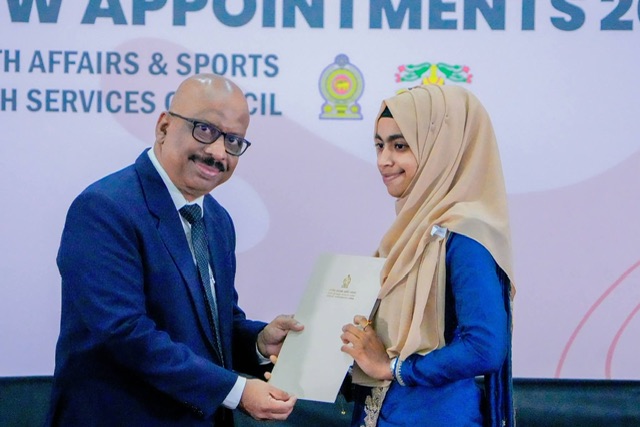
National Youth Services Council issues 194 new appointment letters
ON: September 28, 2026 -

Today’s News Digest – September 28
ON: September 28, 2026 -

Shooting incident reported in Rathgama
ON: September 28, 2026