


Rising School Dropouts and Eroding Trust Challenge Sri Lanka’s Education Goals
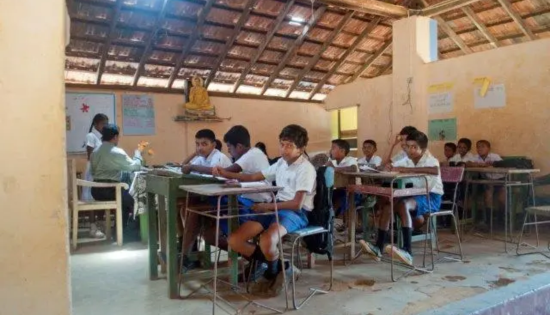
A growing number of school dropouts, disruptions to examinations, and declining parental confidence in the school system have emerged as major obstacles to achieving Sri Lanka’s education targets, according to a 2025 Progress Report issued by the Ministry of Education.
The report highlights that the percentage of students leaving school before completing the mandatory 13 years of education is on the rise, posing a serious concern for the country’s long-term educational and social development.
One of the key reasons identified is the uneven distribution of human and physical resources across schools, which has contributed to a breakdown of trust among parents in the state education system. Despite Sri Lanka’s long-standing policy of providing free education from primary school to university, parents continue to shoulder a significant financial burden related to their children’s education.
The ministry also noted that the irregular school calendar, caused by the COVID-19 pandemic and the subsequent economic crisis, led to delays in holding examinations on time. These disruptions further strained the education system, although authorities say efforts are now underway to gradually restore normal school operations and examination schedules.
Another pressing issue outlined in the report is the large number of unfilled vacancies within the education sector, despite ongoing recruitment efforts.
To address these challenges and improve students’ living and learning standards, the ministry continues to provide free educational benefits, including textbooks, stationery, school uniforms, shoes, midday meals, and insurance coverage for students in general education.
The report also drew attention to a mismatch between labour market needs, particularly in agriculture, industry, and services, and the education currently provided, highlighting the need for curriculum reforms aligned with economic demands.
Looking ahead, the Ministry of Education plans to introduce new education reforms for Grade 1 and Grade 6 in the coming year, while preparatory work is underway for curriculum reforms for Grade 2 and Grade 7. Printing learning modules for the second and third school terms, along with teacher training programmes for the upcoming reforms scheduled for implementation in 2026, are among the ministry’s key targets.
Other priorities for 2026 include strengthening primary education, creating a more inclusive learning environment, expanding co-curricular activities, improving school infrastructure, and reinforcing the regulatory framework governing education.
Related News
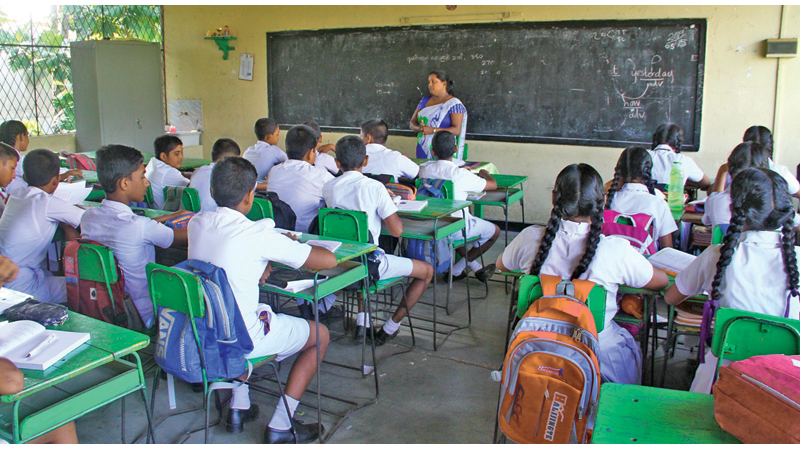
Education Ministry briefs officials on proposed National Curriculum Framework
Education officials at the provincial and zonal levels have been briefed on proposed education reforms and the new National Curriculum Framework during…
Read MoreEastern University teachers address ongoing higher education crisis
State universities in Sri Lanka are facing a severe crisis due to an acute shortage of human resources, inadequate infrastructure facilities, Eastern…
Read More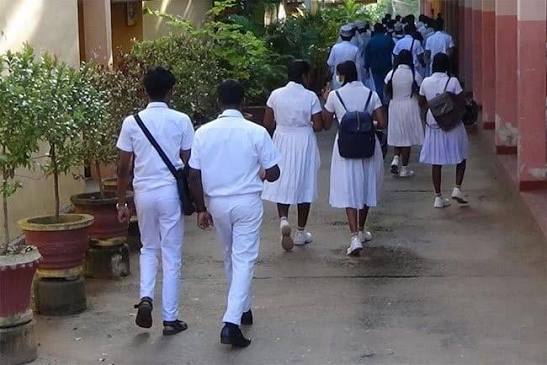
Poverty drives Central Province school dropouts
Around 24% of children enrolled in Grade 1 in the Central Province drop out before completing 13 years of school, Central Province…
Read MorePresident’s Fund honours A/L top achievers
The first district level recognition ceremony under the President’s Fund for high achievers of the 2025 G.C.E. Advanced Level Examination took place…
Read More
Sri Lanka to introduce New School Curricula and National Preschool Education Reforms
Significant changes are set for Sri Lanka’s school curriculum from 2027, including reducing the G.C.E. Ordinary Level examination to seven core subjects…
Read MoreCourses
-

The future of higher education tech: why industry needs purpose-built solutions
For years, Institutions and education agencies have been forced to rely on a patchwork of horizontal SaaS solutions – general tools that… -

MBA in Project Management & Artificial Intelligence – Oxford College of Business
In an era defined by rapid technological change, organizations increasingly demand leaders who not only understand traditional project management, but can also… -

Scholarships for 2025 Postgraduate Diploma in Education for SLEAS and SLTES Officers
The Ministry of Education, Higher Education and Vocational Education has announced the granting of full scholarships for the one-year weekend Postgraduate Diploma… -
Shape Your Future with a BSc in Business Management (HRM) at Horizon Campus
Human Resource Management is more than a career. It’s about growing people, building organizational culture, and leading with purpose. Every impactful journey… -
ESOFT UNI Signs MoU with Box Gill Institute, Australia
ESOFt UNI recently hosted a formal Memorandum of Understanding (MoU) signing ceremony with Box Hill Institute, Australia, signaling a significant step in… -

Ace Your University Interview in Sri Lanka: A Guide with Examples
Getting into a Sri Lankan sate or non-state university is not just about the scores. For some universities' programmes, your personality, communication… -
MCW Global Young Leaders Fellowship 2026
MCW Global (Miracle Corners of the World) runs a Young Leaders Fellowship, a year-long leadership program for young people (18–26) around the… -
Enhance Your Arabic Skills with the Intermediate Language Course at BCIS
BCIS invites learners to join its Intermediate Arabic Language Course this November and further develop both linguistic skills and cultural understanding. Designed… -

Achieve Your American Dream : NCHS Spring Intake Webinar
NCHS is paving the way for Sri Lankan students to achieve their American Dream. As Sri Lanka’s leading pathway provider to the… -
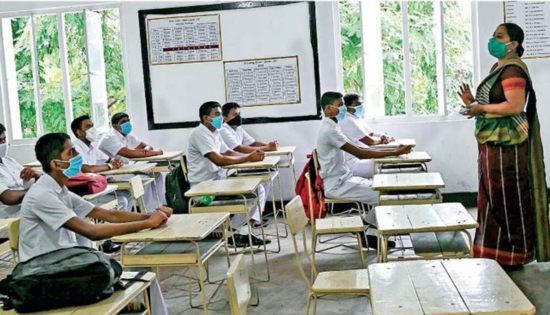
National Diploma in Teaching course : Notice
A Gazette notice has been released recently, concerning the enrollment of aspiring teachers into National Colleges of Education for the three-year pre-service… -
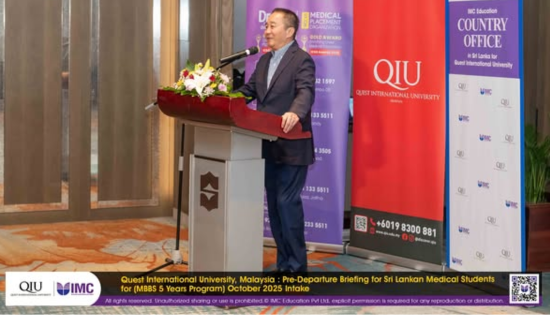
IMC Education Features Largest Student Recruitment for QIU’s October 2025 Intake
Quest International University (QIU), Malaysia recently hosted a pre-departure briefing and high tea at the Shangri-La Hotel in Colombo for its incoming… -

Global University Employability Ranking according to Times Higher Education
Attending college or university offers more than just career preparation, though selecting the right school and program can significantly enhance your job… -

Diploma in Occupational Safety & Health (DOSH) – CIPM
The Chartered Institute of Personnel Management (CIPM) is proud to announce the launch of its Diploma in Occupational Safety & Health (DOSH),… -
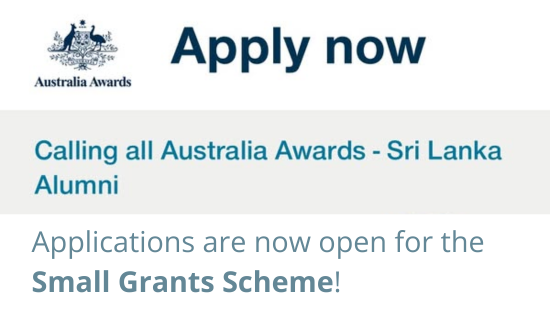
Small Grant Scheme for Australia Awards Alumni Sri Lanka
Australia Awards alumni are warmly invited to apply for a grant up to AUD 5,000 to support an innovative project that aim… -
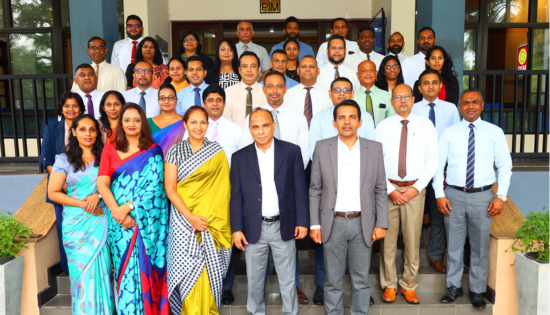
PIM Launches Special Programme for Newly Promoted SriLankan Airlines Managers
The Postgraduate Institute of Management (PIM) has launched a dedicated Newly Promoted Manager Programme designed to strengthen the leadership and management capabilities…
Newswire
-

Who can become Sri Lanka Cricket’s next chairman — and who is barred?
ON: September 29, 2026 -
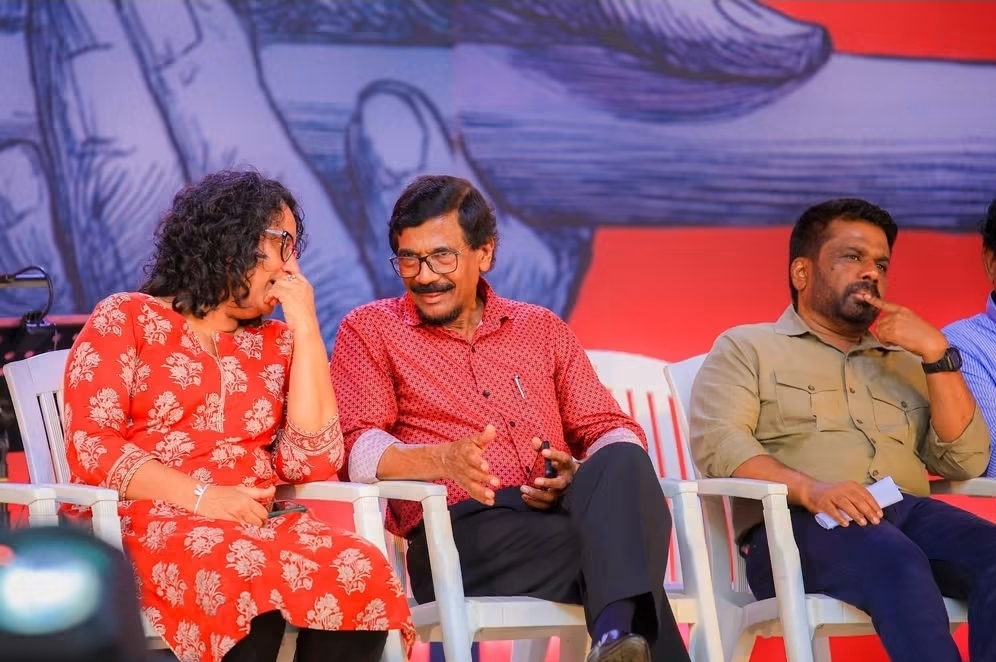
‘Desperate Lies’: Tilvin laughs off Prime Minister Poisoning Rumors
ON: September 29, 2026 -
Government moves to resolve Batticaloa dairy farmers’ grazing land dispute
ON: September 29, 2026 -
“I don’t remember”: Gotabaya questioned over Keith Noyahr abduction and disappearances
ON: September 29, 2026 -

Three films a day: Concerns raised over state TV schedule
ON: September 29, 2026