
PM calls media key stakeholder in National Education Reforms
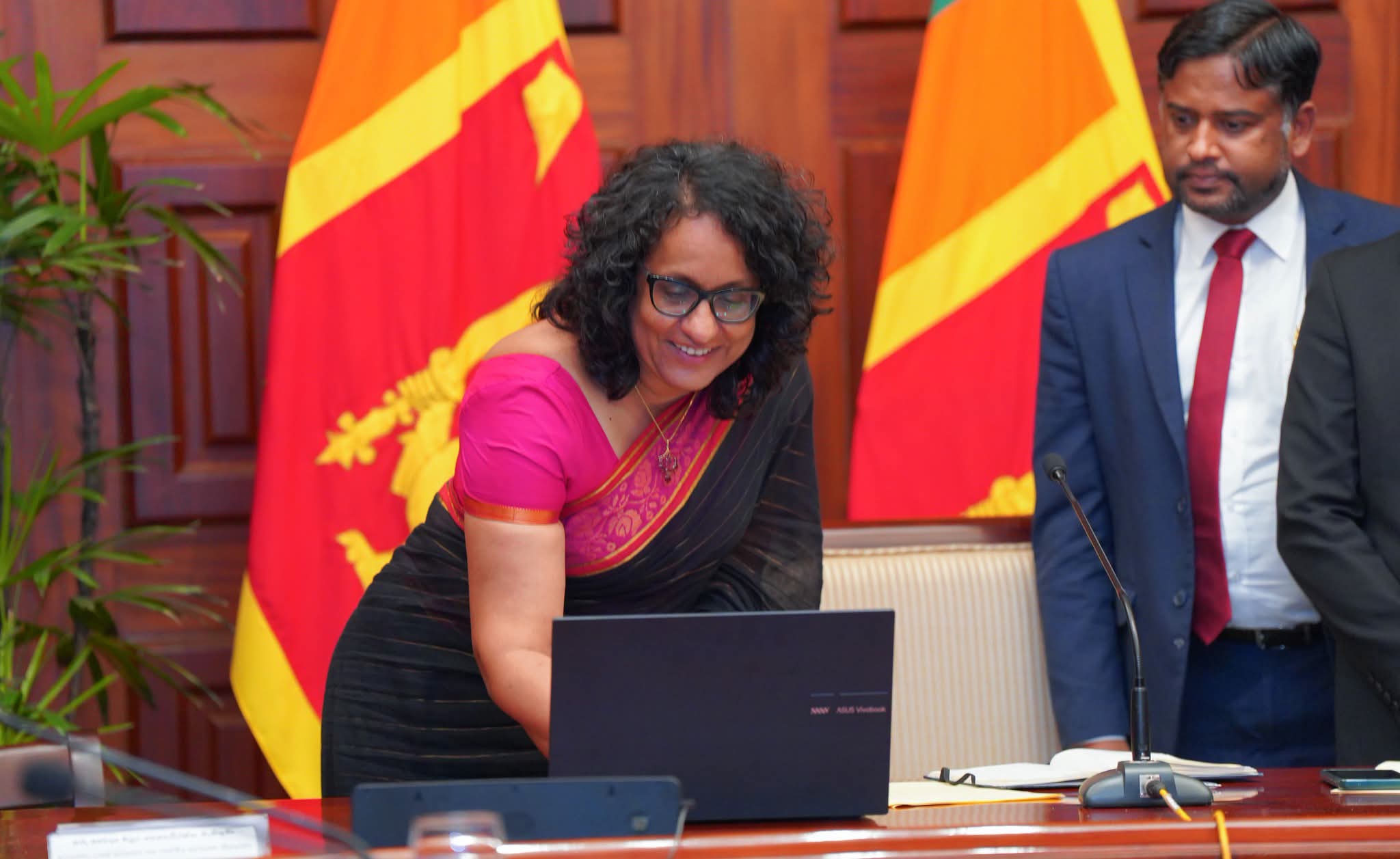
Prime Minister and Minister of Education, Higher Education and Vocational Education Dr. Harini Amarasuriya stated that the country’s mass media serves as a pioneering stakeholder in driving a national dialogue on the implementation of sweeping new educational reforms.
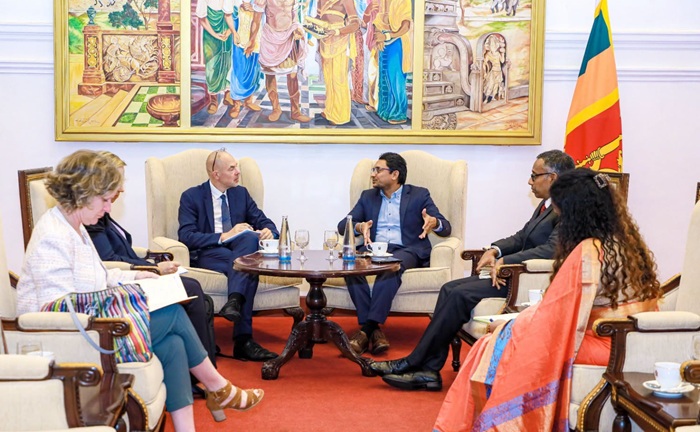
The Prime Minister made these remarks on October 14 while addressing a special briefing programme held at Temple Trees for electronic and print media heads. The event marked the official launch of the “RIES” (Reform Information & Enquiry Service) official website, established to communicate accurate and transparent information regarding the ongoing educational transformation to the public.
Citizens can now submit public inquiries and access reform details via the newly launched portal at https://edureformfact.moe.gov.lk.
Addressing the gathering, the Prime Minister emphasized that the reforms extend far beyond simple curriculum adjustments, representing a fundamental overhaul of the entire education system. Noting that the first phase rolled out in Grade 1 this year (2026), she announced that the reforms will expand to the junior secondary level (Grade 6) in 2027, backed by rigorous teacher training, infrastructure upgrades and digitalization strategies.
“Even if our own children are not currently in the school system, the educational future of the nation’s children depends on this initiative,” Dr. Amarasuriya stated, urging stakeholders to foster a positive national conversation. “We may have different political ideologies, but it is vital that we do not use children’s education as a political battlefield.” she noted.
Delivering a keynote address at the event, Prof. Prabath Jayasinghe, Chairman of the Ministry’s Public Awareness Sub-Committee on Educational Reforms, outlined key structural shifts introduced by the framework. He explained that the system is moving away from rote learning and teacher centric models toward a student focused approach grounded in real world experiences.
The framework integrates the 21st-century skills matrix encompassing foundational literacy (technical, financial, media and scientific), interpersonal competencies such as critical thinking, and strong values. Furthermore, it establishes alternative learning pathways linking general, vocational, and tertiary education to ensure no student is left behind up to Grade 13, supported by continuous assessment methods that evaluate analytical and problem-solving abilities rather than relying solely on final examinations. (Eduwire)
Related News
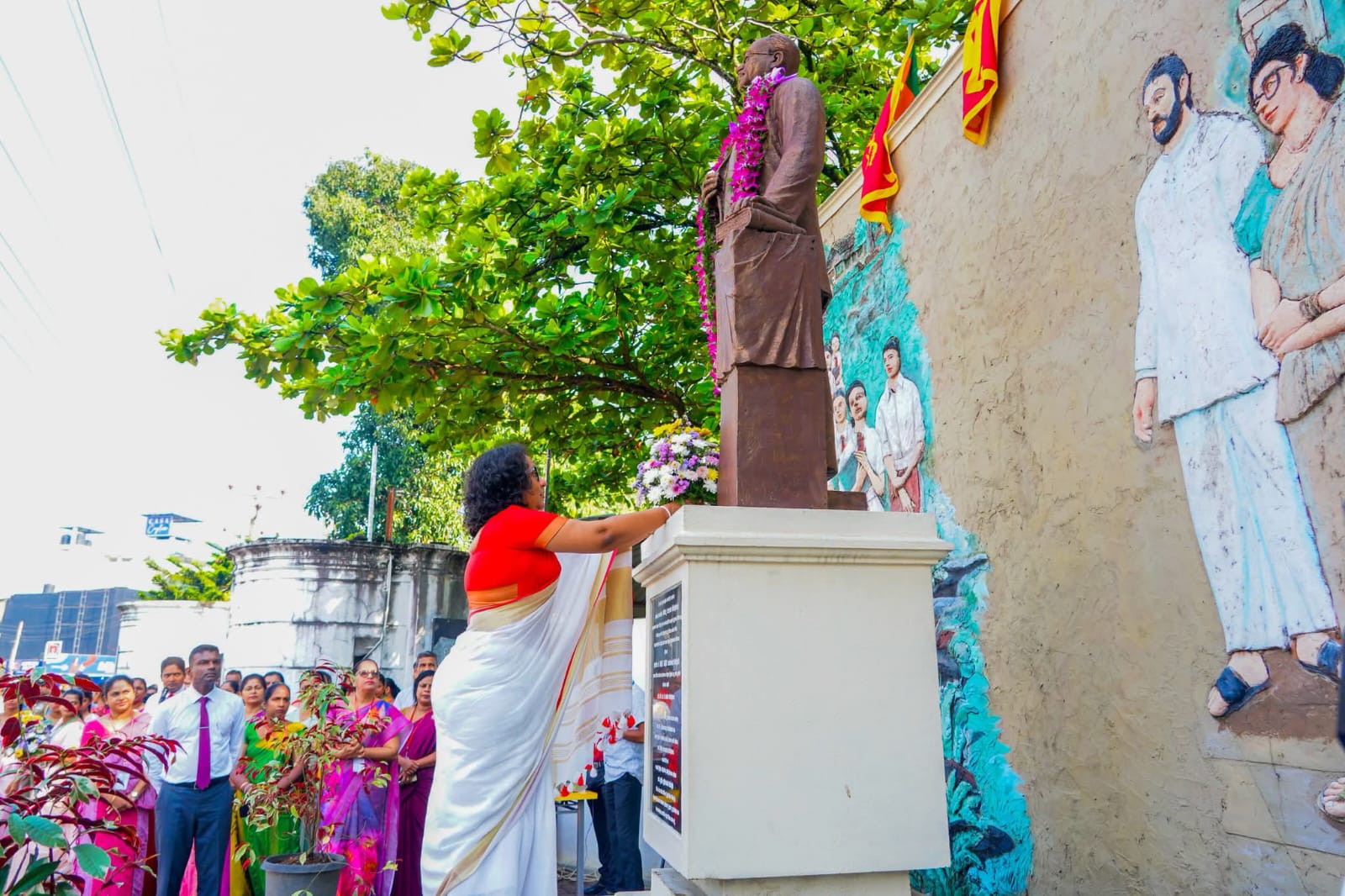
Sri Lanka commemorates 142nd birth anniversary of C.W.W. Kannangara
The 142nd birth anniversary of Dr. Christopher William Wijekoon Kannangara, revered as the "Father of Free Education" in Sri Lanka, was commemorated…
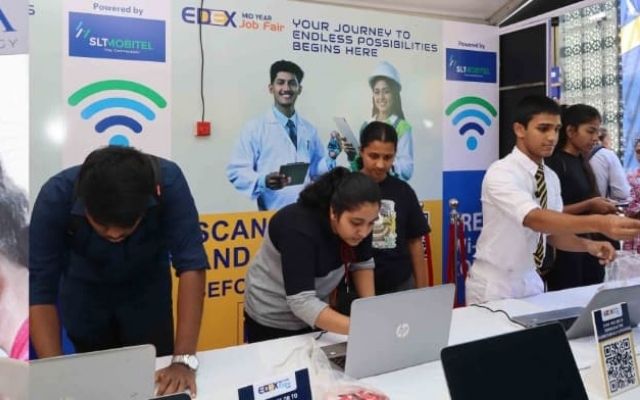
Read MoreSLT-MOBITEL Nebula Institute showcases tech-focused degrees at EDEX mid-year expo 2026
The SLT-MOBITEL Nebula Institute of Technology showcased its comprehensive range of career oriented higher education programmes and professional training pathways at the…
Read MorePM calls media key stakeholder in National Education Reforms
Prime Minister and Minister of Education, Higher Education and Vocational Education Dr. Harini Amarasuriya stated that the country's mass media serves as…
Read More23,000 Graduate Teacher Recruitment: First-Phase Interview Lists Released
The Ministry of Education, Higher Education and Vocational Education has released the lists of candidates qualified for the first phase of interviews…
Read MoreSuraksha Scheme protects over 4 million schoolchildren under Sri Lanka Insurance Corporation – Education Ministry partnership
Sri Lanka Insurance Corporation General Ltd (SLICGL) has reaffirmed its commitment to safeguarding the nation’s youth through its ongoing partnership with the…
Read MoreCourses
-

The future of higher education tech: why industry needs purpose-built solutions
For years, Institutions and education agencies have been forced to rely on a patchwork of horizontal SaaS solutions – general tools that… -

MBA in Project Management & Artificial Intelligence – Oxford College of Business
In an era defined by rapid technological change, organizations increasingly demand leaders who not only understand traditional project management, but can also… -

Scholarships for 2025 Postgraduate Diploma in Education for SLEAS and SLTES Officers
The Ministry of Education, Higher Education and Vocational Education has announced the granting of full scholarships for the one-year weekend Postgraduate Diploma… -
Shape Your Future with a BSc in Business Management (HRM) at Horizon Campus
Human Resource Management is more than a career. It’s about growing people, building organizational culture, and leading with purpose. Every impactful journey… -
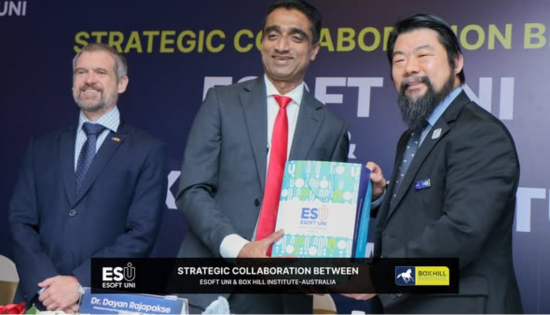
ESOFT UNI Signs MoU with Box Gill Institute, Australia
ESOFt UNI recently hosted a formal Memorandum of Understanding (MoU) signing ceremony with Box Hill Institute, Australia, signaling a significant step in… -

Ace Your University Interview in Sri Lanka: A Guide with Examples
Getting into a Sri Lankan sate or non-state university is not just about the scores. For some universities' programmes, your personality, communication… -
MCW Global Young Leaders Fellowship 2026
MCW Global (Miracle Corners of the World) runs a Young Leaders Fellowship, a year-long leadership program for young people (18–26) around the… -
Enhance Your Arabic Skills with the Intermediate Language Course at BCIS
BCIS invites learners to join its Intermediate Arabic Language Course this November and further develop both linguistic skills and cultural understanding. Designed… -
Achieve Your American Dream : NCHS Spring Intake Webinar
NCHS is paving the way for Sri Lankan students to achieve their American Dream. As Sri Lanka’s leading pathway provider to the… -
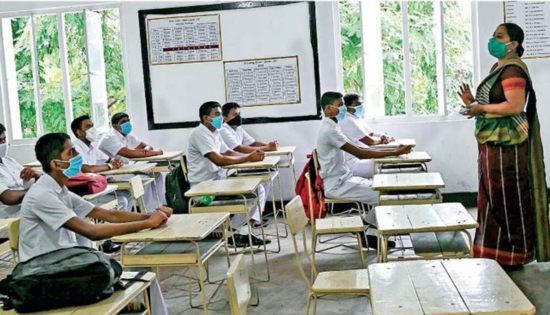
National Diploma in Teaching course : Notice
A Gazette notice has been released recently, concerning the enrollment of aspiring teachers into National Colleges of Education for the three-year pre-service… -
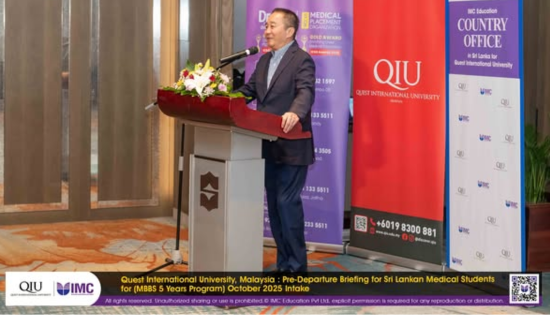
IMC Education Features Largest Student Recruitment for QIU’s October 2025 Intake
Quest International University (QIU), Malaysia recently hosted a pre-departure briefing and high tea at the Shangri-La Hotel in Colombo for its incoming… -

Global University Employability Ranking according to Times Higher Education
Attending college or university offers more than just career preparation, though selecting the right school and program can significantly enhance your job… -

Diploma in Occupational Safety & Health (DOSH) – CIPM
The Chartered Institute of Personnel Management (CIPM) is proud to announce the launch of its Diploma in Occupational Safety & Health (DOSH),… -
Small Grant Scheme for Australia Awards Alumni Sri Lanka
Australia Awards alumni are warmly invited to apply for a grant up to AUD 5,000 to support an innovative project that aim… -
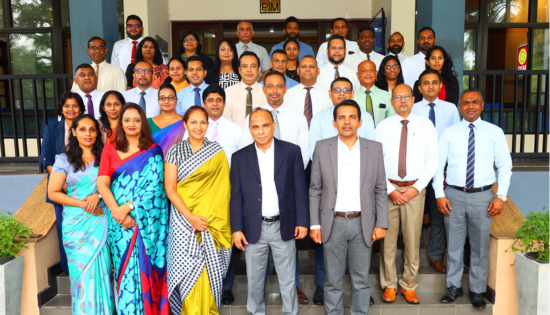
PIM Launches Special Programme for Newly Promoted SriLankan Airlines Managers
The Postgraduate Institute of Management (PIM) has launched a dedicated Newly Promoted Manager Programme designed to strengthen the leadership and management capabilities…
Newswire
-
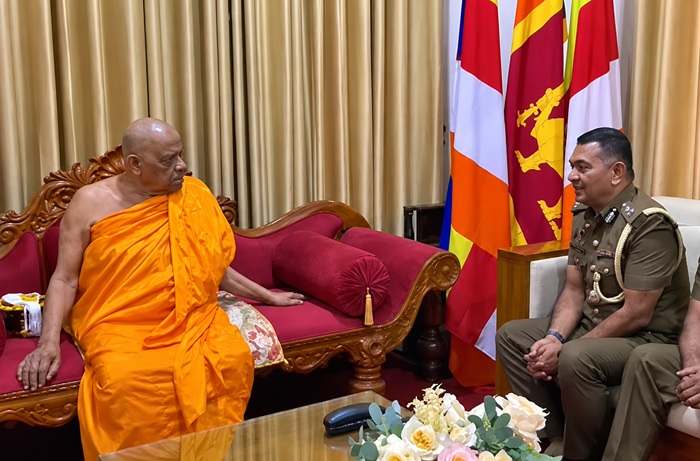
Gnanasara Thera’s imprisonment discussed as Prison Officials meet Mahanayake Theras
ON: October 16, 2026 -

Severe lightning advisory issued for several parts of Sri Lanka
ON: October 16, 2026 -

CBSL rates: Sri Lankan rupee appreciates slightly against USD
ON: October 16, 2026 -

Yan Oya’s first cage fish farming project generates nearly Rs. 700,000 in revenue
ON: October 16, 2026 -
Sri Lanka seeks EU investments under €300 Bn Global Gateway Initiative
ON: October 16, 2026