





NSBM’s Law Department Explores the Future of AI and Legal Systems
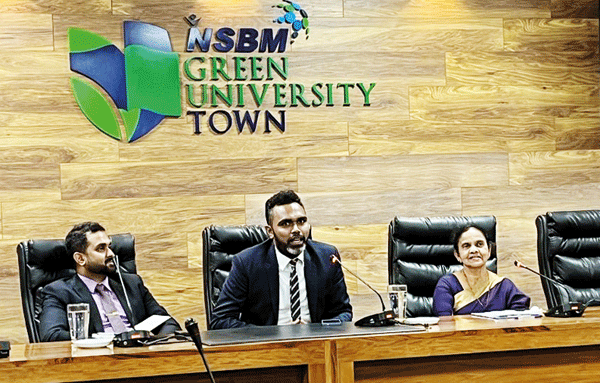
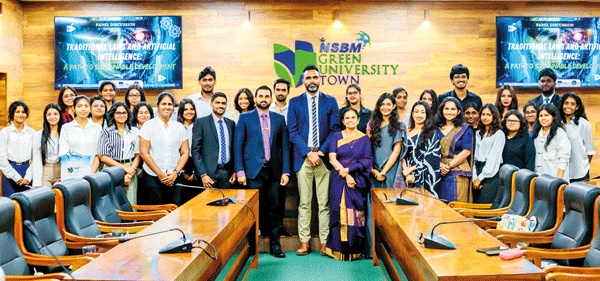
Have you ever wondered whether Artificial Intelligence (AI) can truly coexist with traditional legal principles? This thought-provoking question was the driving force behind the panel discussion on “Traditional Law & Artificial Intelligence: A Path to Sustainable Development,” organised recently by the Department of Legal Studies of NSBM Green University.
The event brought together academia and industry experts to explore the intersection between time-honoured legal doctrines and rapidly advancing AI technologies. The distinguished panel included Prof. Sanath Wijesinghe, Head of the Department of Legal Studies of the Open University of Sri Lanka, and Mr. Mahela Liyanage, Regional Head of Legal at Daraz, while the session was skillfully moderated by Prof. Shanthi Segarajasingham, Head of the Department of Legal Studies, NSBM.
In her opening remarks, Prof. Segarajasingham highlighted the enduring value of traditional legal concepts such as fairness, justice, and mutual obligations in contracts—principles that continue to guide ethical decision-making even in an AI-driven world.
Prof. Wijesinghe provided insightful commentary from the perspective of Intellectual Property Law, emphasising that IP rights are currently granted only to human creators. He analyzed the landmark Stephen Thaler case, where global jurisdictions have taken differing views on whether AI systems can be recognised as inventors. His remarks also addressed contemporary challenges such as the misuse of AI tools like ChatGPT in academic contexts.
Bringing a corporate lens to the discussion, Mr. Liyanage examined whether AI should be regulated through soft law frameworks or rigid legislative measures. He elaborated on pressing real-world issues, including liability for damages caused by AI-operated vehicles and the evolving responsibility of corporate entities in an AI-integrated marketplace.
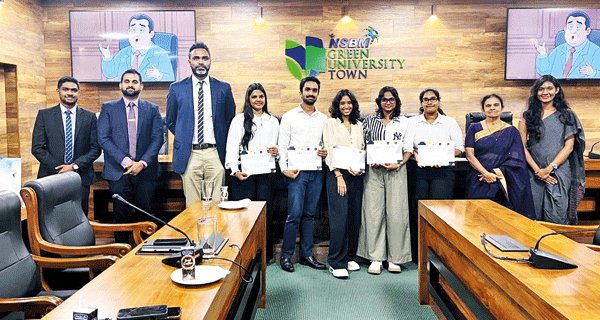
Adding a creative dimension to the event, the panel discussion was followed by a showcase of short video clips produced by the law students on the same theme. Out of 28 submissions, the best entries were shortlisted and presented during the session, reflecting the students’ innovative perspectives on the future of law and technology. The event concluded with an award ceremony recognising the participants’ outstanding contributions.
The initiative exemplified NSBM’s commitment to producing forward-thinking law graduates equipped to address emerging global challenges—balancing the wisdom of traditional laws with the demands of technological innovation.
Related News

How CIMA Builds Practical Business and Problem Solving Skills for the Real…
For students considering what to study after school or alongside a university degree, one question matters more than ever: will the qualification…
Read More
CIMA Beyond Accounting: Why Business Skills Matter for the Next Generation
For many Sri Lankan students, completing school brings one major question: what qualification should come next? A bachelor’s degree remains an important…
Read More
Gateway College and Wilderness School Australia Launch Teacher Exchange Programme
Students of Wilderness School were most welcoming to the teachers of Gateway Gateway College is pleased to announce the establishment of a…
Read More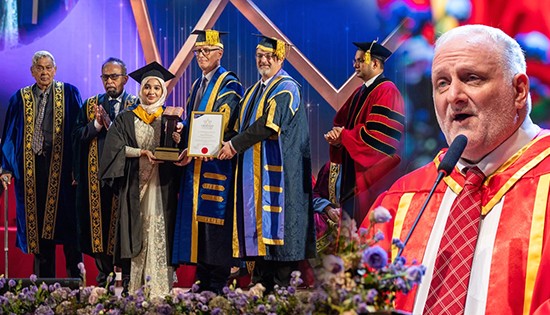
Oxford College of Business Celebrates 1,550 Graduates at Landmark 2026 Graduation Ceremony
Oxford College of Business (OCB) celebrated the academic achievements of 1,550 graduands at its 2026 Graduation Ceremony, bringing together students, academics, international…
Read More
Imperial Announces CIMA Certificate Intake with 50% Off Class Fees
Imperial College of Business Studies (ICBS) will commence its latest CIMA Certificate Level intake on 19 September 2026, with weekday and weekend…
Read MoreCourses
-

The future of higher education tech: why industry needs purpose-built solutions
For years, Institutions and education agencies have been forced to rely on a patchwork of horizontal SaaS solutions – general tools that… -

MBA in Project Management & Artificial Intelligence – Oxford College of Business
In an era defined by rapid technological change, organizations increasingly demand leaders who not only understand traditional project management, but can also… -

Scholarships for 2025 Postgraduate Diploma in Education for SLEAS and SLTES Officers
The Ministry of Education, Higher Education and Vocational Education has announced the granting of full scholarships for the one-year weekend Postgraduate Diploma… -
Shape Your Future with a BSc in Business Management (HRM) at Horizon Campus
Human Resource Management is more than a career. It’s about growing people, building organizational culture, and leading with purpose. Every impactful journey… -
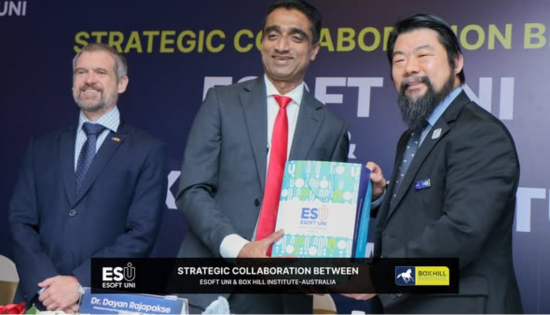
ESOFT UNI Signs MoU with Box Gill Institute, Australia
ESOFt UNI recently hosted a formal Memorandum of Understanding (MoU) signing ceremony with Box Hill Institute, Australia, signaling a significant step in… -

Ace Your University Interview in Sri Lanka: A Guide with Examples
Getting into a Sri Lankan sate or non-state university is not just about the scores. For some universities' programmes, your personality, communication… -
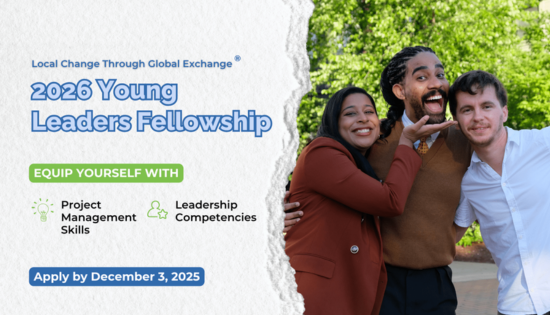
MCW Global Young Leaders Fellowship 2026
MCW Global (Miracle Corners of the World) runs a Young Leaders Fellowship, a year-long leadership program for young people (18–26) around the… -
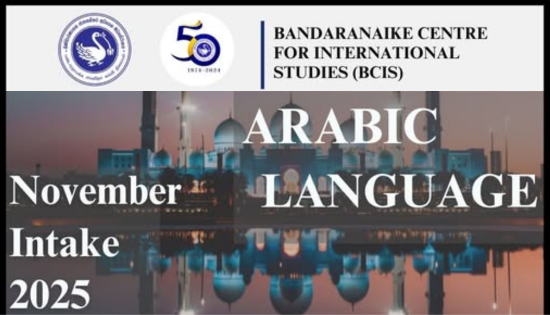
Enhance Your Arabic Skills with the Intermediate Language Course at BCIS
BCIS invites learners to join its Intermediate Arabic Language Course this November and further develop both linguistic skills and cultural understanding. Designed… -

Achieve Your American Dream : NCHS Spring Intake Webinar
NCHS is paving the way for Sri Lankan students to achieve their American Dream. As Sri Lanka’s leading pathway provider to the… -
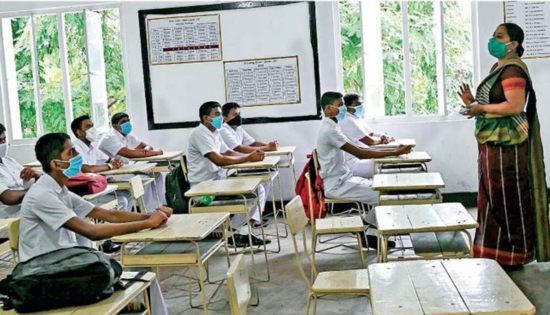
National Diploma in Teaching course : Notice
A Gazette notice has been released recently, concerning the enrollment of aspiring teachers into National Colleges of Education for the three-year pre-service… -
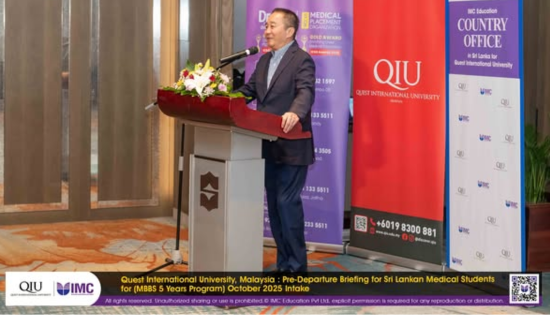
IMC Education Features Largest Student Recruitment for QIU’s October 2025 Intake
Quest International University (QIU), Malaysia recently hosted a pre-departure briefing and high tea at the Shangri-La Hotel in Colombo for its incoming… -

Global University Employability Ranking according to Times Higher Education
Attending college or university offers more than just career preparation, though selecting the right school and program can significantly enhance your job… -

Diploma in Occupational Safety & Health (DOSH) – CIPM
The Chartered Institute of Personnel Management (CIPM) is proud to announce the launch of its Diploma in Occupational Safety & Health (DOSH),… -
Small Grant Scheme for Australia Awards Alumni Sri Lanka
Australia Awards alumni are warmly invited to apply for a grant up to AUD 5,000 to support an innovative project that aim… -
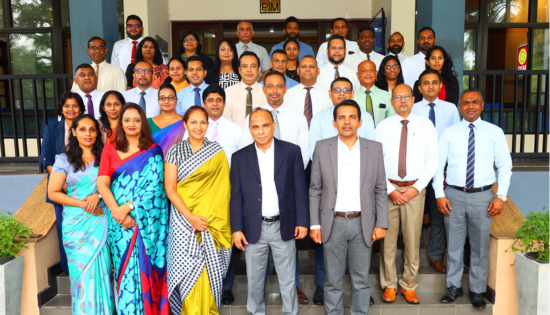
PIM Launches Special Programme for Newly Promoted SriLankan Airlines Managers
The Postgraduate Institute of Management (PIM) has launched a dedicated Newly Promoted Manager Programme designed to strengthen the leadership and management capabilities…
Newswire
-

Police reveal cause of Southern Expressway crash involving 11 vehicles
ON: September 21, 2026 -

Suspect arrested with 8 firearms linked to murders of Dan Priyasad and his brother
ON: September 21, 2026 -
Sri Lankan media orgs appeal to Saudi Arabia for clemency for Sivarasa Anojan
ON: September 21, 2026 -

Passenger numbers on expressways limited to available seat belts: Police
ON: September 21, 2026 -

Four arrested with firearms, ammunition in Kolonnawa raids
ON: September 21, 2026