
Real Impact of Growing Arts & Humanities in Sri Lankan Universities

Universities in Sri Lanka face real pressures such as budgets tightening and the tension of every programme to prove its value when it comes to cultivating art. For this reason arts and humanities subjects are viewed as luxuries whereas they should not be because they teach skills that matter deeply in today’s workplaces and society. Cutting them evidently weakens students’ abilities to think deeply, connect with others, and navigate complex issues. Such skills are required in Sri Lankan graduates across sectors.
There are practical and affordable ways Sri Lankan universities can make arts and humanities vibrant, visible, and valuable on campus and they are:
1. Connect Learning with Real-World Skills
Arts and humanities subjects develop strengths that employers across Sri Lanka want, clear communication, creative thinking, teamwork, empathy, and adaptability. These are seen in how theatre, literature, history and communication courses help students express ideas, work with others, and tackle new situations.
Simple actions Sri Lankan campuses can take:
- Add short modules on storytelling, communication, or media skills into science, management, or engineering classes.
- Work with local employers on micro-internships, community projects, or collaborative tasks that show students how humanities skills transfer to the workplace.
- Hold career sessions linking humanities training with real jobs, for example, how narrative skills help in journalism, marketing, or public service.
These steps don’t require big budgets. They just need coordination and creativity.
2. Blend Arts with Other Fields for Fresh Ideas
Innovation often happens when different perspectives come together. Artists, writers, historians, and philosophers bring design thinking, ethical awareness and people-centred insight to fields like technology and business.
What Sri Lankan universities can do:
- Invite theatre or creative arts teachers to lead workshops for STEM students on collaboration or presentation skills.
- Develop joint “arts + X” courses (e.g., arts + entrepreneurship, history + environmental studies) that stretch how disciplines work together.
- Create small project studios where students from different subjects collaborate, for example, mixing performance, storytelling and design.
This doesn’t need large grant funding. Even small funding or shared spaces spark collaboration would be enough.
3. Teach Students to Think Deeply and Navigate Complexity
Arts and humanities help learners understand context, interpret nuance, and hold multiple viewpoints, essential when dealing with issues from public policy to community storytelling.
Low-cost ways to build these capacities:
- Use case studies and discussions in workshops and seminars to show real dilemmas.
- Introduce reflective writing exercises across subjects so students express and defend reasoned positions.
- Bring drama-based activities into learning to build confidence and adaptive thinking.
In Sri Lanka, where communities and cultures are rich and diverse, these skills are especially valuable.
4. Prepare Students for a Future with Technology
Artificial intelligence and automation are changing work everywhere. What machines struggle with, empathy, judgement, ethical reasoning, creativity, is exactly what arts and humanities teach.
Practical steps for campus application:
- Include ethics, communication and interpretation training in computing and engineering courses.
- Offer joint sessions on technology and society where humanities faculty discuss AI’s impact with tech students.
- Use group projects that ask students to interpret how new technologies affect local communities.
This helps graduates not just use technology, but shape it with insight and care.
When arts and humanities thrive on Sri Lankan campuses, students can gain better communication and empathy in multicultural workplaces, creative approaches to challenges in local business, education, and governance and become balanced professionals who can blend technical knowledge with human understanding.
From short design courses at Open University to cultural and history programmes at local campuses, Sri Lankan students can benefit immensely when arts and humanities are woven into campus life, without the need for huge spending.
Related News
Mrs. Nimala Perera; A Treasure Trove and the Heart of St. Joseph’s College, Colombo 10.
By : Guruji Ravindhiran Maruthai Mrs. Nimala Perera, a renowned educator of the hallowed educational institutionSt. Joseph’s College, Colombo 10, Sri Lanka,celebrates…
Read More
Online admission cards released for 2026 A/L Biosystems Technology Practical Exams
Candidates appearing for the 2026 G.C.E. Advanced Level Biosystems Technology practical examinations can download their admission cards from the official Department of…
Read MoreGovt to renew MoU with Asia Pacific Body to elevate vocational training
The Cabinet of Ministers has approved a proposal to renew the Memorandum of Understanding (MoU) between Sri Lanka’s Tertiary and Vocational Education…
Read MorePM inaugurates ‘Sittam 2026’ Art Exhibition under ‘Kolomtota Abhinandana’ initiative
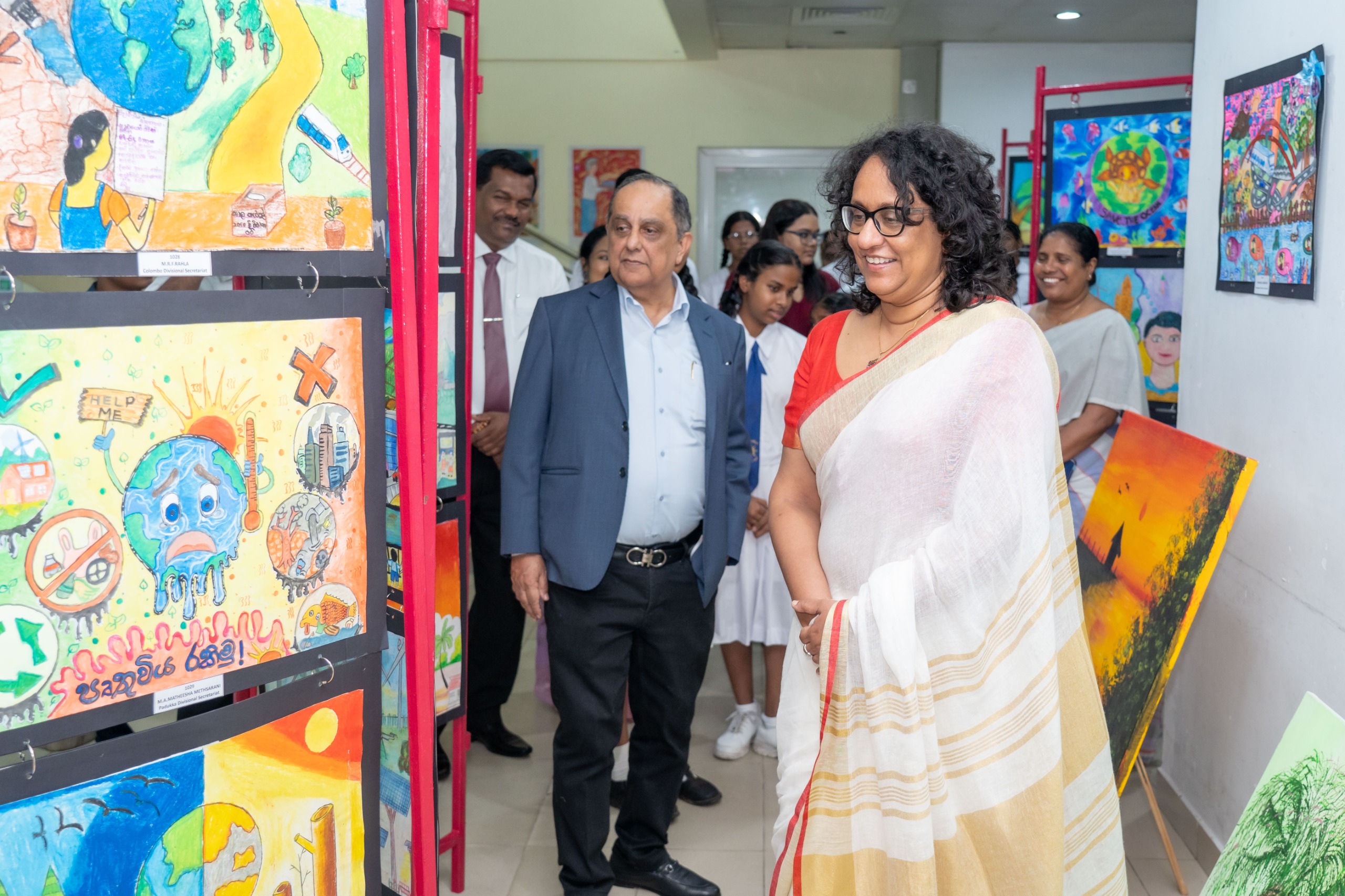
In parallel with the National Literary and Arts Festival, Prime Minister Dr. Harini Amarasuriya opened the 'Sittam 2026' art exhibition on October…
Read MoreKorean Association pledges medical aid and special needs youth programme for Sri Lanka
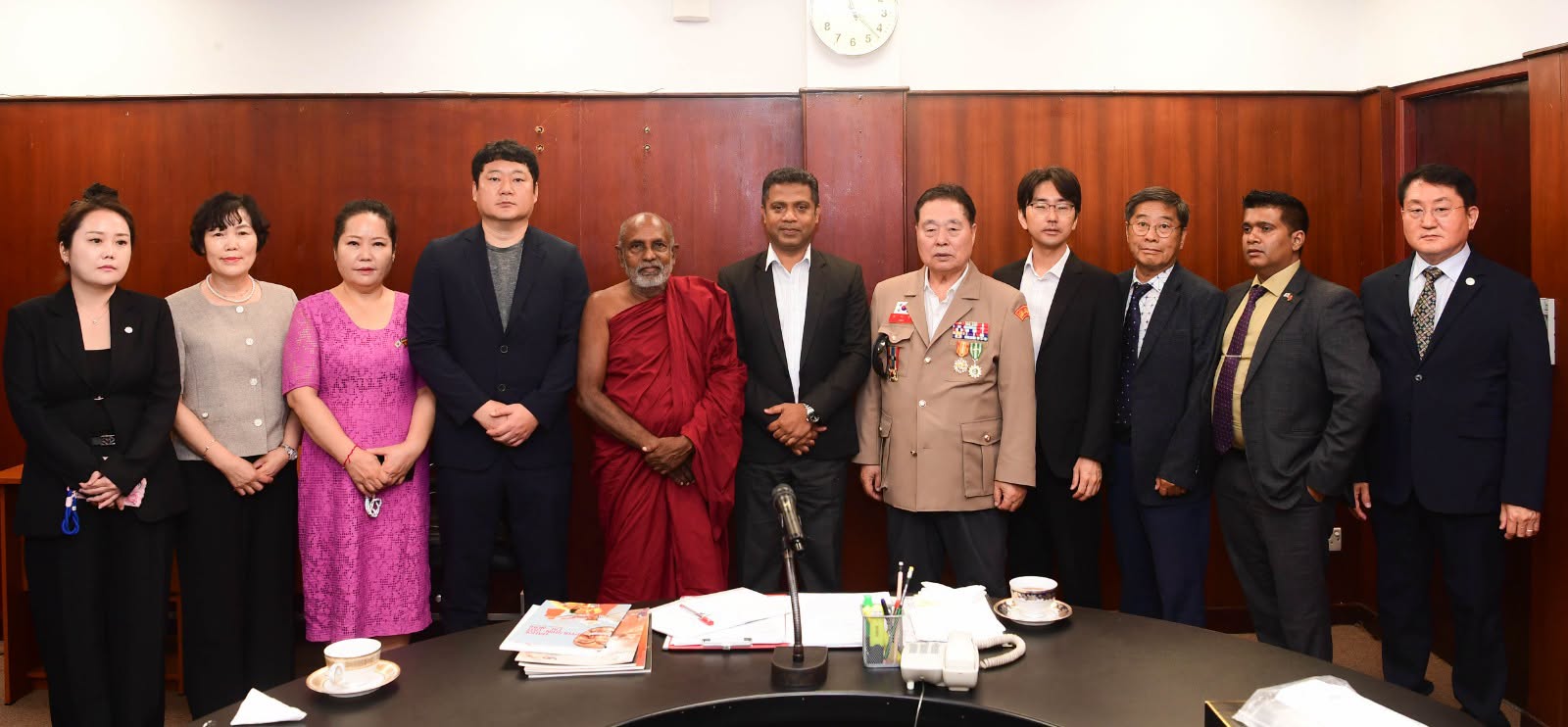
The Korean Volunteer Association for Distinguished Service to the State is organizing an 11-day programme for next year aimed at identifying and…
Read MoreCourses
-

The future of higher education tech: why industry needs purpose-built solutions
For years, Institutions and education agencies have been forced to rely on a patchwork of horizontal SaaS solutions – general tools that… -

MBA in Project Management & Artificial Intelligence – Oxford College of Business
In an era defined by rapid technological change, organizations increasingly demand leaders who not only understand traditional project management, but can also… -

Scholarships for 2025 Postgraduate Diploma in Education for SLEAS and SLTES Officers
The Ministry of Education, Higher Education and Vocational Education has announced the granting of full scholarships for the one-year weekend Postgraduate Diploma… -
Shape Your Future with a BSc in Business Management (HRM) at Horizon Campus
Human Resource Management is more than a career. It’s about growing people, building organizational culture, and leading with purpose. Every impactful journey… -
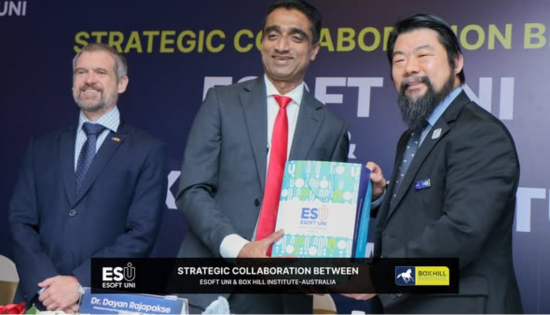
ESOFT UNI Signs MoU with Box Gill Institute, Australia
ESOFt UNI recently hosted a formal Memorandum of Understanding (MoU) signing ceremony with Box Hill Institute, Australia, signaling a significant step in… -

Ace Your University Interview in Sri Lanka: A Guide with Examples
Getting into a Sri Lankan sate or non-state university is not just about the scores. For some universities' programmes, your personality, communication… -
MCW Global Young Leaders Fellowship 2026
MCW Global (Miracle Corners of the World) runs a Young Leaders Fellowship, a year-long leadership program for young people (18–26) around the… -
Enhance Your Arabic Skills with the Intermediate Language Course at BCIS
BCIS invites learners to join its Intermediate Arabic Language Course this November and further develop both linguistic skills and cultural understanding. Designed… -

Achieve Your American Dream : NCHS Spring Intake Webinar
NCHS is paving the way for Sri Lankan students to achieve their American Dream. As Sri Lanka’s leading pathway provider to the… -
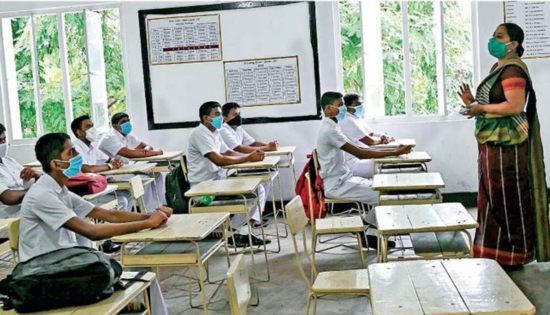
National Diploma in Teaching course : Notice
A Gazette notice has been released recently, concerning the enrollment of aspiring teachers into National Colleges of Education for the three-year pre-service… -
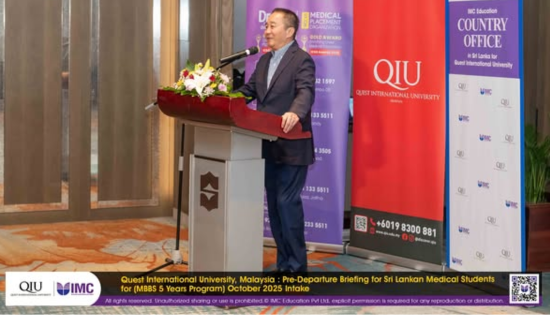
IMC Education Features Largest Student Recruitment for QIU’s October 2025 Intake
Quest International University (QIU), Malaysia recently hosted a pre-departure briefing and high tea at the Shangri-La Hotel in Colombo for its incoming… -

Global University Employability Ranking according to Times Higher Education
Attending college or university offers more than just career preparation, though selecting the right school and program can significantly enhance your job… -

Diploma in Occupational Safety & Health (DOSH) – CIPM
The Chartered Institute of Personnel Management (CIPM) is proud to announce the launch of its Diploma in Occupational Safety & Health (DOSH),… -
Small Grant Scheme for Australia Awards Alumni Sri Lanka
Australia Awards alumni are warmly invited to apply for a grant up to AUD 5,000 to support an innovative project that aim… -
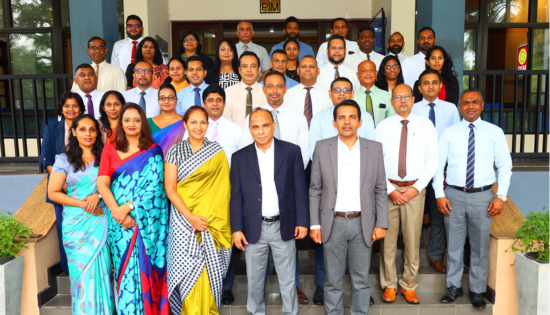
PIM Launches Special Programme for Newly Promoted SriLankan Airlines Managers
The Postgraduate Institute of Management (PIM) has launched a dedicated Newly Promoted Manager Programme designed to strengthen the leadership and management capabilities…
Newswire
-

Amber advisory issued for rough seas from Negombo to Galle
ON: October 14, 2026 -
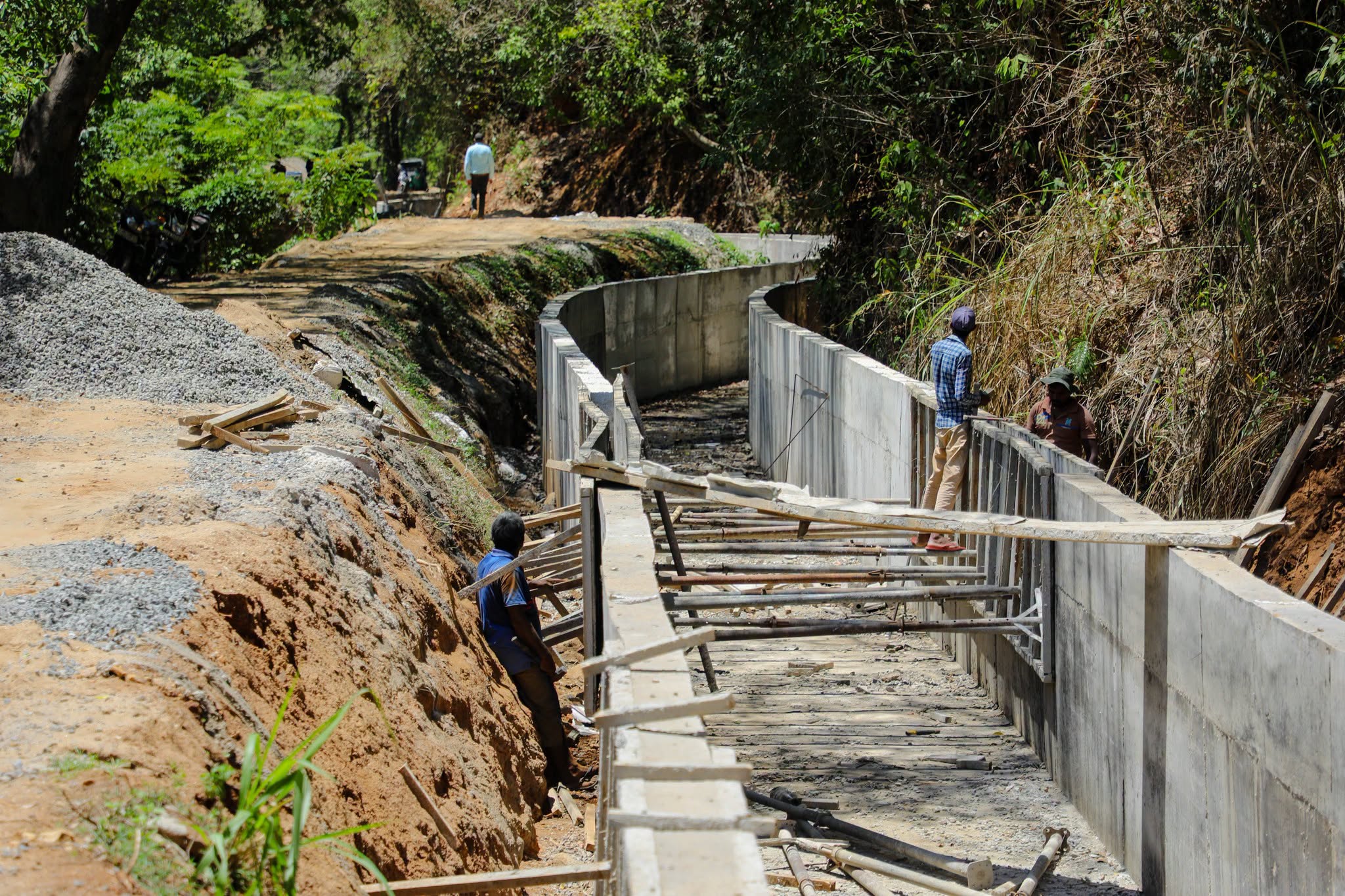
Reconstruction of Ditwah damaged Badulu Oya Irrigation Scheme reaches final stage
ON: October 14, 2026 -

Today’s News Digest – October 14
ON: October 14, 2026 -
23,000 Graduate Teacher Recruitment: First-Phase Interview Lists Released
ON: October 14, 2026