
Explore a Rich Cultural Heritage: Study in Russia for Sri Lankan Students

Russia, with its rich history, vibrant culture, and top-tier educational institutions, is becoming an increasingly attractive destination for Sri Lankan students seeking a unique and enriching study abroad experience. If you’re considering studying in Russia, this guide will provide you with valuable information on the application process, required documents, and key requirements.
Why Study in Russia?
Russia is home to some of the world’s oldest and most prestigious universities, known for their strong emphasis on scientific research and innovation. Whether you’re interested in engineering, medicine, humanities, or the arts, you’ll find a program that suits your interests and goals in Russia.
Aside from academics, studying in Russia offers a unique cultural experience, with opportunities to immerse yourself in Russian language, literature, and history. From the iconic architecture of Moscow and St. Petersburg to the picturesque landscapes of Siberia and the Caucasus, Russia offers a diverse range of cultural and recreational opportunities.
Documents and Requirements Needed
To study in Russia, Sri Lankan students will need to meet certain requirements and provide specific documents, including:
- Academic Transcripts: Transcripts from previous education institutions, demonstrating academic performance.
- Standardized Test Scores: Some universities may require standardized test scores, such as the SAT or ACT.
- Language Proficiency: Proof of Russian language proficiency, such as the Test of Russian as a Foreign Language (TORFL), or proof of proficiency in English if the program is taught in English.
- Passport: A valid passport for the duration of your stay in Russia.
- Visa Application: A student visa (type “S”) is required for most international students studying in Russia.
How to Apply
- Research Programs and Universities: Research and select programs and universities that align with your academic and career goals.
- Prepare Application Materials: Gather and prepare all required application materials, including transcripts, test scores, and language proficiency certificates.
- Submit Applications: Submit your applications to the universities of your choice, following their specific application procedures and deadlines.
- Apply for a Student Visa: Once accepted, apply for a student visa at the nearest Russian embassy or consulate.
- Prepare for Departure: Make travel arrangements, arrange for housing, and prepare for your new academic journey in Russia.
Studying in Russia offers Sri Lankan students a unique opportunity to receive a world-class education, experience a rich and diverse culture, and explore one of the most fascinating countries in the world. By understanding the application process and requirements, you can embark on an exciting and rewarding academic journey in Russia.

Related News
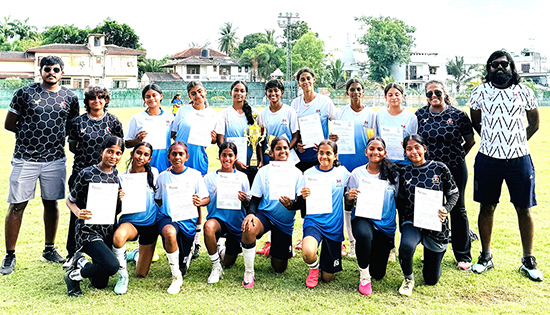
Gateway College Girls Crowned TISSL Under-18 Football Champions After Unbeaten Run
Under 18 ChampionsStanding Order Left to Right – Mr Rafaah Suhail (Coach), Ms Sahani Fernando (Coach), Brianna Perera, Tasneem Malik, KenuliAbeygunawardhane (Vice…
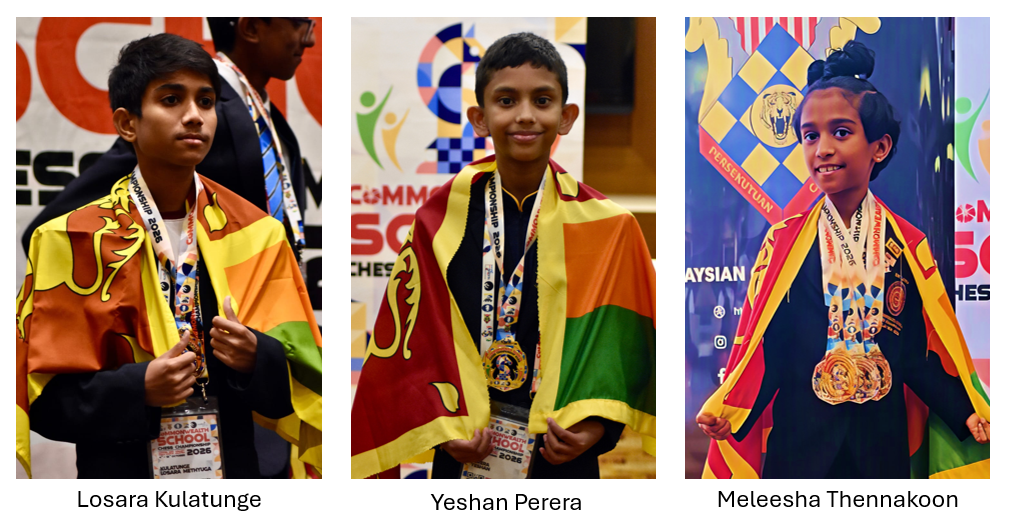
Read MoreGateway students win multiple medals at inaugural Commonwealth Schools Chess Championship
Three students from the Gateway Group of Colleges have won multiple individual and team medals at the inaugural Commonwealth Schools Chess Championship,…
Read More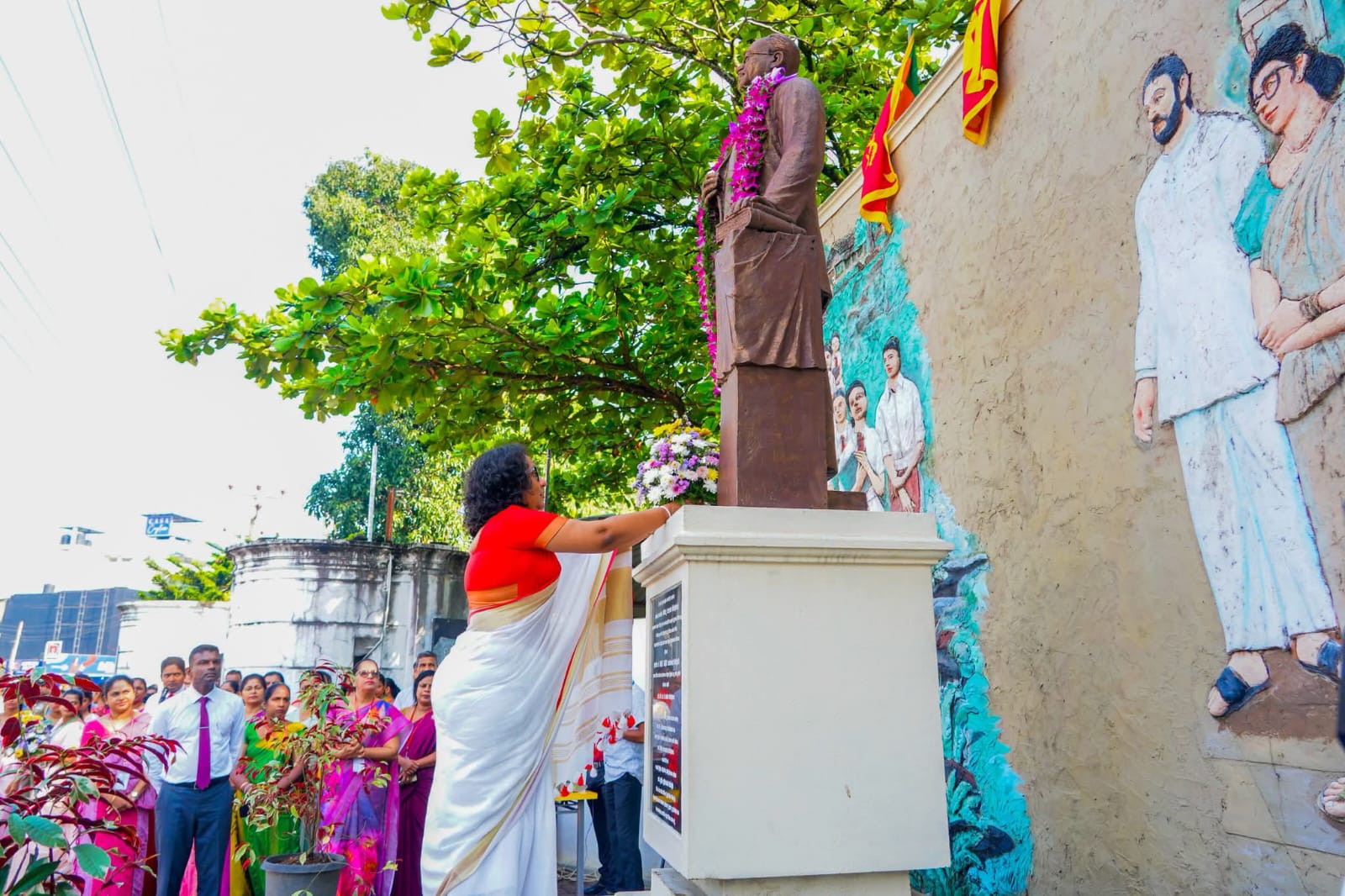
Sri Lanka commemorates 142nd birth anniversary of C.W.W. Kannangara
The 142nd birth anniversary of Dr. Christopher William Wijekoon Kannangara, revered as the "Father of Free Education" in Sri Lanka, was commemorated…
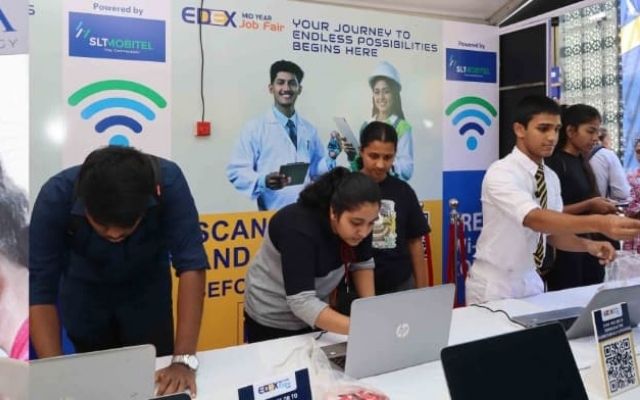
Read MoreSLT-MOBITEL Nebula Institute showcases tech-focused degrees at EDEX mid-year expo 2026
The SLT-MOBITEL Nebula Institute of Technology showcased its comprehensive range of career oriented higher education programmes and professional training pathways at the…
Read MorePM calls media key stakeholder in National Education Reforms
Prime Minister and Minister of Education, Higher Education and Vocational Education Dr. Harini Amarasuriya stated that the country's mass media serves as…
Read MoreCourses
-

The future of higher education tech: why industry needs purpose-built solutions
For years, Institutions and education agencies have been forced to rely on a patchwork of horizontal SaaS solutions – general tools that… -

MBA in Project Management & Artificial Intelligence – Oxford College of Business
In an era defined by rapid technological change, organizations increasingly demand leaders who not only understand traditional project management, but can also… -

Scholarships for 2025 Postgraduate Diploma in Education for SLEAS and SLTES Officers
The Ministry of Education, Higher Education and Vocational Education has announced the granting of full scholarships for the one-year weekend Postgraduate Diploma… -
Shape Your Future with a BSc in Business Management (HRM) at Horizon Campus
Human Resource Management is more than a career. It’s about growing people, building organizational culture, and leading with purpose. Every impactful journey… -
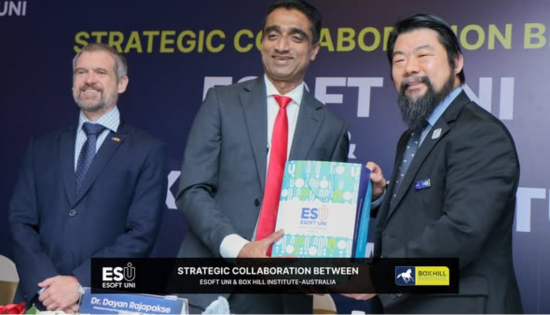
ESOFT UNI Signs MoU with Box Gill Institute, Australia
ESOFt UNI recently hosted a formal Memorandum of Understanding (MoU) signing ceremony with Box Hill Institute, Australia, signaling a significant step in… -

Ace Your University Interview in Sri Lanka: A Guide with Examples
Getting into a Sri Lankan sate or non-state university is not just about the scores. For some universities' programmes, your personality, communication… -
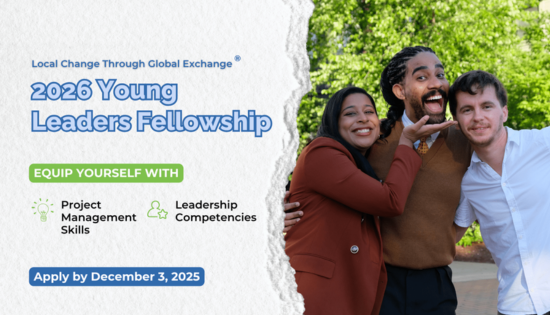
MCW Global Young Leaders Fellowship 2026
MCW Global (Miracle Corners of the World) runs a Young Leaders Fellowship, a year-long leadership program for young people (18–26) around the… -
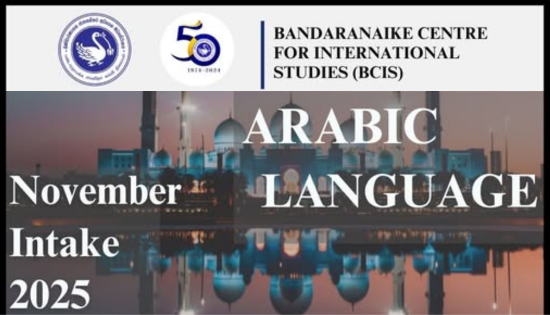
Enhance Your Arabic Skills with the Intermediate Language Course at BCIS
BCIS invites learners to join its Intermediate Arabic Language Course this November and further develop both linguistic skills and cultural understanding. Designed… -
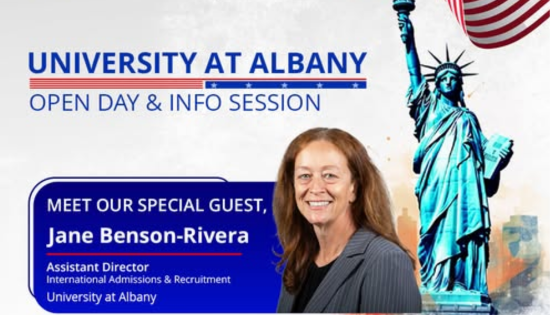
Achieve Your American Dream : NCHS Spring Intake Webinar
NCHS is paving the way for Sri Lankan students to achieve their American Dream. As Sri Lanka’s leading pathway provider to the… -
National Diploma in Teaching course : Notice
A Gazette notice has been released recently, concerning the enrollment of aspiring teachers into National Colleges of Education for the three-year pre-service… -
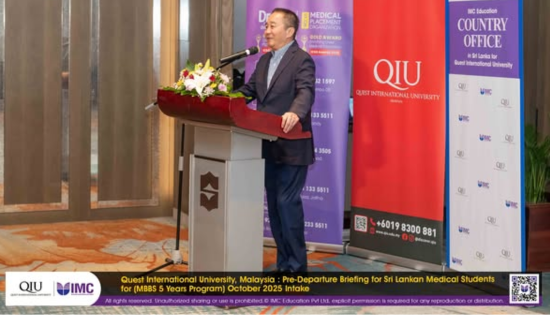
IMC Education Features Largest Student Recruitment for QIU’s October 2025 Intake
Quest International University (QIU), Malaysia recently hosted a pre-departure briefing and high tea at the Shangri-La Hotel in Colombo for its incoming… -

Global University Employability Ranking according to Times Higher Education
Attending college or university offers more than just career preparation, though selecting the right school and program can significantly enhance your job… -

Diploma in Occupational Safety & Health (DOSH) – CIPM
The Chartered Institute of Personnel Management (CIPM) is proud to announce the launch of its Diploma in Occupational Safety & Health (DOSH),… -
Small Grant Scheme for Australia Awards Alumni Sri Lanka
Australia Awards alumni are warmly invited to apply for a grant up to AUD 5,000 to support an innovative project that aim… -
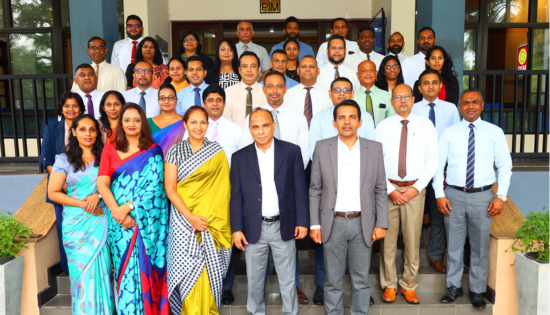
PIM Launches Special Programme for Newly Promoted SriLankan Airlines Managers
The Postgraduate Institute of Management (PIM) has launched a dedicated Newly Promoted Manager Programme designed to strengthen the leadership and management capabilities…
Newswire
-

Three Indian nationals arrested with 775g of smuggled gold in Colombo
ON: October 17, 2026 -

Colombo cocaine bust : Shocking discovery during hospital examination
ON: October 17, 2026 -
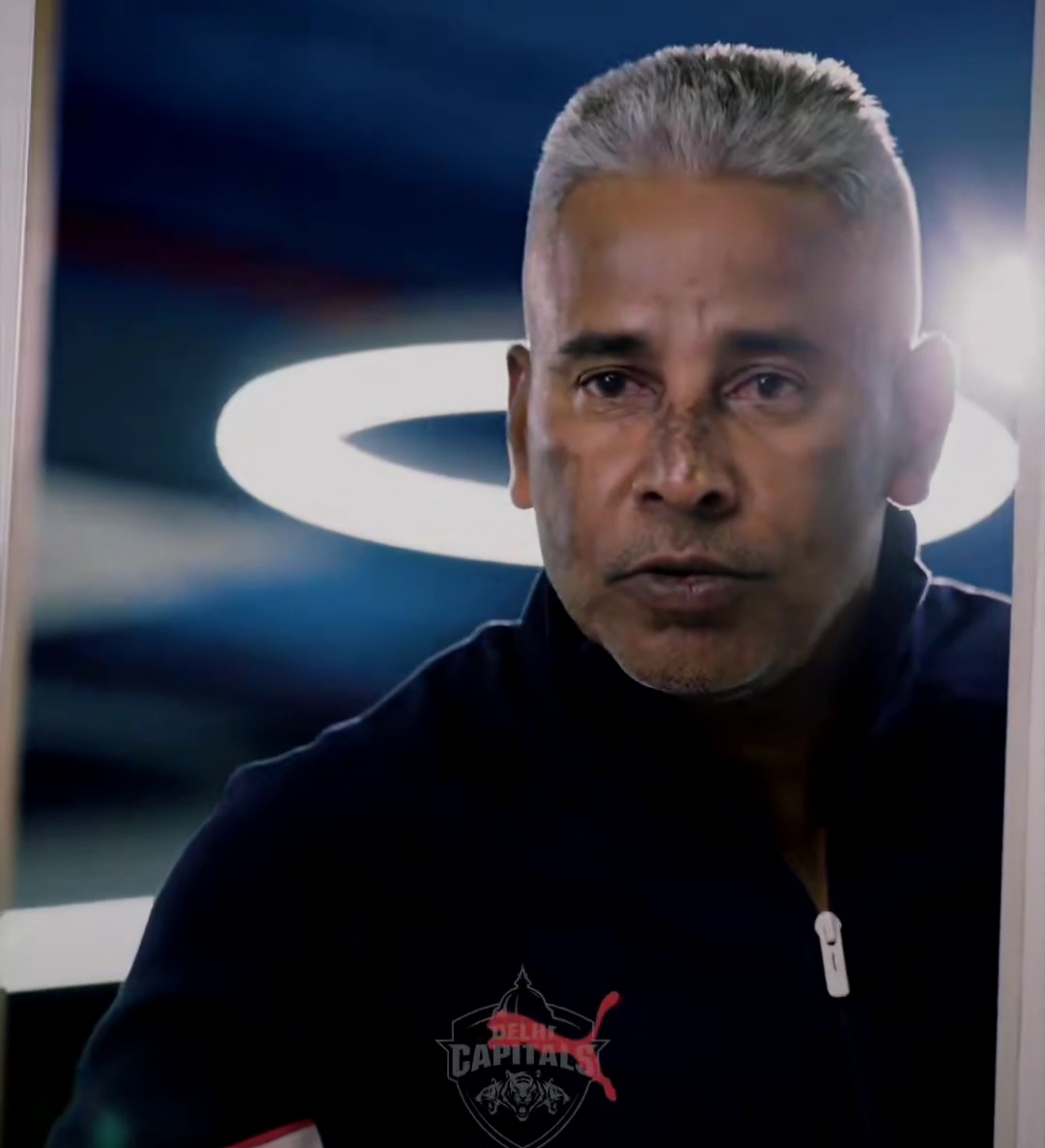
Official: Chaminda Vaas appointed Delhi Capitals fast-bowling coach for IPL 2027
ON: October 17, 2026 -
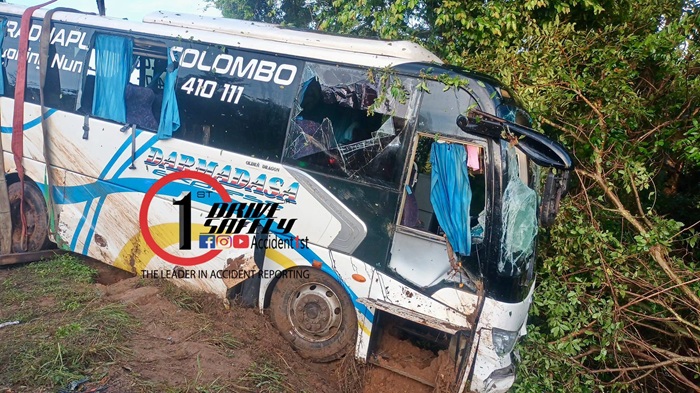
Bad weather : 12 injured as luxury bus overturns in Puttalam
ON: October 17, 2026 -
Online Police clearance services resume following technical glitch
ON: October 17, 2026