




Breaking the Procrastination-Action Line with AI
Turning Future Consequences into Present Motivations.
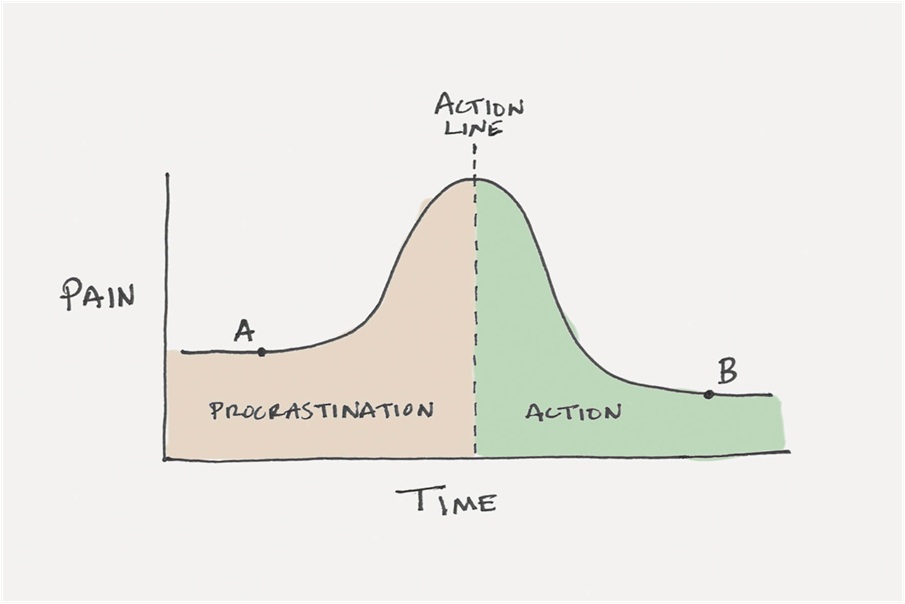
Procrastination is a universal struggle. We put off tasks, knowing they will eventually demand our attention, yet the present self often ignores future consequences. This paradox is what makes the Procrastination-Action Line so crucial. It is the moment when impending deadlines or pressures become unavoidable, forcing us into action. But what if we could harness AI to shift those future consequences into the present and take control of our productivity before the last-minute panic sets in?
The Science of Procrastination and the Action Line
Psychologically, procrastination occurs because the brain prioritizes immediate rewards over distant benefits. The pain of delay is often not enough to compel action until the last possible moment. The Action Line is crossed when the future consequences (such as a looming deadline) become so immediate that they overshadow the comfort of avoidance.
How AI Can Push Us Past the Action Line AI-driven tools are revolutionizing productivity by reshaping how we perceive time and consequences. Here’s how AI can actively move future rewards and punishments into the present, helping us overcome procrastination:
1. Predictive Task Management
AI can analyze work patterns and predict when procrastination is likely to occur. Smart planners like Notion AI and Motion AI adjust schedules dynamically, sending reminders and restructuring to-do lists based on urgency and past behavior. These systems can mimic the effect of an impending deadline by creating artificial mini-deadlines to stimulate action.
2. Personalized Nudges and Accountability
AI-powered accountability partners, such as RescueTime and Focusmate, help keep users on track by sending nudges when procrastination behaviors are detected. They simulate the social pressure of real deadlines by notifying users of potential productivity loss, transforming distant consequences into immediate concerns.
3. Gamification and Reward Systems
Gamification taps into the brain’s reward system, making productivity more engaging. Apps like Habitica and Forest turn tasks into interactive challenges where users earn points or rewards for staying focused. AI can further personalize these experiences by adapting difficulty levels and incentives based on individual motivation patterns.
4. AI-Powered Time Blocking and Focus Enhancement
AI can optimize time management by allocating dedicated work slots based on energy levels and task complexity. Tools like ReclaimAI schedule deep-focus periods and ensure distractions are minimized. This structured approach prevents procrastination from taking hold by enforcing a sense of urgency ahead of actual deadlines.
5. Emotional AI for Overcoming Mental Barriers
Procrastination is often fueled by anxiety, perfectionism, or fear of failure. AI-driven mental health assistants like Woebot and Mindsera analyze emotional cues and provide real-time cognitive behavioral therapy (CBT) strategies to help users overcome psychological resistance to tasks.
AI as the Ultimate Anti-Procrastination Ally
The ability to artificially advance the Action Line by making future consequences feel immediate is a game-changer for productivity. AI-driven solutions not only enhance motivation but also create structured, personalized environments that make taking action easier and more rewarding. As AI continues to evolve, its potential to reshape human productivity will expand, offering increasingly intuitive ways to combat procrastination. Rather than waiting for panic to strike, we can harness AI to proactively move us past the Procrastination-Action Line, transforming daunting tasks into manageable, everyday habits.

Related News

A Warm Welcome to a New Beginning: Horizon College International Welcomes New Students and Parents
Horizon College International (HCI) commenced the 2026/27 Academic Year with a warm and memorable welcome to its newest members of the Horizon…
Read More
Gateway Girls Triumph in Football
Under 18 Champions: Standing Order Left to Right – Mr Rafaah Suhail (Coach), Ms Sahani Fernando (Coach), Brianna Perera, Tasneem Malik, KenuliAbeygunawardhane…
Read More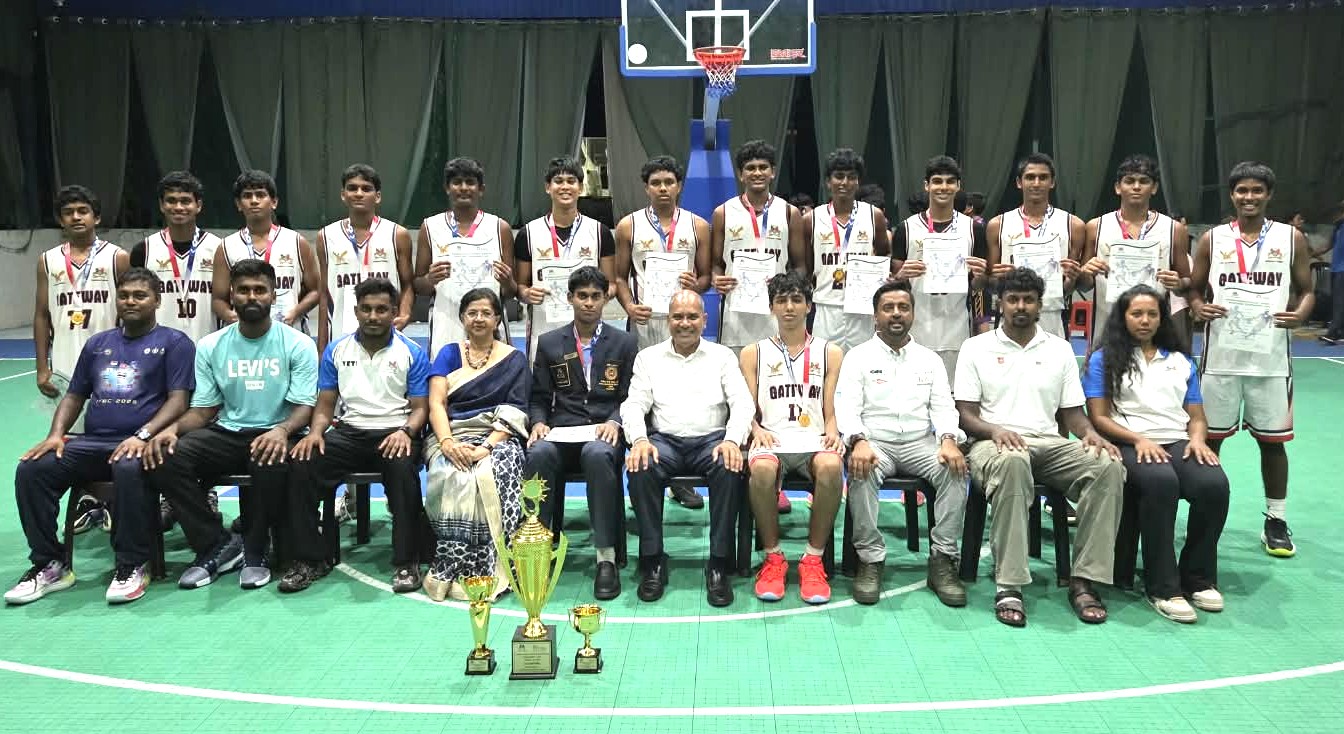
Gateway College Crowned TISSL Under-19 Basketball Champions for Fifth Consecutive Year
Back Row (left to right):DhanukaWijegoonaratne, Tevan Sela, Jonathan Herath, Mikyle Reza, Akain Vitanachy, Samuel Tsung, Thinuk Attanayaka, NavinduWaduwavala, Julan Senmitha, Jithein Kulatunga,…
Read More
USJ Leo Club’s ‘Pranadhara ’26’ Brings Water Storage Support to Habarana Community
The Leo Club of the University of Sri Jayewardenepura has completed the second phase of its ‘Pranadhara ’26’ water security project, providing…
Read More
Sri Lanka Skills Expo 2026 to promote vocational education in Colombo
The Sri Lanka Skills Expo 2026 is scheduled to take place from October 23 to 25 at Viharamahadevi Park and Green Path…
Read MoreCourses
-

The future of higher education tech: why industry needs purpose-built solutions
For years, Institutions and education agencies have been forced to rely on a patchwork of horizontal SaaS solutions – general tools that… -

MBA in Project Management & Artificial Intelligence – Oxford College of Business
In an era defined by rapid technological change, organizations increasingly demand leaders who not only understand traditional project management, but can also… -

Scholarships for 2025 Postgraduate Diploma in Education for SLEAS and SLTES Officers
The Ministry of Education, Higher Education and Vocational Education has announced the granting of full scholarships for the one-year weekend Postgraduate Diploma… -

Shape Your Future with a BSc in Business Management (HRM) at Horizon Campus
Human Resource Management is more than a career. It’s about growing people, building organizational culture, and leading with purpose. Every impactful journey… -
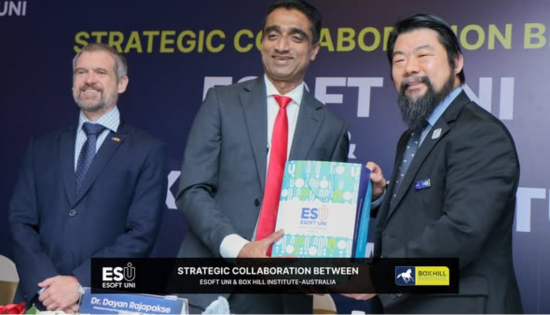
ESOFT UNI Signs MoU with Box Gill Institute, Australia
ESOFt UNI recently hosted a formal Memorandum of Understanding (MoU) signing ceremony with Box Hill Institute, Australia, signaling a significant step in… -

Ace Your University Interview in Sri Lanka: A Guide with Examples
Getting into a Sri Lankan sate or non-state university is not just about the scores. For some universities' programmes, your personality, communication… -
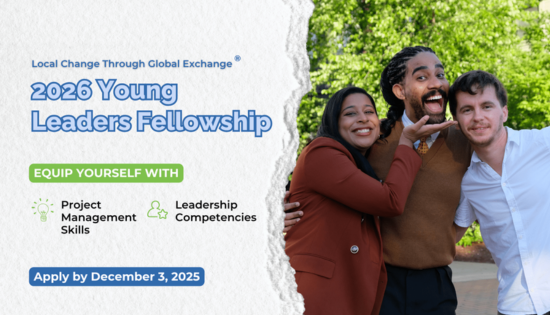
MCW Global Young Leaders Fellowship 2026
MCW Global (Miracle Corners of the World) runs a Young Leaders Fellowship, a year-long leadership program for young people (18–26) around the… -
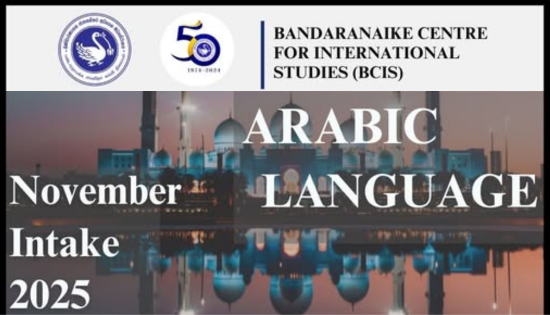
Enhance Your Arabic Skills with the Intermediate Language Course at BCIS
BCIS invites learners to join its Intermediate Arabic Language Course this November and further develop both linguistic skills and cultural understanding. Designed… -

Achieve Your American Dream : NCHS Spring Intake Webinar
NCHS is paving the way for Sri Lankan students to achieve their American Dream. As Sri Lanka’s leading pathway provider to the… -
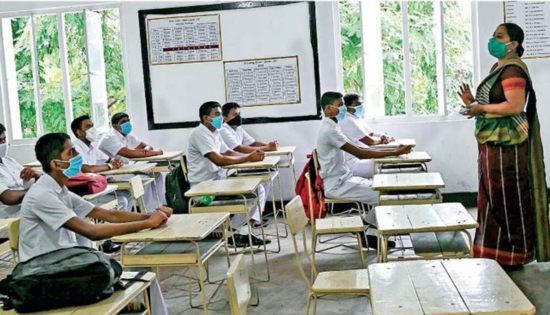
National Diploma in Teaching course : Notice
A Gazette notice has been released recently, concerning the enrollment of aspiring teachers into National Colleges of Education for the three-year pre-service… -
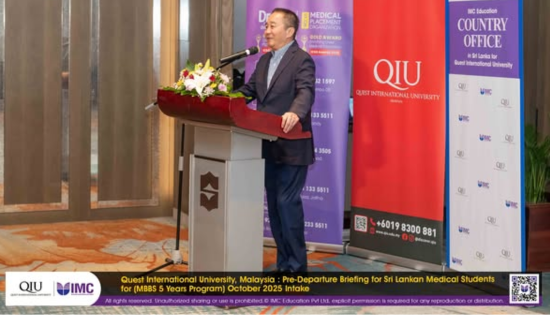
IMC Education Features Largest Student Recruitment for QIU’s October 2025 Intake
Quest International University (QIU), Malaysia recently hosted a pre-departure briefing and high tea at the Shangri-La Hotel in Colombo for its incoming… -

Global University Employability Ranking according to Times Higher Education
Attending college or university offers more than just career preparation, though selecting the right school and program can significantly enhance your job… -

Diploma in Occupational Safety & Health (DOSH) – CIPM
The Chartered Institute of Personnel Management (CIPM) is proud to announce the launch of its Diploma in Occupational Safety & Health (DOSH),… -
Small Grant Scheme for Australia Awards Alumni Sri Lanka
Australia Awards alumni are warmly invited to apply for a grant up to AUD 5,000 to support an innovative project that aim… -
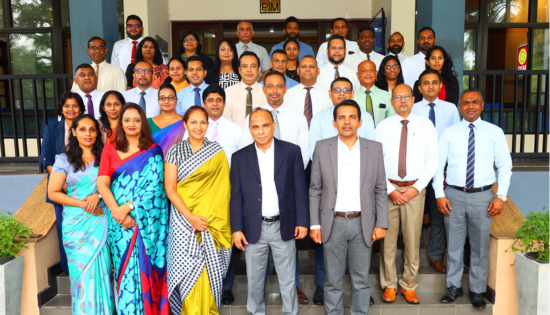
PIM Launches Special Programme for Newly Promoted SriLankan Airlines Managers
The Postgraduate Institute of Management (PIM) has launched a dedicated Newly Promoted Manager Programme designed to strengthen the leadership and management capabilities…
Newswire
-

Sri Lanka to deploy military units to protect endangered wild elephants
ON: October 24, 2026 -

“Why is he not playing Tests?” Ashwin praises Pavan Rathnayake’s brilliant batting
ON: October 24, 2026 -

Sri Lanka A fixtures announced for Asia Cup Rising Stars 2026
ON: October 24, 2026