


Reimagining classrooms: How structured systems can make PBL work in schools
Project-based learning (PBL) is gaining attention as a way to build independent, critical thinkers. However, educators point out that its success depends less on the idea itself and more on how well classroom systems are designed. Without strong structures in place, PBL can fail when teacher support is reduced.
Although PBL is often promoted as a method to encourage student independence, many classrooms still rely heavily on teachers. When that support is removed, student progress slows down, not because students lack ability, but because the system is not strong enough to support them.
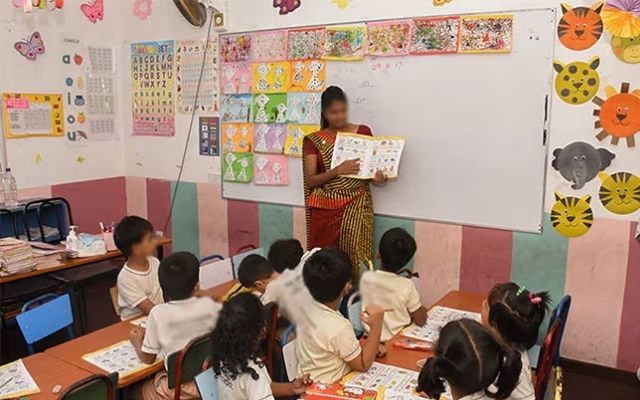
In Sri Lanka, where classrooms are largely exam-oriented and teacher-led, this challenge is even more visible. Teachers who attempt to introduce PBL often find themselves managing every aspect of the process, answering repeated questions and keeping the work moving, rather than guiding learning.
From teacher-led to system-led learning
A key shift is moving from teacher-centred control to system-driven learning. This means clearly defining student roles, responsibilities, and expected outcomes within a project. When students understand what they are responsible for, they are more likely to take ownership of their work.
In local classrooms, this could involve assigning specific roles within group work, such as researcher, editor, presenter, or coordinator, with clear tasks and deadlines. This kind of structure can help students stay accountable and organised.

The role of organisation and access
Another important factor is how easily students can access information. In many classrooms, students depend on teachers because instructions and resources are unclear or scattered. When information is organised and easy to find, students can work more independently.
Even in schools with limited technology, simple solutions such as task charts, notice boards, or printed guidelines can create clarity. What matters is not the tool, but how clearly the system is designed.
Building a culture of ownership
Systems alone are not enough. Classrooms must also encourage students to think independently and support each other before turning to the teacher. This helps build confidence, collaboration, and problem-solving skills.
In Sri Lanka, where students are used to relying heavily on teachers, this shift may take time. However, it is essential for preparing students for higher education and modern workplaces, where independence and teamwork are highly valued.
Implications for education
As Sri Lanka explores changes in teaching and learning, PBL offers strong potential. But its success depends on adapting it to local conditions, including large class sizes, limited resources, and exam-focused systems.
Rather than adopting PBL as a trend, educators need to focus on building classroom systems that can function without constant teacher intervention. When this happens, students move from simply completing tasks to actively leading their learning.
Ultimately, meaningful change in education does not come from new methods alone, but from creating environments where those methods can work effectively.
Sources:
- Edutopia – Matt Halter, Creating systems for project-based learning
Related News
Education ministry allocated Rs. 328 bn in Appropriation Bill 2027
The Ministry of Education, Higher Education and Vocational Education has been allocated Rs. 328 billion under Appropriation Bill 2027, which has been…
Read MoreNew subject on entrepreneurship and financial literacy for Grade 6 from 2027: PM
Prime Minister Dr. Harini Amarasuriya has announced a new subject focusing on entrepreneurship and financial literacy will be introduced for Grade 6…
Read More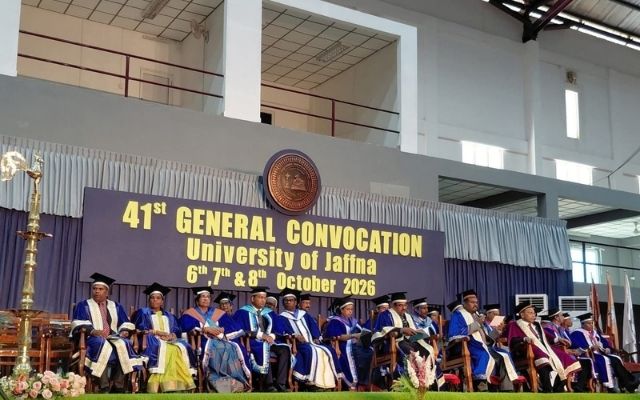
University of Jaffna commences 41st General Convocation across nine sessions
The 41st General Convocation of the University of Jaffna commenced grandly at the University Indoor Stadium on October 6 led by the…
Read MorePM pledges full education ministry support to popularise scout movement at grassroots level
Prime Minister and Minister of Education Dr. Harini Amarasuriya has agreed to extend the full support of the Education Ministry to implement…
Read MoreOver 100 Sri Lankan students receive scholarships to study in Russia
More than 100 Sri Lankan students have been selected for higher education in Russia this year under the Russian State Scholarship Programme…
Read MoreCourses
-

The future of higher education tech: why industry needs purpose-built solutions
For years, Institutions and education agencies have been forced to rely on a patchwork of horizontal SaaS solutions – general tools that… -

MBA in Project Management & Artificial Intelligence – Oxford College of Business
In an era defined by rapid technological change, organizations increasingly demand leaders who not only understand traditional project management, but can also… -

Scholarships for 2025 Postgraduate Diploma in Education for SLEAS and SLTES Officers
The Ministry of Education, Higher Education and Vocational Education has announced the granting of full scholarships for the one-year weekend Postgraduate Diploma… -

Shape Your Future with a BSc in Business Management (HRM) at Horizon Campus
Human Resource Management is more than a career. It’s about growing people, building organizational culture, and leading with purpose. Every impactful journey… -
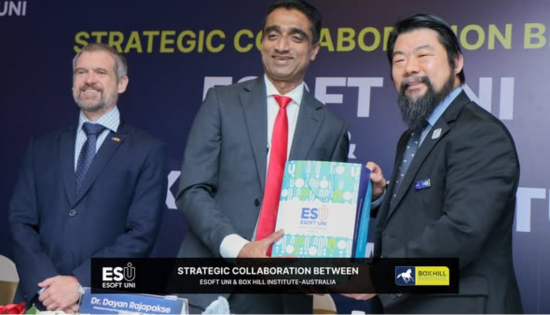
ESOFT UNI Signs MoU with Box Gill Institute, Australia
ESOFt UNI recently hosted a formal Memorandum of Understanding (MoU) signing ceremony with Box Hill Institute, Australia, signaling a significant step in… -

Ace Your University Interview in Sri Lanka: A Guide with Examples
Getting into a Sri Lankan sate or non-state university is not just about the scores. For some universities' programmes, your personality, communication… -
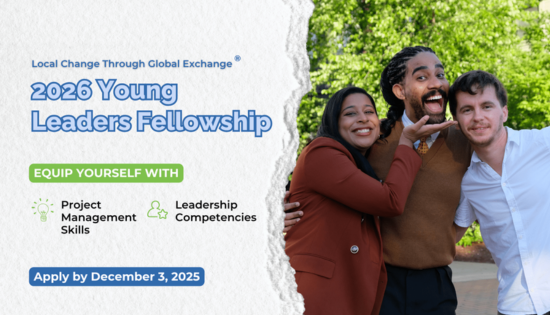
MCW Global Young Leaders Fellowship 2026
MCW Global (Miracle Corners of the World) runs a Young Leaders Fellowship, a year-long leadership program for young people (18–26) around the… -
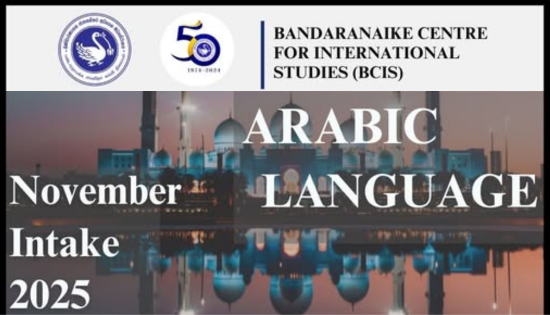
Enhance Your Arabic Skills with the Intermediate Language Course at BCIS
BCIS invites learners to join its Intermediate Arabic Language Course this November and further develop both linguistic skills and cultural understanding. Designed… -

Achieve Your American Dream : NCHS Spring Intake Webinar
NCHS is paving the way for Sri Lankan students to achieve their American Dream. As Sri Lanka’s leading pathway provider to the… -
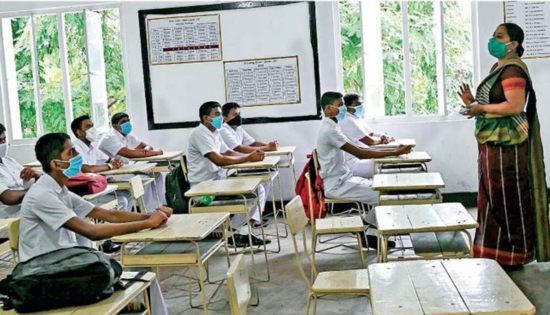
National Diploma in Teaching course : Notice
A Gazette notice has been released recently, concerning the enrollment of aspiring teachers into National Colleges of Education for the three-year pre-service… -
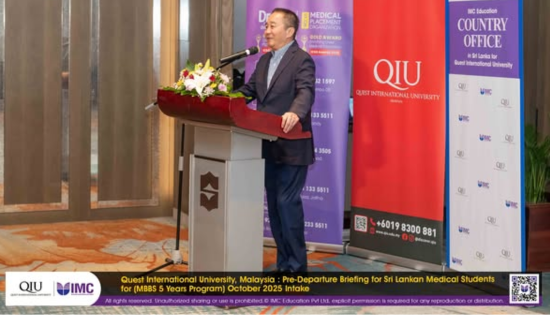
IMC Education Features Largest Student Recruitment for QIU’s October 2025 Intake
Quest International University (QIU), Malaysia recently hosted a pre-departure briefing and high tea at the Shangri-La Hotel in Colombo for its incoming… -

Global University Employability Ranking according to Times Higher Education
Attending college or university offers more than just career preparation, though selecting the right school and program can significantly enhance your job… -

Diploma in Occupational Safety & Health (DOSH) – CIPM
The Chartered Institute of Personnel Management (CIPM) is proud to announce the launch of its Diploma in Occupational Safety & Health (DOSH),… -
Small Grant Scheme for Australia Awards Alumni Sri Lanka
Australia Awards alumni are warmly invited to apply for a grant up to AUD 5,000 to support an innovative project that aim… -
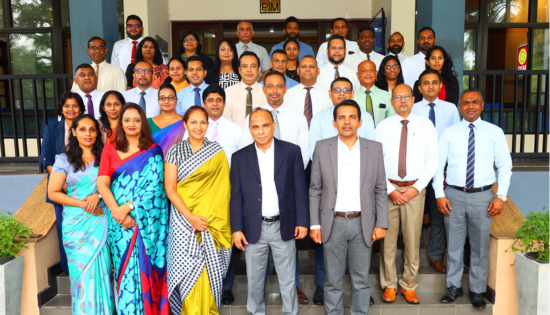
PIM Launches Special Programme for Newly Promoted SriLankan Airlines Managers
The Postgraduate Institute of Management (PIM) has launched a dedicated Newly Promoted Manager Programme designed to strengthen the leadership and management capabilities…
Newswire
-

US suspends 8 major tech companies from key green card programme
ON: October 8, 2026 -

Police freeze Rs. 35 million gym in major drug trafficking investigation
ON: October 8, 2026 -
SLS standards to be introduced for preschools across Sri Lanka in 2027
ON: October 8, 2026