


Skills for the Future: Why Vocational Education Matters in 2026
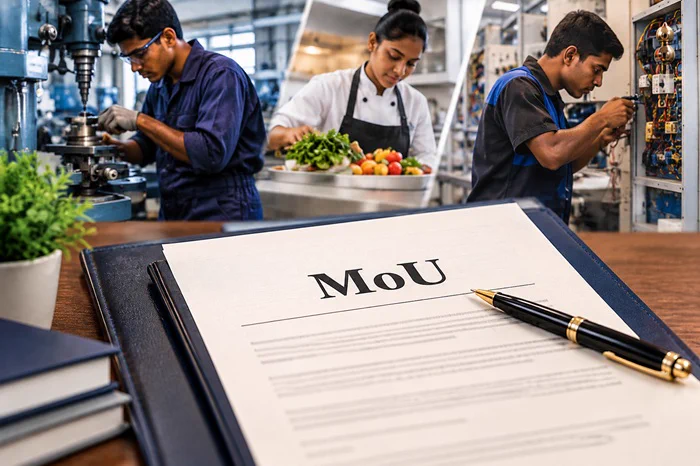
In 2025 and 2026, there is a clear shift in education trends across Sri Lanka and the world. While traditional academic degrees remain important, there is growing interest in Technical and Vocational Education and Training (TVET). This approach focuses on practical, job ready skills that directly match industry needs. For Sri Lankan students, this is becoming a valuable pathway to employment, entrepreneurship, and even international career opportunities.
Vocational education is designed to bridge the gap between education and employment. In Sri Lanka, institutions under government bodies such as the Tertiary and Vocational Education Commission play a key role in regulating and developing these programmes. Fields such as Human Resources, Marketing, Civil Engineering, Information Technology, Healthcare, and Automobile Engineering are increasingly popular. These sectors are aligned with both local and global job markets, where employers are actively looking for skilled professionals rather than just academic qualifications.

This trend is supported globally as well. Countries like Australia and the United Kingdom have strong vocational education systems that are closely linked with industry. For example, the TAFE Australia network provides practical training in areas such as construction, business, IT, and healthcare. These programmes are recognised by employers and often include hands-on experience, which helps students transition directly into the workforce. Similarly, the University of Sheffield and other top-ranked universities now offer professionally oriented courses that combine academic knowledge with real-world skills, reflecting the global demand for applied learning.
For Sri Lankan students who may not follow the traditional A/L to university pathway, vocational education offers a strong alternative. It allows students to gain recognised qualifications, develop practical expertise, and even progress to higher education later. Many vocational qualifications are designed in a way that students can move step by step from certificate level to diploma and eventually to degree level creating flexible learning pathways.

Alongside technical skills, there is also a growing emphasis on soft skills development. Employers in 2026 are not only looking for technical knowledge but also for individuals who can communicate effectively, work in teams, and adapt to changing environments. Skills such as leadership, problem solving, and professionalism are now considered essential in almost every industry.
Leading universities worldwide highlight the importance of these skills. Institutions like the University of Melbourne and the National University of Singapore integrate communication, teamwork, and critical thinking into their degree programmes. This ensures that graduates are not only academically qualified but also ready to succeed in real world workplaces.

In Sri Lanka, awareness of soft skills has increased significantly in recent years. Many employers report that graduates often lack communication and workplace readiness, which has led to a stronger focus on training in these areas. As a result, students are now actively seeking opportunities to improve their presentation skills, teamwork abilities, and confidence, even while studying.
Another important development in 2026 is the connection between vocational education and global mobility. Skilled professionals in areas such as engineering, healthcare, and IT are in demand worldwide. Countries like Australia, Canada, and Germany offer migration pathways for qualified individuals with recognised skills. Official platforms such as Study Australia provide detailed information on skills shortages and education pathways that can lead to international careers. This makes vocational education not only a local opportunity but also a global one.

It is also important to understand that vocational and academic education are no longer separate paths. In modern education systems, they are increasingly connected. A student may begin with a vocational qualification, gain work experience, and later move into a university degree. This flexible approach allows students to build both practical skills and academic knowledge over time.
In conclusion, vocational and skills based education is becoming a key part of the future of learning in Sri Lanka. In 2026, success is not defined only by university degrees but by the ability to apply knowledge in real-world situations. By choosing the right combination of technical skills and soft skills, Sri Lankan students can improve their employability, explore global opportunities, and build strong, sustainable careers.
Related News
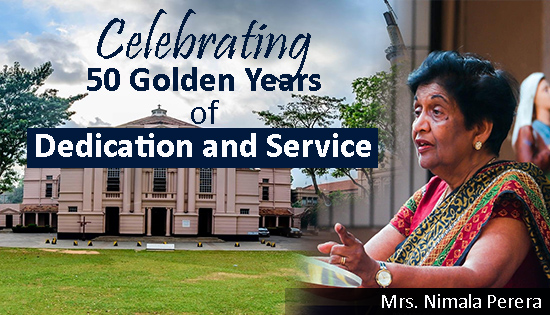
Mrs. Nimala Perera; A Treasure Trove and the Heart of St. Joseph’s College, Colombo 10.
By : Guruji Ravindhiran Maruthai Mrs. Nimala Perera, a renowned educator of the hallowed educational institutionSt. Joseph’s College, Colombo 10, Sri Lanka,celebrates…
Read More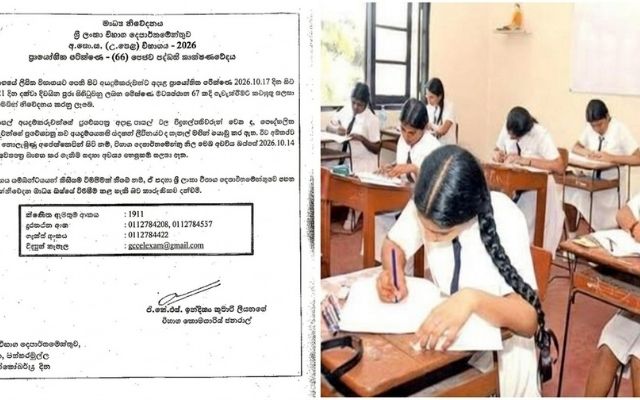
Online admission cards released for 2026 A/L Biosystems Technology Practical Exams
Candidates appearing for the 2026 G.C.E. Advanced Level Biosystems Technology practical examinations can download their admission cards from the official Department of…
Read MoreGovt to renew MoU with Asia Pacific Body to elevate vocational training
The Cabinet of Ministers has approved a proposal to renew the Memorandum of Understanding (MoU) between Sri Lanka’s Tertiary and Vocational Education…
Read MorePM inaugurates ‘Sittam 2026’ Art Exhibition under ‘Kolomtota Abhinandana’ initiative
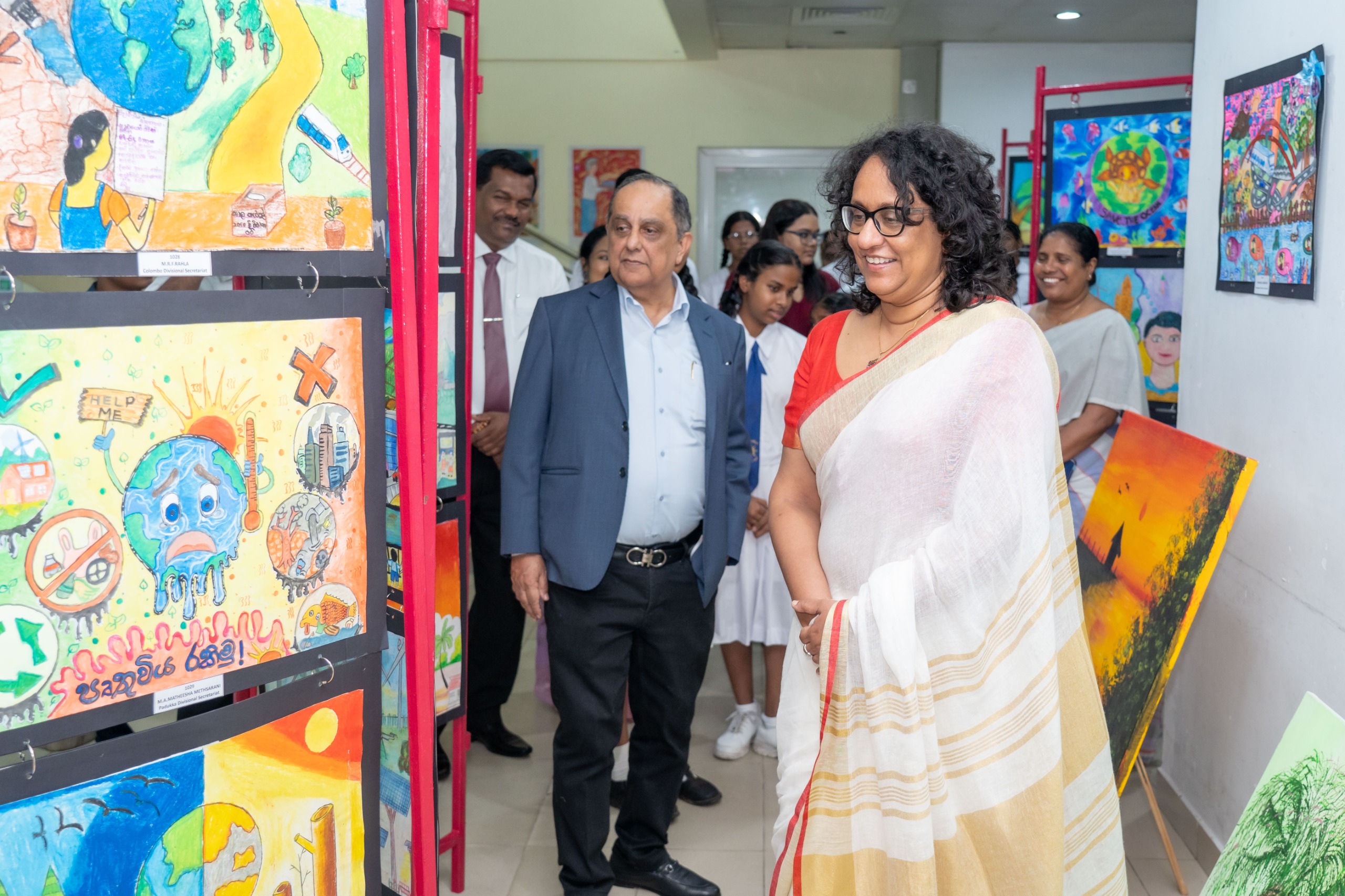
In parallel with the National Literary and Arts Festival, Prime Minister Dr. Harini Amarasuriya opened the 'Sittam 2026' art exhibition on October…
Read MoreKorean Association pledges medical aid and special needs youth programme for Sri Lanka
The Korean Volunteer Association for Distinguished Service to the State is organizing an 11-day programme for next year aimed at identifying and…
Read MoreCourses
-

The future of higher education tech: why industry needs purpose-built solutions
For years, Institutions and education agencies have been forced to rely on a patchwork of horizontal SaaS solutions – general tools that… -

MBA in Project Management & Artificial Intelligence – Oxford College of Business
In an era defined by rapid technological change, organizations increasingly demand leaders who not only understand traditional project management, but can also… -

Scholarships for 2025 Postgraduate Diploma in Education for SLEAS and SLTES Officers
The Ministry of Education, Higher Education and Vocational Education has announced the granting of full scholarships for the one-year weekend Postgraduate Diploma… -
Shape Your Future with a BSc in Business Management (HRM) at Horizon Campus
Human Resource Management is more than a career. It’s about growing people, building organizational culture, and leading with purpose. Every impactful journey… -
ESOFT UNI Signs MoU with Box Gill Institute, Australia
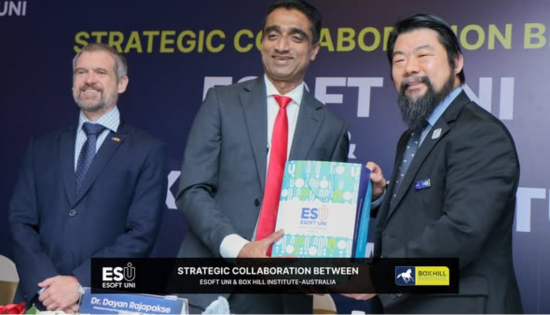
ESOFt UNI recently hosted a formal Memorandum of Understanding (MoU) signing ceremony with Box Hill Institute, Australia, signaling a significant step in… -

Ace Your University Interview in Sri Lanka: A Guide with Examples
Getting into a Sri Lankan sate or non-state university is not just about the scores. For some universities' programmes, your personality, communication… -
MCW Global Young Leaders Fellowship 2026
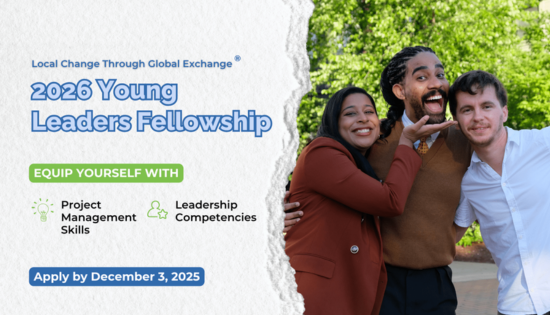
MCW Global (Miracle Corners of the World) runs a Young Leaders Fellowship, a year-long leadership program for young people (18–26) around the… -
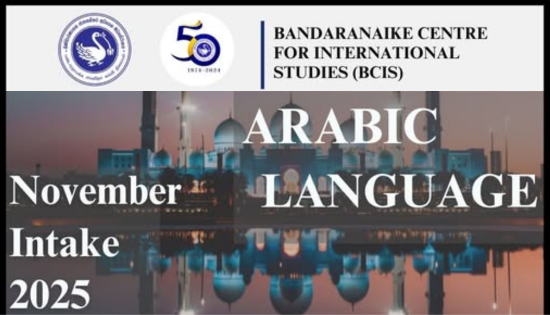
Enhance Your Arabic Skills with the Intermediate Language Course at BCIS
BCIS invites learners to join its Intermediate Arabic Language Course this November and further develop both linguistic skills and cultural understanding. Designed… -
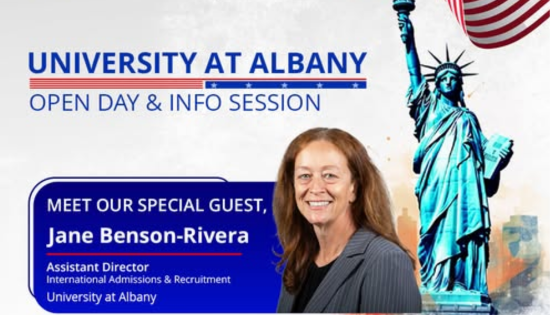
Achieve Your American Dream : NCHS Spring Intake Webinar
NCHS is paving the way for Sri Lankan students to achieve their American Dream. As Sri Lanka’s leading pathway provider to the… -
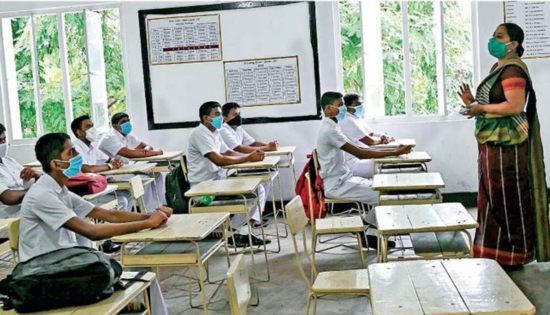
National Diploma in Teaching course : Notice
A Gazette notice has been released recently, concerning the enrollment of aspiring teachers into National Colleges of Education for the three-year pre-service… -
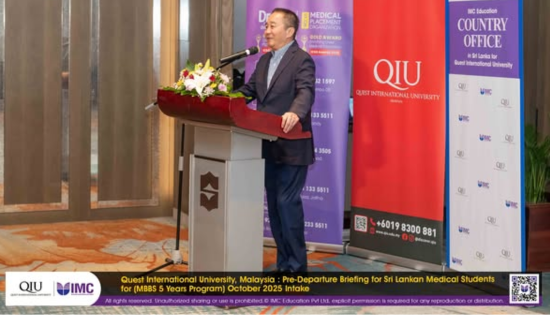
IMC Education Features Largest Student Recruitment for QIU’s October 2025 Intake
Quest International University (QIU), Malaysia recently hosted a pre-departure briefing and high tea at the Shangri-La Hotel in Colombo for its incoming… -

Global University Employability Ranking according to Times Higher Education
Attending college or university offers more than just career preparation, though selecting the right school and program can significantly enhance your job… -

Diploma in Occupational Safety & Health (DOSH) – CIPM
The Chartered Institute of Personnel Management (CIPM) is proud to announce the launch of its Diploma in Occupational Safety & Health (DOSH),… -
Small Grant Scheme for Australia Awards Alumni Sri Lanka
Australia Awards alumni are warmly invited to apply for a grant up to AUD 5,000 to support an innovative project that aim… -
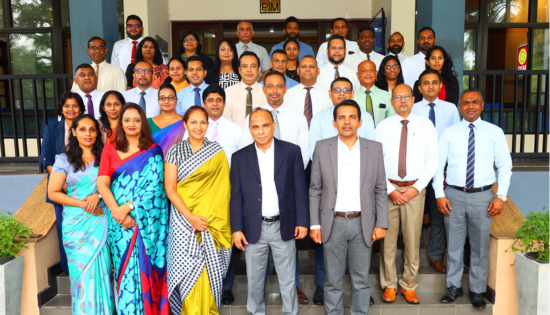
PIM Launches Special Programme for Newly Promoted SriLankan Airlines Managers
The Postgraduate Institute of Management (PIM) has launched a dedicated Newly Promoted Manager Programme designed to strengthen the leadership and management capabilities…
Newswire
-
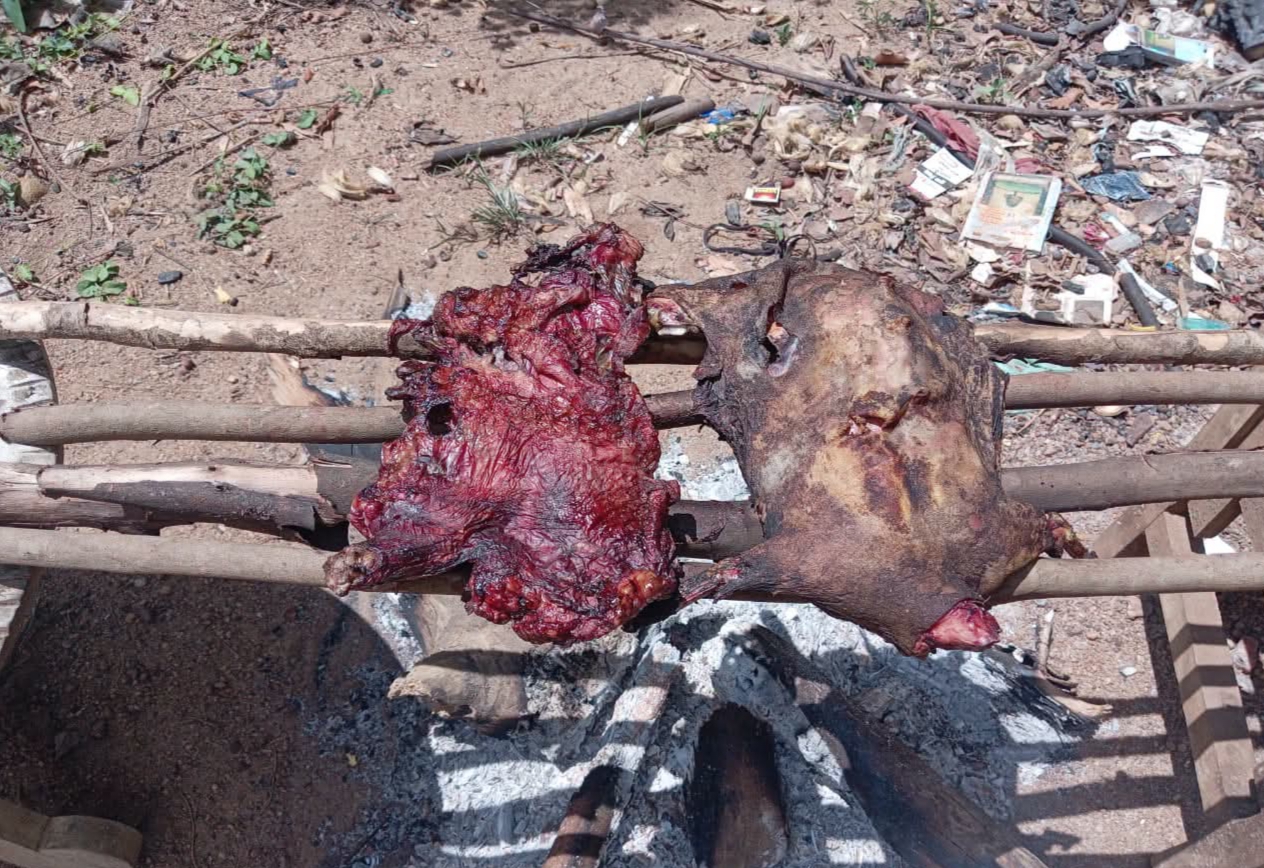
Wildlife officers arrest four suspects with porcupine meat, illegal firearms
ON: October 14, 2026 -
Sri Lanka Customs reaches 2026 revenue target of Rs. 2,208 Bn by Oct.13
ON: October 14, 2026 -
St. Joseph’s College Honours Mrs Nimala Perera’s Five Decades of Service
ON: October 14, 2026 -

Taxpayers reminded to submit income tax returns by November 30
ON: October 14, 2026 -

Sri Lanka joins first BIMSTEC Home Ministers’ Meeting in India
ON: October 14, 2026