



Hurricanes, Tornadoes, Typhoons, Cyclones and Monsoons: Understanding the Differences
Severe weather events often make global headlines, but many people still use terms like hurricane, cyclone, typhoon and tornado interchangeably. Although they may seem similar, each one forms differently, behaves differently and strikes different parts of the world. Understanding these distinctions helps us make sense of global weather and recent events like Cyclone Ditwah in Sri Lanka.
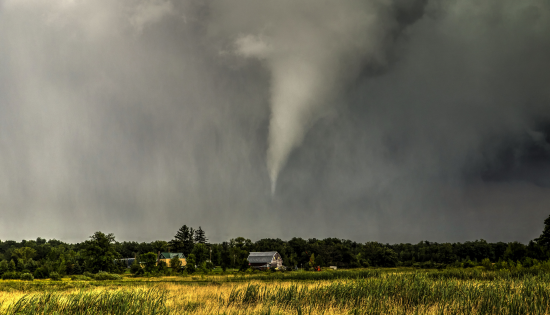
A hurricane is a large, rotating storm system that forms over warm waters in the Atlantic or northeastern Pacific, bringing high winds, heavy rain and storm surges. A tornado, by contrast, is far smaller but extremely intense: a tight spinning column of air that forms over land and can destroy buildings in minutes.
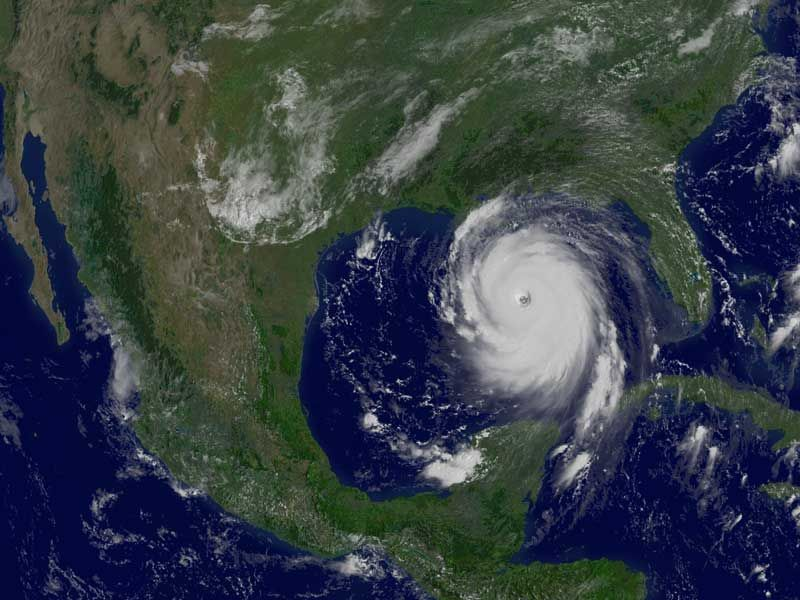
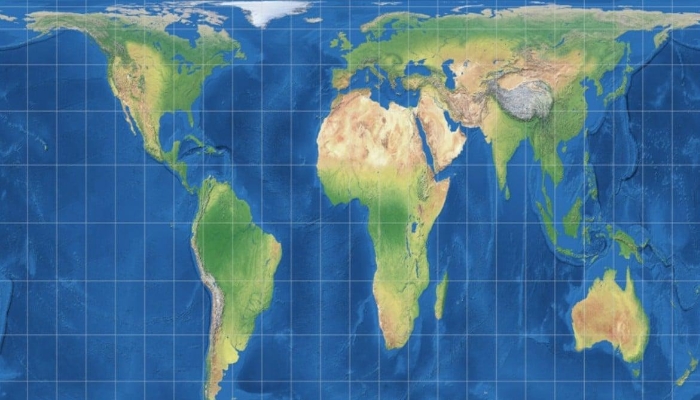
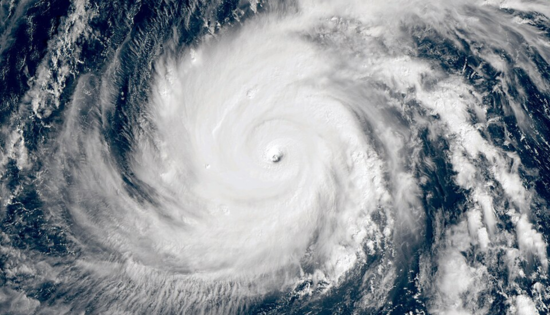
The terms typhoon and cyclone refer to storms similar to hurricanes but located elsewhere. Typhoons occur in the northwestern Pacific near East and Southeast Asia, while cyclones develop over the Indian Ocean and South Pacific. All three are tropical storms powered by heat and moisture from warm seas; the name simply depends on where they form.
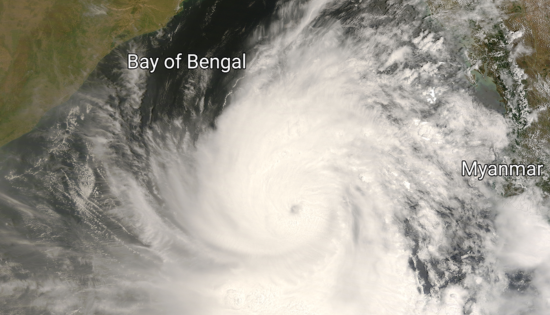
A monsoon is not a storm but a seasonal wind system that brings months of rain, especially to South Asia. Countries like India and Sri Lanka depend on monsoon rainfall for agriculture while also preparing for floods and landslides.

Sri Lanka’s experience with tropical storms makes these distinctions especially relevant today. Cyclone Ditwah, which struck the island in 2025, brought widespread flooding, landslides and severe damage across multiple districts, an event that echoes earlier emergencies such as the 1978 cyclone, the 2003 floods and the recurring monsoon disasters that shape the country’s climate story.
From massive ocean storms to small but violent tornadoes, and from seasonal monsoon rains to destructive cyclones, each phenomenon highlights the power and unpredictability of the Earth’s atmosphere. Understanding these forces helps communities prepare, adapt and remain resilient when nature turns intense.
Related News

How CIMA Builds Practical Business and Problem Solving Skills for the Real…
For students considering what to study after school or alongside a university degree, one question matters more than ever: will the qualification…
Read More
CIMA Beyond Accounting: Why Business Skills Matter for the Next Generation
For many Sri Lankan students, completing school brings one major question: what qualification should come next? A bachelor’s degree remains an important…
Read More
Gateway College and Wilderness School Australia Launch Teacher Exchange Programme
Students of Wilderness School were most welcoming to the teachers of Gateway Gateway College is pleased to announce the establishment of a…
Read More
Oxford College of Business Celebrates 1,550 Graduates at Landmark 2026 Graduation Ceremony
Oxford College of Business (OCB) celebrated the academic achievements of 1,550 graduands at its 2026 Graduation Ceremony, bringing together students, academics, international…
Read More
Imperial Announces CIMA Certificate Intake with 50% Off Class Fees
Imperial College of Business Studies (ICBS) will commence its latest CIMA Certificate Level intake on 19 September 2026, with weekday and weekend…
Read MoreCourses
-

The future of higher education tech: why industry needs purpose-built solutions
For years, Institutions and education agencies have been forced to rely on a patchwork of horizontal SaaS solutions – general tools that… -

MBA in Project Management & Artificial Intelligence – Oxford College of Business
In an era defined by rapid technological change, organizations increasingly demand leaders who not only understand traditional project management, but can also… -

Scholarships for 2025 Postgraduate Diploma in Education for SLEAS and SLTES Officers
The Ministry of Education, Higher Education and Vocational Education has announced the granting of full scholarships for the one-year weekend Postgraduate Diploma… -
Shape Your Future with a BSc in Business Management (HRM) at Horizon Campus
Human Resource Management is more than a career. It’s about growing people, building organizational culture, and leading with purpose. Every impactful journey… -
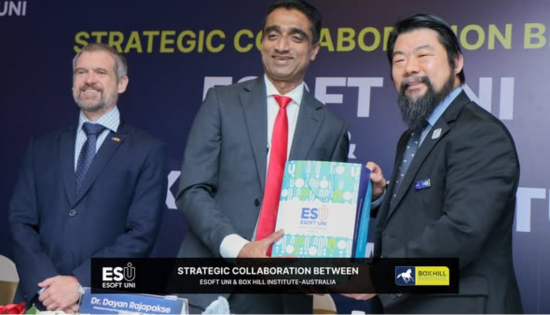
ESOFT UNI Signs MoU with Box Gill Institute, Australia
ESOFt UNI recently hosted a formal Memorandum of Understanding (MoU) signing ceremony with Box Hill Institute, Australia, signaling a significant step in… -

Ace Your University Interview in Sri Lanka: A Guide with Examples
Getting into a Sri Lankan sate or non-state university is not just about the scores. For some universities' programmes, your personality, communication… -
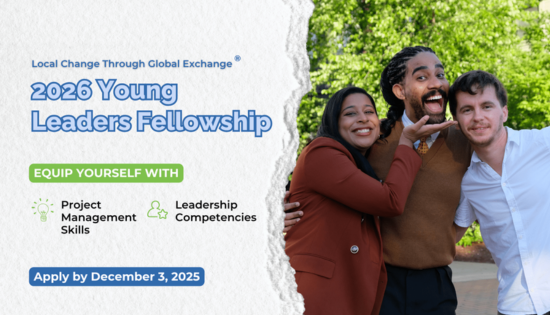
MCW Global Young Leaders Fellowship 2026
MCW Global (Miracle Corners of the World) runs a Young Leaders Fellowship, a year-long leadership program for young people (18–26) around the… -
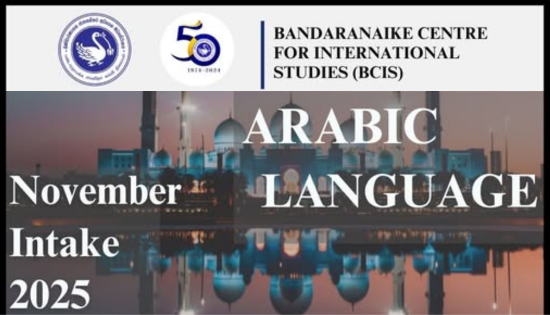
Enhance Your Arabic Skills with the Intermediate Language Course at BCIS
BCIS invites learners to join its Intermediate Arabic Language Course this November and further develop both linguistic skills and cultural understanding. Designed… -

Achieve Your American Dream : NCHS Spring Intake Webinar
NCHS is paving the way for Sri Lankan students to achieve their American Dream. As Sri Lanka’s leading pathway provider to the… -
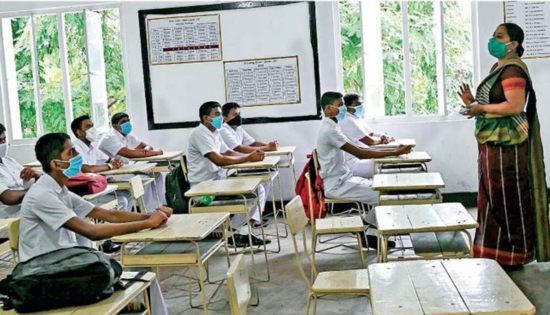
National Diploma in Teaching course : Notice
A Gazette notice has been released recently, concerning the enrollment of aspiring teachers into National Colleges of Education for the three-year pre-service… -
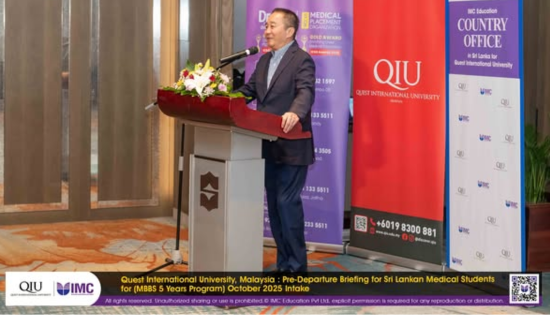
IMC Education Features Largest Student Recruitment for QIU’s October 2025 Intake
Quest International University (QIU), Malaysia recently hosted a pre-departure briefing and high tea at the Shangri-La Hotel in Colombo for its incoming… -

Global University Employability Ranking according to Times Higher Education
Attending college or university offers more than just career preparation, though selecting the right school and program can significantly enhance your job… -

Diploma in Occupational Safety & Health (DOSH) – CIPM
The Chartered Institute of Personnel Management (CIPM) is proud to announce the launch of its Diploma in Occupational Safety & Health (DOSH),… -
Small Grant Scheme for Australia Awards Alumni Sri Lanka
Australia Awards alumni are warmly invited to apply for a grant up to AUD 5,000 to support an innovative project that aim… -
PIM Launches Special Programme for Newly Promoted SriLankan Airlines Managers
The Postgraduate Institute of Management (PIM) has launched a dedicated Newly Promoted Manager Programme designed to strengthen the leadership and management capabilities…
Newswire
-
Young children exempt from seat-belt rule on expressways: Police
ON: September 22, 2026 -

Foreign Minister extends condolences over death of Sheikh Ahmed bin Rashid
ON: September 22, 2026 -
133 Sri Lankan workers to leave for construction jobs in Israel
ON: September 22, 2026