


Government’s 2026 Budget boosts support for state universities and students

The government’s 2026 Budget has raised allocations for higher education aiming to strengthen infrastructure, support student welfare, and improve access to tertiary studies, including for differently-abled students.
Key allocations and student support
- According to the 2026 Budget proposals, a monthly allowance of Rs. 5,000 will now be provided to university students with disabilities from low-income families. The government has allocated Rs. 50 million for this monthly payment scheme.
- The widely used Mahapola Scholarship and university bursary allowances have been raised by Rs. 2,500 — bringing the monthly Mahapola grant to Rs. 10,000 and the bursary to Rs. 9,000, in recognition of the rising cost of living.
- Recognising long-standing infrastructure gaps in state-run universities, the budget earmarks Rs. 2,500 million to improve common student facilities — hostels, canteens, and common learning areas.
- To strengthen medical education capacity, Rs. 11,000 million has been allocated for development of medical faculties in several state universities — upgrading laboratory facilities and establishing professorial units where lacking.
- Further, Rs. 11,500 million is reserved for upgrading research facilities and general infrastructure at higher education institutions across the country.
- The budget also outlines support for the digitization of education — part of a broader push under the national “digital transformation” strategy for schools and higher education. Government statements indicate that a policy framework for digital transformation is expected to be submitted for Cabinet approval by March 2026.
Government position and broader context
According to the government, education spending for 2026 accounts for 2.04% of GDP, or a total appropriation of Rs. 301 billion for “Education, Higher Education & Vocational Training.” The revisions and allocations reflect a commitment to improving equity in access and the quality of state-run tertiary institutions, especially after decades of underinvestment a concern raised by student bodies and education-sector stakeholders.
The budget proposals align with the ongoing reforms announced by the Ministry of Education, Higher Education and Vocational Education, which plans to overhaul the education sector infrastructure, curricula, and resource allocation under a broad reform programme beginning in 2026.
Reactions and criticism
While the increases to allowances and facility funding have been welcomed by many students and disability-rights advocates, some critics and opposition members raised concerns in Parliament that the allocations still fall short of the amounts promised during pre-election campaigns.
Observers warn that unless the funds are disbursed in a timely and transparent manner and unless upgrading of lecture halls, labs, hostels, and accessibility features begins immediately the budget promises might not translate into meaningful improvements on the ground.
Furthermore, student organizations had earlier called for more including increased lodging capacity, improvements to computing and management faculties, and broader funding for non-medical disciplines — so the current budget remains a partial step in a longer journey of reform.
Why this matters
For undergraduates, especially those from low-income or differently-abled backgrounds, the increased financial support and improved facilities could ease economic pressures and improve access to quality higher education. For state universities, the infrastructure upgrades and enhanced resources may help narrow gaps in facilities, research capacity and learning conditions that have grown over decades.
The prioritization of inclusive education, student welfare, and campus infrastructure in the 2026 Budget underscores the government’s recognition that higher education — beyond being academic credentialing — plays a critical role in social equity and national human-resource development.
Related News
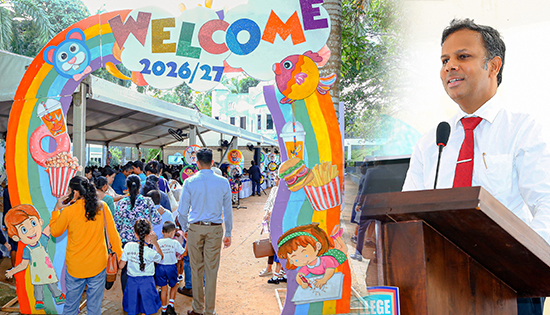
A Warm Welcome to a New Beginning: Horizon College International Welcomes New Students and Parents
Horizon College International (HCI) commenced the 2026/27 Academic Year with a warm and memorable welcome to its newest members of the Horizon…
Read More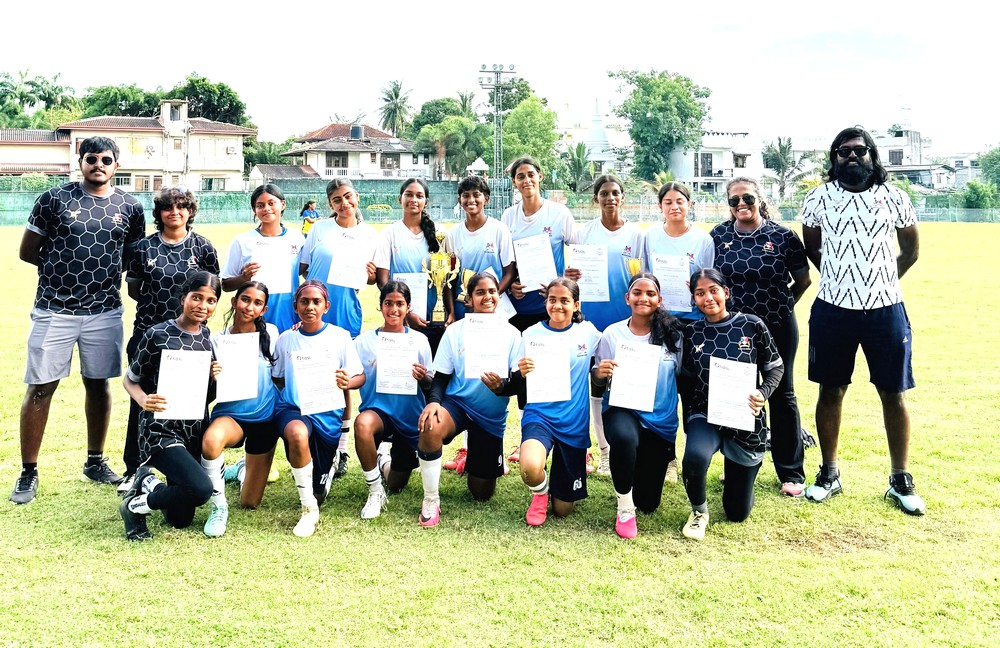
Gateway Girls Triumph in Football
Under 18 Champions: Standing Order Left to Right – Mr Rafaah Suhail (Coach), Ms Sahani Fernando (Coach), Brianna Perera, Tasneem Malik, KenuliAbeygunawardhane…
Read More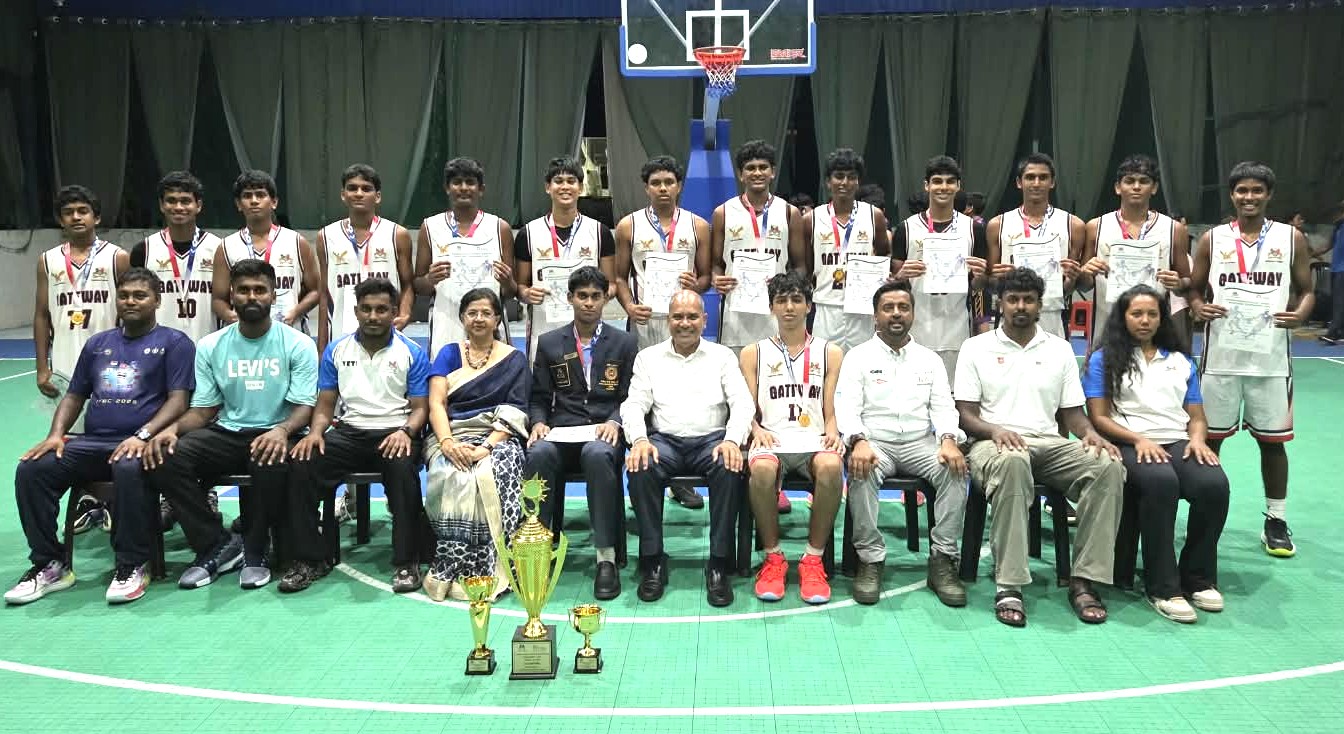
Gateway College Crowned TISSL Under-19 Basketball Champions for Fifth Consecutive Year
Back Row (left to right):DhanukaWijegoonaratne, Tevan Sela, Jonathan Herath, Mikyle Reza, Akain Vitanachy, Samuel Tsung, Thinuk Attanayaka, NavinduWaduwavala, Julan Senmitha, Jithein Kulatunga,…
Read More
USJ Leo Club’s ‘Pranadhara ’26’ Brings Water Storage Support to Habarana Community
The Leo Club of the University of Sri Jayewardenepura has completed the second phase of its ‘Pranadhara ’26’ water security project, providing…
Read More
Sri Lanka Skills Expo 2026 to promote vocational education in Colombo
The Sri Lanka Skills Expo 2026 is scheduled to take place from October 23 to 25 at Viharamahadevi Park and Green Path…
Read MoreCourses
-

The future of higher education tech: why industry needs purpose-built solutions
For years, Institutions and education agencies have been forced to rely on a patchwork of horizontal SaaS solutions – general tools that… -

MBA in Project Management & Artificial Intelligence – Oxford College of Business
In an era defined by rapid technological change, organizations increasingly demand leaders who not only understand traditional project management, but can also… -

Scholarships for 2025 Postgraduate Diploma in Education for SLEAS and SLTES Officers
The Ministry of Education, Higher Education and Vocational Education has announced the granting of full scholarships for the one-year weekend Postgraduate Diploma… -
Shape Your Future with a BSc in Business Management (HRM) at Horizon Campus
Human Resource Management is more than a career. It’s about growing people, building organizational culture, and leading with purpose. Every impactful journey… -
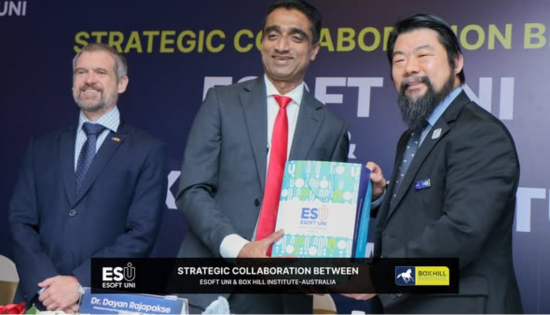
ESOFT UNI Signs MoU with Box Gill Institute, Australia
ESOFt UNI recently hosted a formal Memorandum of Understanding (MoU) signing ceremony with Box Hill Institute, Australia, signaling a significant step in… -

Ace Your University Interview in Sri Lanka: A Guide with Examples
Getting into a Sri Lankan sate or non-state university is not just about the scores. For some universities' programmes, your personality, communication… -
MCW Global Young Leaders Fellowship 2026
MCW Global (Miracle Corners of the World) runs a Young Leaders Fellowship, a year-long leadership program for young people (18–26) around the… -
Enhance Your Arabic Skills with the Intermediate Language Course at BCIS
BCIS invites learners to join its Intermediate Arabic Language Course this November and further develop both linguistic skills and cultural understanding. Designed… -

Achieve Your American Dream : NCHS Spring Intake Webinar
NCHS is paving the way for Sri Lankan students to achieve their American Dream. As Sri Lanka’s leading pathway provider to the… -
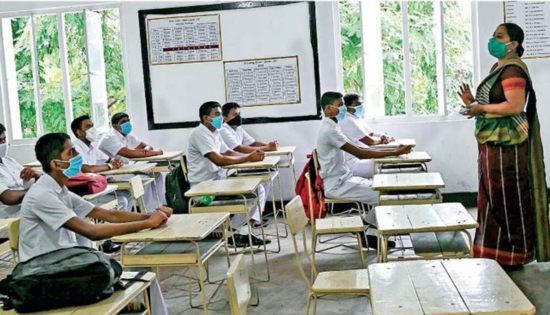
National Diploma in Teaching course : Notice
A Gazette notice has been released recently, concerning the enrollment of aspiring teachers into National Colleges of Education for the three-year pre-service… -
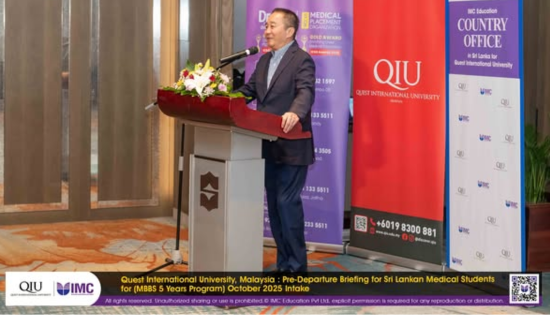
IMC Education Features Largest Student Recruitment for QIU’s October 2025 Intake
Quest International University (QIU), Malaysia recently hosted a pre-departure briefing and high tea at the Shangri-La Hotel in Colombo for its incoming… -

Global University Employability Ranking according to Times Higher Education
Attending college or university offers more than just career preparation, though selecting the right school and program can significantly enhance your job… -

Diploma in Occupational Safety & Health (DOSH) – CIPM
The Chartered Institute of Personnel Management (CIPM) is proud to announce the launch of its Diploma in Occupational Safety & Health (DOSH),… -
Small Grant Scheme for Australia Awards Alumni Sri Lanka
Australia Awards alumni are warmly invited to apply for a grant up to AUD 5,000 to support an innovative project that aim… -
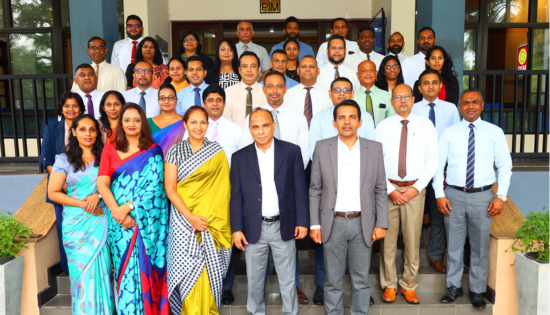
PIM Launches Special Programme for Newly Promoted SriLankan Airlines Managers
The Postgraduate Institute of Management (PIM) has launched a dedicated Newly Promoted Manager Programme designed to strengthen the leadership and management capabilities…
Newswire
-

Scientists develop technology to transmit smells over the internet
ON: October 23, 2026 -

JVP files police complaint against Ven. Balangoda Kassapa Thera
ON: October 23, 2026 -

Two prohibited knives recovered from suspect at monks’ protest site
ON: October 23, 2026 -

Red alert issued for Bay of Bengal as new low-pressure system threatens cyclone
ON: October 23, 2026 -
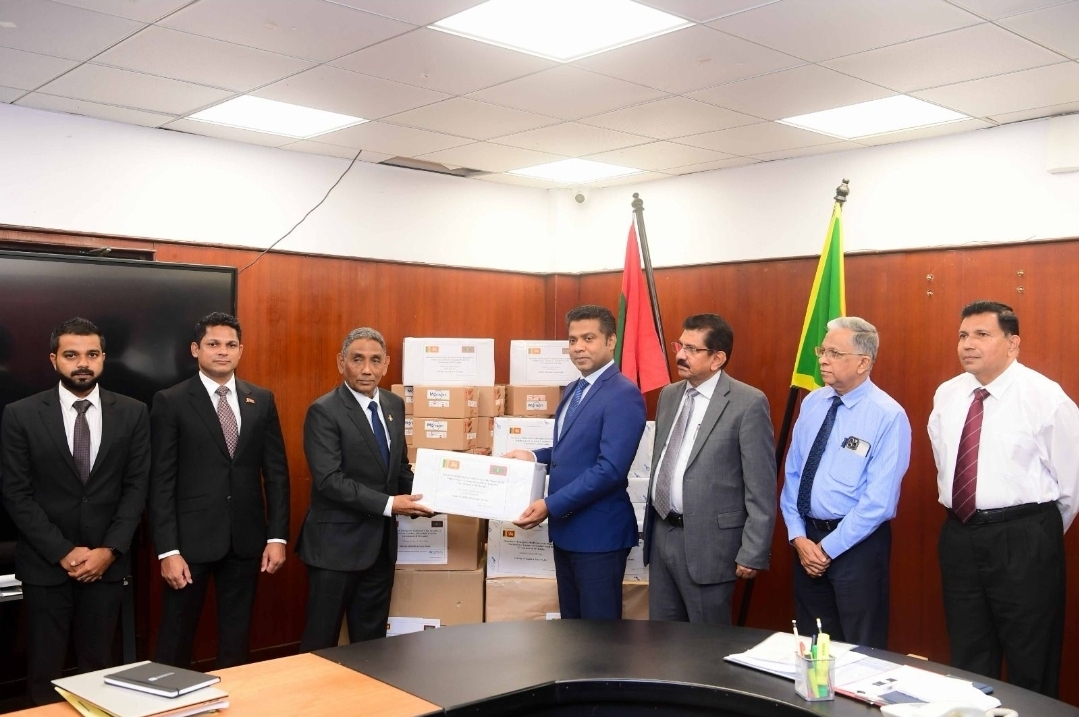
Sri Lanka donates essential medicines worth over Rs. 5 million to Maldives
ON: October 23, 2026