


Sri Lanka to Launch Smart University for Teacher Training: A Digital Revolution in Education
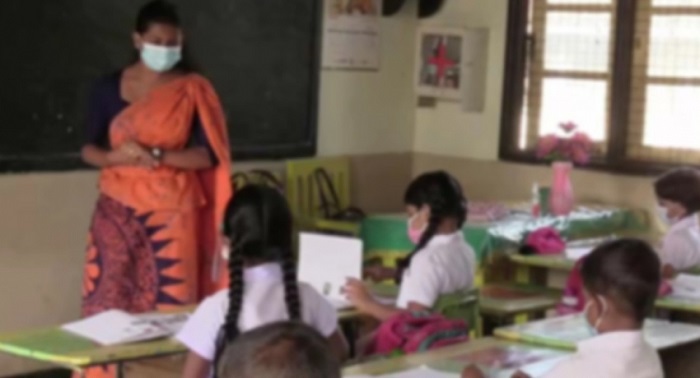
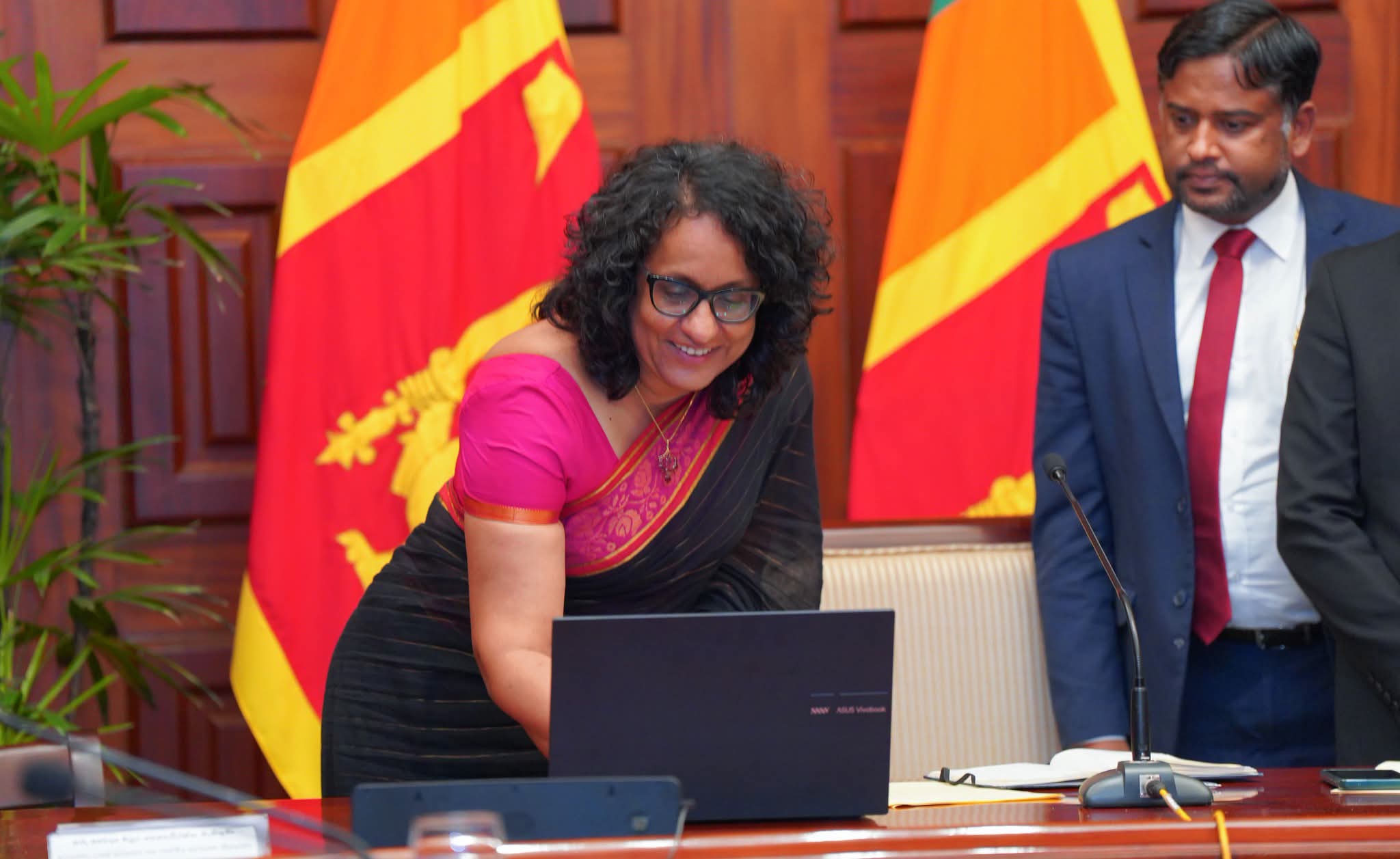
The Sri Lankan government is set to overhaul its teacher training programs to better incorporate digital technology into education. With a grant from the People’s Republic of China, the plan involves merging the country’s 19 teacher training colleges into a unified digital network, ultimately transforming them into a degree-awarding institution named the Sri Lanka University of Education (SLUE).

SLUE aims to become a leading institution dedicated to producing world-class educators capable of driving the future of education in Sri Lanka. The primary goal is to establish a “Smart University” that aligns with the nation’s broader objectives of digital transformation in the general education sector. This initiative seeks to equip future teachers with the necessary skills and knowledge to lead this transformation.
The digital enhancement of the education sector through the Smart University solution is expected to have significant implications for both the economy and society. By equipping teachers with digital skills, the program aims to foster an innovative educational environment that can adapt to the evolving demands of the digital age.
The implementation of this program will occur in multiple phases:
- Pilot Phase: Testing critical systems like the Learning Management System (LMS) and smart classrooms on a smaller scale.
- First Year: Establishing foundational infrastructure, including high-speed SD-WAN connectivity across all campuses and setting up smart classrooms with distance learning capabilities.
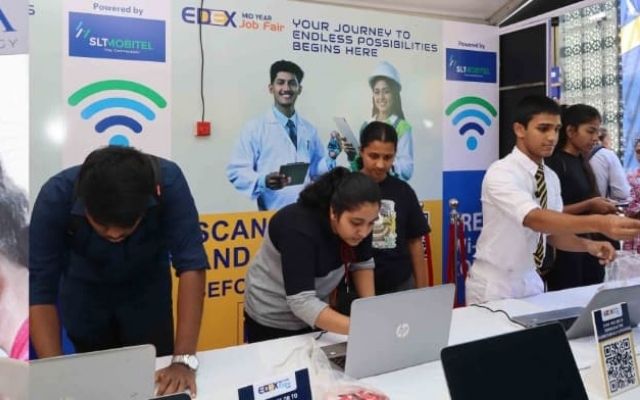
- Second Phase: Expanding smart classrooms and centralized distance learning platforms, along with achieving full Wi-Fi coverage across all campuses.
- Third and Fourth Phases: Further expansion to include biometric access systems and AI-driven education tools for personalized learning and analytics.
- Final Phases: Focusing on continuous innovation with global collaboration to ensure that SLUE remains a leader in digital education.
This initiative is part of a broader effort to digitize Sri Lanka’s education sector. In May 2023, the “Policy for Digital Transformation of Education” was introduced, aiming to equip students and educators with essential digital tools and skills. The policy outlines a comprehensive approach by prioritizing investments in digital infrastructure, teacher training, and ensuring device availability for all students.
Additionally, the Chinese government has shown support for Sri Lanka’s digital education initiatives. In July 2024, China agreed to provide a grant for 1,000 smart boards to be distributed across Sri Lankan schools, further aiding the country’s move towards digitized education.
The establishment of SLUE and the broader digital transformation initiatives reflect Sri Lanka’s commitment to modernizing its education system. By integrating advanced digital technologies and fostering global collaborations, the country aims to create an innovative educational environment that meets the demands of the 21st century.
Related News
Government to recruit 30,000 teachers by March next year : PM announces
Prime Minister Dr. Harini Amarasuriya stated plans to recruit a total of 30,000 new teachers into the national teaching service by March…
Read MoreGovernment to roll out new curricula for Grades 2, 6 next year
Prime Minister Dr. Harini Amarasuriya announced that steps will be taken to introduce new curricula for Grades 2 and 6 starting next…
Read More
EXODUS’26 : A Remarkable Journey of Talent, Strategy and Excellence
The Students’ Circle of Accounting and Finance (SCAF) of NSBM Green University successfully concluded EXODUS’26–Annual Accounting Day on 29 September 2026, marking…
Read More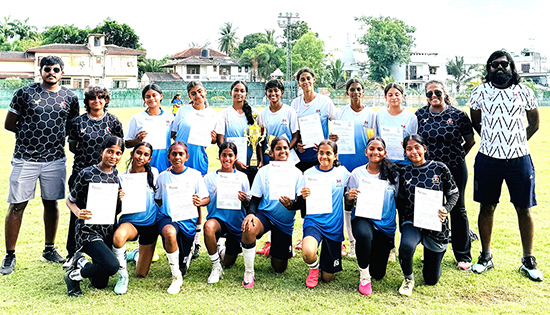
Gateway College Girls Crowned TISSL Under-18 Football Champions After Unbeaten Run
Under 18 ChampionsStanding Order Left to Right – Mr Rafaah Suhail (Coach), Ms Sahani Fernando (Coach), Brianna Perera, Tasneem Malik, KenuliAbeygunawardhane (Vice…
Read MoreGateway students win multiple medals at inaugural Commonwealth Schools Chess Championship
Three students from the Gateway Group of Colleges have won multiple individual and team medals at the inaugural Commonwealth Schools Chess Championship,…
Read MoreCourses
-

The future of higher education tech: why industry needs purpose-built solutions
For years, Institutions and education agencies have been forced to rely on a patchwork of horizontal SaaS solutions – general tools that… -

MBA in Project Management & Artificial Intelligence – Oxford College of Business
In an era defined by rapid technological change, organizations increasingly demand leaders who not only understand traditional project management, but can also… -

Scholarships for 2025 Postgraduate Diploma in Education for SLEAS and SLTES Officers
The Ministry of Education, Higher Education and Vocational Education has announced the granting of full scholarships for the one-year weekend Postgraduate Diploma… -

Shape Your Future with a BSc in Business Management (HRM) at Horizon Campus
Human Resource Management is more than a career. It’s about growing people, building organizational culture, and leading with purpose. Every impactful journey… -
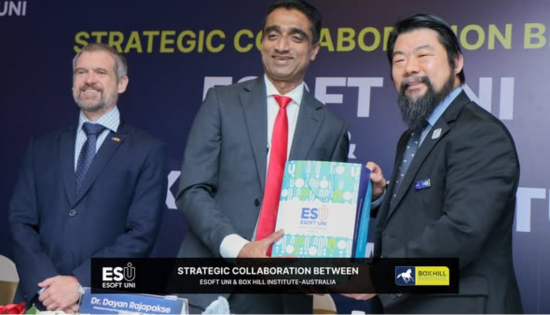
ESOFT UNI Signs MoU with Box Gill Institute, Australia
ESOFt UNI recently hosted a formal Memorandum of Understanding (MoU) signing ceremony with Box Hill Institute, Australia, signaling a significant step in… -

Ace Your University Interview in Sri Lanka: A Guide with Examples
Getting into a Sri Lankan sate or non-state university is not just about the scores. For some universities' programmes, your personality, communication… -
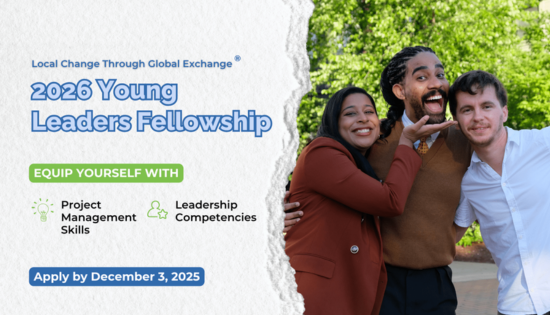
MCW Global Young Leaders Fellowship 2026
MCW Global (Miracle Corners of the World) runs a Young Leaders Fellowship, a year-long leadership program for young people (18–26) around the… -
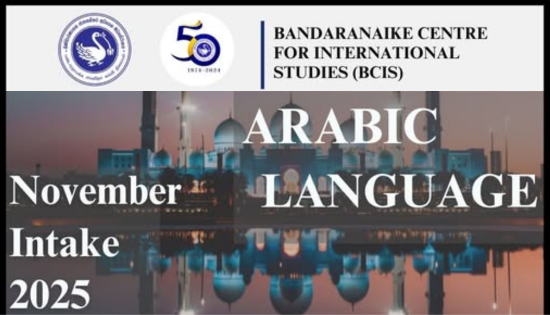
Enhance Your Arabic Skills with the Intermediate Language Course at BCIS
BCIS invites learners to join its Intermediate Arabic Language Course this November and further develop both linguistic skills and cultural understanding. Designed… -

Achieve Your American Dream : NCHS Spring Intake Webinar
NCHS is paving the way for Sri Lankan students to achieve their American Dream. As Sri Lanka’s leading pathway provider to the… -
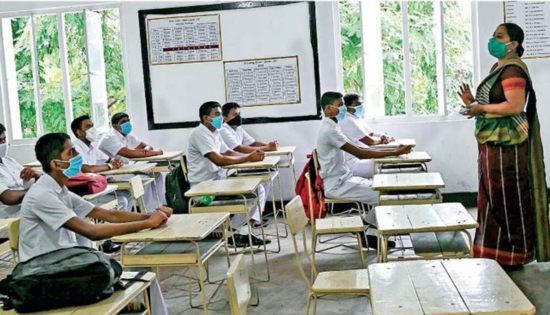
National Diploma in Teaching course : Notice
A Gazette notice has been released recently, concerning the enrollment of aspiring teachers into National Colleges of Education for the three-year pre-service… -
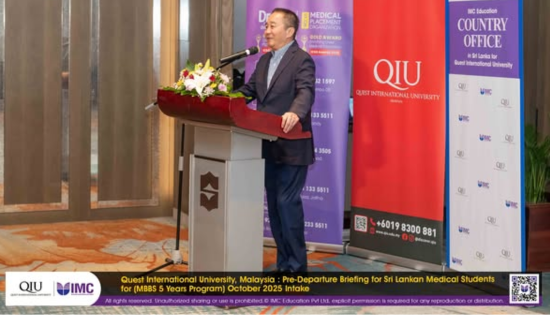
IMC Education Features Largest Student Recruitment for QIU’s October 2025 Intake
Quest International University (QIU), Malaysia recently hosted a pre-departure briefing and high tea at the Shangri-La Hotel in Colombo for its incoming… -

Global University Employability Ranking according to Times Higher Education
Attending college or university offers more than just career preparation, though selecting the right school and program can significantly enhance your job… -

Diploma in Occupational Safety & Health (DOSH) – CIPM
The Chartered Institute of Personnel Management (CIPM) is proud to announce the launch of its Diploma in Occupational Safety & Health (DOSH),… -
Small Grant Scheme for Australia Awards Alumni Sri Lanka
Australia Awards alumni are warmly invited to apply for a grant up to AUD 5,000 to support an innovative project that aim… -
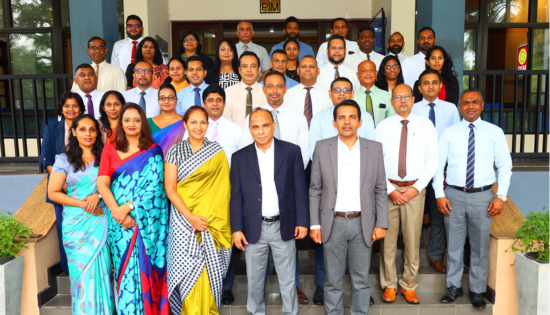
PIM Launches Special Programme for Newly Promoted SriLankan Airlines Managers
The Postgraduate Institute of Management (PIM) has launched a dedicated Newly Promoted Manager Programme designed to strengthen the leadership and management capabilities…
Newswire
-
India to slash prices of 137 cancer medicines by up to 70%
ON: October 19, 2026 -

Tusker Kavanthissa shot by SLPP member – State Media
ON: October 19, 2026 -
19 fishermen affected by Ditwah disaster receive boats in Kilinochchi
ON: October 19, 2026 -

Tri-Series opener – Sri Lanka, Pakistan fined by ICC
ON: October 19, 2026