




SLIIT–Daiki Axis Partnership Verifies Japanese Johkasou Wastewater Systems in Sri Lanka: A Leap Toward Cleaner Waterways
In a breakthrough for sustainable water management, the Sri Lanka Institute of Information Technology (SLIIT), in collaboration with Daiki Axis Environment (Pvt) Ltd, has completed third party performance verification of Japanese Johkasou modular wastewater treatment systems. This study provides robust evidence that decentralized treatment technologies can help curb urban pollution and restore ecological balance in Sri Lanka’s growing cities.
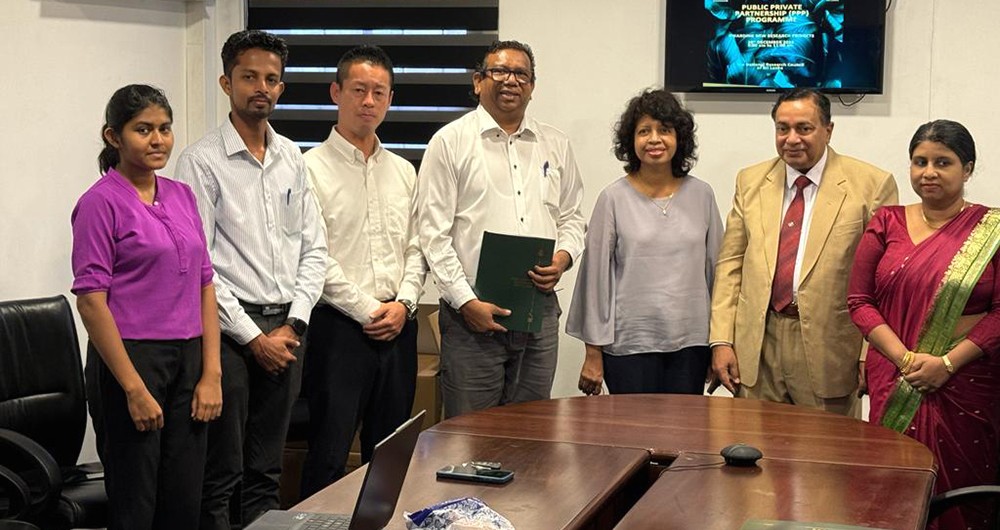
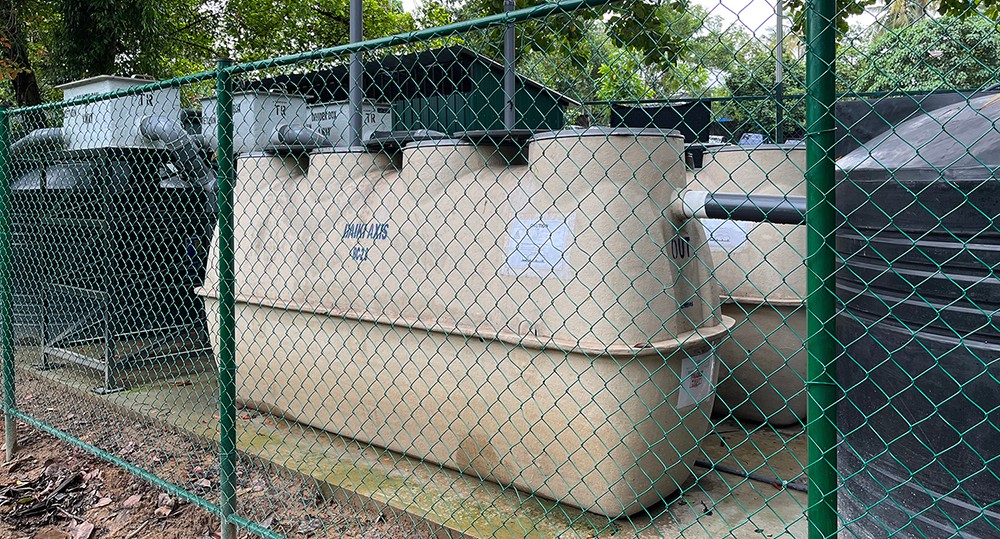
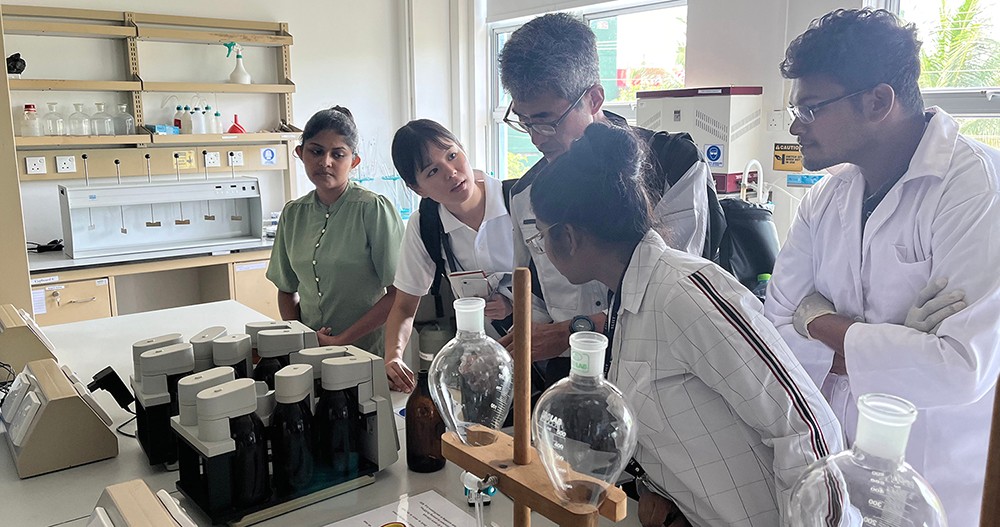
Conducted over 14 months at the SLIIT Malabe campus, the verification assessed two Johkasou models XH (1000L, domestic) and BC (2500L, community use) under various operational conditions. The systems were tested according to Japanese Government standards using locally sourced wastewater. Sri Lanka currently lacks such performance standards for sewage treatment products; establishing them could raise industry quality benchmarks.
The project was carried out through the SLIIT Innovate platform, exemplifying how academia-industry partnerships can bridge research and practical environmental solutions.
Johkasou Technology: Proven Results in Sri Lankan Conditions
Johkasou systems are compact biological treatment units combining aerobic and anaerobic processes. Common in Japan’s non-sewered regions, these units are praised for their reliability, efficiency, and ease of operation.
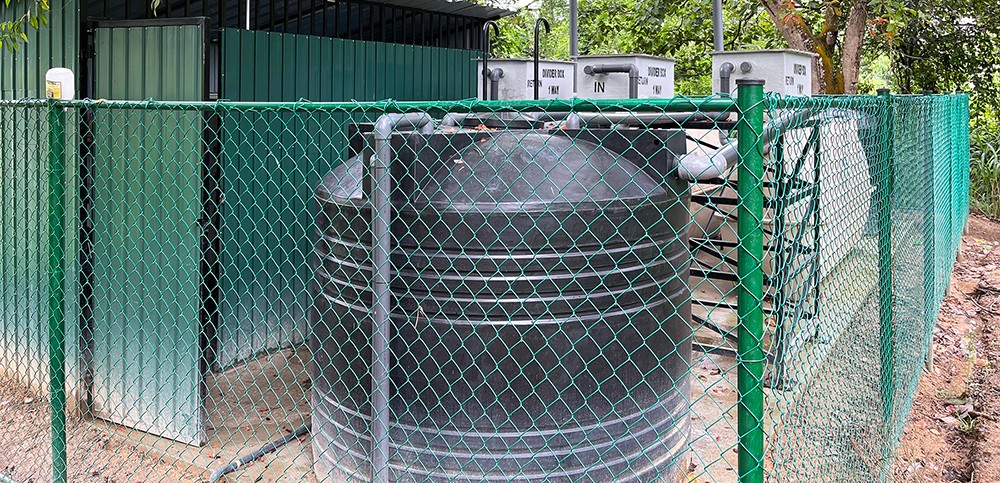
At SLIIT, the systems were tested through multiple phases reflecting changes in inflow and water quality. Results were promising: Biochemical Oxygen Demand (BOD) dropped by 85%, Chemical Oxygen Demand (COD) by over 80%, and Total Suspended Solids (TSS) by more than 85%, resulting in visibly cleaner effluent. Total Nitrogen (T-N) removal averaged 40–50 mg/L, highlighting strong nitrification and partial denitrification. The systems also maintained stable pH and dissolved oxygen levels while effectively controlling microbial contamination. Though phosphate removal was limited typical for biological systems this can be enhanced through hybrid treatments.
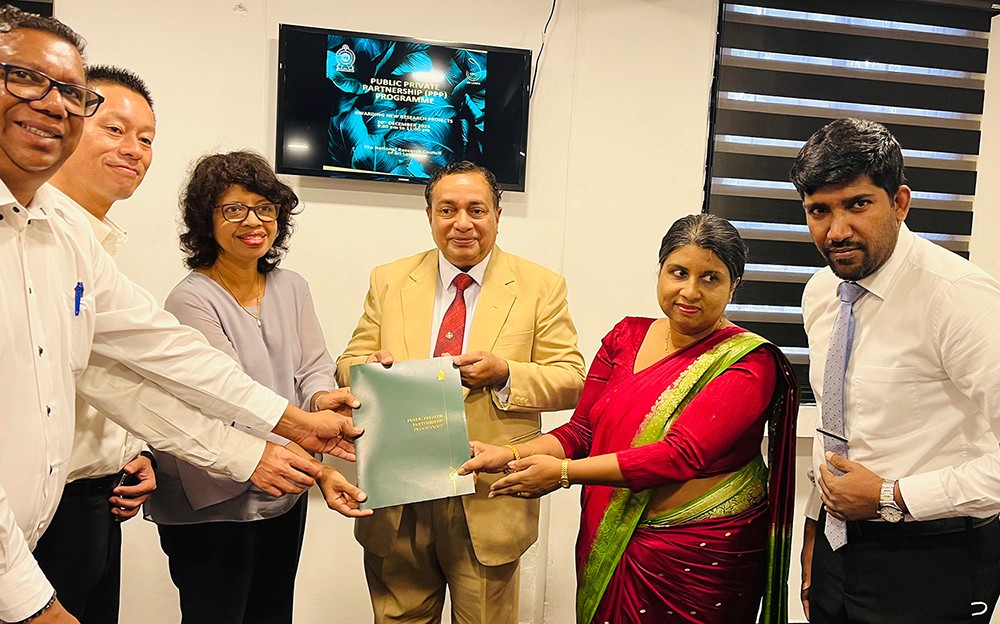
Building on these findings, SLIIT and Daiki Axis have secured a public-private partnership research grant from Sri Lanka’s National Science Foundation to enhance nutrient removal, aiming for water reuse in applications like flushing, cleaning, and irrigation.
Learning from Japan: A Blueprint for Success
Japan’s Johkasou technology emerged during the 1960s and 70s, a time of severe pollution due to rapid industrialization. In response, the government enacted the Johkasou Law in 1983, mandating decentralized wastewater treatment in areas lacking sewers. Coupled with subsidies and strict standards, the initiative led to widespread adoption.
The results were transformative. Heavily polluted rivers and lakes were gradually revived, biodiversity returned, and public health improved. Johkasou systems became integral to Japan’s environmental recovery.
Can Sri Lanka Follow Japan’s Path?
Today, many Sri Lankan peri-urban and rural areas lack centralized sewage systems. Untreated wastewater from homes and businesses continues to pollute rivers, canals, and coastal zones.
Introducing a legal framework akin to Japan’s Johkasou Law could mandate decentralized wastewater treatment in non sewered zones. This would drastically cut nutrient and pathogen loads, visibly improving water quality and reducing the spread of waterborne diseases. Furthermore, treated effluent could be reused for non-potable needs, easing pressure on freshwater resources.
Decentralized systems also offer resilience they function independently of extensive pipelines or central plants, making them suitable for flood prone and remote areas. They align well with climate adaptation and disaster-resilient infrastructure strategies.
Toward a Sustainable Future
Adopting Johkasou systems at scale can stimulate local economies by creating jobs in manufacturing, installation, and maintenance. It also presents a platform for environmental entrepreneurship and skills development.
The SLIIT Daiki Axis study confirms that Johkasou systems are not just technically sound, but also contextually suited to Sri Lanka. The path forward involves establishing regulatory standards, certifying products, training professionals, and scaling up through public-private partnerships.
With supportive policies and community engagement, Sri Lanka can take a sustainable leap toward cleaner waterways and circular water use transforming today’s challenges into tomorrow’s opportunities.
Related News
Belarusian State Medical University: A Trusted Pathway to Studying Medicine Abroad with ISC Education
For many Sri Lankan students, gaining entry to a local medical faculty remains highly competitive despite strong academic performance. As a result,…
Read More
Horizon College International Sports Excellence Awards 2024 – 2025
The Horizon College International (HCI) Sports Excellence Awards 2024 - 2025 wasceremonially held on 27 th February 2026 at the NIIBS Convention…
Read More
Study Smart, Succeed Strong: Why Sri Lankan Students Are Choosing Victoria University
For many Sri Lankan students, studying in Australia is more than an academic goal. it is a dream of global exposure, quality…
Read More
Study with New Zealand’ Roadshow Debuts in Sri Lanka, Strengthening Education Ties and Student Opportunities
Education New Zealand Manapou ki te Ao (ENZ) organised the first ever ‘Study with New Zealand’ Roadshow in Sri Lanka from 5…
Read More
School transport service fares to increase by 5%
The fares charged for transporting schoolchildren will be increased by 5% due to the increase in diesel prices, the All Island Schoolchildren…
Read MoreCourses
-

The future of higher education tech: why industry needs purpose-built solutions
For years, Institutions and education agencies have been forced to rely on a patchwork of horizontal SaaS solutions – general tools that… -

MBA in Project Management & Artificial Intelligence – Oxford College of Business
In an era defined by rapid technological change, organizations increasingly demand leaders who not only understand traditional project management, but can also… -

Scholarships for 2025 Postgraduate Diploma in Education for SLEAS and SLTES Officers
The Ministry of Education, Higher Education and Vocational Education has announced the granting of full scholarships for the one-year weekend Postgraduate Diploma… -
Shape Your Future with a BSc in Business Management (HRM) at Horizon Campus
Human Resource Management is more than a career. It’s about growing people, building organizational culture, and leading with purpose. Every impactful journey… -
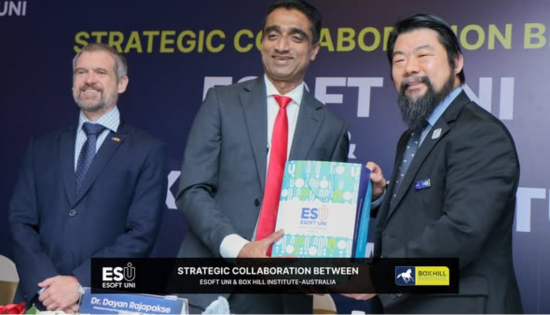
ESOFT UNI Signs MoU with Box Gill Institute, Australia
ESOFt UNI recently hosted a formal Memorandum of Understanding (MoU) signing ceremony with Box Hill Institute, Australia, signaling a significant step in… -

Ace Your University Interview in Sri Lanka: A Guide with Examples
Getting into a Sri Lankan sate or non-state university is not just about the scores. For some universities' programmes, your personality, communication… -
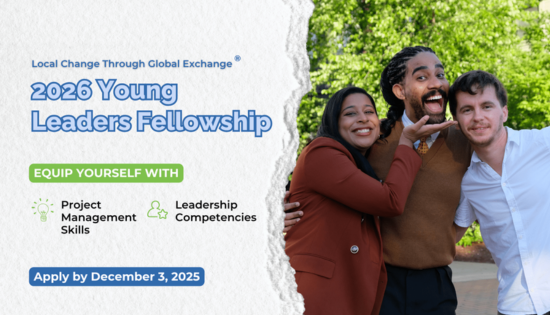
MCW Global Young Leaders Fellowship 2026
MCW Global (Miracle Corners of the World) runs a Young Leaders Fellowship, a year-long leadership program for young people (18–26) around the… -
Enhance Your Arabic Skills with the Intermediate Language Course at BCIS
BCIS invites learners to join its Intermediate Arabic Language Course this November and further develop both linguistic skills and cultural understanding. Designed… -

Achieve Your American Dream : NCHS Spring Intake Webinar
NCHS is paving the way for Sri Lankan students to achieve their American Dream. As Sri Lanka’s leading pathway provider to the… -
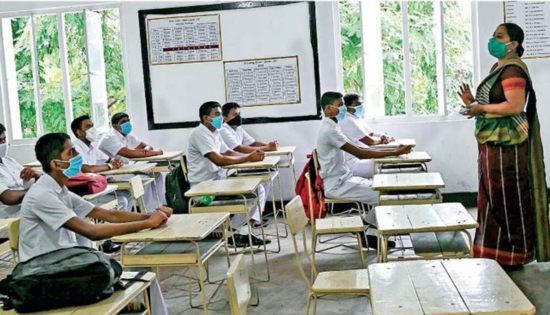
National Diploma in Teaching course : Notice
A Gazette notice has been released recently, concerning the enrollment of aspiring teachers into National Colleges of Education for the three-year pre-service… -
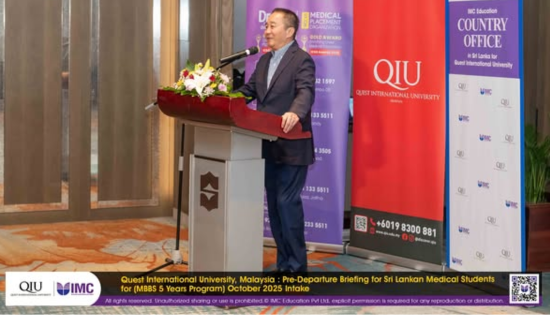
IMC Education Features Largest Student Recruitment for QIU’s October 2025 Intake
Quest International University (QIU), Malaysia recently hosted a pre-departure briefing and high tea at the Shangri-La Hotel in Colombo for its incoming… -

Global University Employability Ranking according to Times Higher Education
Attending college or university offers more than just career preparation, though selecting the right school and program can significantly enhance your job… -

Diploma in Occupational Safety & Health (DOSH) – CIPM
The Chartered Institute of Personnel Management (CIPM) is proud to announce the launch of its Diploma in Occupational Safety & Health (DOSH),… -
Small Grant Scheme for Australia Awards Alumni Sri Lanka
Australia Awards alumni are warmly invited to apply for a grant up to AUD 5,000 to support an innovative project that aim… -
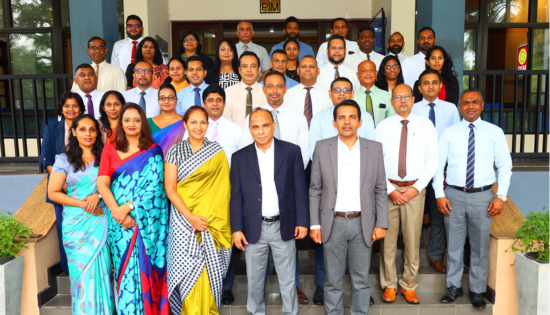
PIM Launches Special Programme for Newly Promoted SriLankan Airlines Managers
The Postgraduate Institute of Management (PIM) has launched a dedicated Newly Promoted Manager Programme designed to strengthen the leadership and management capabilities…
Newswire
-

Airlines hike ticket prices as fuel costs soar
ON: March 13, 2026 -
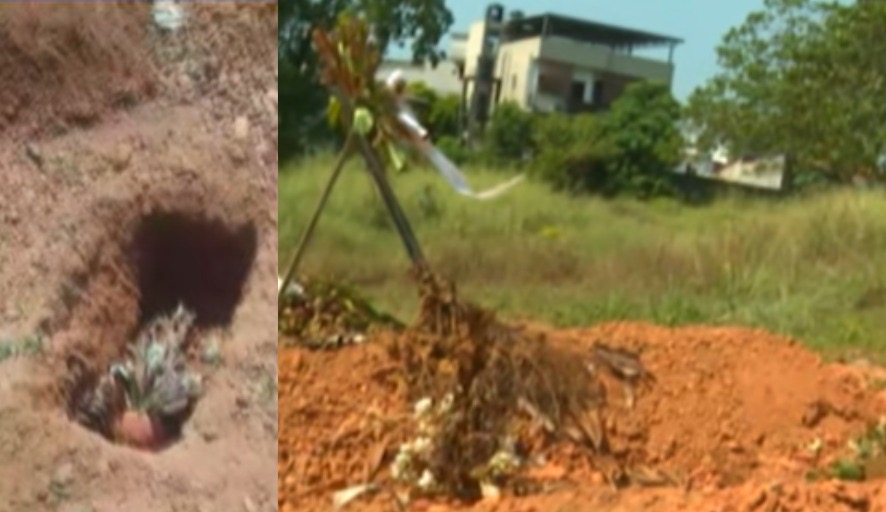
Police probe attempt to dig up infant’s grave in Homagama
ON: March 13, 2026 -
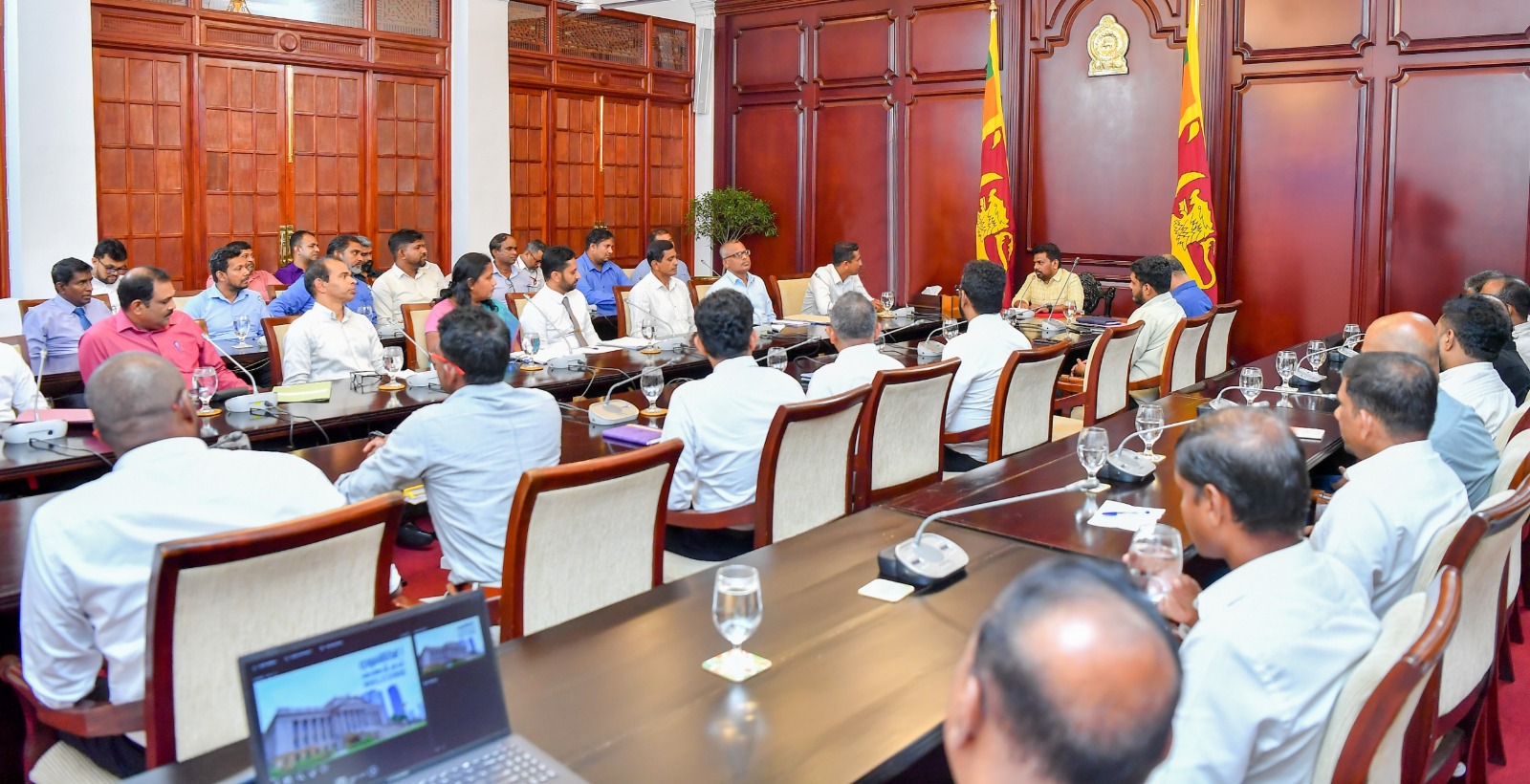
President meets CEB unions, assures employee rights will be protected
ON: March 13, 2026 -

Dunith Wellalage set to join PSL side Lahore Qalandars
ON: March 13, 2026