




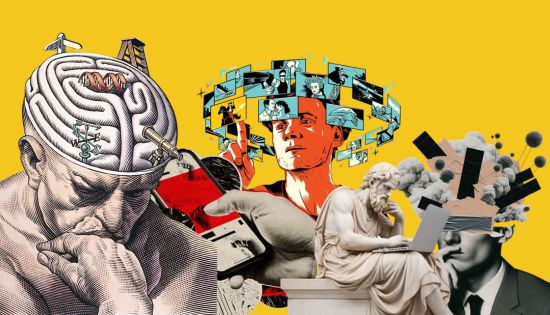
Rewiring the Brain : Neuroplasticity Superpowers
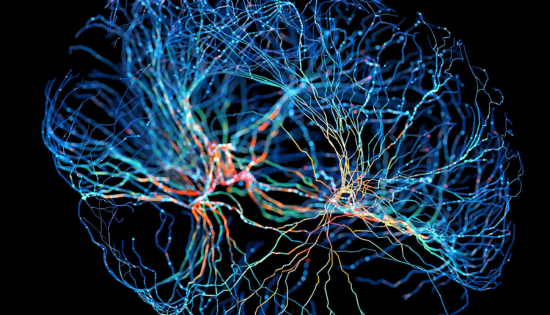
What is Neuroplasticity?
Neuroplasticity, also known as neural plasticity or brain plasticity, involves the brain’s nervous system changing its functional and structural activities in response to intrinsic and extrinsic stimuli. It is widely known for its ability to reorganize the processes of the brain after it’s exposed to injuries or trauma.
Earlier, people assumed that human brain is incapable of making changes in the nervous system by creating new cells, or forming new neural pathways, especially after you reach a certain age.
Yet, with studies done on how some patients with brain injuries or trauma recover gradually, scientists have proven that brain can indeed change its nervous tissues and form new neural connections which we now call, neuroplasticity.
There are two types of neuroplasticity : Functional and Structural Neuroplasticity.
Functional Neuroplasticity :
The brain can be flexible enough to change the functions of neurons to cater to different environments, experiences, or injuries. It can basically reroute functions of the brain.
Structural Neuroplasticity :
This happens when neuroplasticity alters brain cells’ physical structures to learn new skills, habits or internalize certain practices. This allows brain changes, brain development, and reorganization.
Why so Important?
Neuroplasticity is the real hero behind your capabilities to grow through experience, opportunities and even weaknesses and develop new skills.
Have you ever wondered why you wake up at 6 AM on the weekends even when you don’t have work or why you crave something sweet after every meal?
Also, there might be instances where you often think to yourself—”Why can’t I change?“
Well, here’s where it gets interesting!
Neuroplasticity can create long-term habits when the nervous system is exposed to repetitive stimuli. This means, in simple terms, the habits, behaviors and thoughts you now have are the results of years of your actions and reactions to frequently encountered experiences that led neuroplasticity to fossilize them as permanent and unchangeable in the brain.
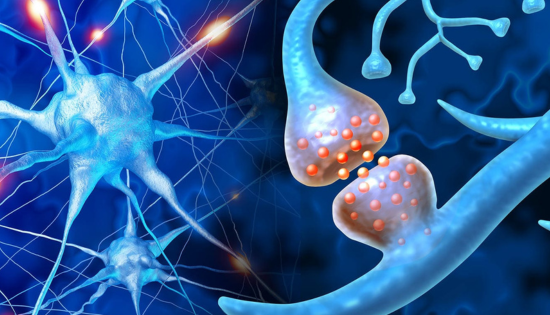
This is why you wake up at 6 AM on the weekends because when you wake up at 6 in the morning to go to work every weekday, neuroplasticity manipulates your brain cells to wake you up everyday at 6 AM. It doesn’t matter if you go to work or not.
So, if you crave something sweet and it is out of your control, you might have been eating sweets after every meal for a long time.
What’s in It for Me?
Neuroplasticity not only helps us recover brain damages, injuries or trauma. It also allows us to change our negative behaviors, habits and thoughts and grow as individuals. While the former is mostly done with the help of doctors, the latter is entirely in our hands.
This process of manipulating neuroplasticity so that it can manipulate your brain cells to get rid of your bad habits and replace them with better ones is called “rewiring“.
So, if you want to change your habits, what you should first do is understand why some habits have become internalized in you and then you can start making changes from that point onwards.
You should really convince your brain that you need change!
In order to convince it, you need to follow a routine everyday—just like how, for years, you have been consistently engaging in one bad habit that you can’t seem to get rid of no matter how much you try.
Neuroplasticity does not care about what your motives are. It only takes action when you frequently practice what you want.
Just like this, neuroplasticity can help you make whatever the changes you want to do in your body.
Use your neuroplasticity to may be,
- Learn a new language,
- Practice singing or dancing,
- Engage in physical activities and exercises,
- Maintain a healthy diet,
- or even try some interesting, game changing practices like learning to use your non-dominant hand because it can strengthen engagement in both sides of your brain.
Neuroplasticity can change your life and make your dreams a reality. It can heal your body and direct you toward growth.
But, one thing you should keep in mind is that it’s always up to you to make all these wonders you want to happen in your body possible.
So, you are not stuck—the brain is waiting for your instructions!
Related News
SLTC Students Win First Place for Most Innovative Process-Institutional category at ProFood ProPack AgBiz International Exhibition 2025
Sri Lanka Technology Campus (SLTC) proudly announces that its students have won First Place in the ‘Most Innovative Process-Institutional category’ at the…
Read More
G.C.E. A/L examination results : New Update
The 2025 G.C.E. Advanced Level (A/L) examination results will be released before the upcoming Sinhala and Tamil New Year, Commissioner General of…
Read More
Gateway College Dominates TISSL Netball Championships, Crowned Double Champions on Women’s Day Weekend
Under 18 Champions The Under 18 and Under 16 TISSL Netball Tournaments, organised by Colombo International School, were held on 7 and…
Read More
School events should not burden parents : PM
Prime Minister Harini Amarasuriya says school events should be organized in a manner that does not place a financial burden on parents. …
Read More
Belarusian State Medical University: A Trusted Pathway to Studying Medicine Abroad with ISC Education
For many Sri Lankan students, gaining entry to a local medical faculty remains highly competitive despite strong academic performance. As a result,…
Read MoreCourses
-
The future of higher education tech: why industry needs purpose-built solutions
For years, Institutions and education agencies have been forced to rely on a patchwork of horizontal SaaS solutions – general tools that… -

MBA in Project Management & Artificial Intelligence – Oxford College of Business
In an era defined by rapid technological change, organizations increasingly demand leaders who not only understand traditional project management, but can also… -

Scholarships for 2025 Postgraduate Diploma in Education for SLEAS and SLTES Officers
The Ministry of Education, Higher Education and Vocational Education has announced the granting of full scholarships for the one-year weekend Postgraduate Diploma… -
Shape Your Future with a BSc in Business Management (HRM) at Horizon Campus
Human Resource Management is more than a career. It’s about growing people, building organizational culture, and leading with purpose. Every impactful journey… -
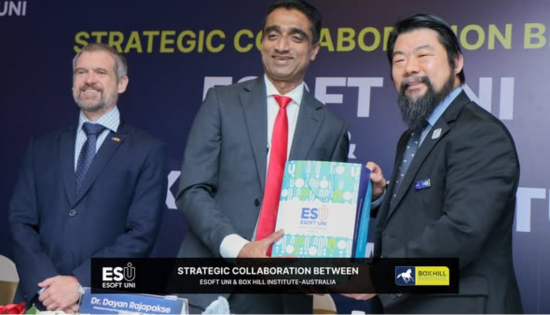
ESOFT UNI Signs MoU with Box Gill Institute, Australia
ESOFt UNI recently hosted a formal Memorandum of Understanding (MoU) signing ceremony with Box Hill Institute, Australia, signaling a significant step in… -

Ace Your University Interview in Sri Lanka: A Guide with Examples
Getting into a Sri Lankan sate or non-state university is not just about the scores. For some universities' programmes, your personality, communication… -
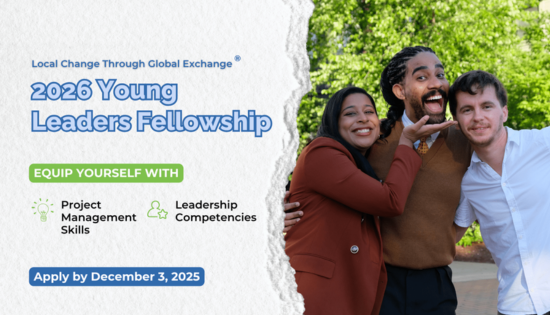
MCW Global Young Leaders Fellowship 2026
MCW Global (Miracle Corners of the World) runs a Young Leaders Fellowship, a year-long leadership program for young people (18–26) around the… -
Enhance Your Arabic Skills with the Intermediate Language Course at BCIS
BCIS invites learners to join its Intermediate Arabic Language Course this November and further develop both linguistic skills and cultural understanding. Designed… -

Achieve Your American Dream : NCHS Spring Intake Webinar
NCHS is paving the way for Sri Lankan students to achieve their American Dream. As Sri Lanka’s leading pathway provider to the… -
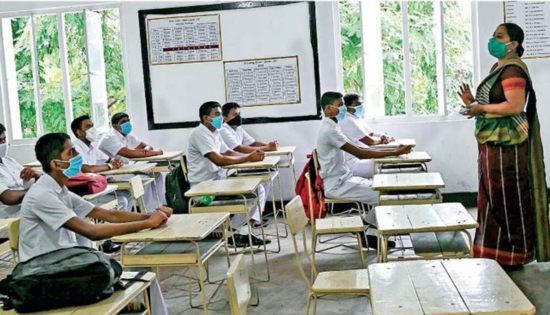
National Diploma in Teaching course : Notice
A Gazette notice has been released recently, concerning the enrollment of aspiring teachers into National Colleges of Education for the three-year pre-service… -
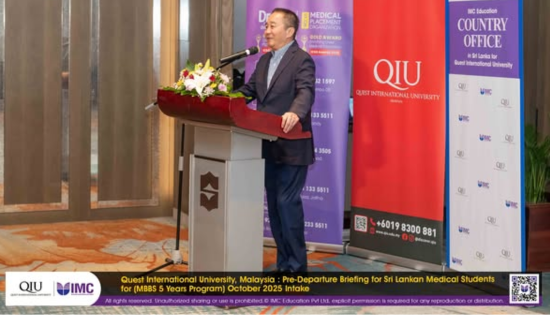
IMC Education Features Largest Student Recruitment for QIU’s October 2025 Intake
Quest International University (QIU), Malaysia recently hosted a pre-departure briefing and high tea at the Shangri-La Hotel in Colombo for its incoming… -

Global University Employability Ranking according to Times Higher Education
Attending college or university offers more than just career preparation, though selecting the right school and program can significantly enhance your job… -

Diploma in Occupational Safety & Health (DOSH) – CIPM
The Chartered Institute of Personnel Management (CIPM) is proud to announce the launch of its Diploma in Occupational Safety & Health (DOSH),… -
Small Grant Scheme for Australia Awards Alumni Sri Lanka
Australia Awards alumni are warmly invited to apply for a grant up to AUD 5,000 to support an innovative project that aim… -
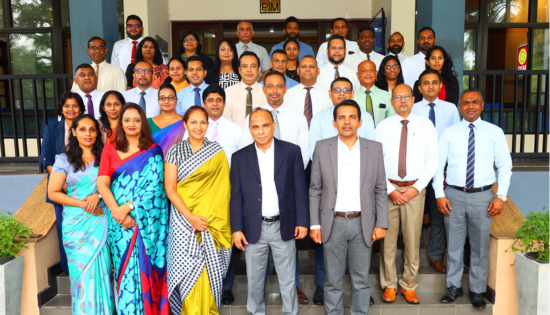
PIM Launches Special Programme for Newly Promoted SriLankan Airlines Managers
The Postgraduate Institute of Management (PIM) has launched a dedicated Newly Promoted Manager Programme designed to strengthen the leadership and management capabilities…
Newswire
-

Middle East escalation: 9 key developments as strikes spread across region
ON: March 19, 2026 -

Diesel prices could rise to Rs. 550–600 per litre: Dayasiri
ON: March 18, 2026 -

President AKD speaks to Qatar Amir
ON: March 18, 2026 -

India arrests six Ukrainians, one American over drone terror links
ON: March 18, 2026