


Read • Watch • Learn
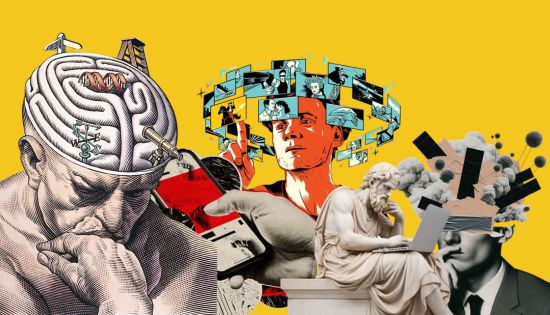
Stories often teach us more than textbooks ever could. This EduWire series explores books, films and series as spaces of learning – unpacking the ideas, questions, and life lessons they offer beyond entertainment. Because some of the most lasting education happens through the stories we read and watch.

Fear, Power, and Sandworms: Why Should We Read Dune by Frank Herbert
At first glance, Dune might look like “just” a sci-fi story, full of desert planets, giant sandworms, and epic battles. But once you start reading, you realize it is something much bigger. Dune is an adventure that teaches us how to face fear, think for ourselves, and understand the consequences of power.
And yes, there are still very cool sandworms.
In a Nutshell
The story follows Paul Atreides, a teenager whose life changes overnight when his family is sent to rule Arrakis, the most dangerous planet in the universe. Arrakis is hot, dry, and home to the most valuable substance in existence, spice.
As enemies close in and secrets unfold, Paul must survive the desert, earn the trust of the Fremen people, and figure out who he really is, while the universe begins to expect him to become something more than human.
What Stays With Us
Fear does not control you, unless you let it
One of the most famous lines in Dune is repeated like a mantra, and for good reason:
“I must not fear. Fear is the mind-killer. Fear is the little-death that brings total obliteration. I will face my fear. I will permit it to pass over me and through me. And when it has gone past I will turn the inner eye to see its path. Where the fear has gone there will be nothing. Only I will remain.”
— Frank Herbert, Dune
For young readers, this hits hard. Paul is not fearless. He is brave because he feels fear and keeps going anyway. It is a powerful reminder that fear before an exam, a competition, or a big life change does not mean failure. It means growth.
Heroes do not always have easy answers
Unlike many adventure stories, Dune does not promise that being “the chosen one” is a good thing. Paul learns that leadership comes with heavy consequences, and that being admired can be dangerous.
The book encourages readers to ask smart questions. Should we always follow leaders? What happens when power goes unchecked?
The planet matters
Arrakis teaches one big lesson. If you do not respect your environment, it will not forgive you. Water is precious. Waste is deadly. Survival depends on understanding nature, not conquering it.
Long before climate change became a global topic, Dune was already asking young minds to care about the planet they live on.
Thinking for yourself is a superpower
Throughout the story, characters try to manipulate beliefs, fears, and traditions. Dune quietly trains readers to spot these tricks and think critically, an essential skill in today’s world of fast opinions and louder voices.
Why Dune Still Feels Cool Today
Despite being written decades ago, Dune feels surprisingly modern. Its ideas connect easily to conversations about leadership, environmental responsibility, mental strength, and identity. It is a book that grows with you. What you understand at 13 will feel different at 18, and different again as an adult.
That is the magic.
Book Details
Author – Frank Herbert
Genre – Science Fiction / Adventure
First Published – 1965
Best For – Curious readers who enjoy action, big ideas, and stories that challenge how we think
Related News
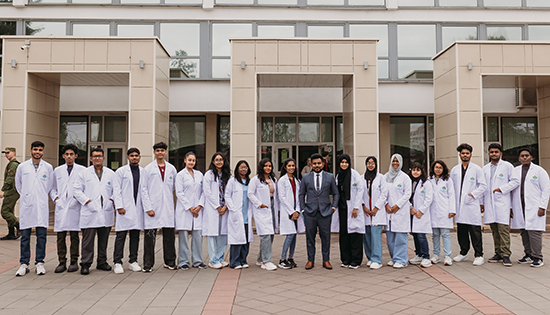
Belarusian State Medical University: A Trusted Pathway to Studying Medicine Abroad with ISC Education
For many Sri Lankan students, gaining entry to a local medical faculty remains highly competitive despite strong academic performance. As a result,…
Read More
Horizon College International Sports Excellence Awards 2024 – 2025
The Horizon College International (HCI) Sports Excellence Awards 2024 - 2025 wasceremonially held on 27 th February 2026 at the NIIBS Convention…
Read More
Study Smart, Succeed Strong: Why Sri Lankan Students Are Choosing Victoria University
For many Sri Lankan students, studying in Australia is more than an academic goal. it is a dream of global exposure, quality…
Read More
Study with New Zealand’ Roadshow Debuts in Sri Lanka, Strengthening Education Ties and Student Opportunities
Education New Zealand Manapou ki te Ao (ENZ) organised the first ever ‘Study with New Zealand’ Roadshow in Sri Lanka from 5…
Read More
School transport service fares to increase by 5%
The fares charged for transporting schoolchildren will be increased by 5% due to the increase in diesel prices, the All Island Schoolchildren…
Read MoreCourses
-

The future of higher education tech: why industry needs purpose-built solutions
For years, Institutions and education agencies have been forced to rely on a patchwork of horizontal SaaS solutions – general tools that… -

MBA in Project Management & Artificial Intelligence – Oxford College of Business
In an era defined by rapid technological change, organizations increasingly demand leaders who not only understand traditional project management, but can also… -

Scholarships for 2025 Postgraduate Diploma in Education for SLEAS and SLTES Officers
The Ministry of Education, Higher Education and Vocational Education has announced the granting of full scholarships for the one-year weekend Postgraduate Diploma… -

Shape Your Future with a BSc in Business Management (HRM) at Horizon Campus
Human Resource Management is more than a career. It’s about growing people, building organizational culture, and leading with purpose. Every impactful journey… -
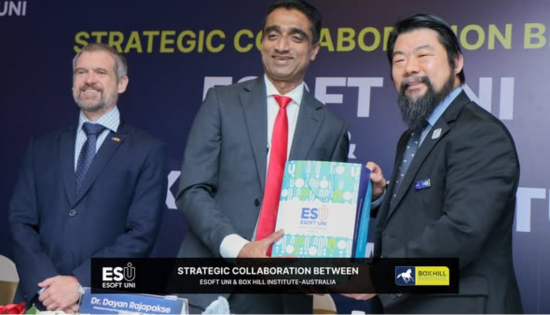
ESOFT UNI Signs MoU with Box Gill Institute, Australia
ESOFt UNI recently hosted a formal Memorandum of Understanding (MoU) signing ceremony with Box Hill Institute, Australia, signaling a significant step in… -

Ace Your University Interview in Sri Lanka: A Guide with Examples
Getting into a Sri Lankan sate or non-state university is not just about the scores. For some universities' programmes, your personality, communication… -

MCW Global Young Leaders Fellowship 2026
MCW Global (Miracle Corners of the World) runs a Young Leaders Fellowship, a year-long leadership program for young people (18–26) around the… -
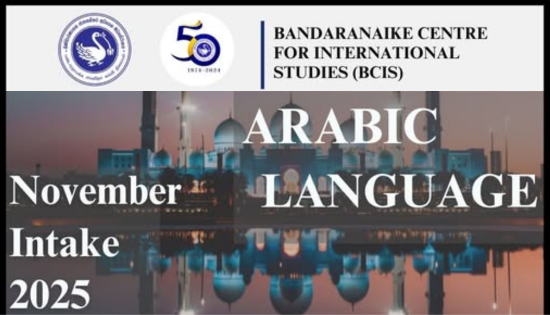
Enhance Your Arabic Skills with the Intermediate Language Course at BCIS
BCIS invites learners to join its Intermediate Arabic Language Course this November and further develop both linguistic skills and cultural understanding. Designed… -

Achieve Your American Dream : NCHS Spring Intake Webinar
NCHS is paving the way for Sri Lankan students to achieve their American Dream. As Sri Lanka’s leading pathway provider to the… -
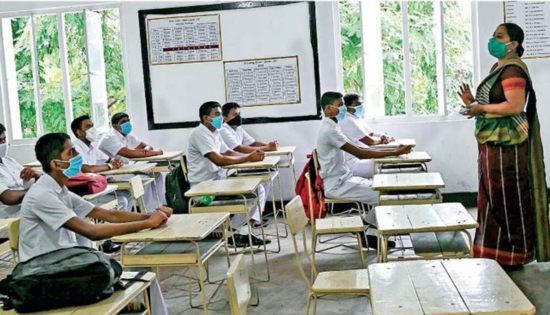
National Diploma in Teaching course : Notice
A Gazette notice has been released recently, concerning the enrollment of aspiring teachers into National Colleges of Education for the three-year pre-service… -
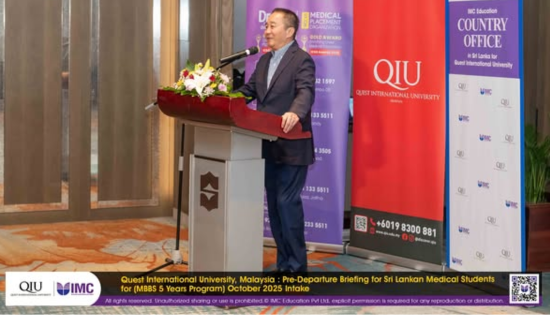
IMC Education Features Largest Student Recruitment for QIU’s October 2025 Intake
Quest International University (QIU), Malaysia recently hosted a pre-departure briefing and high tea at the Shangri-La Hotel in Colombo for its incoming… -

Global University Employability Ranking according to Times Higher Education
Attending college or university offers more than just career preparation, though selecting the right school and program can significantly enhance your job… -

Diploma in Occupational Safety & Health (DOSH) – CIPM
The Chartered Institute of Personnel Management (CIPM) is proud to announce the launch of its Diploma in Occupational Safety & Health (DOSH),… -
Small Grant Scheme for Australia Awards Alumni Sri Lanka
Australia Awards alumni are warmly invited to apply for a grant up to AUD 5,000 to support an innovative project that aim… -
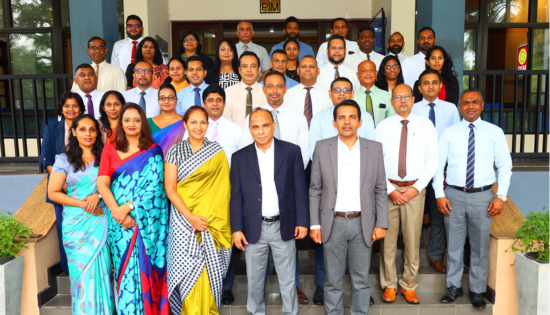
PIM Launches Special Programme for Newly Promoted SriLankan Airlines Managers
The Postgraduate Institute of Management (PIM) has launched a dedicated Newly Promoted Manager Programme designed to strengthen the leadership and management capabilities…
Newswire
-
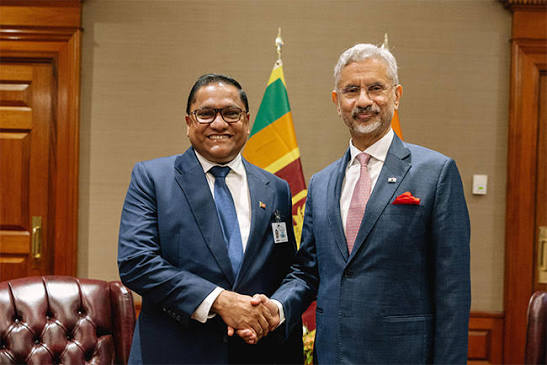
Sri Lanka says India responds positively to fuel supply request
ON: March 12, 2026 -

Honda posts first annual loss since 1950s, warns of $15.7 billion EV hit
ON: March 12, 2026 -
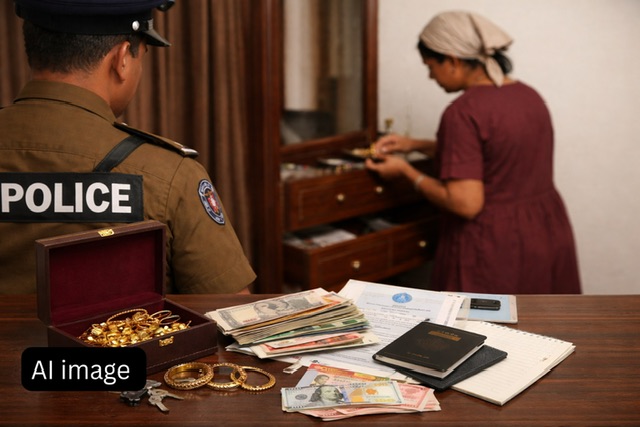
Police warn public to verify domestic workers amid rising theft complaints
ON: March 12, 2026 -
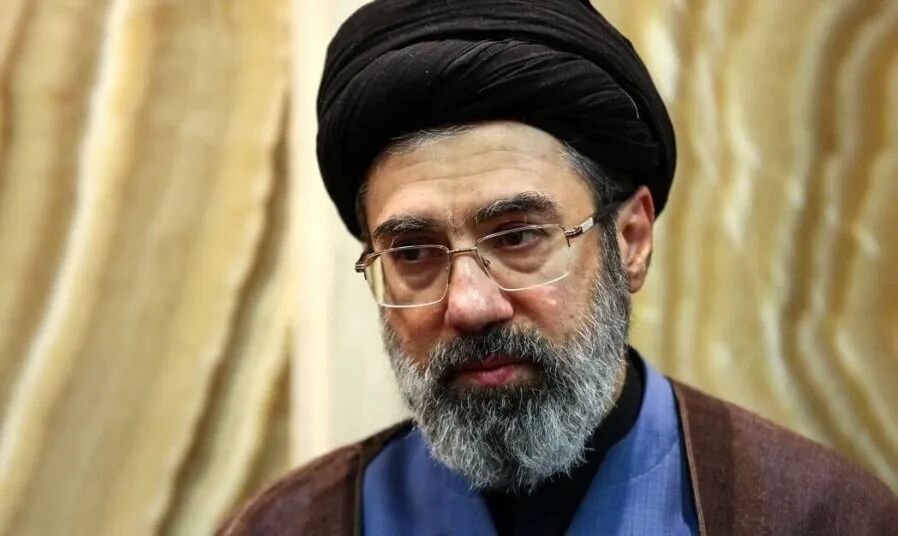
Iran’s new supreme leader warns US bases in Gulf in first address
ON: March 12, 2026