


New AI Model Promises to Speed Up Rare Disease Diagnosis

Image: Jian Fan/Getty Images
Researchers at Harvard Medical School have developed a cutting-edge artificial intelligence model called “popEVE” to accurately diagnose rare, single-variant genetic diseases.
How popEVE Works
PopEVE analyzes a person’s genome and assigns each variant a score that reflects its likelihood of causing disease. By comparing variant effects across all genes and integrating deep evolutionary and human population data, the model helps clinicians pinpoint the most clinically meaningful genomic alterations.
In early tests, popEVE was able to:
- Differentiate pathogenic (disease‑causing) variants from benign ones
- Predict whether a variant could lead to early death or lifelong disease
- Diagnose previously undiagnosed rare genetic disorders in patient datasets
These capabilities could greatly shorten diagnostic timelines for rare, single‑variant genetic diseases and improve the odds of early intervention.
While popEVE still requires further validation before widespread clinical use, its developers are actively working to make it available to clinicians and researchers. They believe it could become a valuable tool in genetic diagnostics and even aid in identifying new targets for treatment.
Harvard Medical School’s work reflects broader efforts to harness AI for improved medical diagnosis and precision medicine. As gene sequencing becomes more routine in clinical settings, models like popEVE may help translate vast genomic data into actionable answers for patients with rare conditions.
Related News
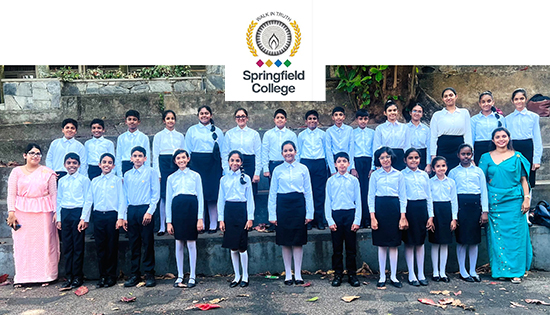
Springfield College, Kandy, Wins All-Island Western Music and Dance Championship
Front Row ( Left to Right ): Helika Weerasinghe, Adeepa Perera, Sineru Gallassage, Sethuni Kodippili, Vinara Godagama, AnukiIndrajith, Omindu Bandara, Leena Rizman,…
Read More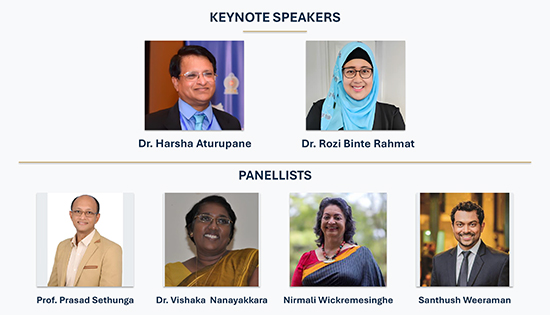
Gateway Graduate School Research Symposium 2026 to Bring Together Researchers, Educators and Young Innovators
Gateway Graduate School is set to host its Research Symposium 2026 on Saturday, 31 October 2026, at the Bandaranaike Memorial International Conference…
Read More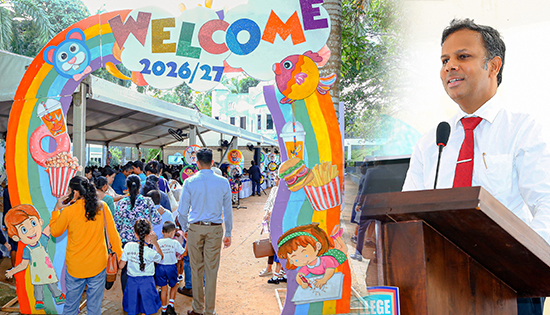
A Warm Welcome to a New Beginning: Horizon College International Welcomes New Students and Parents
Horizon College International (HCI) commenced the 2026/27 Academic Year with a warm and memorable welcome to its newest members of the Horizon…
Read More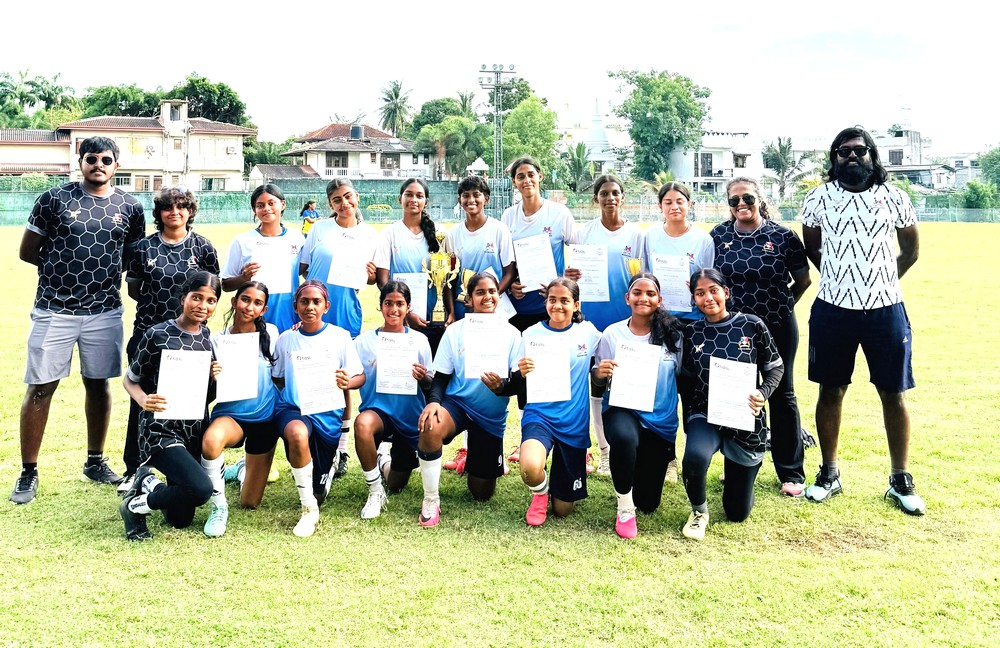
Gateway Girls Triumph in Football
Under 18 Champions: Standing Order Left to Right – Mr Rafaah Suhail (Coach), Ms Sahani Fernando (Coach), Brianna Perera, Tasneem Malik, KenuliAbeygunawardhane…
Read More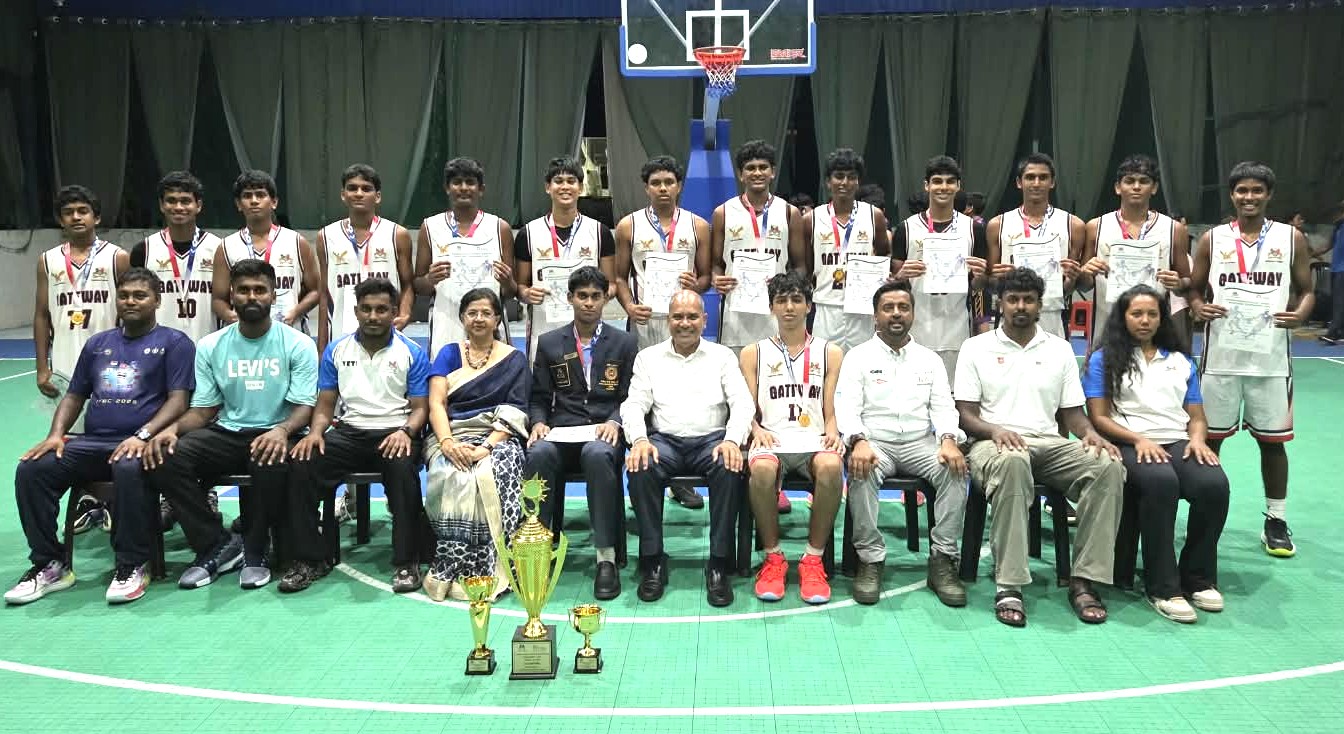
Gateway College Crowned TISSL Under-19 Basketball Champions for Fifth Consecutive Year
Back Row (left to right):DhanukaWijegoonaratne, Tevan Sela, Jonathan Herath, Mikyle Reza, Akain Vitanachy, Samuel Tsung, Thinuk Attanayaka, NavinduWaduwavala, Julan Senmitha, Jithein Kulatunga,…
Read MoreCourses
-

The future of higher education tech: why industry needs purpose-built solutions
For years, Institutions and education agencies have been forced to rely on a patchwork of horizontal SaaS solutions – general tools that… -

MBA in Project Management & Artificial Intelligence – Oxford College of Business
In an era defined by rapid technological change, organizations increasingly demand leaders who not only understand traditional project management, but can also… -

Scholarships for 2025 Postgraduate Diploma in Education for SLEAS and SLTES Officers
The Ministry of Education, Higher Education and Vocational Education has announced the granting of full scholarships for the one-year weekend Postgraduate Diploma… -
Shape Your Future with a BSc in Business Management (HRM) at Horizon Campus
Human Resource Management is more than a career. It’s about growing people, building organizational culture, and leading with purpose. Every impactful journey… -
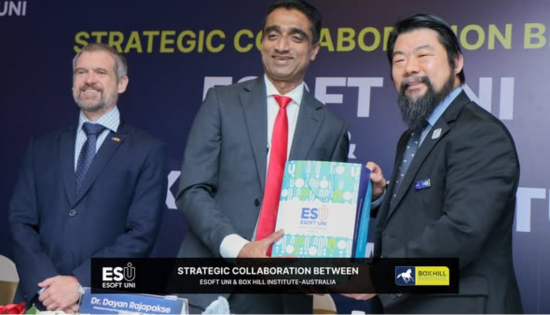
ESOFT UNI Signs MoU with Box Gill Institute, Australia
ESOFt UNI recently hosted a formal Memorandum of Understanding (MoU) signing ceremony with Box Hill Institute, Australia, signaling a significant step in… -

Ace Your University Interview in Sri Lanka: A Guide with Examples
Getting into a Sri Lankan sate or non-state university is not just about the scores. For some universities' programmes, your personality, communication… -
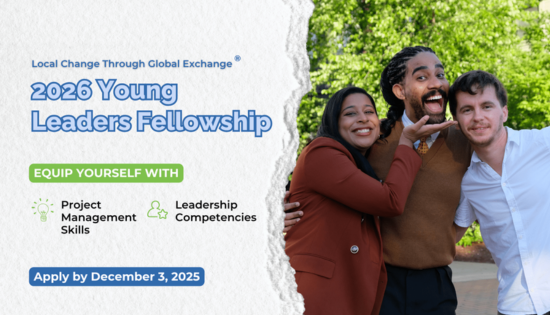
MCW Global Young Leaders Fellowship 2026
MCW Global (Miracle Corners of the World) runs a Young Leaders Fellowship, a year-long leadership program for young people (18–26) around the… -
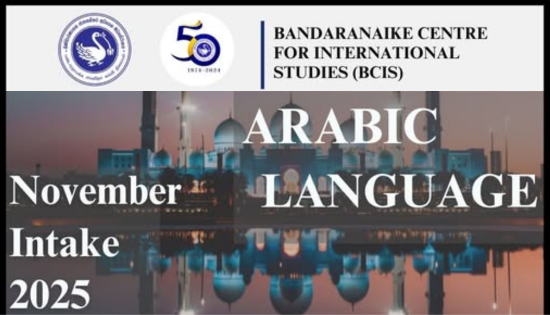
Enhance Your Arabic Skills with the Intermediate Language Course at BCIS
BCIS invites learners to join its Intermediate Arabic Language Course this November and further develop both linguistic skills and cultural understanding. Designed… -

Achieve Your American Dream : NCHS Spring Intake Webinar
NCHS is paving the way for Sri Lankan students to achieve their American Dream. As Sri Lanka’s leading pathway provider to the… -
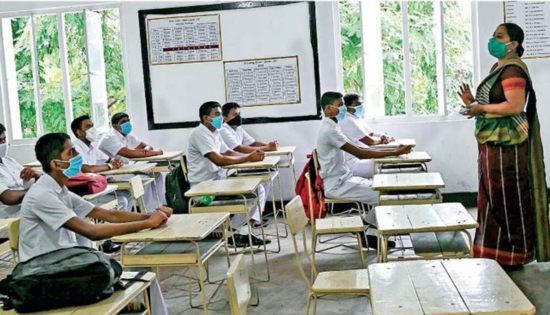
National Diploma in Teaching course : Notice
A Gazette notice has been released recently, concerning the enrollment of aspiring teachers into National Colleges of Education for the three-year pre-service… -
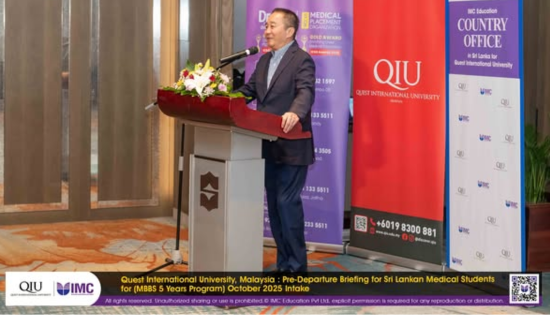
IMC Education Features Largest Student Recruitment for QIU’s October 2025 Intake
Quest International University (QIU), Malaysia recently hosted a pre-departure briefing and high tea at the Shangri-La Hotel in Colombo for its incoming… -

Global University Employability Ranking according to Times Higher Education
Attending college or university offers more than just career preparation, though selecting the right school and program can significantly enhance your job… -

Diploma in Occupational Safety & Health (DOSH) – CIPM
The Chartered Institute of Personnel Management (CIPM) is proud to announce the launch of its Diploma in Occupational Safety & Health (DOSH),… -
Small Grant Scheme for Australia Awards Alumni Sri Lanka
Australia Awards alumni are warmly invited to apply for a grant up to AUD 5,000 to support an innovative project that aim… -
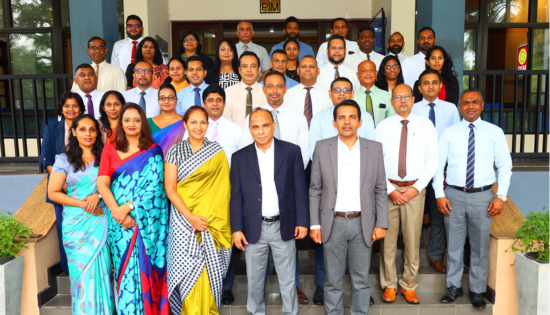
PIM Launches Special Programme for Newly Promoted SriLankan Airlines Managers
The Postgraduate Institute of Management (PIM) has launched a dedicated Newly Promoted Manager Programme designed to strengthen the leadership and management capabilities…
Newswire
-
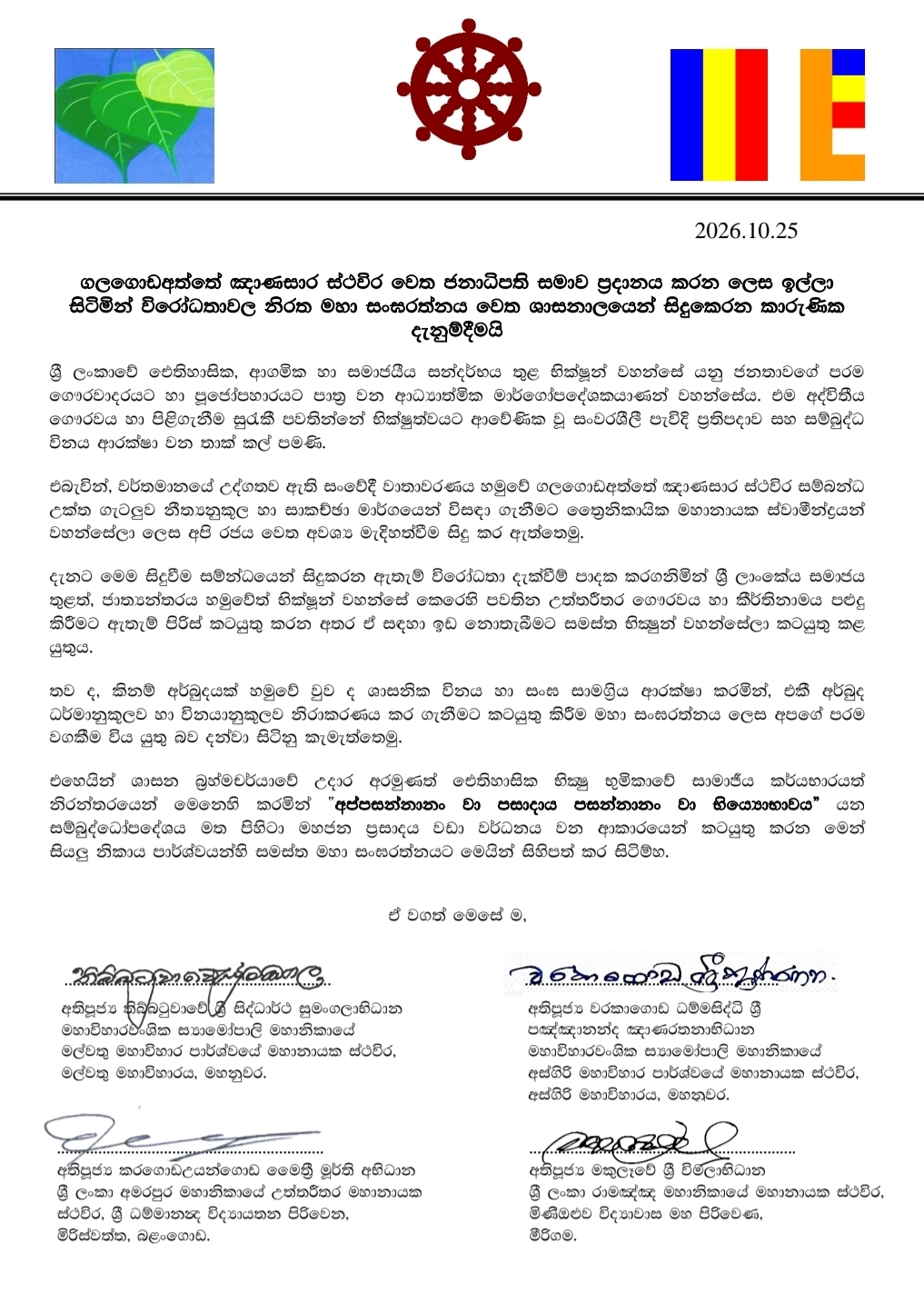
What did the Chief Prelates tell Buddhist monks in their joint letter?
ON: October 25, 2026 -
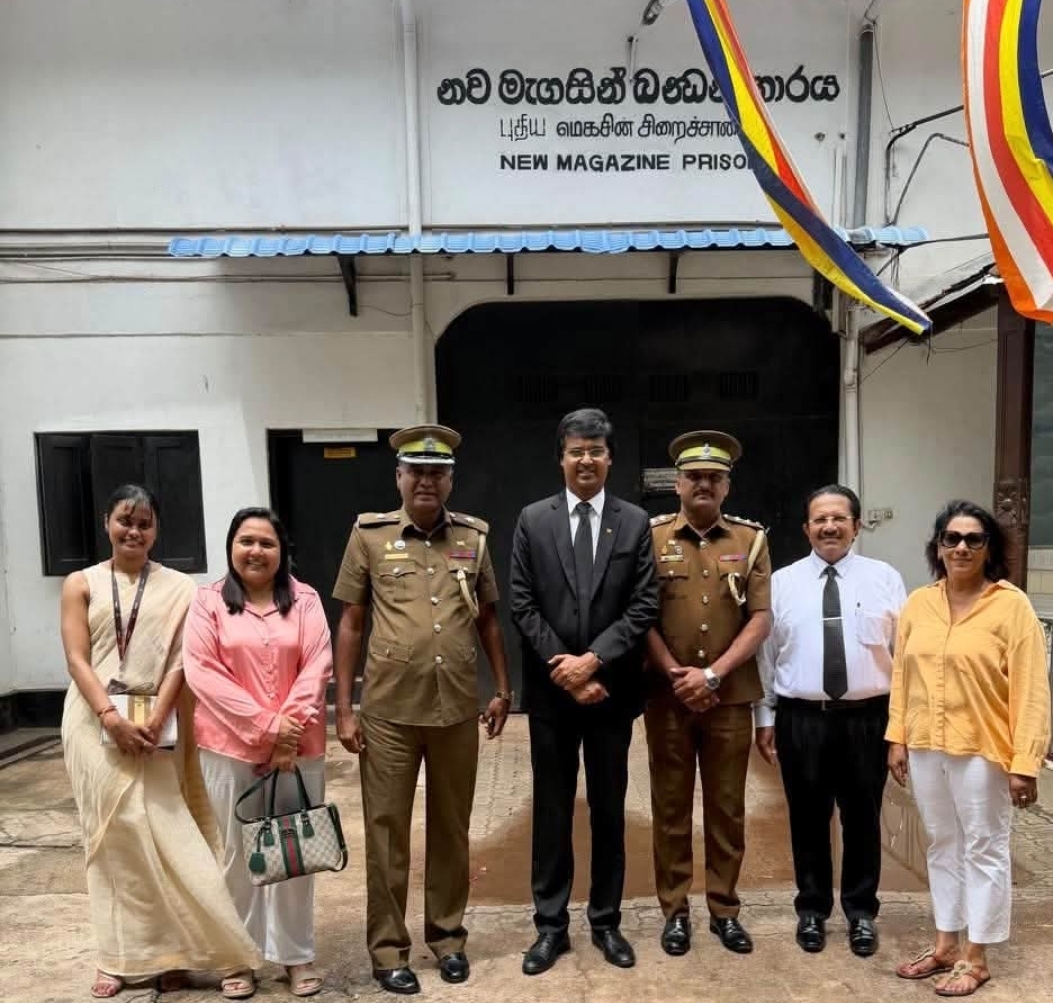
Prison visit leaves BASL President with troubling observations
ON: October 25, 2026 -
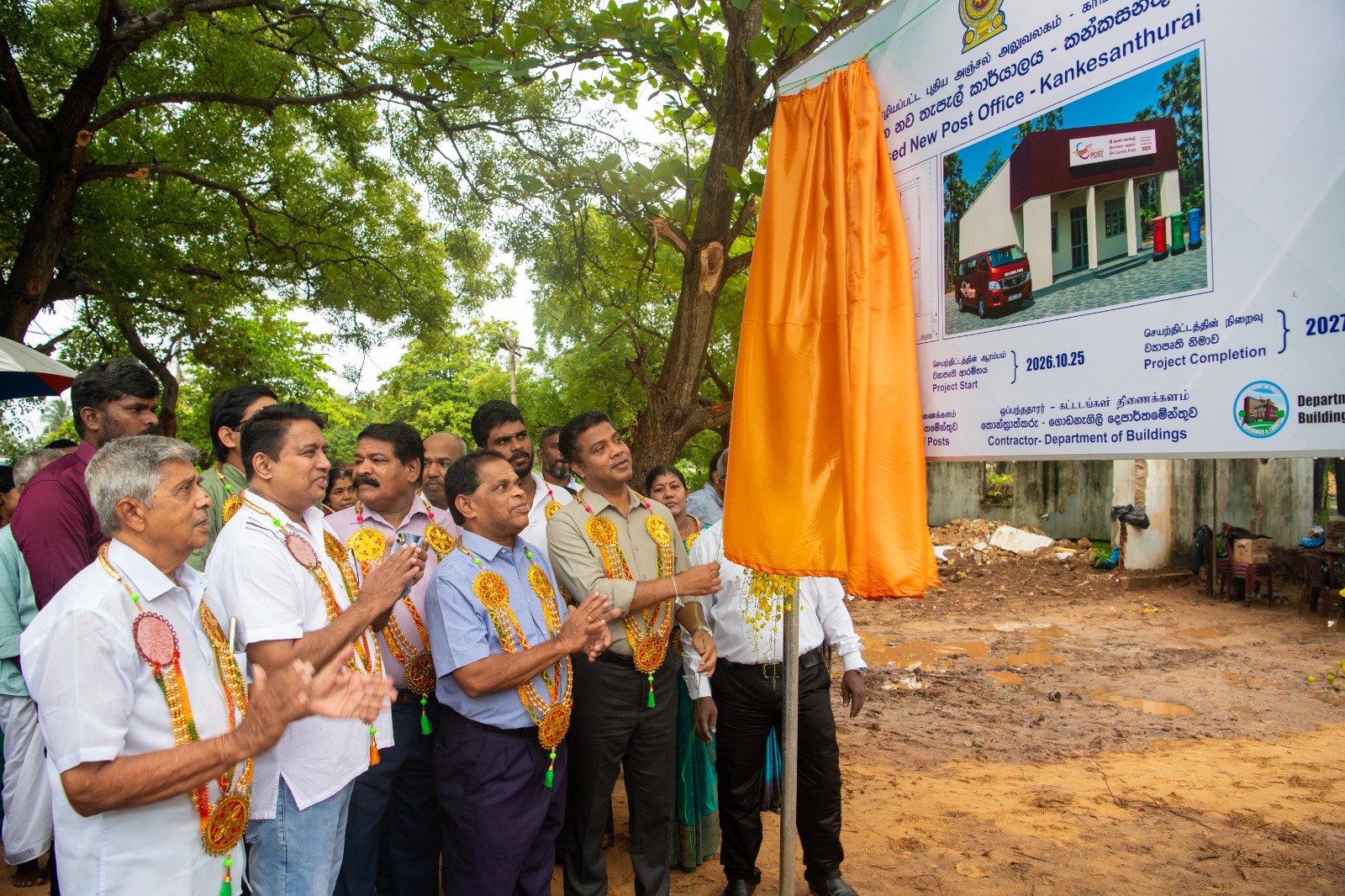
New post office building for Kankesanthurai after 36 years
ON: October 25, 2026