



From Different Eras to the Era of AI
It only took five to six decades for humanity to reach its current state. The transition from the industrial period to the period of Information took a fraction of the time it took to transition from the Stone Age to the Industrial Age, which took over a millennium. It’s clear that things are changing quickly and that transformations occur much more quickly than anticipated. Despite the difficulties that nature has presented, humanity has been able to keep its attention on improving what it has created. It demonstrates that although they are still unable to fully comprehend nature, they are improving in their ability to manage their own inventions.

It’s worthwhile to examine how they arrived at the current state of data, information, and communication technologies. 1950 – 1989 The invention of microchips and semiconductors enabled manual processes to be converted into digital technologies.
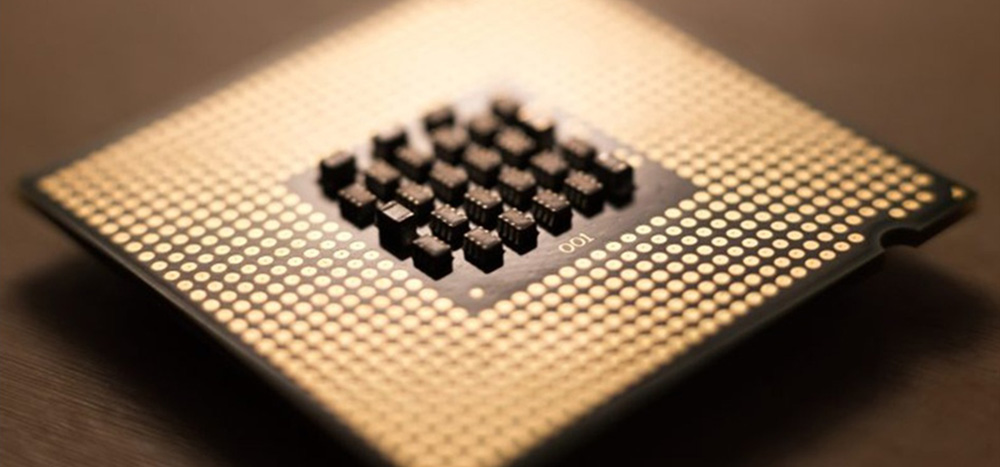
This started the first major Digital Transformation. Companies focused on shifting outdated processes to digital data. Worldwide, this created a need for business transformation and cultural change.
- 1958 The microchip and the semiconductor were invented
- 1965 Moore’s Law was defined – in 1965, Gordon Moore, a co-founder of Intel, observed that the number of transistors on a microchip was doubling approximately every year.
- 1975, he revised his prediction to a doubling every two years.
In addition to lowering processing costs, this trend has made it possible to create devices that are faster, more compact, and more potent.
In order to set goals for research and development, the semiconductor industry has relied on Moore’s Law as a guiding concept.
Even though the rate of miniaturisation is decreasing, Moore’s Law still plays a big role in how computing technology develops.

1990 – 2006 – The post-Internet era. It caused companies to rethink their customer interactions as the internet significantly changed how people interacted, searched, and bought.
- 1990 Internet becomes publicly available
- 1998 Google founded
- 2000 Half of US households have a personal computer
- 2004 Facebook founded
- 2005 Internet users reached 1 billion worldwide
2006 AWS created

2020 – 2022 – Pandemic Era–
- Because the internet drastically altered how people engaged, searched, and made purchases, it forced businesses to reconsider how they dealt with their customers.
As a result, business models changed, and organisations were compelled to move their digital transformation projects from the boardroom to the front lines with greater urgency. Many businesses needed this acceleration as a catalyst to improve the client experience.Global Pandemic of 2020
2022 Digital Transformation spending at $1.6 trillion
2022 to Present– Generative AI era–
Generative Artificial Intelligence or Gen AI. The pandemic accelerated digital innovations as companies were forced to rethink how they served their customers in a non-contact and remote world.
New technologies and advances in AI and machine learning are playing a huge and critical role in digital transformation initiatives.
While the history of AI warrants its own timeline, advances in machine learning and tools like ChatGPT, DeepSeek, Dalle-E, Mid-Journey, Jasper AI etcare clearly going to drive even more change in the way we work, interact, and live.
Are we ready? Or are we still procrastinating?
Denzil Perera — CEO, Deyo Strategy and Brand Consultancy
MBA – PIM (Merit), B.Sc. (Marketing Special) Hons, CIM-UK, MSLIM
Official Representative of Kotler in Sri Lanka and the Maldives
www.deyo.lk
0094777763717
Related News
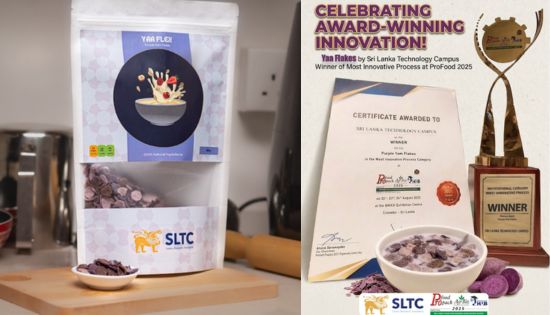
SLTC Students Win First Place for Most Innovative Process-Institutional category at ProFood ProPack AgBiz International Exhibition 2025
Sri Lanka Technology Campus (SLTC) proudly announces that its students have won First Place in the ‘Most Innovative Process-Institutional category’ at the…
Read More
G.C.E. A/L examination results : New Update
The 2025 G.C.E. Advanced Level (A/L) examination results will be released before the upcoming Sinhala and Tamil New Year, Commissioner General of…
Read More
Gateway College Dominates TISSL Netball Championships, Crowned Double Champions on Women’s Day Weekend
Under 18 Champions The Under 18 and Under 16 TISSL Netball Tournaments, organised by Colombo International School, were held on 7 and…
Read More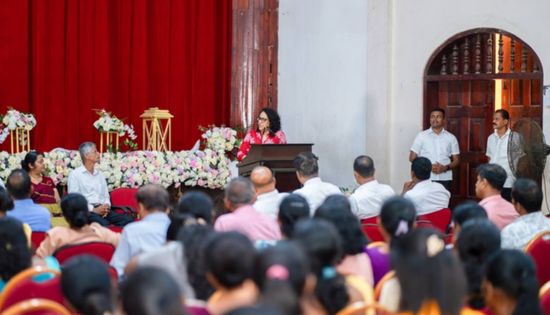
School events should not burden parents : PM
Prime Minister Harini Amarasuriya says school events should be organized in a manner that does not place a financial burden on parents. …
Read More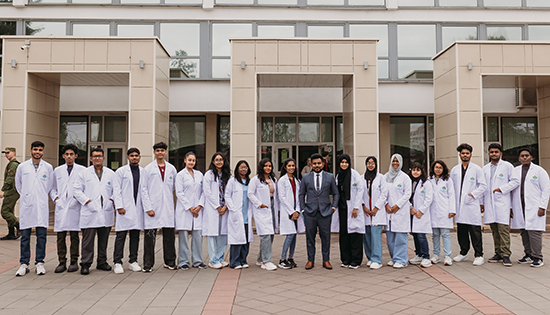
Belarusian State Medical University: A Trusted Pathway to Studying Medicine Abroad with ISC Education
For many Sri Lankan students, gaining entry to a local medical faculty remains highly competitive despite strong academic performance. As a result,…
Read MoreCourses
-

The future of higher education tech: why industry needs purpose-built solutions
For years, Institutions and education agencies have been forced to rely on a patchwork of horizontal SaaS solutions – general tools that… -

MBA in Project Management & Artificial Intelligence – Oxford College of Business
In an era defined by rapid technological change, organizations increasingly demand leaders who not only understand traditional project management, but can also… -

Scholarships for 2025 Postgraduate Diploma in Education for SLEAS and SLTES Officers
The Ministry of Education, Higher Education and Vocational Education has announced the granting of full scholarships for the one-year weekend Postgraduate Diploma… -
Shape Your Future with a BSc in Business Management (HRM) at Horizon Campus
Human Resource Management is more than a career. It’s about growing people, building organizational culture, and leading with purpose. Every impactful journey… -
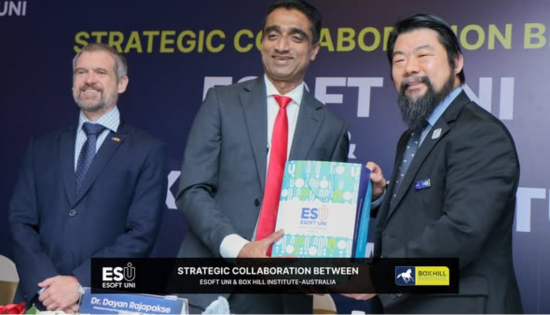
ESOFT UNI Signs MoU with Box Gill Institute, Australia
ESOFt UNI recently hosted a formal Memorandum of Understanding (MoU) signing ceremony with Box Hill Institute, Australia, signaling a significant step in… -

Ace Your University Interview in Sri Lanka: A Guide with Examples
Getting into a Sri Lankan sate or non-state university is not just about the scores. For some universities' programmes, your personality, communication… -
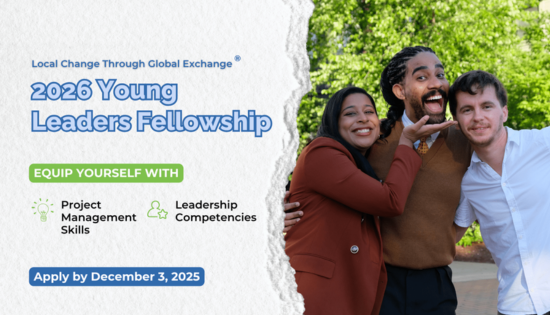
MCW Global Young Leaders Fellowship 2026
MCW Global (Miracle Corners of the World) runs a Young Leaders Fellowship, a year-long leadership program for young people (18–26) around the… -
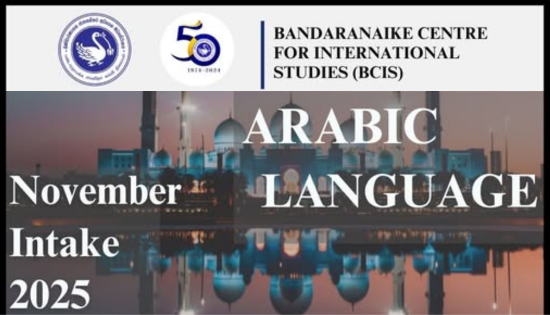
Enhance Your Arabic Skills with the Intermediate Language Course at BCIS
BCIS invites learners to join its Intermediate Arabic Language Course this November and further develop both linguistic skills and cultural understanding. Designed… -
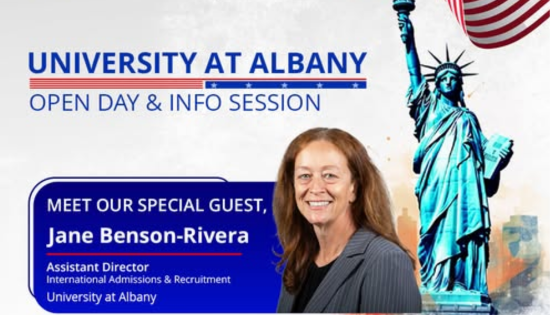
Achieve Your American Dream : NCHS Spring Intake Webinar
NCHS is paving the way for Sri Lankan students to achieve their American Dream. As Sri Lanka’s leading pathway provider to the… -
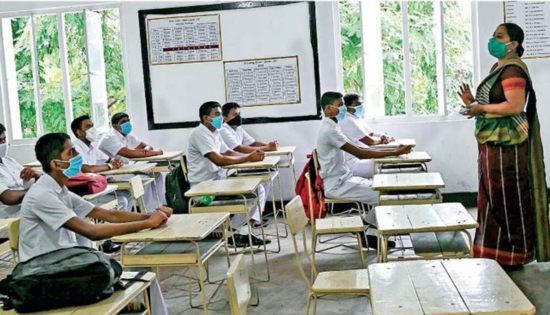
National Diploma in Teaching course : Notice
A Gazette notice has been released recently, concerning the enrollment of aspiring teachers into National Colleges of Education for the three-year pre-service… -
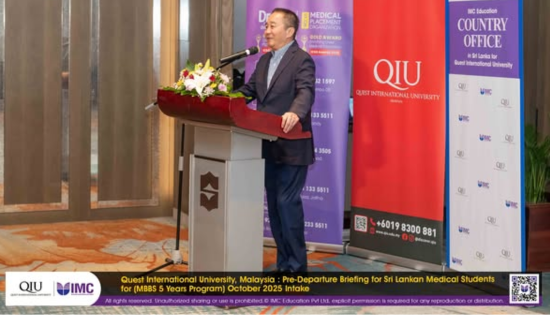
IMC Education Features Largest Student Recruitment for QIU’s October 2025 Intake
Quest International University (QIU), Malaysia recently hosted a pre-departure briefing and high tea at the Shangri-La Hotel in Colombo for its incoming… -
Global University Employability Ranking according to Times Higher Education
Attending college or university offers more than just career preparation, though selecting the right school and program can significantly enhance your job… -

Diploma in Occupational Safety & Health (DOSH) – CIPM
The Chartered Institute of Personnel Management (CIPM) is proud to announce the launch of its Diploma in Occupational Safety & Health (DOSH),… -
Small Grant Scheme for Australia Awards Alumni Sri Lanka
Australia Awards alumni are warmly invited to apply for a grant up to AUD 5,000 to support an innovative project that aim… -
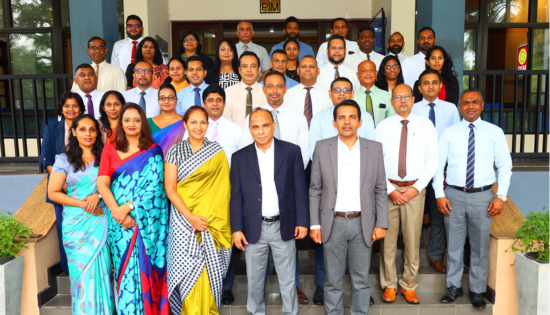
PIM Launches Special Programme for Newly Promoted SriLankan Airlines Managers
The Postgraduate Institute of Management (PIM) has launched a dedicated Newly Promoted Manager Programme designed to strengthen the leadership and management capabilities…
Newswire
-

Middle East escalation: 9 key developments as strikes spread across region
ON: March 19, 2026 -

Diesel prices could rise to Rs. 550–600 per litre: Dayasiri
ON: March 18, 2026 -

President AKD speaks to Qatar Amir
ON: March 18, 2026 -
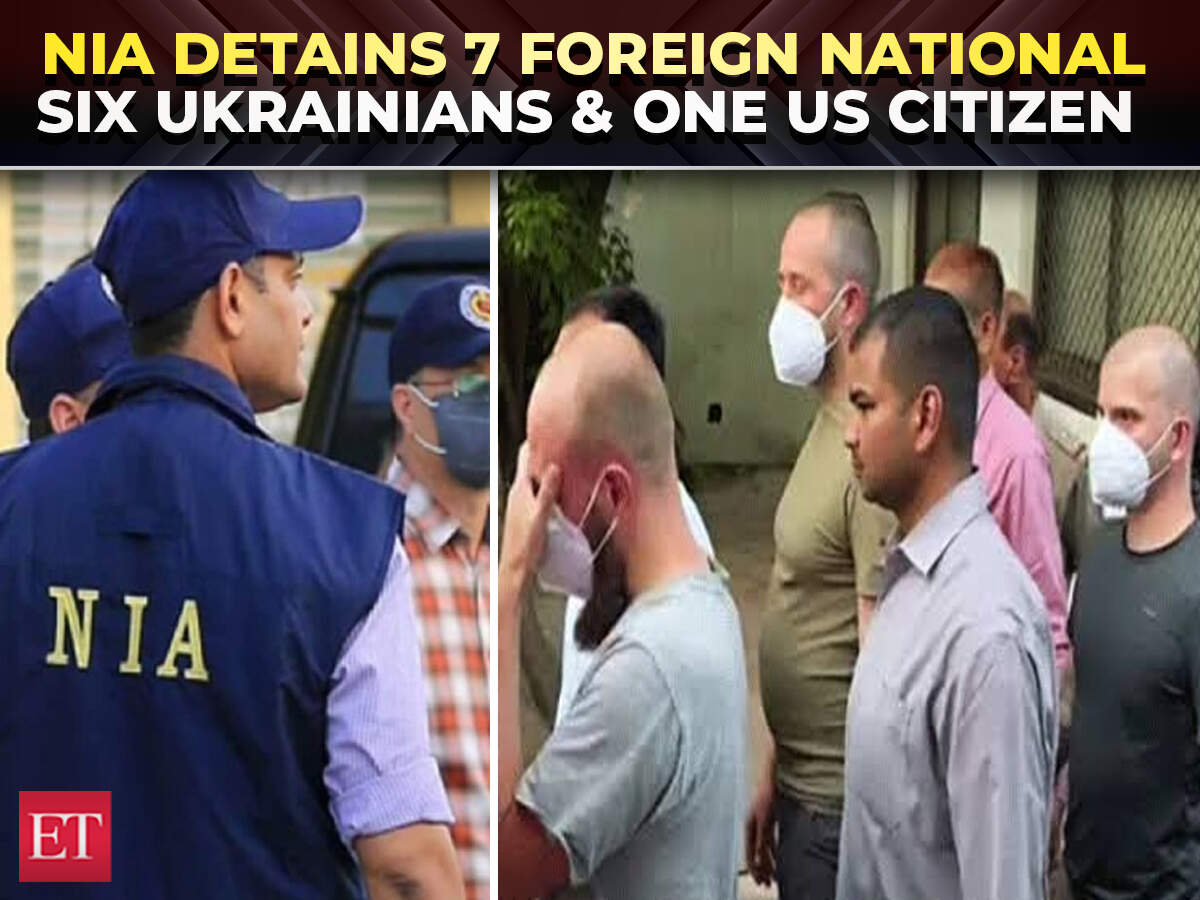
India arrests six Ukrainians, one American over drone terror links
ON: March 18, 2026