


Empowering Educators: Strategies for Enhancing Teacher Motivation and Expertise in Sri Lanka

Motivating teachers and enhancing their qualifications are pivotal steps in elevating the quality of education. A motivated and well-educated teaching force is essential for inspiring students and driving educational success. In the context of Sri Lanka, several strategies can be employed to achieve these goals, from refining teacher training programs to implementing a structured career and salary progression plan. Here’s a comprehensive approach to achieve these objectives.
Enhancing Teacher Qualifications and Knowledge
Continuous Professional Development (CPD): Establish a mandatory CPD program for all teachers, focusing on subject mastery, pedagogical skills, and the use of technology in teaching. This can include workshops, seminars, online courses, and peer-learning groups.
Advanced Qualifications Incentives: Encourage teachers to pursue higher education and specialized training in their subject areas or in pedagogy by offering scholarships, study leave, and tuition reimbursement. Recognize and reward the attainment of advanced qualifications with salary adjustments.
Subject-Specific Training: Organize regular, subject-specific training sessions to ensure teachers are up-to-date with the latest developments in their fields. Collaboration with universities and educational institutions can provide access to resources and experts.
Categorizing Teachers by Experience and Qualification
Establishing a Tiered System: Develop a tiered system for teachers based on their qualifications, experience, and performance. For instance, categories could range from novice teachers to master teachers, with specific criteria defined for each level.
Performance and Evaluation: Implement a comprehensive evaluation system that includes peer reviews, student feedback, and classroom observations. Use this evaluation not only for categorization but also for identifying areas for professional development.
Specialization Tracks: Create tracks for teachers to become specialists in areas such as curriculum development, special education, or educational technology. This encourages teachers to deepen their expertise and contribute to the school system in diverse ways.
Motivating Teachers Through Salary Increments and Benefits
Salary Structure Based on Categorization: Align the salary structure with the tiered categorization system, ensuring that increments reflect qualifications, experience, and contributions to the educational community. This provides a clear pathway for career and salary progression.
Performance-Based Bonuses: Introduce performance-based bonuses to reward outstanding teaching, innovative practices, and contributions that go beyond the classroom, such as community engagement or professional development initiatives.
Additional Benefits: Consider non-monetary benefits such as housing allowances, health insurance, and retirement benefits. Also, provide opportunities for international exposure through exchange programs or attendance at international conferences, which can be highly motivating.
Ensuring Equity and Fairness
Transparent Criteria: Ensure that the criteria for categorization, salary increments, and promotions are transparent, fair, and based on merit. This helps in maintaining trust and motivation among teachers.
Regular Review: Regularly review and adjust the salary scales and benefits to reflect changes in the cost of living and to remain competitive with other professions. This helps in retaining high-quality teachers.
Stakeholder Engagement: Engage teachers in the design and implementation of these systems through their representatives or unions. This ensures that the system meets their needs and addresses their concerns.
Motivating teachers and fine-tuning their qualifications are not just about financial incentives; it’s about creating a supportive environment that values continuous learning, recognizes excellence, and provides opportunities for professional growth. By implementing a structured approach to professional development, categorization, and compensation, Sri Lanka can ensure that its teachers are well-equipped, motivated, and recognized for their crucial role in shaping the future of the nation’s students. This, in turn, lays the foundation for a robust, dynamic education system that is capable of meeting the challenges of the 21st century.
- SW – Suggestion by Team EduWire to Make a Better Tomorrow
Related News
Education Ministry briefs officials on proposed National Curriculum Framework
Education officials at the provincial and zonal levels have been briefed on proposed education reforms and the new National Curriculum Framework during…
Read MoreEastern University teachers address ongoing higher education crisis
State universities in Sri Lanka are facing a severe crisis due to an acute shortage of human resources, inadequate infrastructure facilities, Eastern…
Read More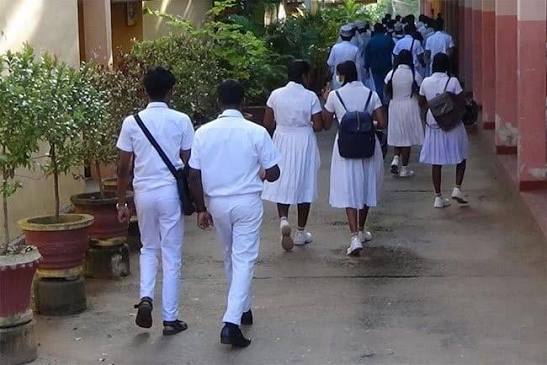
Poverty drives Central Province school dropouts
Around 24% of children enrolled in Grade 1 in the Central Province drop out before completing 13 years of school, Central Province…
Read MorePresident’s Fund honours A/L top achievers
The first district level recognition ceremony under the President’s Fund for high achievers of the 2025 G.C.E. Advanced Level Examination took place…
Read More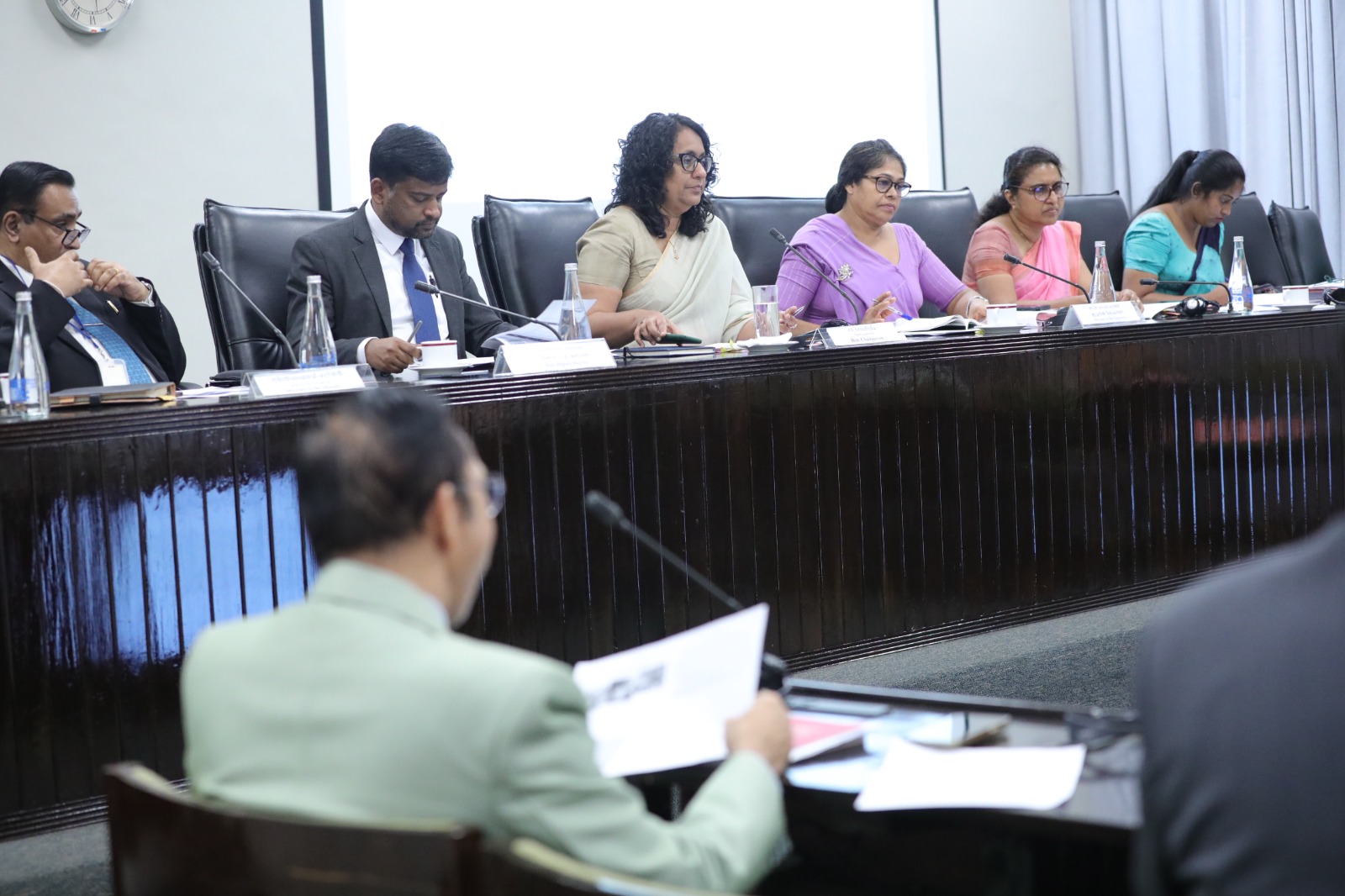
Sri Lanka to introduce New School Curricula and National Preschool Education Reforms
Significant changes are set for Sri Lanka’s school curriculum from 2027, including reducing the G.C.E. Ordinary Level examination to seven core subjects…
Read MoreCourses
-

The future of higher education tech: why industry needs purpose-built solutions
For years, Institutions and education agencies have been forced to rely on a patchwork of horizontal SaaS solutions – general tools that… -

MBA in Project Management & Artificial Intelligence – Oxford College of Business
In an era defined by rapid technological change, organizations increasingly demand leaders who not only understand traditional project management, but can also… -

Scholarships for 2025 Postgraduate Diploma in Education for SLEAS and SLTES Officers
The Ministry of Education, Higher Education and Vocational Education has announced the granting of full scholarships for the one-year weekend Postgraduate Diploma… -

Shape Your Future with a BSc in Business Management (HRM) at Horizon Campus
Human Resource Management is more than a career. It’s about growing people, building organizational culture, and leading with purpose. Every impactful journey… -
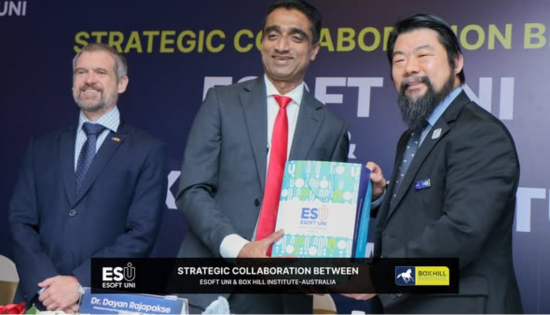
ESOFT UNI Signs MoU with Box Gill Institute, Australia
ESOFt UNI recently hosted a formal Memorandum of Understanding (MoU) signing ceremony with Box Hill Institute, Australia, signaling a significant step in… -

Ace Your University Interview in Sri Lanka: A Guide with Examples
Getting into a Sri Lankan sate or non-state university is not just about the scores. For some universities' programmes, your personality, communication… -
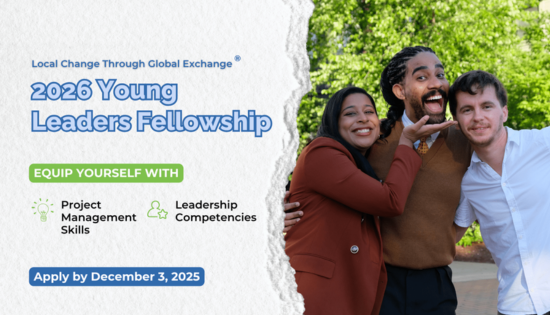
MCW Global Young Leaders Fellowship 2026
MCW Global (Miracle Corners of the World) runs a Young Leaders Fellowship, a year-long leadership program for young people (18–26) around the… -
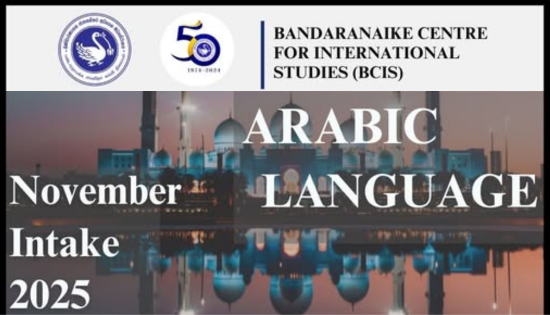
Enhance Your Arabic Skills with the Intermediate Language Course at BCIS
BCIS invites learners to join its Intermediate Arabic Language Course this November and further develop both linguistic skills and cultural understanding. Designed… -

Achieve Your American Dream : NCHS Spring Intake Webinar
NCHS is paving the way for Sri Lankan students to achieve their American Dream. As Sri Lanka’s leading pathway provider to the… -
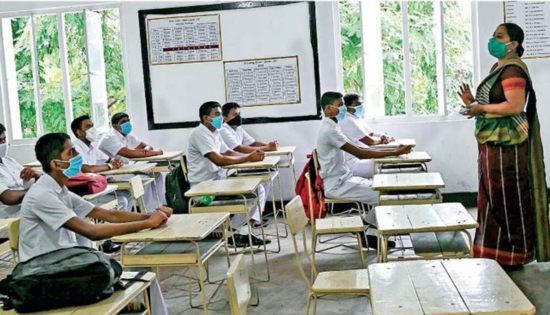
National Diploma in Teaching course : Notice
A Gazette notice has been released recently, concerning the enrollment of aspiring teachers into National Colleges of Education for the three-year pre-service… -
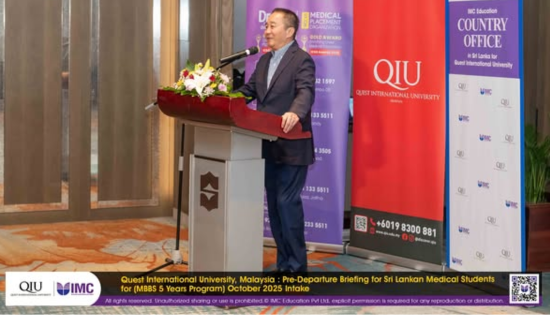
IMC Education Features Largest Student Recruitment for QIU’s October 2025 Intake
Quest International University (QIU), Malaysia recently hosted a pre-departure briefing and high tea at the Shangri-La Hotel in Colombo for its incoming… -

Global University Employability Ranking according to Times Higher Education
Attending college or university offers more than just career preparation, though selecting the right school and program can significantly enhance your job… -

Diploma in Occupational Safety & Health (DOSH) – CIPM
The Chartered Institute of Personnel Management (CIPM) is proud to announce the launch of its Diploma in Occupational Safety & Health (DOSH),… -
Small Grant Scheme for Australia Awards Alumni Sri Lanka
Australia Awards alumni are warmly invited to apply for a grant up to AUD 5,000 to support an innovative project that aim… -
PIM Launches Special Programme for Newly Promoted SriLankan Airlines Managers
The Postgraduate Institute of Management (PIM) has launched a dedicated Newly Promoted Manager Programme designed to strengthen the leadership and management capabilities…
Newswire
-

Who can become Sri Lanka Cricket’s next chairman — and who is barred?
ON: September 29, 2026 -

‘Desperate Lies’: Tilvin laughs off Prime Minister Poisoning Rumors
ON: September 29, 2026 -
Government moves to resolve Batticaloa dairy farmers’ grazing land dispute
ON: September 29, 2026 -
“I don’t remember”: Gotabaya questioned over Keith Noyahr abduction and disappearances
ON: September 29, 2026 -

Three films a day: Concerns raised over state TV schedule
ON: September 29, 2026