





Emerging Careers and In-Demand Fields for the Next Decade

The world is rapidly evolving, and with it, the job market is transforming. Several industries are poised for significant growth, offering exciting opportunities for those who are prepared. For Sri Lankan students, aligning their higher education choices with these future job market demands is crucial for a successful career.
Technology
Technology continues to be a driving force in the global economy. Fields such as software development, cybersecurity, and data science are in high demand. As technology advances, there is a growing need for professionals who can develop, maintain, and secure digital infrastructure. Sri Lankan students can focus on degrees in computer science, information technology, and related fields to prepare for these roles.
Healthcare
The healthcare industry is experiencing a surge in demand, driven by an aging population and the ongoing need for advanced medical care. Nursing, medical research, and healthcare administration are fields that will see significant growth. Sri Lankan students interested in healthcare can pursue degrees in nursing, medicine, biomedical engineering, and public health to meet the rising demand for skilled professionals.
Renewable Energy
As the world shifts towards sustainable energy sources, the renewable energy sector is expanding rapidly. Renewable energy engineering, environmental science, and sustainability management are fields that will be crucial in the coming years. Sri Lankan students can consider degrees in environmental engineering, renewable energy technology, and sustainability studies to contribute to the global effort to combat climate change.
Artificial Intelligence
Artificial intelligence (AI) is revolutionizing various industries, from healthcare to finance. AI specialists, machine learning engineers, and data analysts are highly sought after. Sri Lankan students can pursue degrees in computer science, data science, and AI to be at the forefront of this technological revolution.
Aligning Education with Future Job Market Demands
To prepare for these emerging careers, Sri Lankan students should focus on acquiring a blend of technical skills and soft skills such as adaptability, creativity, and communication. Higher education institutions should integrate these skills into their curriculum to ensure graduates are well-rounded and competitive in the workforce4. Additionally, leveraging internship opportunities and promoting knowledge creation through research projects can provide valuable hands-on experience and enhance employability.
By staying informed about global trends and aligning their education choices with future job market demands, Sri Lankan students can position themselves for successful careers in these in-demand fields. The future is bright for those who are prepared to embrace these opportunities and contribute to the global workforce.
Related News

Empowering and cultivating the next generation – invest in you and prepare for the world!
“Being at Excelsia has felt like having another home away from home, with constant support, from mental-health help to peer monitoring, making…
Read More
Imperial College Welcomes March Undergrad Batch
Imperial College of Business Studies proudly marked a significant milestone with the induction ceremony for its March 2026 intake, held at its…
Read More
Department of Examinations calls for A/L 2026 applications
Applications to sit for the G.C.E. (A/L) Examination – 2026 will be accepted online from 2026.03.24 to 2026.04.24, the Department of Examinations…
Read More
ESPER Awards ’26: D. S. Senanayake College Hosts National Science Showcase
Sri Lanka’s leading school-level science showcase, the ESPER Awards ’26, organised by the Science Society of D. S. Senanayake College, was held…
Read More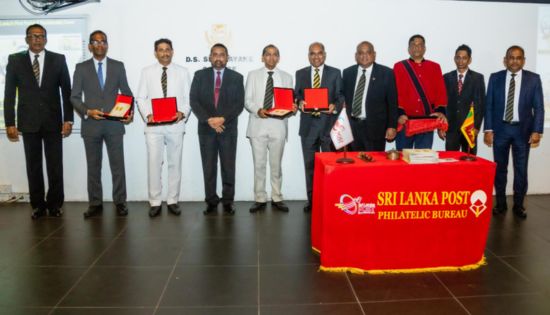
Rejuvenating a timeless bond between teacher and student through the united hearts of Senanayakian Alumni
Founded on February 10, 1967, under the visionary leadership of Mr I.M.R.A. Iriyagolla and the beloved founding principal, Mr R.I.T. Alles, D.S.…
Read MoreCourses
-

The future of higher education tech: why industry needs purpose-built solutions
For years, Institutions and education agencies have been forced to rely on a patchwork of horizontal SaaS solutions – general tools that… -

MBA in Project Management & Artificial Intelligence – Oxford College of Business
In an era defined by rapid technological change, organizations increasingly demand leaders who not only understand traditional project management, but can also… -

Scholarships for 2025 Postgraduate Diploma in Education for SLEAS and SLTES Officers
The Ministry of Education, Higher Education and Vocational Education has announced the granting of full scholarships for the one-year weekend Postgraduate Diploma… -
Shape Your Future with a BSc in Business Management (HRM) at Horizon Campus
Human Resource Management is more than a career. It’s about growing people, building organizational culture, and leading with purpose. Every impactful journey… -
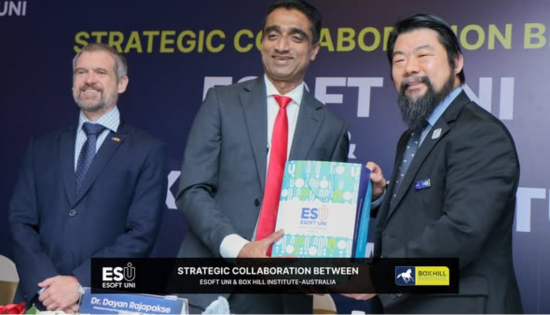
ESOFT UNI Signs MoU with Box Gill Institute, Australia
ESOFt UNI recently hosted a formal Memorandum of Understanding (MoU) signing ceremony with Box Hill Institute, Australia, signaling a significant step in… -

Ace Your University Interview in Sri Lanka: A Guide with Examples
Getting into a Sri Lankan sate or non-state university is not just about the scores. For some universities' programmes, your personality, communication… -
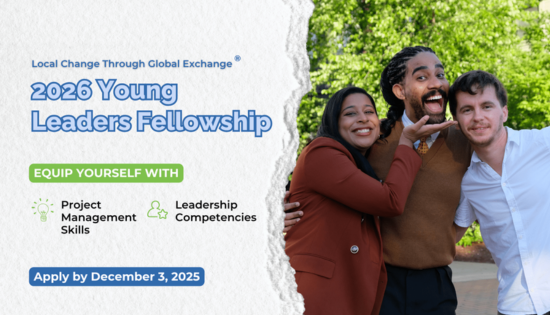
MCW Global Young Leaders Fellowship 2026
MCW Global (Miracle Corners of the World) runs a Young Leaders Fellowship, a year-long leadership program for young people (18–26) around the… -
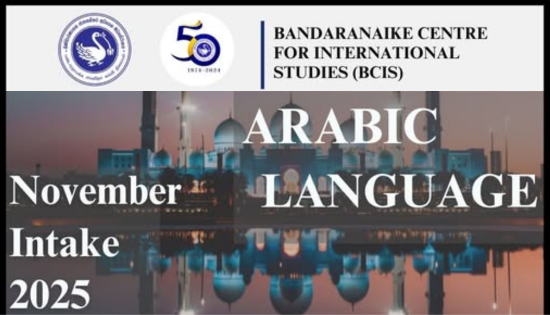
Enhance Your Arabic Skills with the Intermediate Language Course at BCIS
BCIS invites learners to join its Intermediate Arabic Language Course this November and further develop both linguistic skills and cultural understanding. Designed… -

Achieve Your American Dream : NCHS Spring Intake Webinar
NCHS is paving the way for Sri Lankan students to achieve their American Dream. As Sri Lanka’s leading pathway provider to the… -
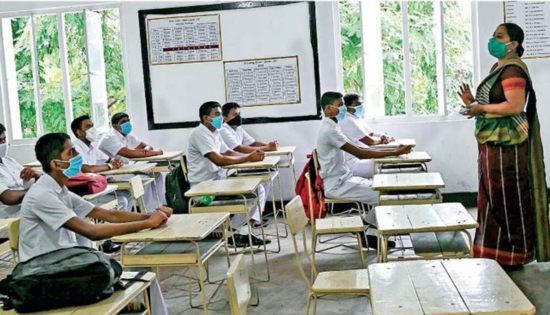
National Diploma in Teaching course : Notice
A Gazette notice has been released recently, concerning the enrollment of aspiring teachers into National Colleges of Education for the three-year pre-service… -
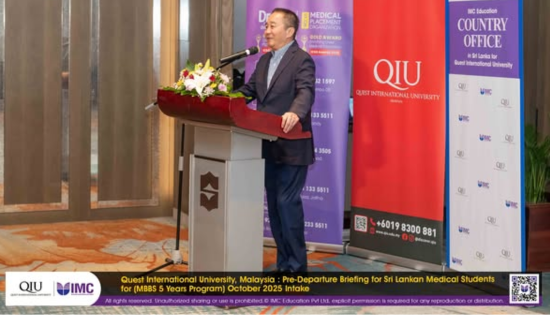
IMC Education Features Largest Student Recruitment for QIU’s October 2025 Intake
Quest International University (QIU), Malaysia recently hosted a pre-departure briefing and high tea at the Shangri-La Hotel in Colombo for its incoming… -

Global University Employability Ranking according to Times Higher Education
Attending college or university offers more than just career preparation, though selecting the right school and program can significantly enhance your job… -

Diploma in Occupational Safety & Health (DOSH) – CIPM
The Chartered Institute of Personnel Management (CIPM) is proud to announce the launch of its Diploma in Occupational Safety & Health (DOSH),… -
Small Grant Scheme for Australia Awards Alumni Sri Lanka
Australia Awards alumni are warmly invited to apply for a grant up to AUD 5,000 to support an innovative project that aim… -
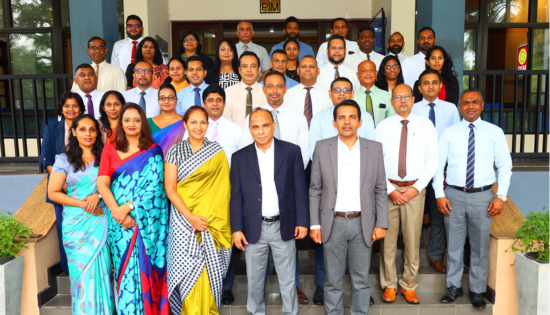
PIM Launches Special Programme for Newly Promoted SriLankan Airlines Managers
The Postgraduate Institute of Management (PIM) has launched a dedicated Newly Promoted Manager Programme designed to strengthen the leadership and management capabilities…
Newswire
-

Thieves steal 12 tons of KitKat chocolate bars in Europe
ON: March 28, 2026 -

Russia’s Deputy Foreign Minister to visit Sri Lanka
ON: March 28, 2026 -

Ukraine to help UAE, Qatar and Saudi counter Iran drone threats
ON: March 28, 2026 -
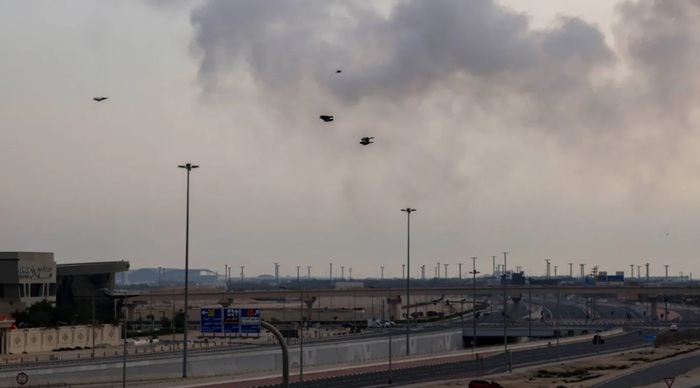
Iran targets UAE and Qatar with missiles and drones
ON: March 28, 2026 -

Water cut in parts of Dehiwala-Mount Lavinia on Sunday
ON: March 28, 2026