




Knowledge Management is More Than Just IT:
Unpacking the Comprehensive Stages for Private Higher Education Sector.

In today’s world, effective knowledge management has become essential. However, many forums tend to focus solely on Information Technology, often equating knowledge management with IT systems or artificial intelligence. This is a misconception, as knowledge management is a comprehensive process that encompasses various stages, including:
- Knowledge capturing
- Knowledge creation
- Knowledge codification
- Knowledge storage
- Knowledge dissemination
It is a broad and vital area of study, and even experts have developed different cycles and models to illustrate its importance.
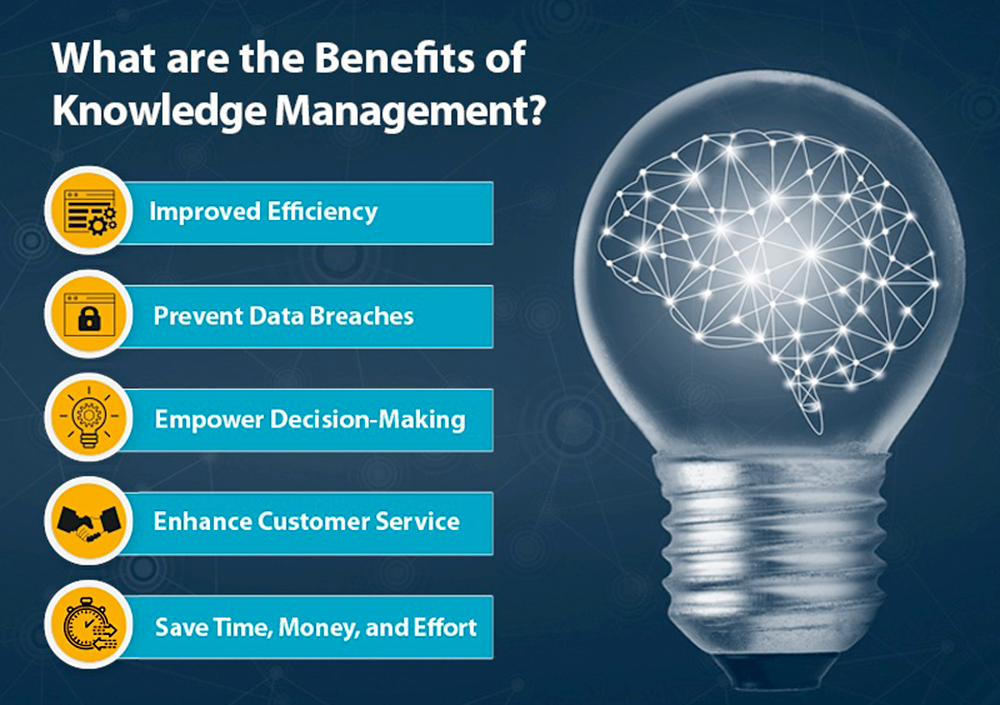
Is knowledge management necessary in the business world? Absolutely. Modern businesses thrive on knowledge; managing it effectively is crucial. In the early industrial era, success depended heavily on hard work and physical labor. Today, however, reliance has shifted towards knowledge workers who drive decision making, foster innovation, and develop strategic partnerships. This shift enables organizations to gain sustainable competitive advantages.
Impact on Private Higher Education
Implementing effective knowledge management can help private institutions maintain uniqueness and remain competitive. In a rapidly changing world, curricula must evolve to align with current industry demands. This ensures graduates are wel prepared to assume leadership roles and make informed decisions within their fields.

Furthermore, embracing knowledge management can transform teaching environments moving away from monotonous methods toward more engaging, innovative pedagogies that enhance service quality. Research and innovation are integral to this process, providing students with opportunities to seek, codify, and disseminate knowledge. This not only fuels creativity and invention but also cultivates a passion for their areas of study, benefiting both students and the broader business ecosystem.
Brain drain is another critical area that requires attention. When staff or faculty members leave, they do so with valuable experience gained over many years. Replacing them with new hires or even experienced professionals from higher education is often challenging and not always feasible. This underscores the importance of implementing effective knowledge management practices. Additionally, promoting coaching and mentoring within the private higher education sector is essential to retain expertise and foster continuous development.
In addition, knowledge management promotes cross-disciplinary learning, fostering a culture of knowledge sharing among faculty and students. Strategically, the success of private higher education institutions heavily depends on effective knowledge management to inform sound decision making.
Current State and Opportunities for Improvement
While private higher education institutions are practicing knowledge management, there is often a lack of awareness or a clear understanding of how these practices function. This gap hampers the sector’s sustainability, which is vital for producing knowledgeable and skilled graduates.

To enhance knowledge management practices, institutions should focus on motivating faculty and staff to share their knowledge actively. They should also develop systems for capturing, codifying, storing, and disseminating knowledge. Establishing forums such as research conferences and journals can facilitate the sharing and dissemination of research conducted by staff and students.
Moreover, fostering a culture of collaboration where faculty openly share ideas and innovations and leveraging IT systems can significantly improve knowledge management practices. Recognizing and rewarding knowledge sharing behaviors is also essential in building a sustainable and dynamic educational environment.
Final Thoughts
Ultimately, while IT plays a key supporting role, true knowledge management in the private higher education sector extends far beyond technological infrastructure. It is a strategic imperative that encompasses a holistic approach to capturing, creating, codifying, storing, and disseminating knowledge. By embracing this comprehensive perspective, institutions can enhance their competitiveness, foster innovative teaching and research, mitigate the impact of brain drain, and cultivate a vibrant culture of continuous learning and collaboration. Prioritizing effective knowledge management is not merely an operational improvement; it is fundamental to ensuring the long-term sustainability and success of private higher education in an increasingly knowledge driven world, ultimately benefiting both their graduates and the broader business ecosystem.
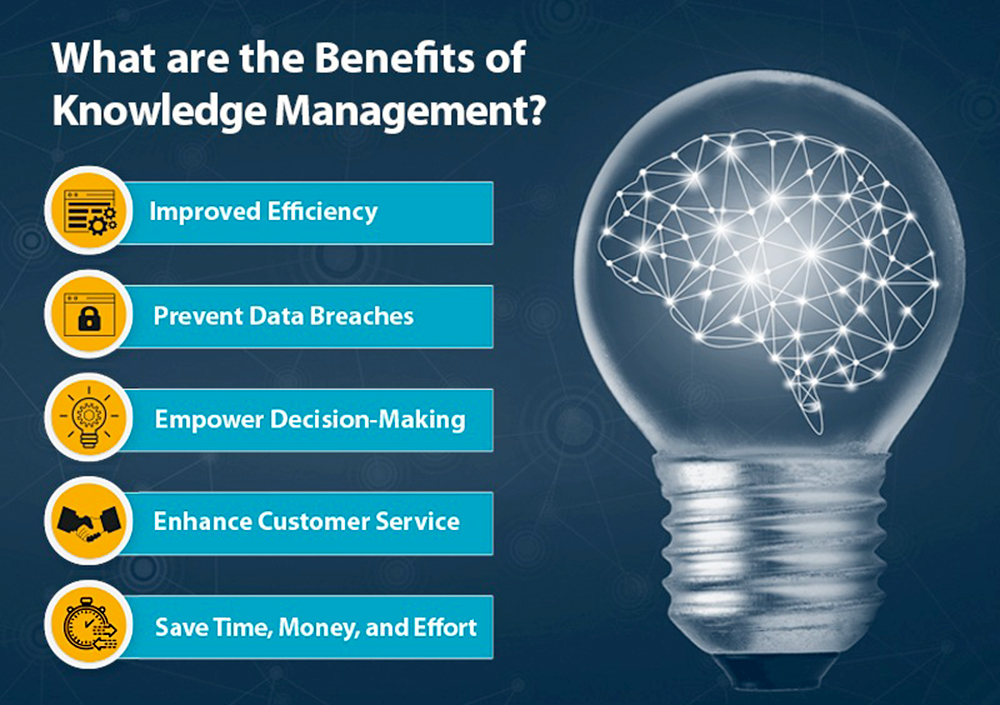
In private higher education, knowledge management is more than just IT; it’s a strategic priority. It requires a comprehensive system for capturing, creating, organizing, storing, and sharing knowledge. This approach boosts competitiveness, encourages innovative teaching and research, reduces the loss of expertise, and promotes continuous learning and teamwork. Effective knowledge management is essential for the long term stability and prosperity of private higher education in today’s knowledge based world, benefiting graduates and the wider business community.
Related News
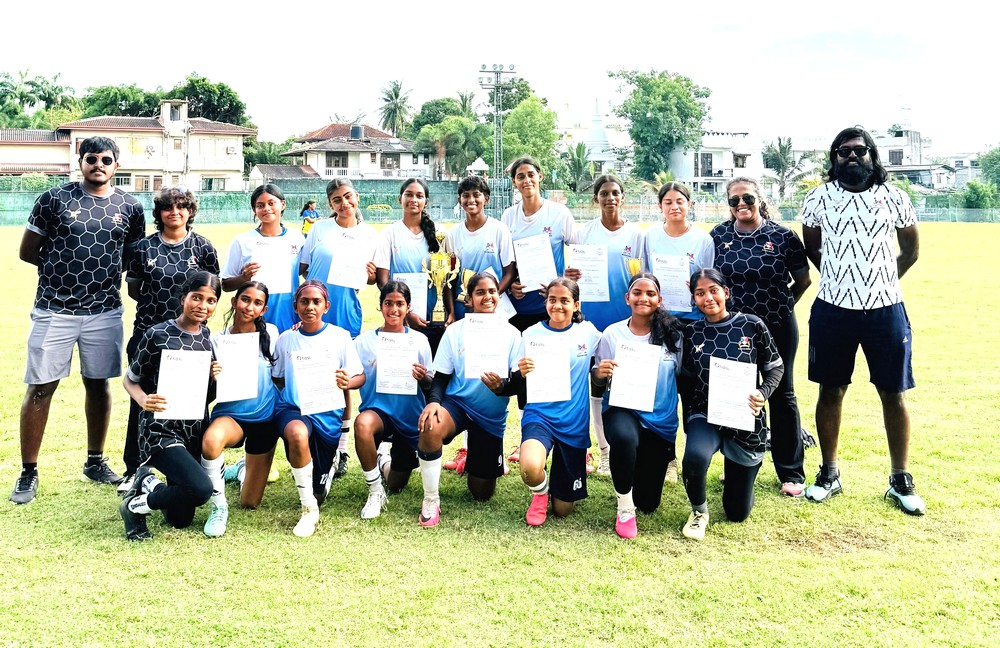
Gateway Girls Triumph in Football
Under 18 Champions: Standing Order Left to Right – Mr Rafaah Suhail (Coach), Ms Sahani Fernando (Coach), Brianna Perera, Tasneem Malik, KenuliAbeygunawardhane…
Read More
Gateway College Crowned TISSL Under-19 Basketball Champions for Fifth Consecutive Year
Back Row (left to right):DhanukaWijegoonaratne, Tevan Sela, Jonathan Herath, Mikyle Reza, Akain Vitanachy, Samuel Tsung, Thinuk Attanayaka, NavinduWaduwavala, Julan Senmitha, Jithein Kulatunga,…
Read More
USJ Leo Club’s ‘Pranadhara ’26’ Brings Water Storage Support to Habarana Community
The Leo Club of the University of Sri Jayewardenepura has completed the second phase of its ‘Pranadhara ’26’ water security project, providing…
Read More
Sri Lanka Skills Expo 2026 to promote vocational education in Colombo
The Sri Lanka Skills Expo 2026 is scheduled to take place from October 23 to 25 at Viharamahadevi Park and Green Path…
Read MoreSri Lanka ITEC Alumni Association formally launched to unite India-trained professionals
The Sri Lanka ITEC Alumni Association was officially launched during its inaugural meeting at the Grand Crystal Ballroom of Hotel Taj Samudra…
Read MoreCourses
-

The future of higher education tech: why industry needs purpose-built solutions
For years, Institutions and education agencies have been forced to rely on a patchwork of horizontal SaaS solutions – general tools that… -

MBA in Project Management & Artificial Intelligence – Oxford College of Business
In an era defined by rapid technological change, organizations increasingly demand leaders who not only understand traditional project management, but can also… -

Scholarships for 2025 Postgraduate Diploma in Education for SLEAS and SLTES Officers
The Ministry of Education, Higher Education and Vocational Education has announced the granting of full scholarships for the one-year weekend Postgraduate Diploma… -

Shape Your Future with a BSc in Business Management (HRM) at Horizon Campus
Human Resource Management is more than a career. It’s about growing people, building organizational culture, and leading with purpose. Every impactful journey… -
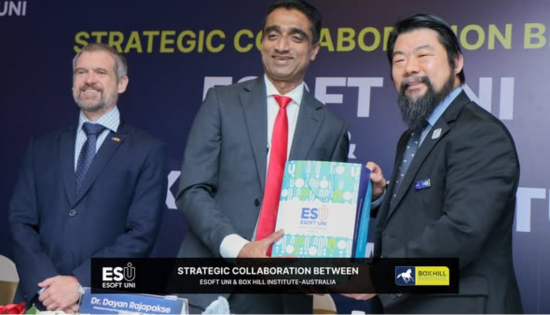
ESOFT UNI Signs MoU with Box Gill Institute, Australia
ESOFt UNI recently hosted a formal Memorandum of Understanding (MoU) signing ceremony with Box Hill Institute, Australia, signaling a significant step in… -

Ace Your University Interview in Sri Lanka: A Guide with Examples
Getting into a Sri Lankan sate or non-state university is not just about the scores. For some universities' programmes, your personality, communication… -
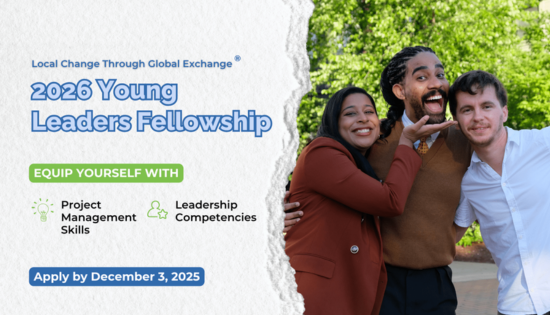
MCW Global Young Leaders Fellowship 2026
MCW Global (Miracle Corners of the World) runs a Young Leaders Fellowship, a year-long leadership program for young people (18–26) around the… -
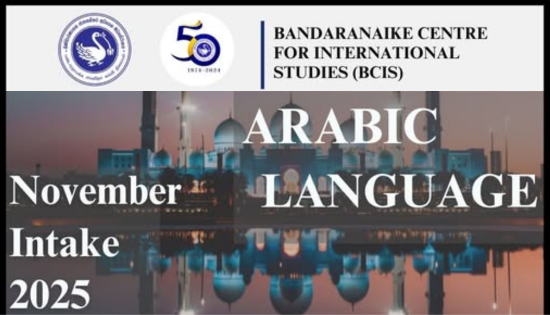
Enhance Your Arabic Skills with the Intermediate Language Course at BCIS
BCIS invites learners to join its Intermediate Arabic Language Course this November and further develop both linguistic skills and cultural understanding. Designed… -

Achieve Your American Dream : NCHS Spring Intake Webinar
NCHS is paving the way for Sri Lankan students to achieve their American Dream. As Sri Lanka’s leading pathway provider to the… -

National Diploma in Teaching course : Notice
A Gazette notice has been released recently, concerning the enrollment of aspiring teachers into National Colleges of Education for the three-year pre-service… -
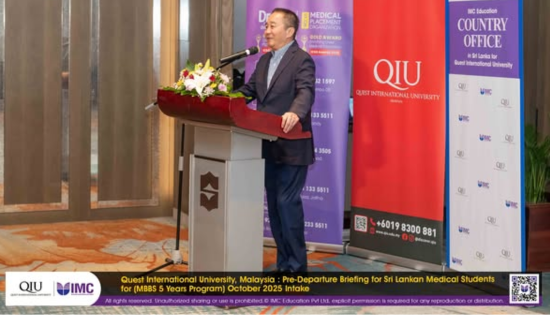
IMC Education Features Largest Student Recruitment for QIU’s October 2025 Intake
Quest International University (QIU), Malaysia recently hosted a pre-departure briefing and high tea at the Shangri-La Hotel in Colombo for its incoming… -

Global University Employability Ranking according to Times Higher Education
Attending college or university offers more than just career preparation, though selecting the right school and program can significantly enhance your job… -

Diploma in Occupational Safety & Health (DOSH) – CIPM
The Chartered Institute of Personnel Management (CIPM) is proud to announce the launch of its Diploma in Occupational Safety & Health (DOSH),… -
Small Grant Scheme for Australia Awards Alumni Sri Lanka
Australia Awards alumni are warmly invited to apply for a grant up to AUD 5,000 to support an innovative project that aim… -
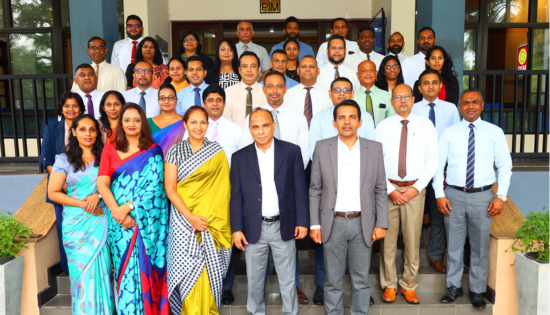
PIM Launches Special Programme for Newly Promoted SriLankan Airlines Managers
The Postgraduate Institute of Management (PIM) has launched a dedicated Newly Promoted Manager Programme designed to strengthen the leadership and management capabilities…
Newswire
-

What did Sanga & Nasser Hussain say about Sri Lanka’s historic win
ON: October 22, 2026 -

WATCH : Highlights of Sri Lanka’a highest successful ODI run chase
ON: October 22, 2026 -

Pakistan, Sri Lanka & England ODI Tri-Series Points Table & NRR
ON: October 22, 2026 -

Sri Lanka pull off record-breaking chase to beat England by two wickets
ON: October 22, 2026 -

Sajith questions 2027 Budget without disclosure of 2026 Budget progress
ON: October 22, 2026