



An education where failure becomes resilience and rejection becomes persistence.

Rejection and failure are two intertwined aspects that hold the power to destroy years of growth and hard work. No matter the circumstances are, these two will chase you from the very first day you decide to step up and hope high. While it is clear what failure and rejection can do, there are also people who take matters into their own hands and continue to pursue their goals in life. What often goes tragically unseen, however are those who give up despite how hard they tried.
What if there were an education system for every young Sri Lankan mind at school or other educational institutions, offering opportunities where students could turn their failure into resilience and rejection into persistence? Isn’t it the right of every student to know how to act in the face of failure and rejection? After all, not every child has a family, a parent or even a grandparent to teach them these lessons. So, before teaching them how to score 100/100 on exams, shouldn’t schools first cultivate resilience, inspiration and hope?
From the day we start school, we are conditioned to celebrate success in public with grace and hide failure in private with shame. But, if there were a formal part of academic life that taught students how to fill the blanks when failure and rejection strike, we might be able to redefine the impact failure has on our potential. An education that shifts the mindset of “Why me?” or “What now?” to “This is not the end”, has the ability to reshape self-doubt into curiosity and new energy. With this shift, students could face their failure and rejection with a fresh eye and discover new paths that reveal hidden potentials.
One method to support this process is keeping a reflection journal where setbacks and disappointments can be noted down. This practice can sharpen the ways we learn and respond to unpredictable situations, strengthening our abilities to act without hesitation. Such methods can easily be incorporated into education today, where many young people find themselves torn between giving up and moving forward. Education should not only instill academic skills but also teach students to honor rejection as part of their journey toward success.
If there is a system at school or universities where students learn to channel negative emotions productively, adopt stress management skills, boost self-esteem and seek support when needed, they would stop doubting their worth. This can reduce the harmful effects of rejection on mental health, helping students become both mentally and physically healthier, and ultimately contributing to the country’s development.
Workshops and seminars could be especially impactful during exam seasons such as O/L and A/L. At present, almost everyone—including parents—focuses solely on results. This narrow focus contributes to tragic outcomes, such as the rising number of student suicides, which threaten the nation’s future. The root cause is almost always tied to the inability to accept and learn from failure and rejection.
Below are some additional methods that can be implemented at schools or educational institutes.
1. Mentorship Programs – Pairing students with older peers, teachers, or professionals who share their own stories of failure and persistence can normalize setbacks.
2. Growth Mindset Training – Integrating Carol Dweck’s principles of embracing challenges, learning from criticism, and seeing effort as progress.
3. Resilience-Building Activities – Sports, drama, debate, and group projects where losing or failing is common, teaching students to bounce back.
4. Mindfulness & Stress-Relief Practices – Breathing techniques, meditation, and yoga to help students manage anxiety, especially during exams.
5. Failure Case Studies – Lessons highlighting how famous personalities and leaders used failure as stepping stones, inspiring students to reframe their own struggles.
6. Peer-Support Groups – Safe spaces where students can openly share setbacks and encourage one another.
7. Counseling Services – Access to trained counselors at schools/universities to guide students through rejection and stress.
Related News
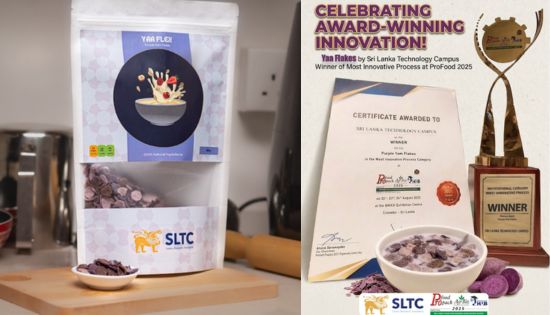
SLTC Students Win First Place for Most Innovative Process-Institutional category at ProFood ProPack AgBiz International Exhibition 2025
Sri Lanka Technology Campus (SLTC) proudly announces that its students have won First Place in the ‘Most Innovative Process-Institutional category’ at the…
Read More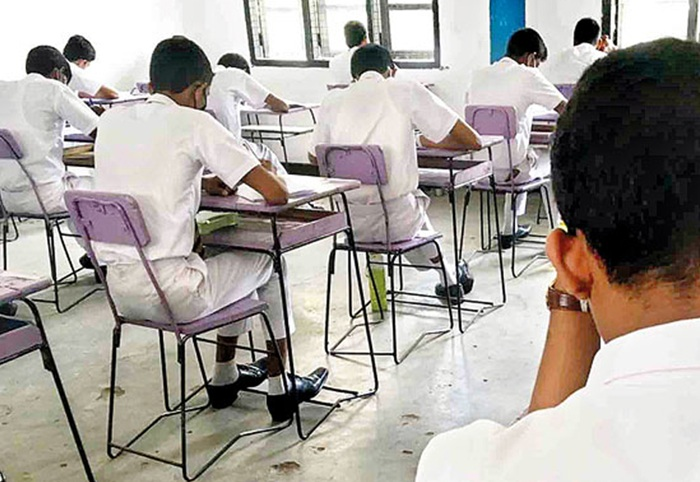
G.C.E. A/L examination results : New Update
The 2025 G.C.E. Advanced Level (A/L) examination results will be released before the upcoming Sinhala and Tamil New Year, Commissioner General of…
Read More
Gateway College Dominates TISSL Netball Championships, Crowned Double Champions on Women’s Day Weekend
Under 18 Champions The Under 18 and Under 16 TISSL Netball Tournaments, organised by Colombo International School, were held on 7 and…
Read More
School events should not burden parents : PM
Prime Minister Harini Amarasuriya says school events should be organized in a manner that does not place a financial burden on parents. …
Read More
Belarusian State Medical University: A Trusted Pathway to Studying Medicine Abroad with ISC Education
For many Sri Lankan students, gaining entry to a local medical faculty remains highly competitive despite strong academic performance. As a result,…
Read MoreCourses
-

The future of higher education tech: why industry needs purpose-built solutions
For years, Institutions and education agencies have been forced to rely on a patchwork of horizontal SaaS solutions – general tools that… -

MBA in Project Management & Artificial Intelligence – Oxford College of Business
In an era defined by rapid technological change, organizations increasingly demand leaders who not only understand traditional project management, but can also… -

Scholarships for 2025 Postgraduate Diploma in Education for SLEAS and SLTES Officers
The Ministry of Education, Higher Education and Vocational Education has announced the granting of full scholarships for the one-year weekend Postgraduate Diploma… -
Shape Your Future with a BSc in Business Management (HRM) at Horizon Campus
Human Resource Management is more than a career. It’s about growing people, building organizational culture, and leading with purpose. Every impactful journey… -
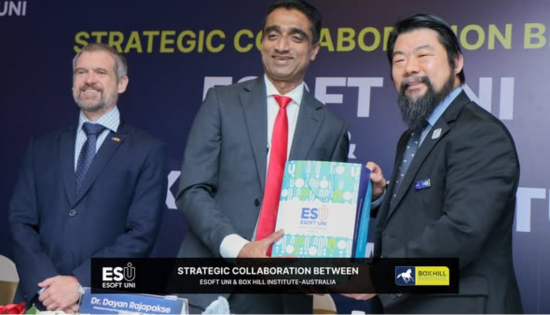
ESOFT UNI Signs MoU with Box Gill Institute, Australia
ESOFt UNI recently hosted a formal Memorandum of Understanding (MoU) signing ceremony with Box Hill Institute, Australia, signaling a significant step in… -

Ace Your University Interview in Sri Lanka: A Guide with Examples
Getting into a Sri Lankan sate or non-state university is not just about the scores. For some universities' programmes, your personality, communication… -
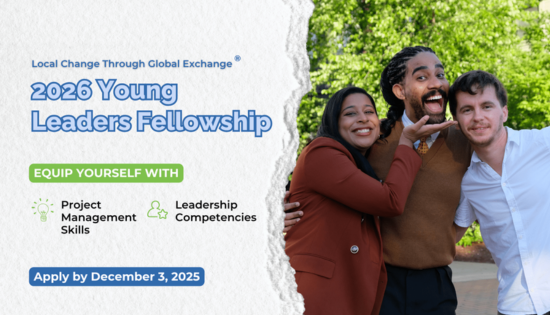
MCW Global Young Leaders Fellowship 2026
MCW Global (Miracle Corners of the World) runs a Young Leaders Fellowship, a year-long leadership program for young people (18–26) around the… -
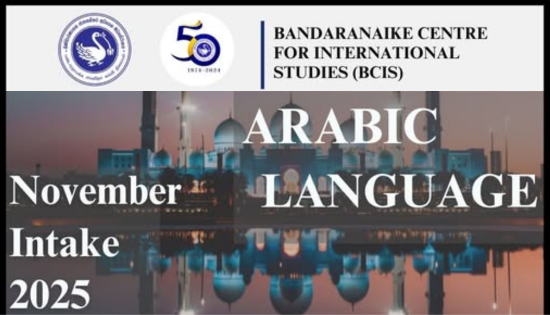
Enhance Your Arabic Skills with the Intermediate Language Course at BCIS
BCIS invites learners to join its Intermediate Arabic Language Course this November and further develop both linguistic skills and cultural understanding. Designed… -

Achieve Your American Dream : NCHS Spring Intake Webinar
NCHS is paving the way for Sri Lankan students to achieve their American Dream. As Sri Lanka’s leading pathway provider to the… -
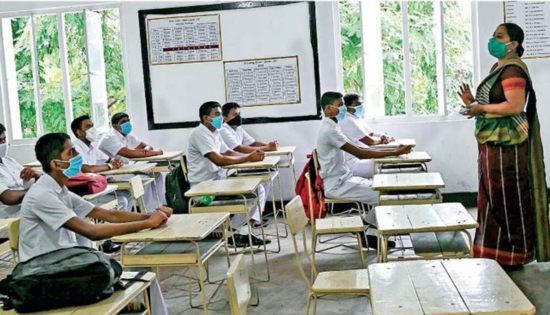
National Diploma in Teaching course : Notice
A Gazette notice has been released recently, concerning the enrollment of aspiring teachers into National Colleges of Education for the three-year pre-service… -
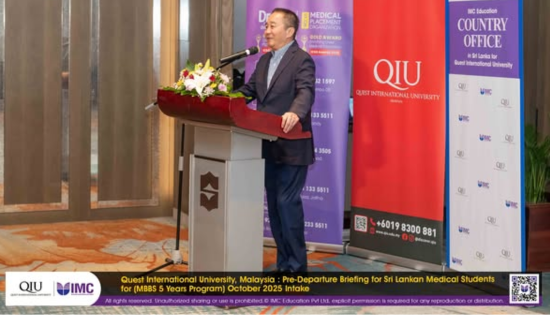
IMC Education Features Largest Student Recruitment for QIU’s October 2025 Intake
Quest International University (QIU), Malaysia recently hosted a pre-departure briefing and high tea at the Shangri-La Hotel in Colombo for its incoming… -

Global University Employability Ranking according to Times Higher Education
Attending college or university offers more than just career preparation, though selecting the right school and program can significantly enhance your job… -

Diploma in Occupational Safety & Health (DOSH) – CIPM
The Chartered Institute of Personnel Management (CIPM) is proud to announce the launch of its Diploma in Occupational Safety & Health (DOSH),… -
Small Grant Scheme for Australia Awards Alumni Sri Lanka
Australia Awards alumni are warmly invited to apply for a grant up to AUD 5,000 to support an innovative project that aim… -
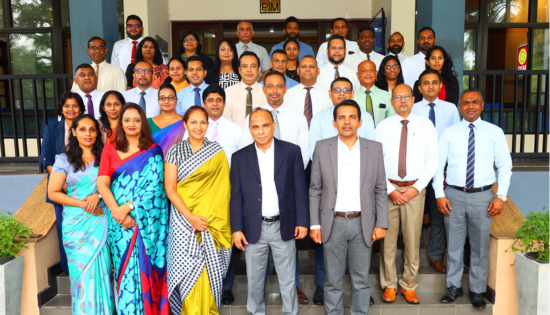
PIM Launches Special Programme for Newly Promoted SriLankan Airlines Managers
The Postgraduate Institute of Management (PIM) has launched a dedicated Newly Promoted Manager Programme designed to strengthen the leadership and management capabilities…
Newswire
-

One diesel shipment can power electricity for 70 days: Deputy Minister
ON: March 19, 2026 -
No-confidence motion submitted against Energy Minister
ON: March 19, 2026 -

Dollar rate today : Selling rate unchanged at Rs. 314
ON: March 19, 2026 -
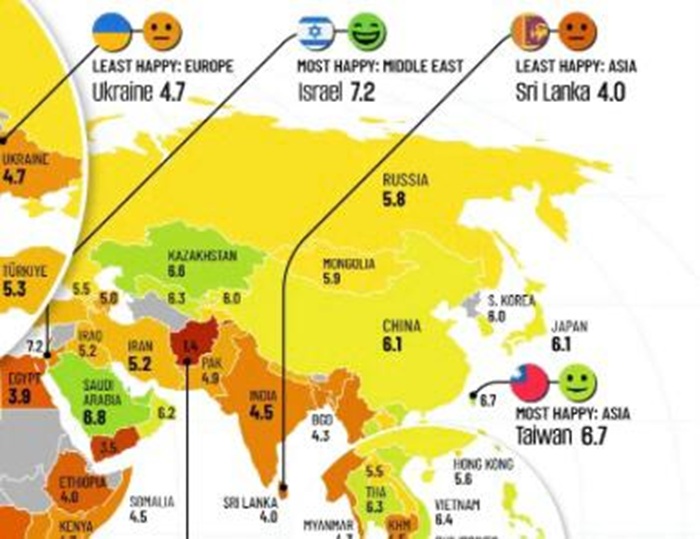
World Happiness Report : Sri Lanka among least happy nations
ON: March 19, 2026