





Embrace the Future of Education: Top 5 Trends in 2024
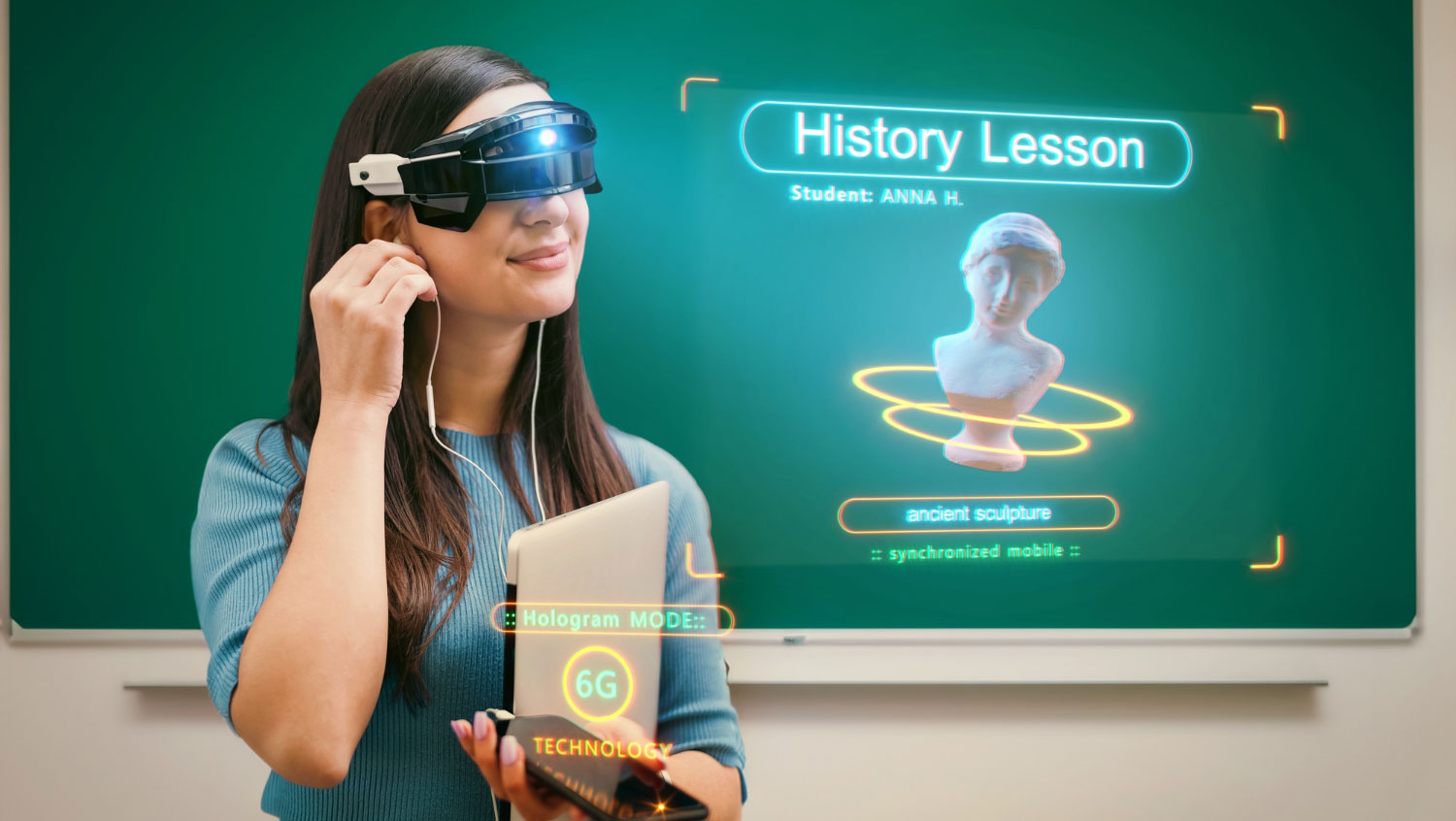
In 2024, the world of education is undergoing a profound transformation, driven by technological advancements and evolving learning needs. As we embrace these changes, it’s essential to understand the top trends shaping the future of education.
Personalized Learning: Personalized learning continues to gain momentum, with technology playing a pivotal role. Adaptive learning platforms use data analytics to tailor learning experiences to individual student needs. This approach improves engagement and outcomes by allowing students to learn at their own pace and focus on areas where they need the most help.
Virtual and Augmented Reality (VR/AR): VR and AR technologies are revolutionizing the way students learn by creating immersive, interactive experiences. From virtual field trips to augmented reality textbooks, these technologies make learning more engaging and accessible, particularly for subjects that benefit from visualization, such as science and history.
Artificial Intelligence (AI) in Education: AI is increasingly being used to enhance the learning experience. AI-powered tutoring systems provide personalized feedback and assistance, while AI-driven analytics help educators identify students who may be struggling and intervene early. Additionally, AI is being used to develop customized learning paths based on individual student performance.
Blockchain in Education: Blockchain technology is being explored to improve the security and integrity of educational credentials. By creating a decentralized system for verifying qualifications, blockchain can help combat credential fraud and simplify the process of credential verification, making it easier for students to share their achievements with employers and educational institutions.
Hybrid and Remote Learning: The COVID-19 pandemic accelerated the adoption of hybrid and remote learning, and these models are likely to remain prominent in 2024 and beyond. Educational institutions are investing in technology infrastructure to support these models, ensuring that students have access to high-quality education regardless of their location.
As we look to the future of education, it’s clear that technology will continue to play a central role in shaping how students learn and educators teach. Embracing these trends can help us create a more inclusive, engaging, and effective educational experience for all.
Related News

How CIMA Builds Practical Business and Problem Solving Skills for the Real…
For students considering what to study after school or alongside a university degree, one question matters more than ever: will the qualification…
Read More
CIMA Beyond Accounting: Why Business Skills Matter for the Next Generation
For many Sri Lankan students, completing school brings one major question: what qualification should come next? A bachelor’s degree remains an important…
Read More
Gateway College and Wilderness School Australia Launch Teacher Exchange Programme
Students of Wilderness School were most welcoming to the teachers of Gateway Gateway College is pleased to announce the establishment of a…
Read More
Oxford College of Business Celebrates 1,550 Graduates at Landmark 2026 Graduation Ceremony
Oxford College of Business (OCB) celebrated the academic achievements of 1,550 graduands at its 2026 Graduation Ceremony, bringing together students, academics, international…
Read More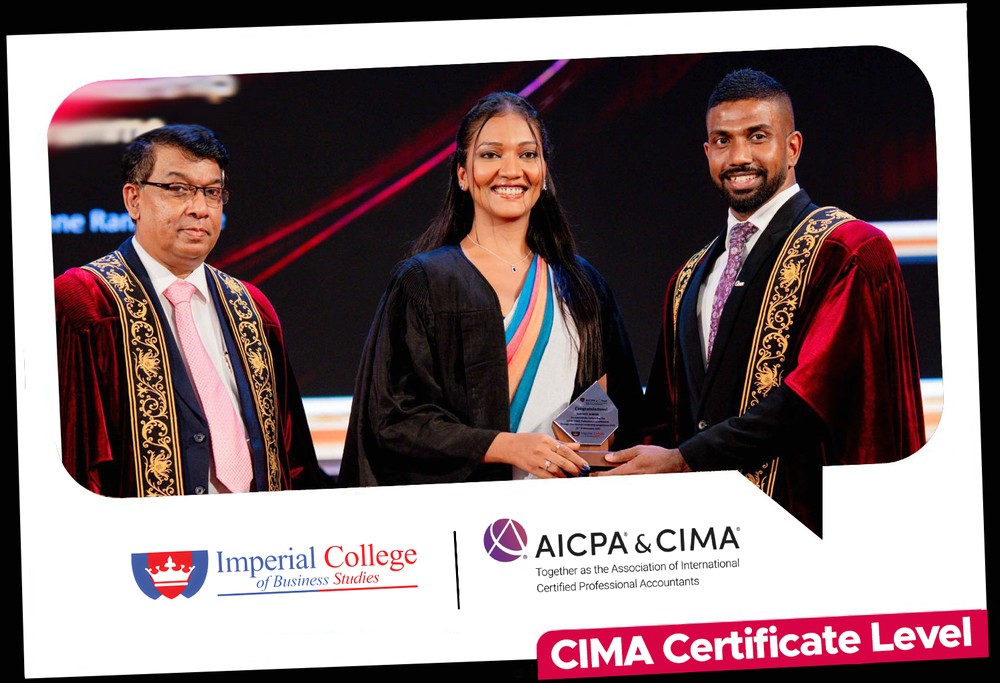
Imperial Announces CIMA Certificate Intake with 50% Off Class Fees
Imperial College of Business Studies (ICBS) will commence its latest CIMA Certificate Level intake on 19 September 2026, with weekday and weekend…
Read MoreCourses
-

The future of higher education tech: why industry needs purpose-built solutions
For years, Institutions and education agencies have been forced to rely on a patchwork of horizontal SaaS solutions – general tools that… -

MBA in Project Management & Artificial Intelligence – Oxford College of Business
In an era defined by rapid technological change, organizations increasingly demand leaders who not only understand traditional project management, but can also… -

Scholarships for 2025 Postgraduate Diploma in Education for SLEAS and SLTES Officers
The Ministry of Education, Higher Education and Vocational Education has announced the granting of full scholarships for the one-year weekend Postgraduate Diploma… -

Shape Your Future with a BSc in Business Management (HRM) at Horizon Campus
Human Resource Management is more than a career. It’s about growing people, building organizational culture, and leading with purpose. Every impactful journey… -
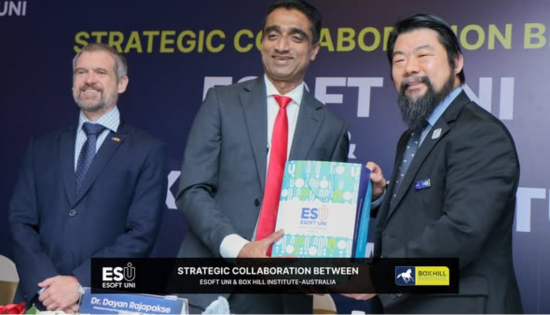
ESOFT UNI Signs MoU with Box Gill Institute, Australia
ESOFt UNI recently hosted a formal Memorandum of Understanding (MoU) signing ceremony with Box Hill Institute, Australia, signaling a significant step in… -

Ace Your University Interview in Sri Lanka: A Guide with Examples
Getting into a Sri Lankan sate or non-state university is not just about the scores. For some universities' programmes, your personality, communication… -
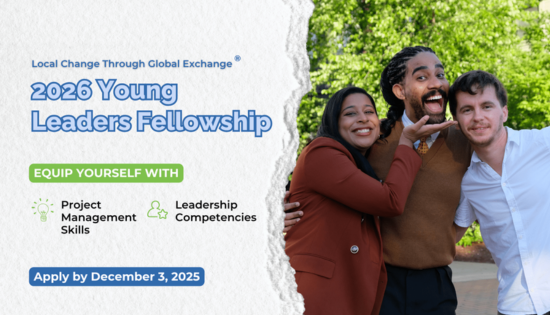
MCW Global Young Leaders Fellowship 2026
MCW Global (Miracle Corners of the World) runs a Young Leaders Fellowship, a year-long leadership program for young people (18–26) around the… -
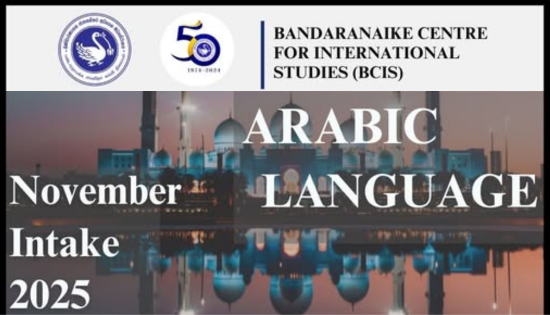
Enhance Your Arabic Skills with the Intermediate Language Course at BCIS
BCIS invites learners to join its Intermediate Arabic Language Course this November and further develop both linguistic skills and cultural understanding. Designed… -
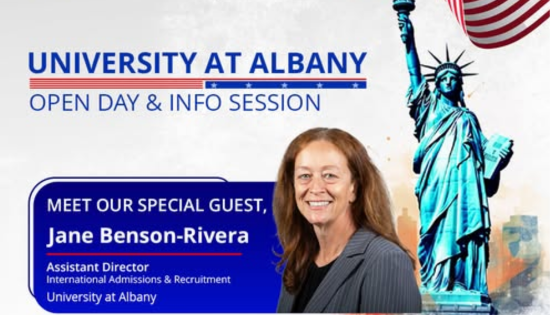
Achieve Your American Dream : NCHS Spring Intake Webinar
NCHS is paving the way for Sri Lankan students to achieve their American Dream. As Sri Lanka’s leading pathway provider to the… -
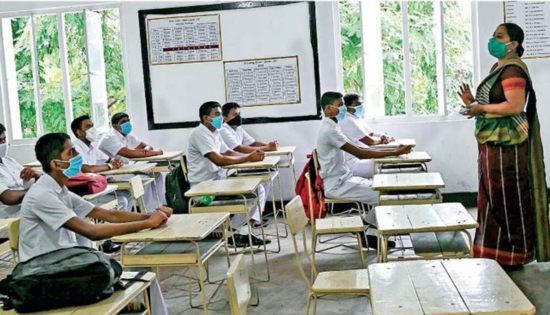
National Diploma in Teaching course : Notice
A Gazette notice has been released recently, concerning the enrollment of aspiring teachers into National Colleges of Education for the three-year pre-service… -
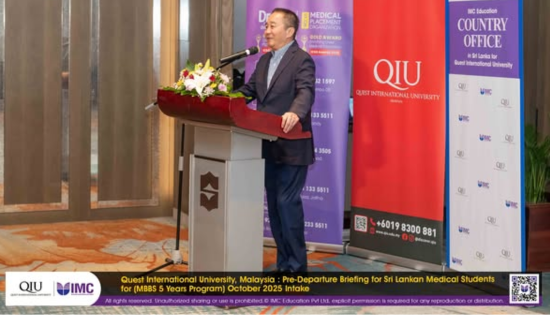
IMC Education Features Largest Student Recruitment for QIU’s October 2025 Intake
Quest International University (QIU), Malaysia recently hosted a pre-departure briefing and high tea at the Shangri-La Hotel in Colombo for its incoming… -

Global University Employability Ranking according to Times Higher Education
Attending college or university offers more than just career preparation, though selecting the right school and program can significantly enhance your job… -

Diploma in Occupational Safety & Health (DOSH) – CIPM
The Chartered Institute of Personnel Management (CIPM) is proud to announce the launch of its Diploma in Occupational Safety & Health (DOSH),… -
Small Grant Scheme for Australia Awards Alumni Sri Lanka
Australia Awards alumni are warmly invited to apply for a grant up to AUD 5,000 to support an innovative project that aim… -
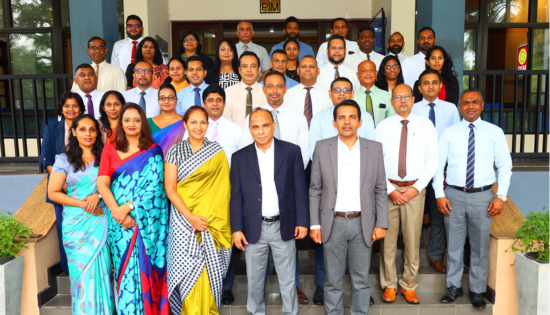
PIM Launches Special Programme for Newly Promoted SriLankan Airlines Managers
The Postgraduate Institute of Management (PIM) has launched a dedicated Newly Promoted Manager Programme designed to strengthen the leadership and management capabilities…
Newswire
-

Suspect Arrested Over Rs. 24.8 Billion Transfers via Six Shell Companies
ON: September 23, 2026 -

Names of 15 Convicted in Easter Sunday Attacks Case
ON: September 22, 2026 -

15 Easter Sunday attacks convicts sentenced to over 200 years rigorous imprisonment each
ON: September 22, 2026 -

Leicester Lankans Premier League Expands as Sri Lankan Community Cricket Grows in UK
ON: September 22, 2026 -

Central Bank freezes assets of 6 companies and their directors
ON: September 22, 2026