





5 Key Trends in Higher Education for Sri Lankan Students
As Sri Lanka’s higher education landscape evolves, it’s crucial for students, parents, and education seekers to stay abreast of emerging trends. In this article, we’ll delve into five pivotal trends shaping higher education in Sri Lanka, with a focus on enhancing career prospects and fostering inclusivity.
- Transitioning to Modern Learning:
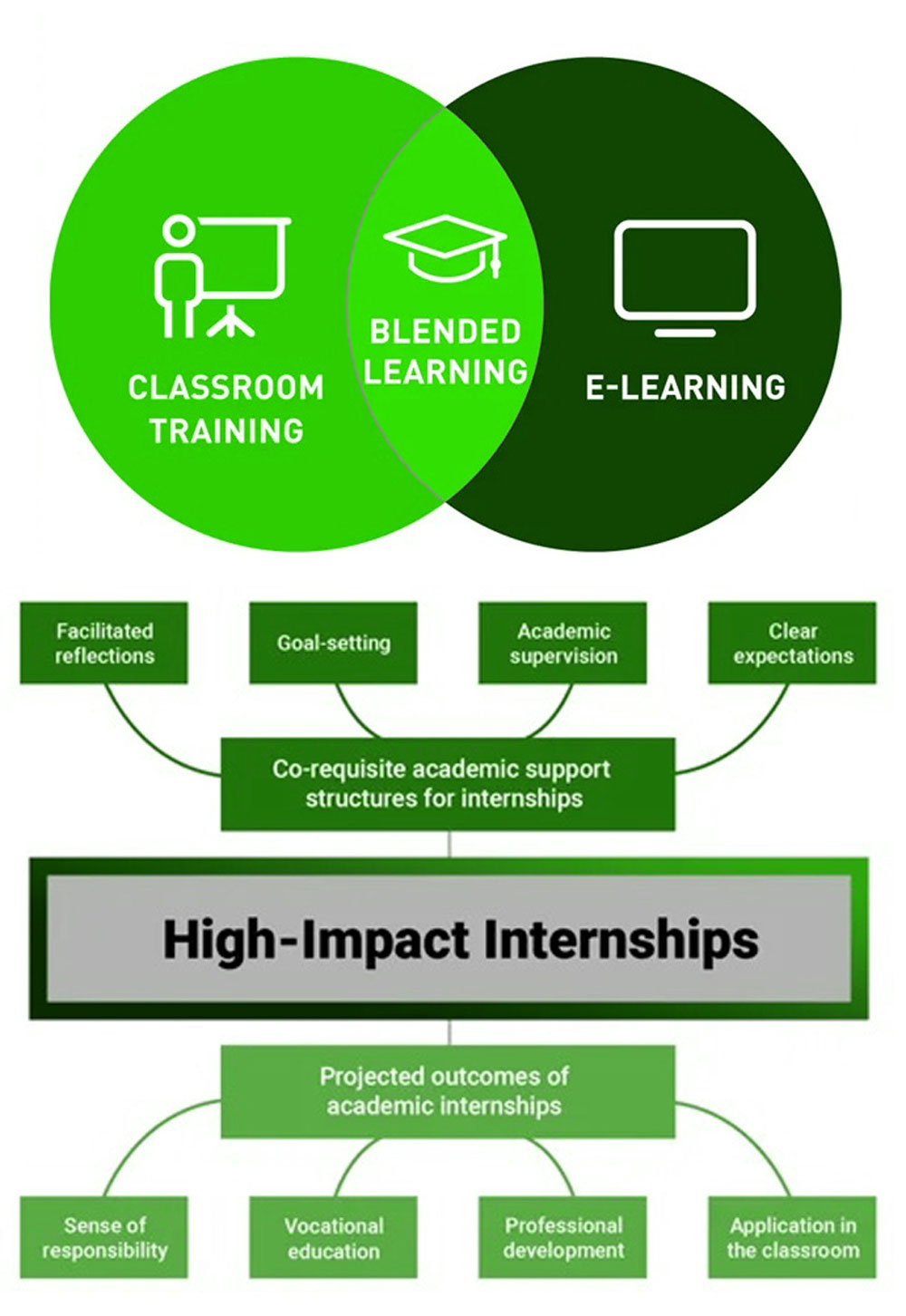
Sri Lanka’s education journey has traversed ancient monastic centers to contemporary institutions. Today, higher education embraces modernity, leveraging technology and innovative teaching methods. For instance, hybrid learning combines traditional classroom instruction with online platforms, offering flexibility and personalized learning experiences.
Example: A student pursuing a degree in IT can access lectures online, collaborate with peers virtually, and engage in hands-on lab sessions on campus.
Challenges: Digital literacy remains a hurdle, with some students unfamiliar with online tools. Institutions must foster a culture of continuous learning to equip students with necessary skills and adapt to evolving educational trends.
- Skills in High Demand:
Employers increasingly seek candidates with a blend of technical expertise and soft skills like adaptability, creativity, and communication. To meet market demands, higher education institutions must integrate these skills into their curriculum, ensuring graduates are well-rounded and competitive in the workforce.
Example: An engineering student not only learns technical concepts but also participates in team projects, enhancing problem-solving and collaboration skills.
Challenges: Identifying and developing soft skills can be challenging, requiring innovative teaching methods and practical learning experiences to cultivate these attributes.
- Leveraging Internship Opportunities:
Internships provide invaluable hands-on experience and networking opportunities for students. Effective internship programs align with students’ career goals, set clear expectations, and offer mentorship and training for personal and professional growth.
Example: A business student internships at a leading company, gaining practical insights into operations, networking with professionals, and honing skills relevant to their field.
Challenges: Securing internships that provide meaningful learning experiences can be competitive, requiring students to actively seek opportunities and navigate application processes effectively.
- Promoting Knowledge Creation:
Higher education institutions play a vital role in advancing knowledge through research and collaboration. Research projects allow students to explore new ideas, develop critical thinking skills, and contribute to solving real-world problems.
Example: A biology student conducts research on local plant species, discovering new properties that could have applications in medicine or agriculture.
Challenges: Keeping pace with advancements in high-tech industries demands significant resources and expertise, posing challenges for institutions with limited funding or access to technology.
- Aligning with Market Needs:
Understanding and responding to the job market is crucial for higher education institutions to remain relevant. By offering programs aligned with industry demands, fostering innovation, and providing career support services, institutions prepare students for successful careers.
Example: An institute introduces a new course in digital marketing, reflecting the growing demand for professionals in the field.
Challenges: Adapting curriculum to meet evolving market needs requires agility and resources, with institutions facing constraints in securing funding and expertise.
As Sri Lanka’s higher education sector evolves, students, parents, and education seekers must navigate these trends to make informed choices. By embracing modern learning approaches, developing in-demand skills, leveraging internship opportunities, promoting knowledge creation, and aligning with market needs, institutions empower students for future success in a competitive global landscape.
-SW
Related News
AIESEC in Colombo North and Rotaract Colombo Mid Town Introduce CSR Project: Bloom 2026
Following the success of its first chapter, Bloom returns in 2026 with a renewed vision, focusing on Galaha Divisional Hospital and the…
Read More
Gateway Students Win Record 10 Medals for Sri Lanka at International Earth Science Olympiad 2026
Gateway Colleges celebrates an outstanding international achievement by four of its students, who represented Sri Lanka at the 19th International Earth Science…
Read MoreThe world on a flat page
How map projections change the way we see Earth Look at a world map and it feels reassuringly familiar. Continents have recognizable…
Read More
Horizon College International Celebrates Football, Teamwork and Sportsmanship at Inter-House Tournament 2026
The Inter-House Football Tournament 2026 at Horizon College International was held with great enthusiasm, bringing together the four houses, Athena, Apollo, Hermes,…
Read More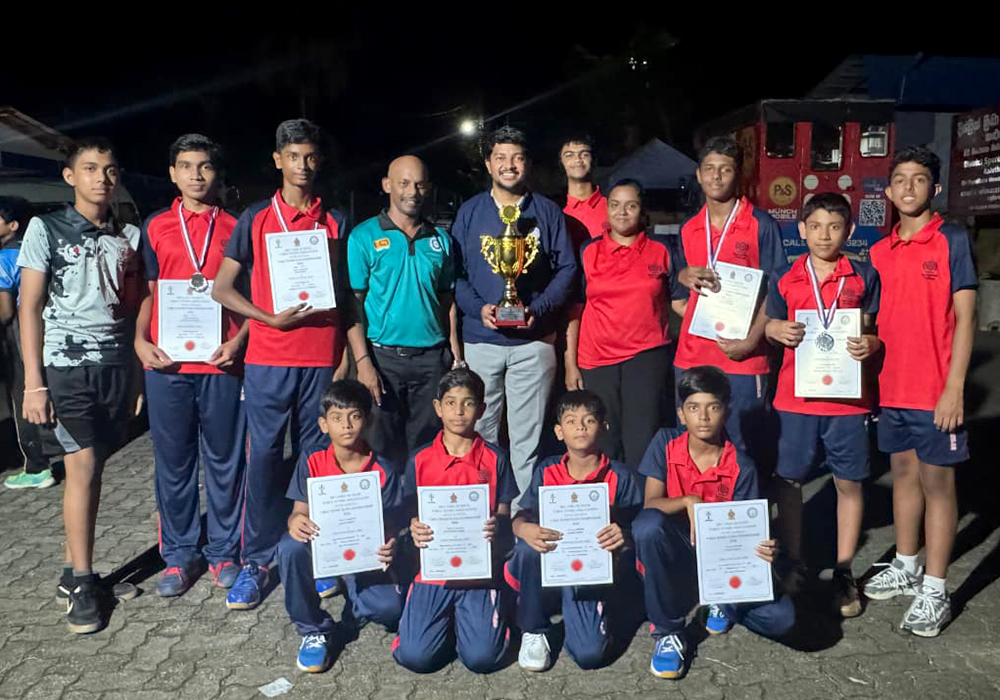
Springfield College Kandy Paddlers Shine with Double Runners-Up Finish at All-Island Championships
Standing from Left to Right: ThisumIllankoon, Nathesha Wijesinghe, Bilal Zaman, Mr.Rajesh Kumar (Assistant Coach), Mr.Lahiru Senarathne (MIC), Mhadhi Hassan, Ms.Kanchana Wedagedara (Coach),…
Read MoreCourses
-

The future of higher education tech: why industry needs purpose-built solutions
For years, Institutions and education agencies have been forced to rely on a patchwork of horizontal SaaS solutions – general tools that… -

MBA in Project Management & Artificial Intelligence – Oxford College of Business
In an era defined by rapid technological change, organizations increasingly demand leaders who not only understand traditional project management, but can also… -

Scholarships for 2025 Postgraduate Diploma in Education for SLEAS and SLTES Officers
The Ministry of Education, Higher Education and Vocational Education has announced the granting of full scholarships for the one-year weekend Postgraduate Diploma… -
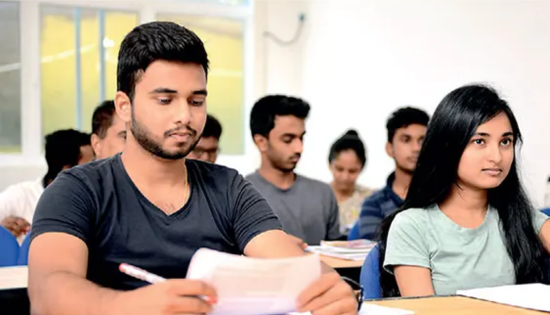
Shape Your Future with a BSc in Business Management (HRM) at Horizon Campus
Human Resource Management is more than a career. It’s about growing people, building organizational culture, and leading with purpose. Every impactful journey… -
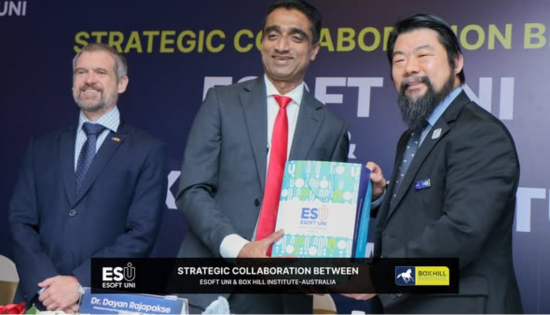
ESOFT UNI Signs MoU with Box Gill Institute, Australia
ESOFt UNI recently hosted a formal Memorandum of Understanding (MoU) signing ceremony with Box Hill Institute, Australia, signaling a significant step in… -

Ace Your University Interview in Sri Lanka: A Guide with Examples
Getting into a Sri Lankan sate or non-state university is not just about the scores. For some universities' programmes, your personality, communication… -
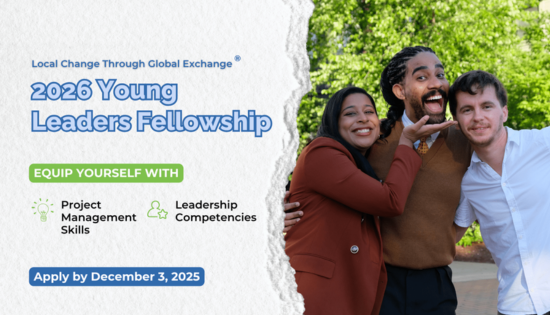
MCW Global Young Leaders Fellowship 2026
MCW Global (Miracle Corners of the World) runs a Young Leaders Fellowship, a year-long leadership program for young people (18–26) around the… -
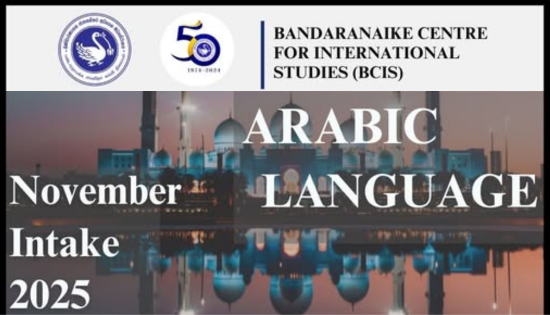
Enhance Your Arabic Skills with the Intermediate Language Course at BCIS
BCIS invites learners to join its Intermediate Arabic Language Course this November and further develop both linguistic skills and cultural understanding. Designed… -

Achieve Your American Dream : NCHS Spring Intake Webinar
NCHS is paving the way for Sri Lankan students to achieve their American Dream. As Sri Lanka’s leading pathway provider to the… -
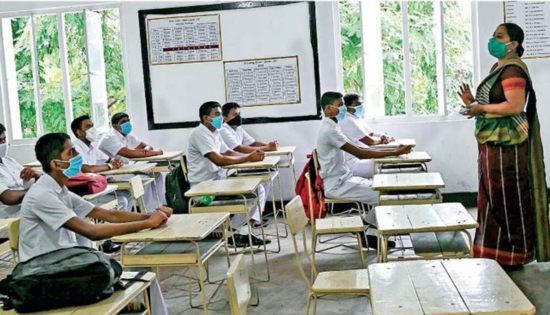
National Diploma in Teaching course : Notice
A Gazette notice has been released recently, concerning the enrollment of aspiring teachers into National Colleges of Education for the three-year pre-service… -
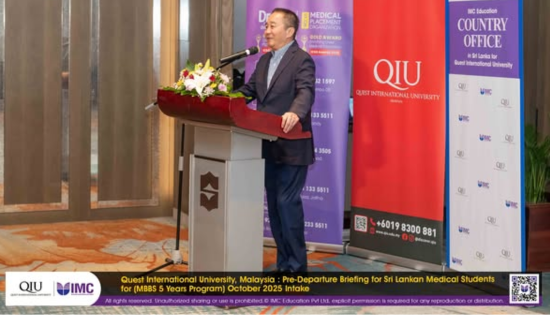
IMC Education Features Largest Student Recruitment for QIU’s October 2025 Intake
Quest International University (QIU), Malaysia recently hosted a pre-departure briefing and high tea at the Shangri-La Hotel in Colombo for its incoming… -

Global University Employability Ranking according to Times Higher Education
Attending college or university offers more than just career preparation, though selecting the right school and program can significantly enhance your job… -

Diploma in Occupational Safety & Health (DOSH) – CIPM
The Chartered Institute of Personnel Management (CIPM) is proud to announce the launch of its Diploma in Occupational Safety & Health (DOSH),… -
Small Grant Scheme for Australia Awards Alumni Sri Lanka
Australia Awards alumni are warmly invited to apply for a grant up to AUD 5,000 to support an innovative project that aim… -
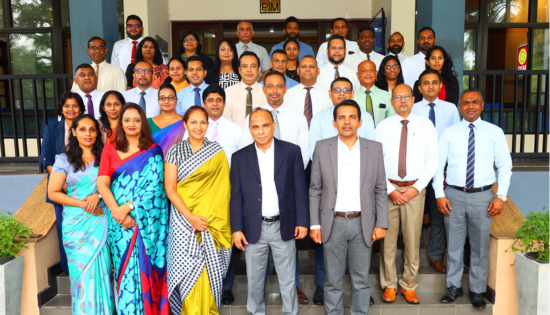
PIM Launches Special Programme for Newly Promoted SriLankan Airlines Managers
The Postgraduate Institute of Management (PIM) has launched a dedicated Newly Promoted Manager Programme designed to strengthen the leadership and management capabilities…
Newswire
-
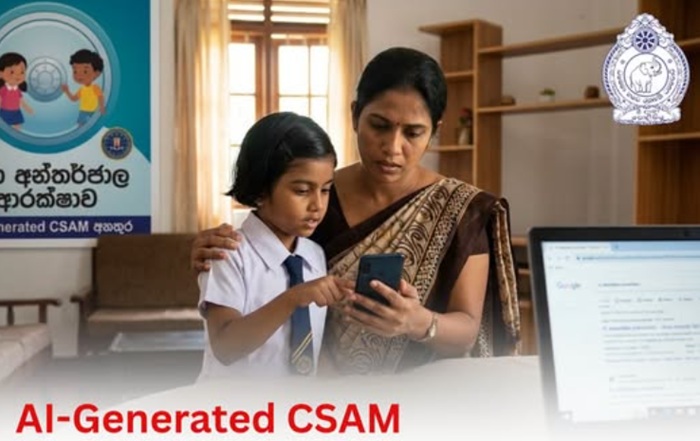
Police warn of rising threat from AI‑generated child sexual abuse material
ON: September 17, 2026 -

Sri Lanka’s Sonal Dinusha named ICC Men’s Player of the Month for August 2026
ON: September 17, 2026 -
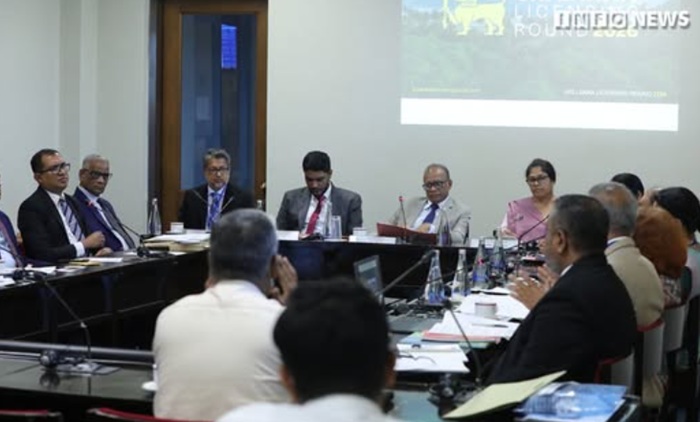
Committee on Energy Affairs endorses order to call petroleum investment proposals
ON: September 17, 2026 -

Sri Lanka given near-maximum weight in new JP Morgan bond index
ON: September 17, 2026