

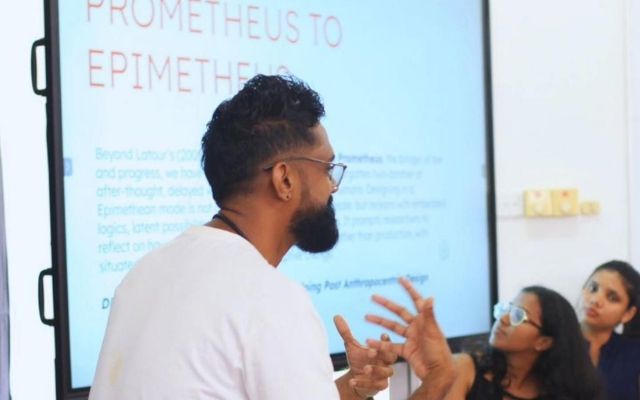



The 6 Types of Teacher Reactions to AI

Which One Are You? And Which One Might You Become?
- The Skeptic — “It’s just hype… Nothing beats a real teacher.”
Skeptical educators voice concerns about AI’s potential to undermine critical thinking, diminish human connection, and disrupt academic integrity. Stories of increased cheating and devalued learning abound. For instance, some English departments remain wary, particularly around writing instruction, seeing AI as a threat to authenticity and original engagement. Globally, public support for AI in lesson planning has declined from 62% to 49% reflecting persistent wariness among parents and educators alike. These concerns echo deeper issues such as faculty alienation, loss of control over curriculum, and erosion of professional identity.
Reflection: If this resonates with you, you value preserved educational values and close student-teacher dynamics.
Thought to aspire to: You could evolve toward a more open approach, recognizing AI’s possibilities not as a replacement, but as a complementary tool when used with thoughtful safeguards.
- The Secret User – “I don’t tell anyone, but I use ChatGPT.”
Many teachers quietly explore AI’s benefits without openly acknowledging it—often because of institutional bans or social stigma. This covert engagement allows them to harness AI for lesson prep or feedback while avoiding criticism. A growing number of faculty use AI tools like Claude for grading (some delegating up to 49% of grading related tasks), even amid ethical tensions about transparency and academic honesty.
Reflection: If you’re quietly using AI, you know its practical gains but might feel uncertain or worried about perception.
Thought to aspire to: Transition into more open, empowered use advocate for ethical guidelines and institutional support.
- The Power Prompter — “I’ve got a prompt for everything!”
This approach transforms AI from a novelty into a finely tuned tool. Teachers with strong digital competence design prompts to personalize learning, generate creative tasks, or support diverse learners. Research consistently shows that positive attitudes toward AI correlate with higher AI literacy and readiness to integrate AI meaningfully. Educators in this category often function as Adopters or Collaborators, progressively integrating AI into lesson design and classroom dynamics.
Reflection: You view AI as a creative ally and enjoy crafting customized prompts.
Thought to aspire to: Move toward the “Innovator” role developing new pedagogical models alongside AI systems.
- The Copy Paster — “I just ask it to write a worksheet. Done.”
This pragmatic stance views AI as a shortcut for repetitive tasks worksheets, quizzes, or summaries. Many educators report using AI tools to save time some calculating up to six hours per week on planning and administrative duties. While this boosts efficiency, there’s a caution: overreliance can risk creativity, critical thinking, and meaningful engagement.
Reflection: You appreciate the convenience and time savings of AI tools.
Thought to aspire to: Use that time freed up to engage with students more meaningfully or to explore deeper AI enabled innovations.
- The Ethical Warrior — “We can’t use this until we talk safety and bias.”
These teachers insist on a pause before adopting AI, they demand discussion around ethics, fairness, bias, data privacy, and equitable access. UNESCO and educators globally emphasize the need for frameworks that ensure AI supplements, not replaces, educators so that inequities and biases aren’t reinforced. Studies further show that trust in AI grows when teachers have both AI literacy and institutional safeguards in place.
Reflection: You prioritize responsible implementation, aligned with broader values and equity.
Thought to aspire to: Advocate for professional development programs, policy frameworks, and teacher led AI initiatives such as the AFT’s $23 million AI training initiative.
- The Curious but Cautious — “I see the potential But where do I start?”
You’re open minded yet discerning. You recognize AI could enhance teaching, but you don’t want to rush in without clarity, skills, or institutional support. Research shows that most educators are familiar with AI but barriers like insufficient training, resources, and infrastructure hinder effective adoption. Teachers across Europe and beyond echo cautious optimism, balancing potential with concern for critical thinking and equity.
Reflection: You stand on the threshold of innovation, ready to explore but mindful of pitfalls.
Thought to aspire to: Seek out AI literacy opportunities, join training platforms, pilot small AI driven projects, and align with ethical principles.
Summary Table: Where Do You Stand and Where Could You Go?
| Current Type | Strengths | Growth Path |
|---|---|---|
| The Skeptic | Upholds human-centric education | Explore AI-supported teaching with safeguards |
| The Secret User | Practical usage, discreet resourcefulness | Embrace transparency and ethical AI advocacy |
| The Power Prompter | Highly inventive and tech savvy | Innovate AI integrated pedagogy |
| The Copy-Paster | Efficient and task oriented | Redeploy saved time toward deeper learning |
| The Ethical Warrior | Principled and mission driven | Lead policy and training initiatives |
| The Curious but Cautious | Balanced, reflective, forward thinking | Gain AI skills, pilot responsibly, influence culture |
Related News

Gateway Girls Triumph in Football
Under 18 Champions: Standing Order Left to Right – Mr Rafaah Suhail (Coach), Ms Sahani Fernando (Coach), Brianna Perera, Tasneem Malik, KenuliAbeygunawardhane…
Read More
Gateway College Crowned TISSL Under-19 Basketball Champions for Fifth Consecutive Year
Back Row (left to right):DhanukaWijegoonaratne, Tevan Sela, Jonathan Herath, Mikyle Reza, Akain Vitanachy, Samuel Tsung, Thinuk Attanayaka, NavinduWaduwavala, Julan Senmitha, Jithein Kulatunga,…
Read More
USJ Leo Club’s ‘Pranadhara ’26’ Brings Water Storage Support to Habarana Community
The Leo Club of the University of Sri Jayewardenepura has completed the second phase of its ‘Pranadhara ’26’ water security project, providing…
Read More
Sri Lanka Skills Expo 2026 to promote vocational education in Colombo
The Sri Lanka Skills Expo 2026 is scheduled to take place from October 23 to 25 at Viharamahadevi Park and Green Path…
Read MoreSri Lanka ITEC Alumni Association formally launched to unite India-trained professionals
The Sri Lanka ITEC Alumni Association was officially launched during its inaugural meeting at the Grand Crystal Ballroom of Hotel Taj Samudra…
Read MoreCourses
-

The future of higher education tech: why industry needs purpose-built solutions
For years, Institutions and education agencies have been forced to rely on a patchwork of horizontal SaaS solutions – general tools that… -

MBA in Project Management & Artificial Intelligence – Oxford College of Business
In an era defined by rapid technological change, organizations increasingly demand leaders who not only understand traditional project management, but can also… -

Scholarships for 2025 Postgraduate Diploma in Education for SLEAS and SLTES Officers
The Ministry of Education, Higher Education and Vocational Education has announced the granting of full scholarships for the one-year weekend Postgraduate Diploma… -

Shape Your Future with a BSc in Business Management (HRM) at Horizon Campus
Human Resource Management is more than a career. It’s about growing people, building organizational culture, and leading with purpose. Every impactful journey… -

ESOFT UNI Signs MoU with Box Gill Institute, Australia
ESOFt UNI recently hosted a formal Memorandum of Understanding (MoU) signing ceremony with Box Hill Institute, Australia, signaling a significant step in… -

Ace Your University Interview in Sri Lanka: A Guide with Examples
Getting into a Sri Lankan sate or non-state university is not just about the scores. For some universities' programmes, your personality, communication… -
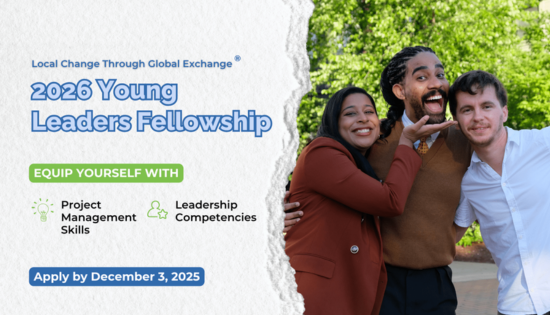
MCW Global Young Leaders Fellowship 2026
MCW Global (Miracle Corners of the World) runs a Young Leaders Fellowship, a year-long leadership program for young people (18–26) around the… -
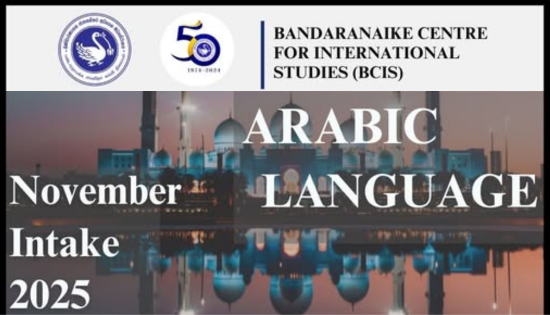
Enhance Your Arabic Skills with the Intermediate Language Course at BCIS
BCIS invites learners to join its Intermediate Arabic Language Course this November and further develop both linguistic skills and cultural understanding. Designed… -
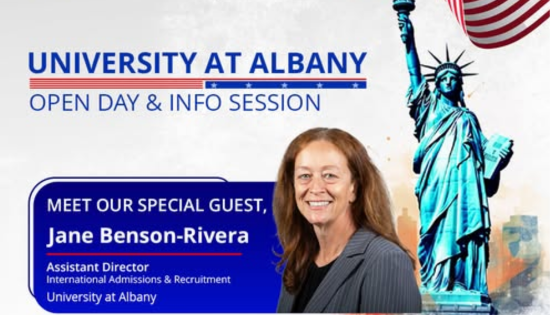
Achieve Your American Dream : NCHS Spring Intake Webinar
NCHS is paving the way for Sri Lankan students to achieve their American Dream. As Sri Lanka’s leading pathway provider to the… -
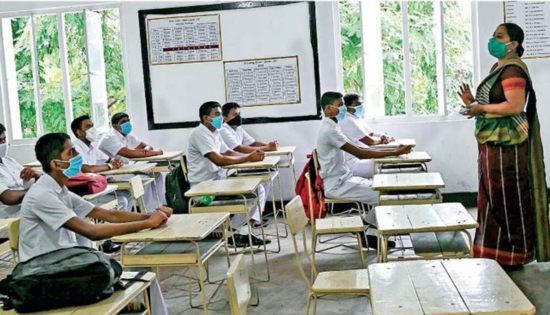
National Diploma in Teaching course : Notice
A Gazette notice has been released recently, concerning the enrollment of aspiring teachers into National Colleges of Education for the three-year pre-service… -
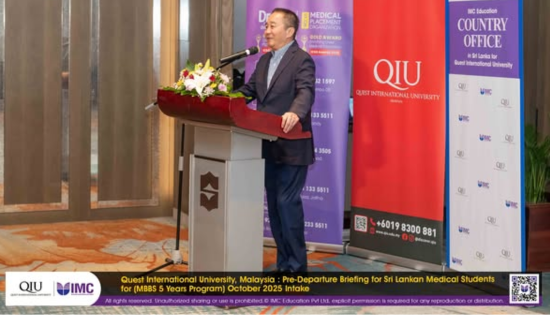
IMC Education Features Largest Student Recruitment for QIU’s October 2025 Intake
Quest International University (QIU), Malaysia recently hosted a pre-departure briefing and high tea at the Shangri-La Hotel in Colombo for its incoming… -

Global University Employability Ranking according to Times Higher Education
Attending college or university offers more than just career preparation, though selecting the right school and program can significantly enhance your job… -

Diploma in Occupational Safety & Health (DOSH) – CIPM
The Chartered Institute of Personnel Management (CIPM) is proud to announce the launch of its Diploma in Occupational Safety & Health (DOSH),… -
Small Grant Scheme for Australia Awards Alumni Sri Lanka
Australia Awards alumni are warmly invited to apply for a grant up to AUD 5,000 to support an innovative project that aim… -
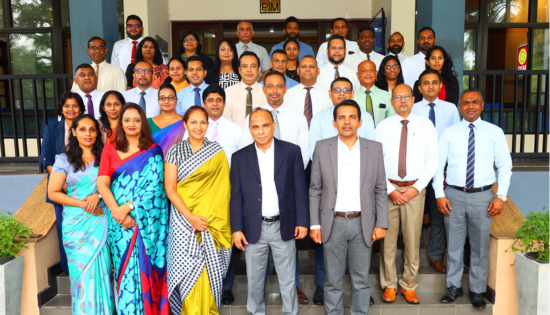
PIM Launches Special Programme for Newly Promoted SriLankan Airlines Managers
The Postgraduate Institute of Management (PIM) has launched a dedicated Newly Promoted Manager Programme designed to strengthen the leadership and management capabilities…
Newswire
-

What did Sanga & Nasser Hussain say about Sri Lanka’s historic win
ON: October 22, 2026 -

WATCH : Highlights of Sri Lanka’a highest successful ODI run chase
ON: October 22, 2026 -

Pakistan, Sri Lanka & England ODI Tri-Series Points Table & NRR
ON: October 22, 2026 -

Sri Lanka pull off record-breaking chase to beat England by two wickets
ON: October 22, 2026 -
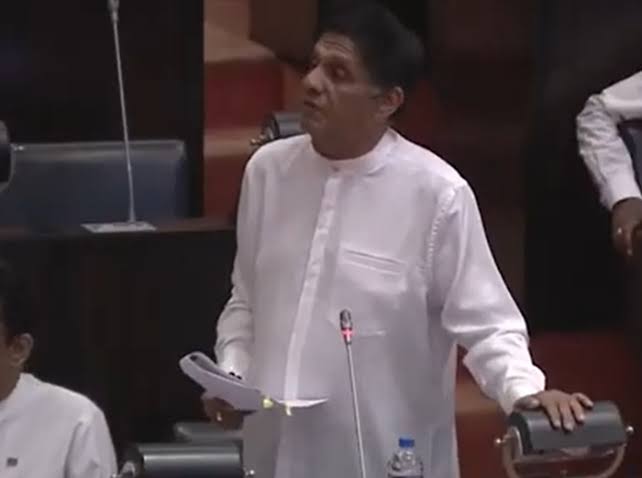
Sajith questions 2027 Budget without disclosure of 2026 Budget progress
ON: October 22, 2026