




Software Engineering: Building the Future, One Line of Code at a Time

Software engineering is the backbone of the digital world, encompassing the design, development, testing, and maintenance of software applications. Studying software engineering not only equips you with the technical skills to create innovative software solutions but also prepares you for a future-oriented career with diverse opportunities.
Why Study Software Engineering?
Innovation and Creativity: Software engineering allows you to unleash your creativity and innovation by developing cutting-edge software solutions that solve complex problems and enhance user experiences.
High Demand: With the increasing reliance on technology, the demand for skilled software engineers continues to grow across industries. This high demand translates into excellent job prospects and competitive salaries.
Versatility: Software engineering offers a wide range of career paths, including software developer, software architect, quality assurance engineer, and project manager. You can choose a specialization that aligns with your interests and skills.
Global Impact: Software engineering has a global impact, shaping the way we work, communicate, and live. By studying software engineering, you can contribute to advancements in technology that benefit society as a whole.
Pathways and Future Job Opportunities
Academic Pathway: Pursuing a degree in software engineering or a related field, such as computer science or information technology, is a common pathway to enter the field. Many universities offer specialized software engineering programs at the undergraduate and postgraduate levels.
Certifications: Obtaining industry-recognized certifications, such as Certified Software Development Professional (CSDP) or Agile Certified Practitioner (ACP), can enhance your credibility and job prospects in the software engineering field.
Hands-On Experience: Internships, co-op programs, and hands-on projects can provide you with valuable practical experience and help you build a strong professional network in the software engineering industry.
Future Job Opportunities
Software Developer: Design, develop, and test software applications to meet user requirements and enhance user experiences.
Software Architect: Design the overall structure of software systems and ensure that they meet technical and business requirements.
Quality Assurance Engineer: Test software applications to ensure they meet quality standards and are free of bugs and errors.
Project Manager: Manage software development projects, including planning, scheduling, and coordinating activities to ensure project success.
Studying software engineering opens up a world of opportunities in a rapidly evolving field. By acquiring the necessary skills and knowledge, you can secure a rewarding career that not only supports your future but also contributes to shaping the future of technology.
Related News
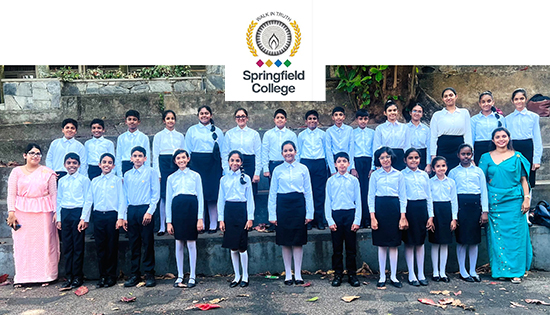
Springfield College, Kandy, Wins All-Island Western Music and Dance Championship
Front Row ( Left to Right ): Helika Weerasinghe, Adeepa Perera, Sineru Gallassage, Sethuni Kodippili, Vinara Godagama, AnukiIndrajith, Omindu Bandara, Leena Rizman,…
Read More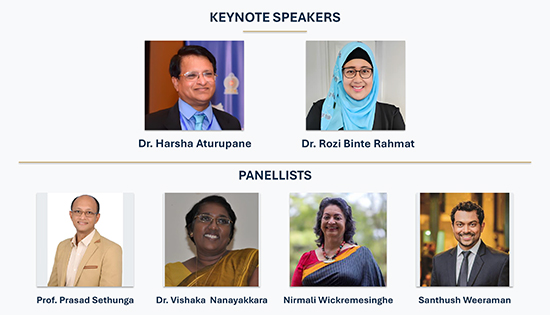
Gateway Graduate School Research Symposium 2026 to Bring Together Researchers, Educators and Young Innovators
Gateway Graduate School is set to host its Research Symposium 2026 on Saturday, 31 October 2026, at the Bandaranaike Memorial International Conference…
Read More
A Warm Welcome to a New Beginning: Horizon College International Welcomes New Students and Parents
Horizon College International (HCI) commenced the 2026/27 Academic Year with a warm and memorable welcome to its newest members of the Horizon…
Read More
Gateway Girls Triumph in Football
Under 18 Champions: Standing Order Left to Right – Mr Rafaah Suhail (Coach), Ms Sahani Fernando (Coach), Brianna Perera, Tasneem Malik, KenuliAbeygunawardhane…
Read More
Gateway College Crowned TISSL Under-19 Basketball Champions for Fifth Consecutive Year
Back Row (left to right):DhanukaWijegoonaratne, Tevan Sela, Jonathan Herath, Mikyle Reza, Akain Vitanachy, Samuel Tsung, Thinuk Attanayaka, NavinduWaduwavala, Julan Senmitha, Jithein Kulatunga,…
Read MoreCourses
-

The future of higher education tech: why industry needs purpose-built solutions
For years, Institutions and education agencies have been forced to rely on a patchwork of horizontal SaaS solutions – general tools that… -

MBA in Project Management & Artificial Intelligence – Oxford College of Business
In an era defined by rapid technological change, organizations increasingly demand leaders who not only understand traditional project management, but can also… -

Scholarships for 2025 Postgraduate Diploma in Education for SLEAS and SLTES Officers
The Ministry of Education, Higher Education and Vocational Education has announced the granting of full scholarships for the one-year weekend Postgraduate Diploma… -

Shape Your Future with a BSc in Business Management (HRM) at Horizon Campus
Human Resource Management is more than a career. It’s about growing people, building organizational culture, and leading with purpose. Every impactful journey… -

ESOFT UNI Signs MoU with Box Gill Institute, Australia
ESOFt UNI recently hosted a formal Memorandum of Understanding (MoU) signing ceremony with Box Hill Institute, Australia, signaling a significant step in… -

Ace Your University Interview in Sri Lanka: A Guide with Examples
Getting into a Sri Lankan sate or non-state university is not just about the scores. For some universities' programmes, your personality, communication… -
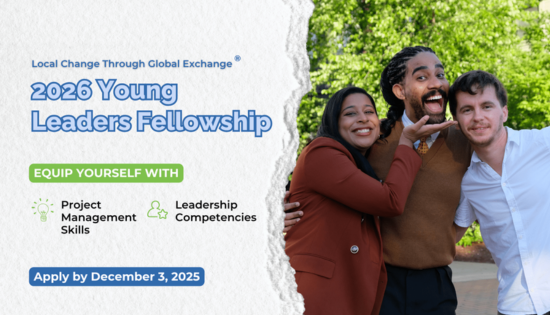
MCW Global Young Leaders Fellowship 2026
MCW Global (Miracle Corners of the World) runs a Young Leaders Fellowship, a year-long leadership program for young people (18–26) around the… -
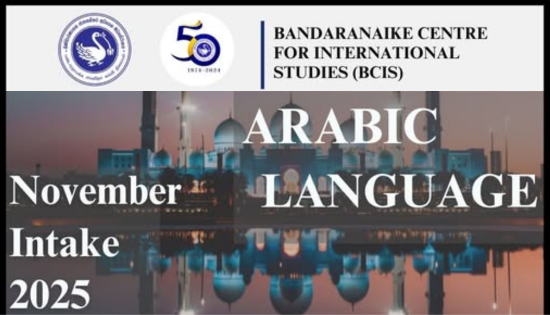
Enhance Your Arabic Skills with the Intermediate Language Course at BCIS
BCIS invites learners to join its Intermediate Arabic Language Course this November and further develop both linguistic skills and cultural understanding. Designed… -

Achieve Your American Dream : NCHS Spring Intake Webinar
NCHS is paving the way for Sri Lankan students to achieve their American Dream. As Sri Lanka’s leading pathway provider to the… -
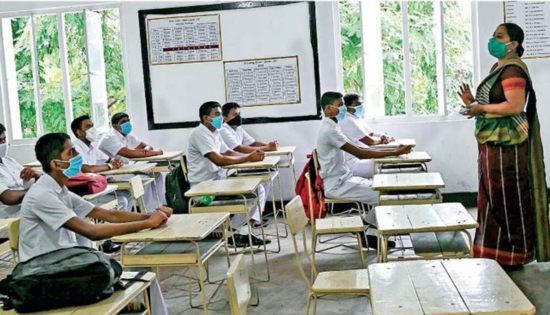
National Diploma in Teaching course : Notice
A Gazette notice has been released recently, concerning the enrollment of aspiring teachers into National Colleges of Education for the three-year pre-service… -
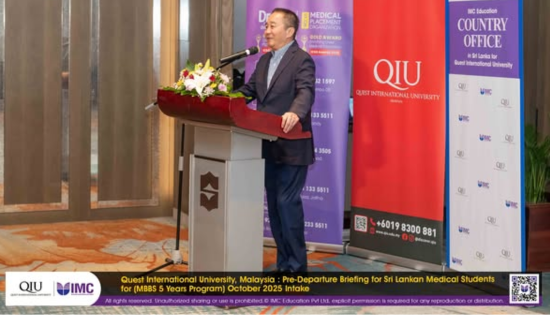
IMC Education Features Largest Student Recruitment for QIU’s October 2025 Intake
Quest International University (QIU), Malaysia recently hosted a pre-departure briefing and high tea at the Shangri-La Hotel in Colombo for its incoming… -

Global University Employability Ranking according to Times Higher Education
Attending college or university offers more than just career preparation, though selecting the right school and program can significantly enhance your job… -

Diploma in Occupational Safety & Health (DOSH) – CIPM
The Chartered Institute of Personnel Management (CIPM) is proud to announce the launch of its Diploma in Occupational Safety & Health (DOSH),… -
Small Grant Scheme for Australia Awards Alumni Sri Lanka
Australia Awards alumni are warmly invited to apply for a grant up to AUD 5,000 to support an innovative project that aim… -
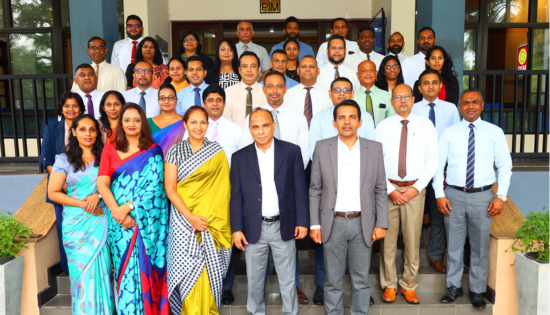
PIM Launches Special Programme for Newly Promoted SriLankan Airlines Managers
The Postgraduate Institute of Management (PIM) has launched a dedicated Newly Promoted Manager Programme designed to strengthen the leadership and management capabilities…
Newswire
-

10 children injured in Koggala train-bus collision; driver and conductor arrested
ON: October 25, 2026 -

New curriculum for Grades 2 and 6 in 2027; recruitment of 23,006 teachers underway
ON: October 25, 2026 -

6 injured, 3 seriously, as bus collides with train in Habaraduwa
ON: October 25, 2026 -
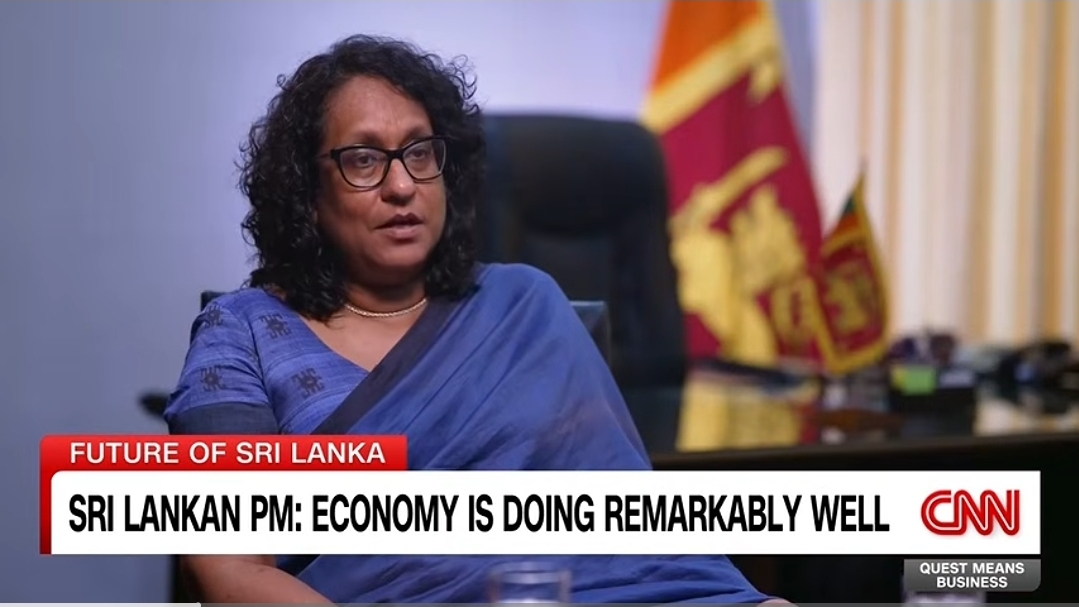
WATCH : PM Harini speaks to CNN
ON: October 25, 2026 -

Sri Lanka’s UN envoy praises India’s support, highlights India-UN Fund
ON: October 25, 2026